Thunderbolt
- 64 Seiten
- 3 Lesestunden
Comprehensive history of the Republic P-47 Thunderbolt in WWII and the many different groups that used them in the European Theater






Comprehensive history of the Republic P-47 Thunderbolt in WWII and the many different groups that used them in the European Theater
Rigt illustreret beskrivelse af hvorledes man gennem tiderne har synliggjort missionsresultater m.v. ved påmalingen på flyene.
The Boeing B-17
Squadron/Signal
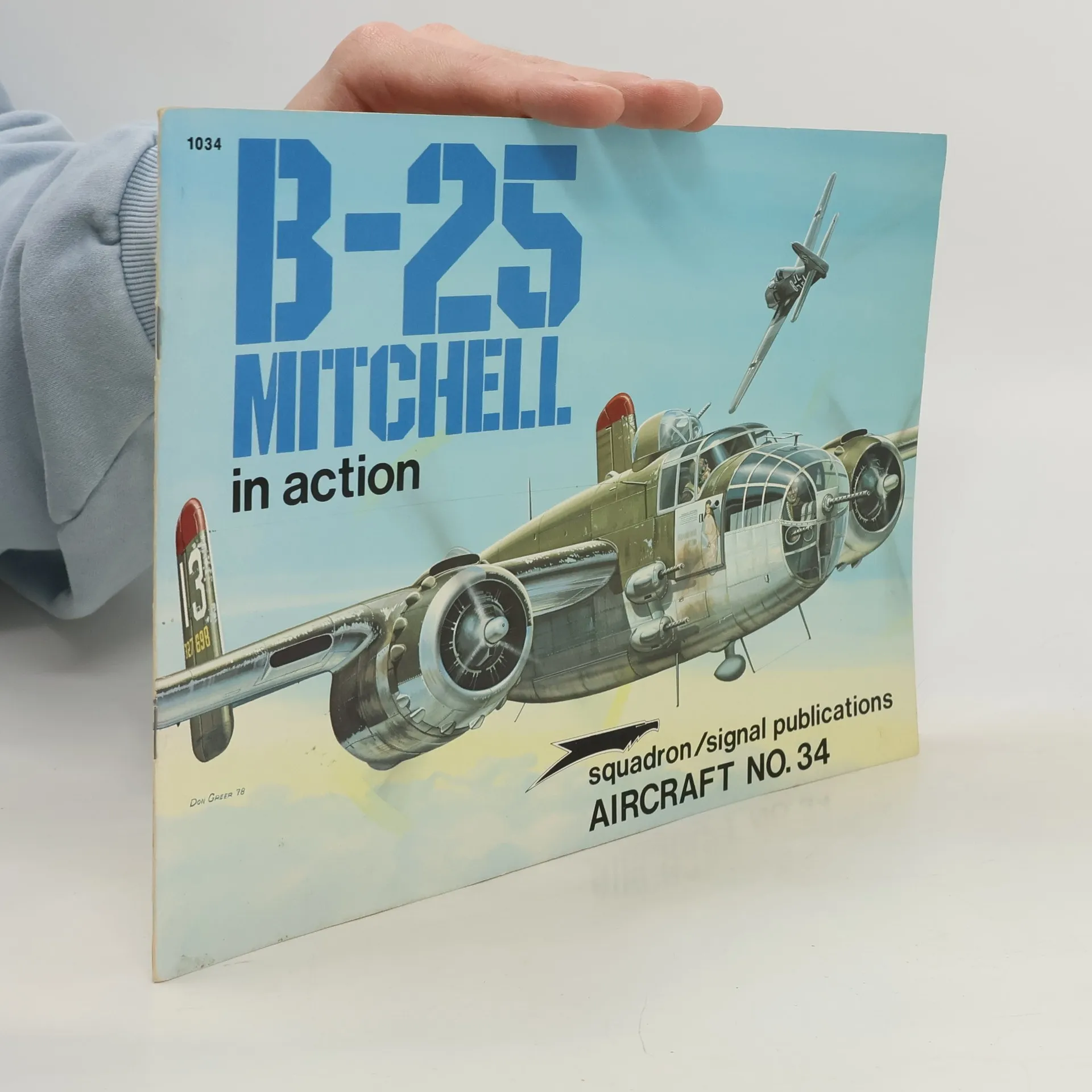
In 1938 the United States Army Air Force issued a circular proposal which called for a twin-engined medium attack bomber. On September 20 1939 a production contract valued at $11,771,000 was awarded to North American for 184 aircraft to be designated as the B-25. The B-25 featured a five man crew. Internal bomb storage was provided in the fuselage beneath the center section for a ton and s half of bombs. The B-25's top speed was 332 mph. The name Mitchell was given to the B-25 honoring the late General Billy Mitchell whom many consider the father of modern military aviation.
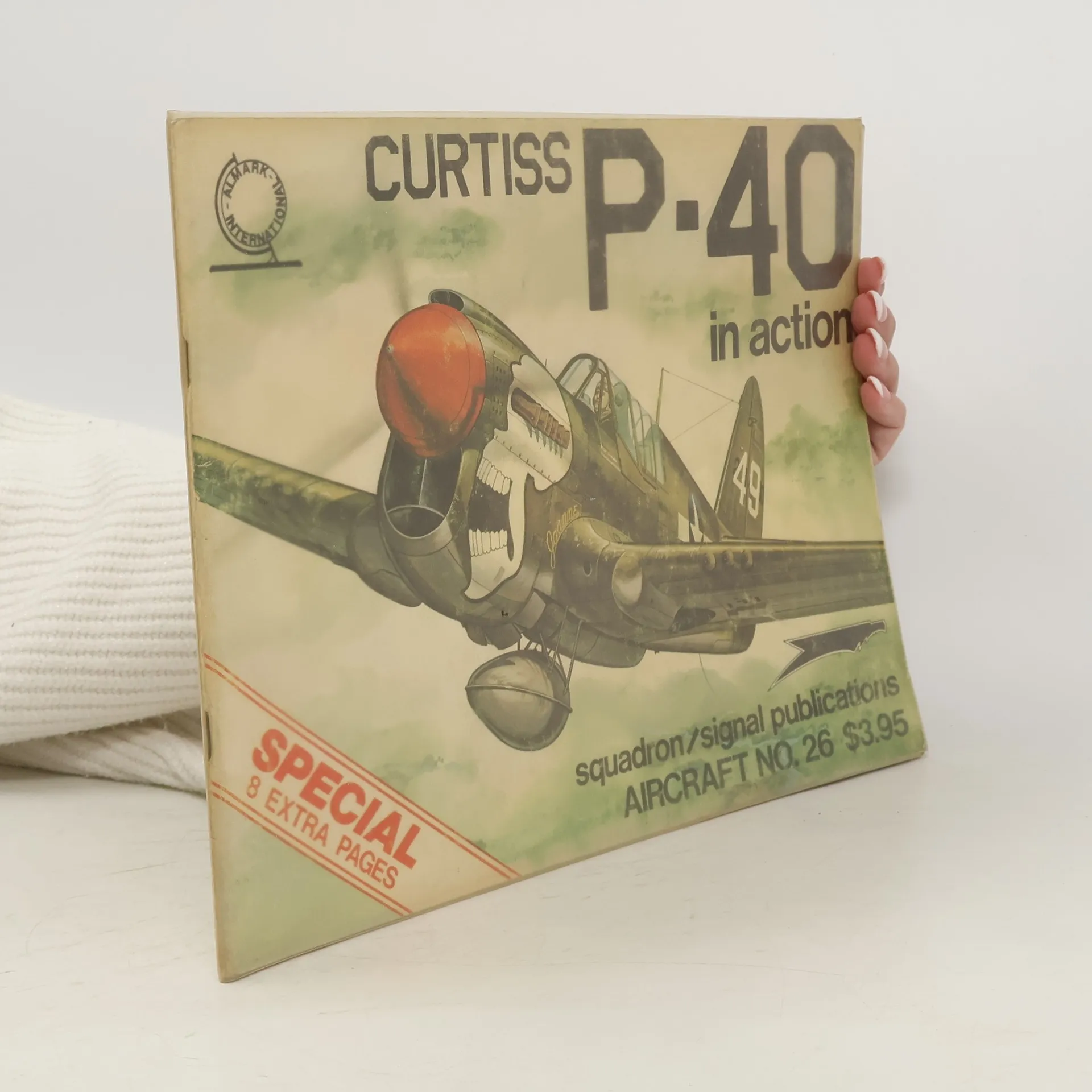
Few aircraft designs have had as odd or complex a background as the P-40 series. In fact one wonders why the Air Corps elected to give the H-75P a designation other than a dash number in the P-36 series since it was basically a re-engined P-36A. Spin-offs from the P-36 design would result not only in the P-40 but the XP-37, XP-42, XP-46, XP-53, XP-60, and XP-62 plus the ones given Y designations and various dash numbers.Ignoring the Curtiss Hawk biplanes, the family tree of the P-40 would seem to have its tap roots in the XP-934 Curtiss Swift of 1932 vintage. Although some experience in the low-wing monoplane type was gained when the company produced its famed Shrike series of attack planes, the Swift, or XP-31 as it was designated by the Air Corps, was their first low-wing pursuit design. By one of those odd quirks, the Swift initially was powered by an in-line engine which gave way to a more powerful radial, just the reverse of the P-36 to P-40 design development. The XP-31 was not successful with either engine and the design was soon abandoned (It did earn the dubious distinction of being the last U.S. pursuit plane with a fixed landing gear). The Curtiss Company's fortunes took a downward turn in the pursuit field when the Boeing P-26A was selected by the Air Corps over the XP-31.