Philip J. Haythornthwaite Bücher
Philip J. Haythornthwaite ist ein international anerkannter Autor und Historiker, der sich auf Militärgeschichte, Uniformen und Ausrüstung spezialisiert hat. Während sein Hauptforschungsgebiet die Napoleonischen Kriege sind, decken seine umfangreichen Publikationen ein breites Spektrum von Epochen ab, von den Englischen Bürgerkriegen bis zum Ersten Weltkrieg. Seine Werke zeichnen sich durch tiefgehende Recherche und Liebe zum Detail aus.
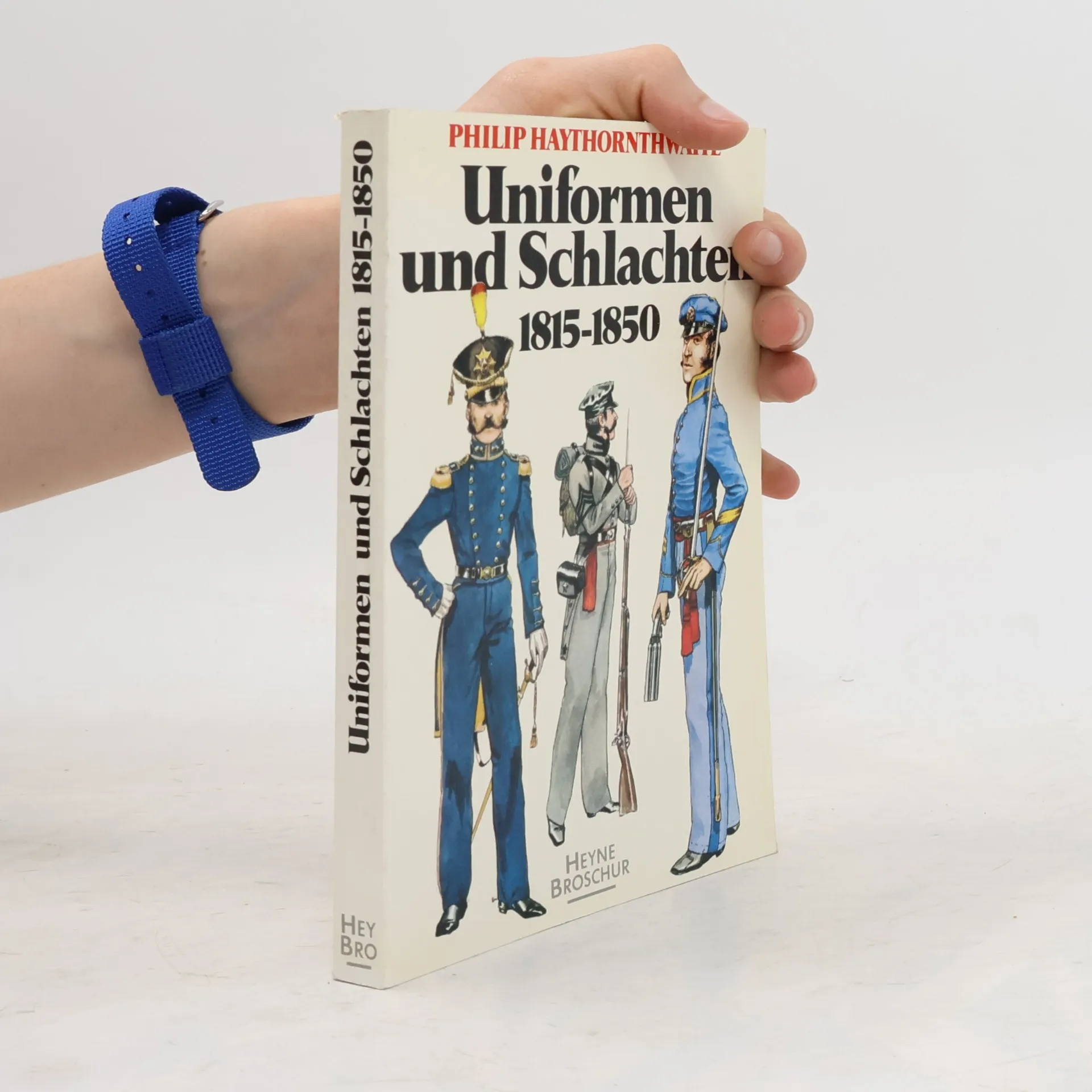
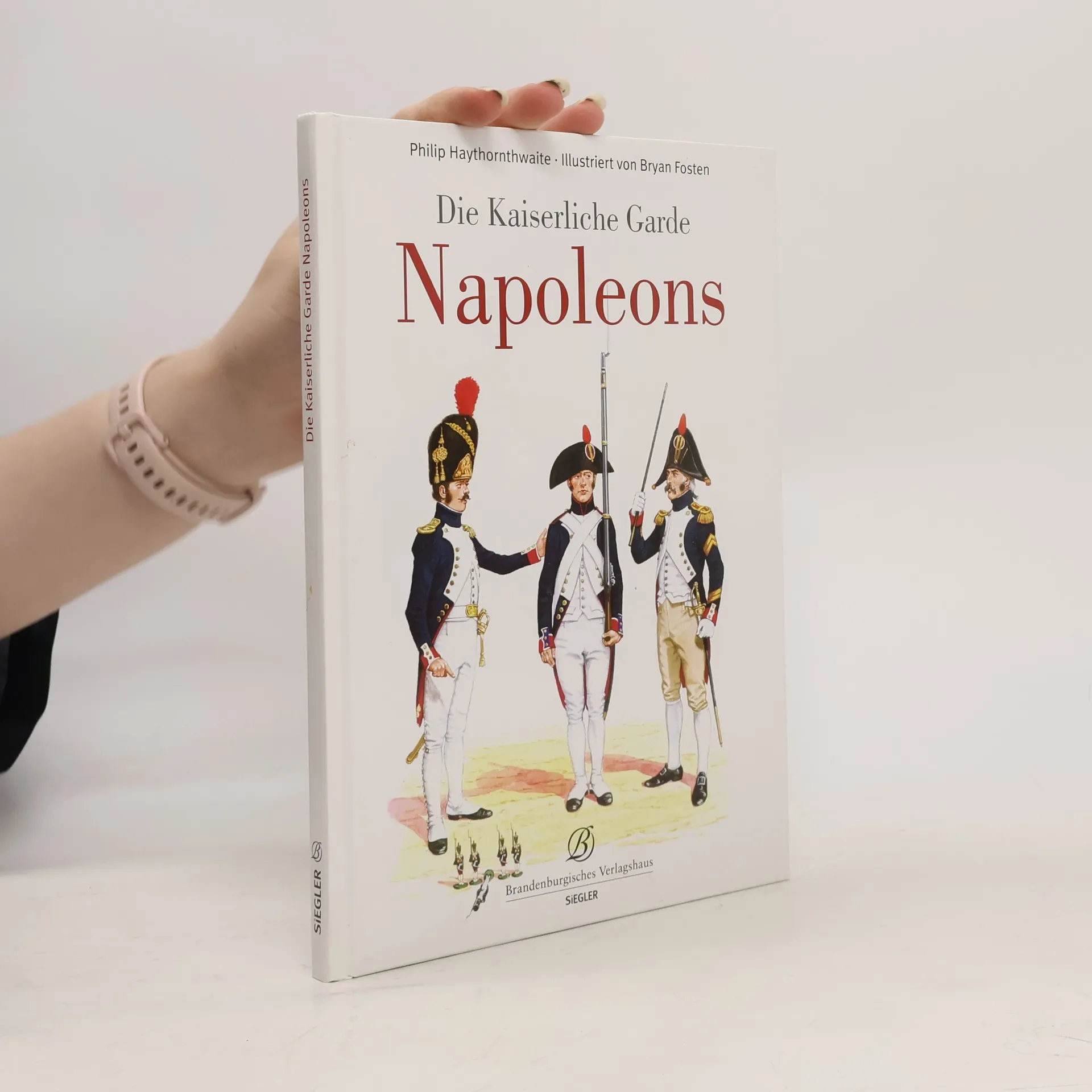
Die Kaiserliche Garde Napoleons
- 96 Seiten
- 4 Lesestunden
Diese Buch erklärt unter anderem die Ausstattung und die Leistungsfähigkeit der Artillerie Napoleons während der revolutionären Kriege.
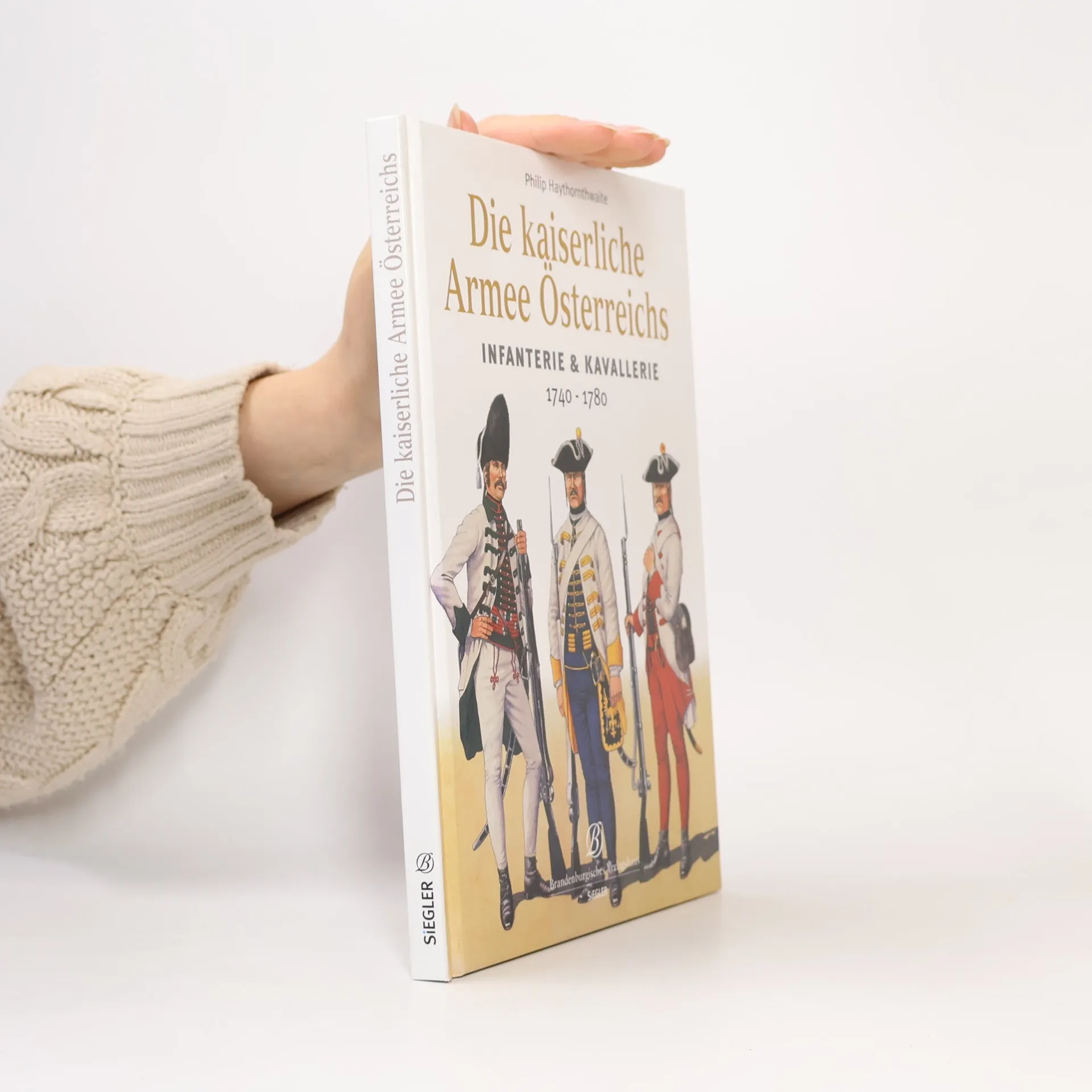
Die kaiserliche Armee Österreichs
- 96 Seiten
- 4 Lesestunden
Österreich spielte eine zentrale Rolle bei den militärischen Auseinandersetzungen in Europa Mitte des 18. Jahrhunderts. Der Tod von Kaiser Karl VI. im Herbst 1740 führte zu einem der ersten großen Kriege jener Epoche. Karls Tochter, Maria Theresia, übernahm die Regentschaft über die habsburgischen Länder und wurde zu einer der wichtigsten historischen Figuren des 18. Jahrhunderts. Ihre Armee war als Spiegelbild der weitläufigen und sehr unterschiedlichen Territorien ein wichtiger Faktor der inneren Einigung des Reiches. Dieses Buch beschreibt detailliert und mit einer Fülle zum Teil farbiger Illustrationen Organisationsstruktur, Uniformen und Ausrüstung der habsburgischen Infanterie und Kavallerie.
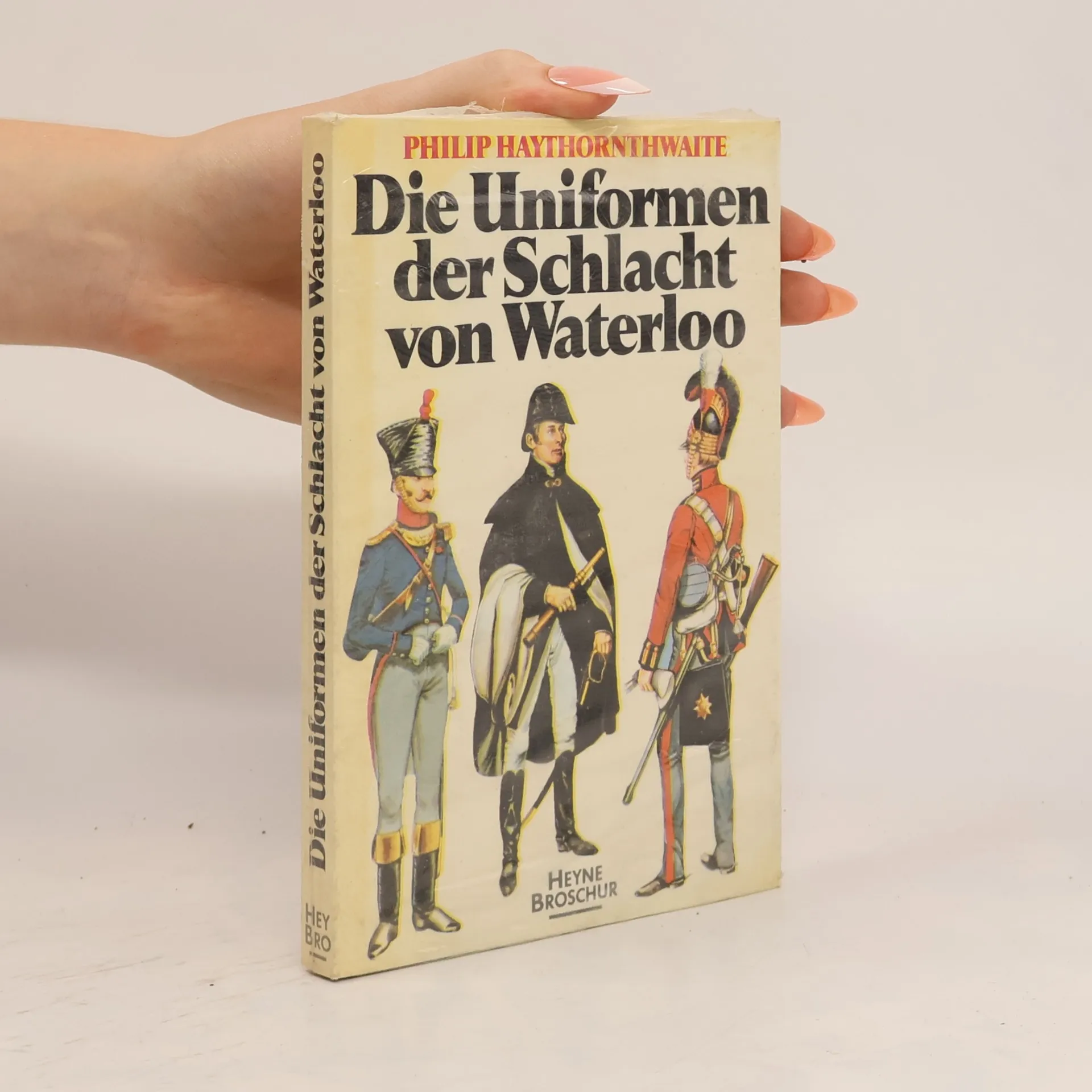
Die Uniformen der Schlacht von Waterloo
- 206 Seiten
- 8 Lesestunden
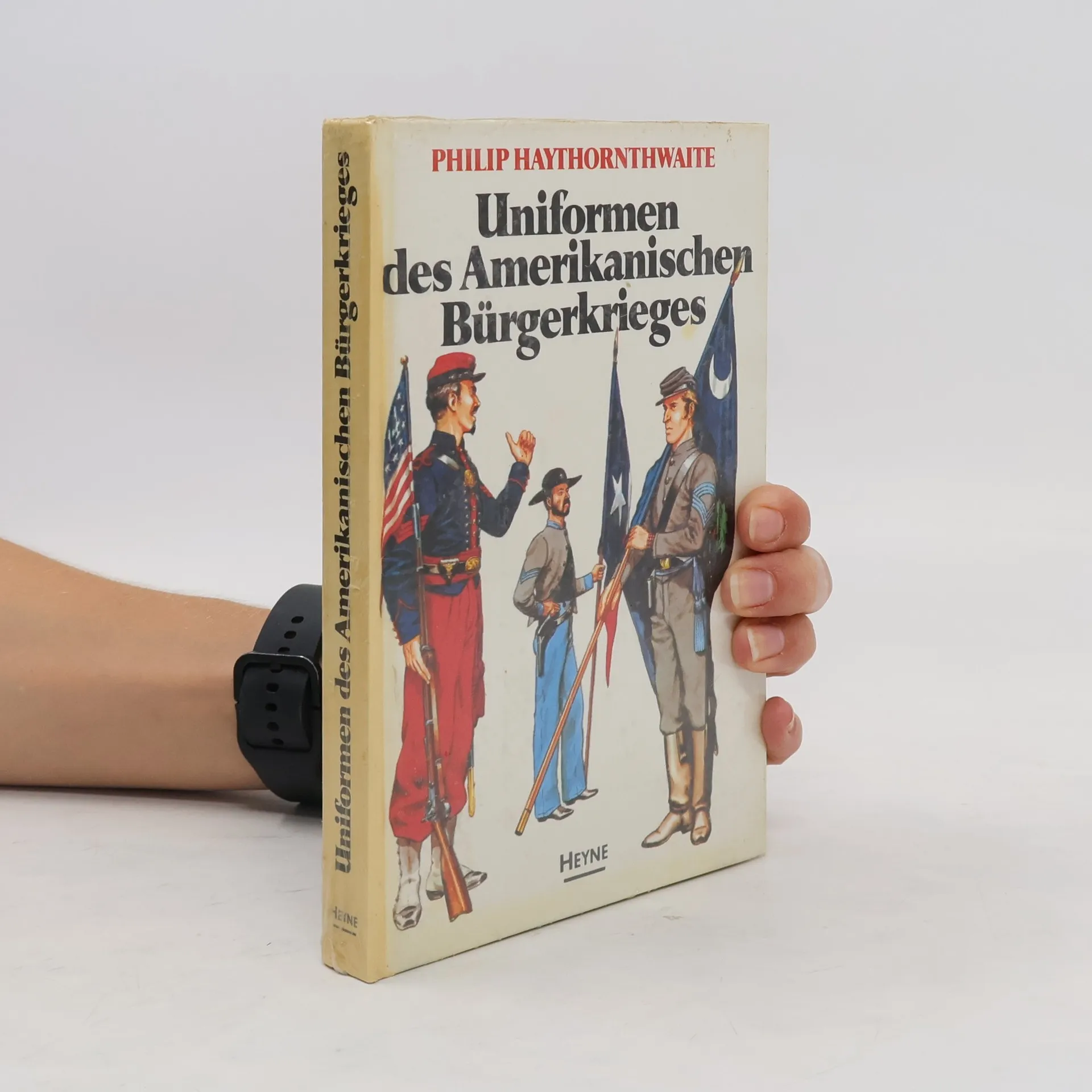
Uniformen des Amerikanischen Bürgerkrieges
- 214 Seiten
- 8 Lesestunden
Uniformen und Schlachten
- 207 Seiten
- 8 Lesestunden
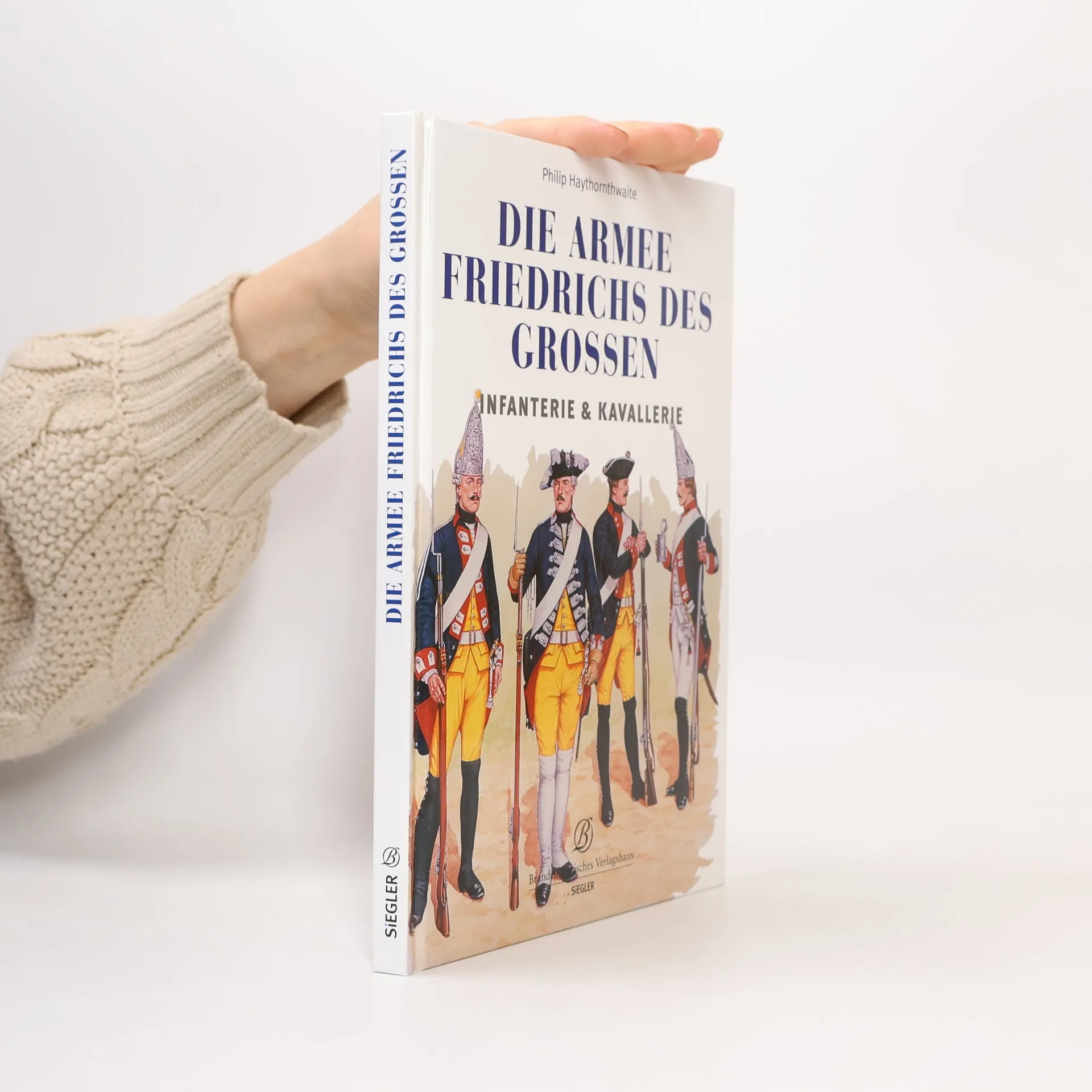
Die Armee Friedrichs des Großen
- 95 Seiten
- 4 Lesestunden
Die Armee des Preußenkönigs Friedrich II., "des Großen", erlangte historische Berühmtheit vor allem wegen ihrer militärischen Leistungen im Siebenjährigen Krieg (1756-1763), als sich die europäischen Großmächte feindlich gegenüber standen. Aufbau und Disziplin der Truppe wurden zum Vorbild für zahlreiche andere europäische Armeen. Das vorliegende Buch beschreibt die innere Struktur, die Taktiken und die Uniformen von Infanterie und Kavallerie der Armee Friedrichs des Großen mit kenntnisreichem Text und angereichert mit zahlreichen, zum Teil farbigen Illustrationen.
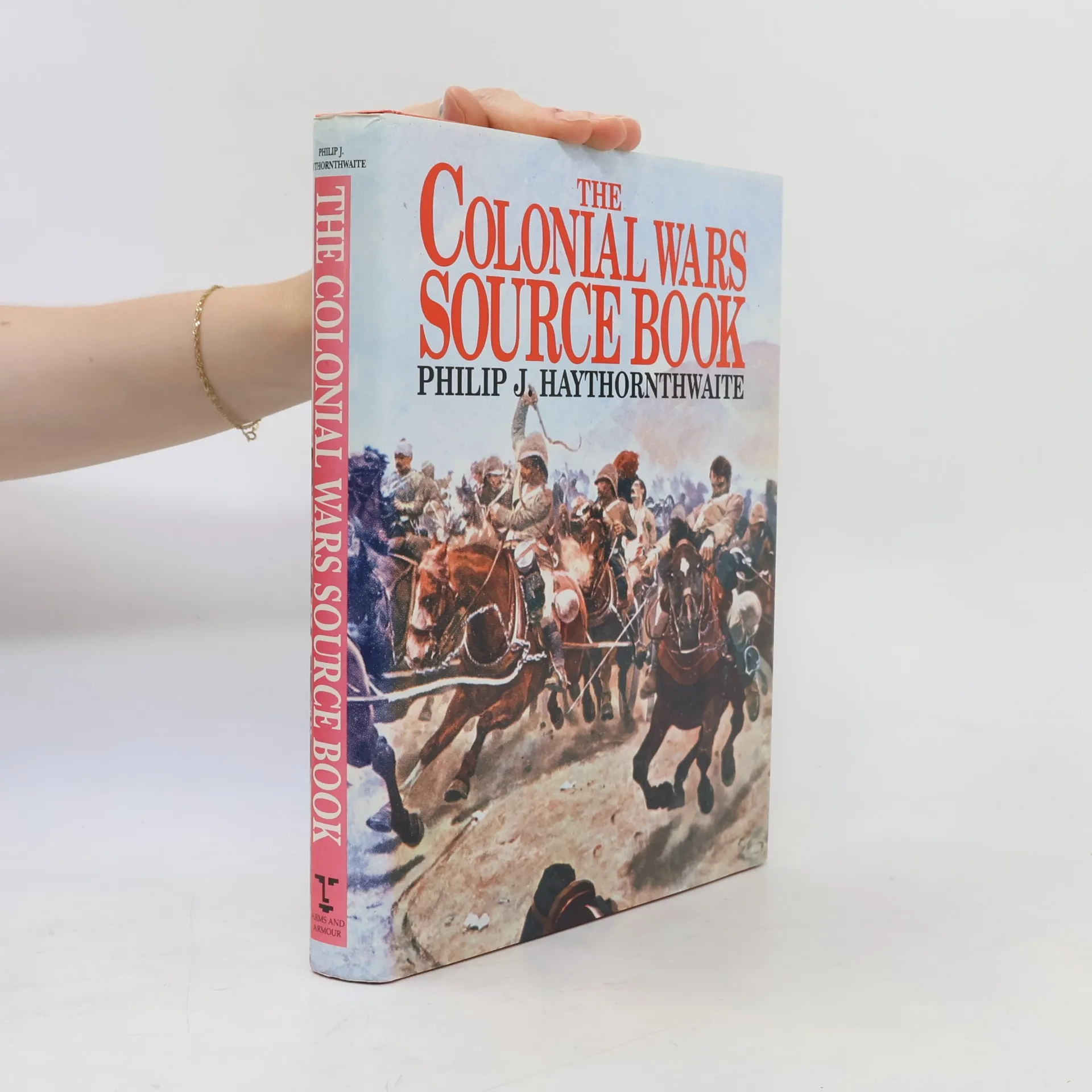
The Colonial Wars Source Book
- 384 Seiten
- 14 Lesestunden
In the style which caused his Napoleonic Source Book and World War One Source Book to become mainstays of military history since their publication, Philip Haythornthwaite again brings his orderly thoroughness to the evaluation of the colonial warfare which afflicted the world in the 19th century.The author has a masterly grasp of the most important element of grand strategy and the less vital but no less studied, aspects of uniform and equipment. He provides the finest single-volume narrative reference on the subject with full coverage of events involving Britain, the Americas, Africa, the Far East, the Indian subcontinent and Australasia.In addition to matters of battlefield action, weapons and tactics, the composition of the forces involved and the outcome and effect of campaigns, The Colonial Wars Source Book provides biographical details of the important personalities involved, an extensive glossary, a full chapter of sources and sundry fascinating quotes and anecdotes which interweave the entertaining and informative text.Philip Haythornthwaite's earlier Source Books have been acclaimed as compendiums of information, vital components in the library of any military history student, and a treasure trove of illustration; these qualities are all present in this outstanding contribution to the study of colonial warfare.
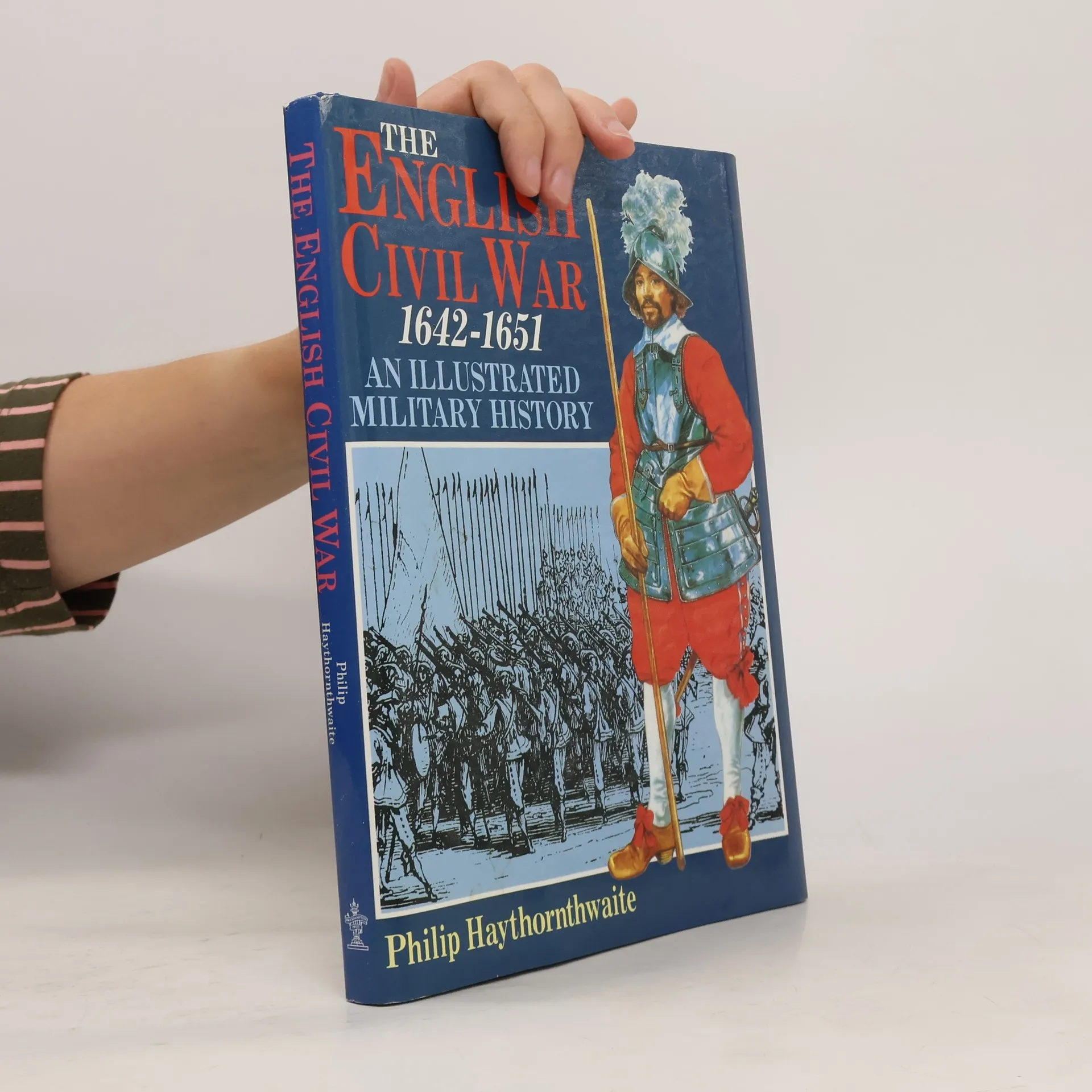
A detailed and compelling account of the English Civil War. The text in this title, concentrates upon the military events of the Civil Wars, the armies, their composition, equipment and life, but includes as much of the 'general' history of the Civil Wars as is necessary to illuminate the causes and influences upon the military aspects. The published literature concerning the wars is vast, and aided by the notes and bibliography the reader will be able to pursue in greater depths those topics which are contained in this book.
Napoleon's Commanders (1): C.1792-1809
- 64 Seiten
- 3 Lesestunden
Victory or defeat on the Napoleonic battlefield was dependent on the skills, reactions and personalities of individual commanders. Even under a military genius such as Bonaparte, the dispersal of his armies on campaign and the lack of fast communications left command and control of the different corps and divisions in the hands of his marshals and generals. Illustrating the appearance of more than two dozen of Napoleon's leading colleagues and subordinate commanders, this first in a pair of Elite titles describes in concise but colourful detail their careers and personalities in the Revolutionary Wars and the Napoleonic campaigns up to 1809.
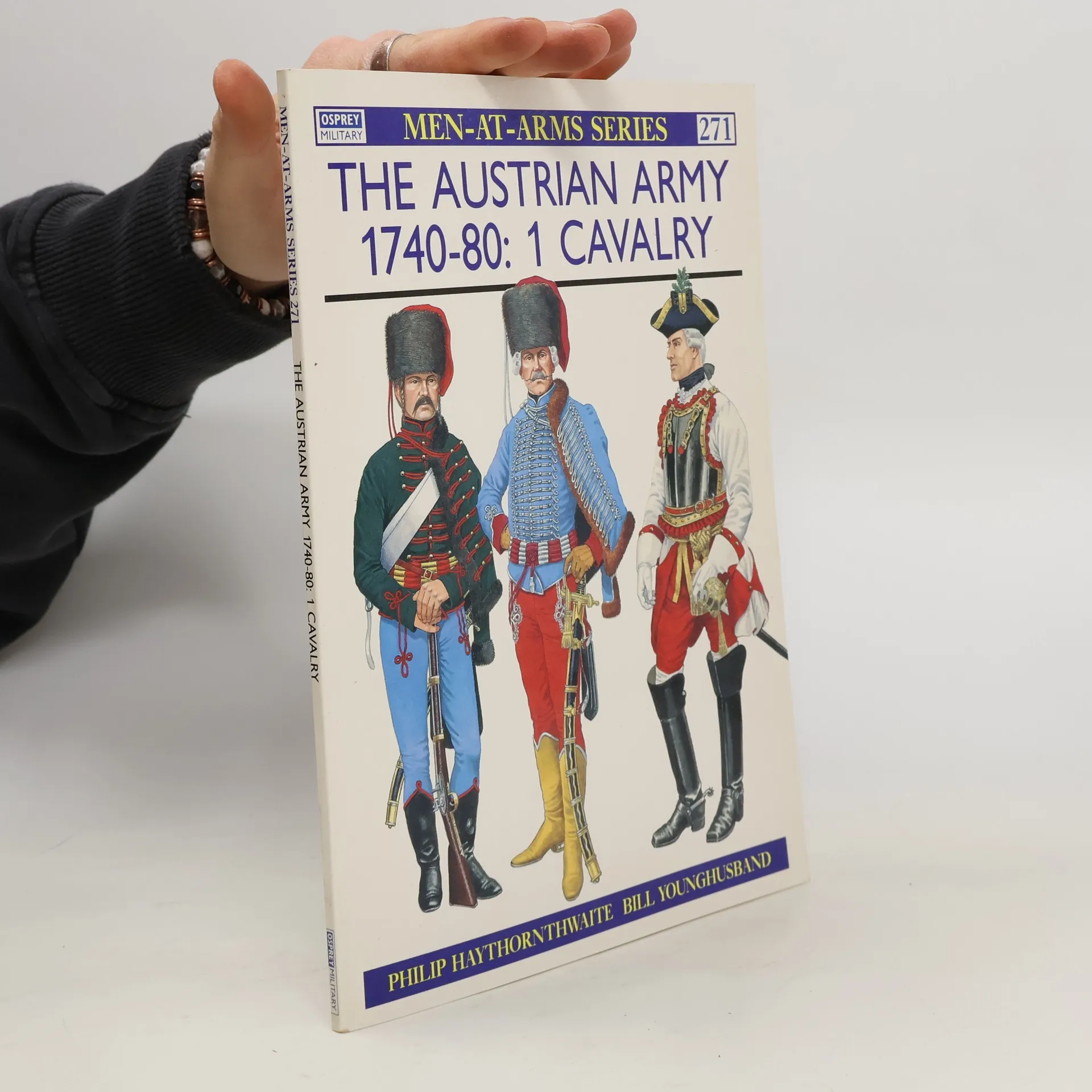
The Austrian Army, 1740-80
- 48 Seiten
- 2 Lesestunden
Describes the uniforms, weaponry, military practices and tactics of the Cavalry of Maria Theresa's army. This book also records the history of the army's campaigns, and is illustrated with contemporary images, detailed diagrams and colour plates.
Wellington's Specialist Troops
- 48 Seiten
- 2 Lesestunden
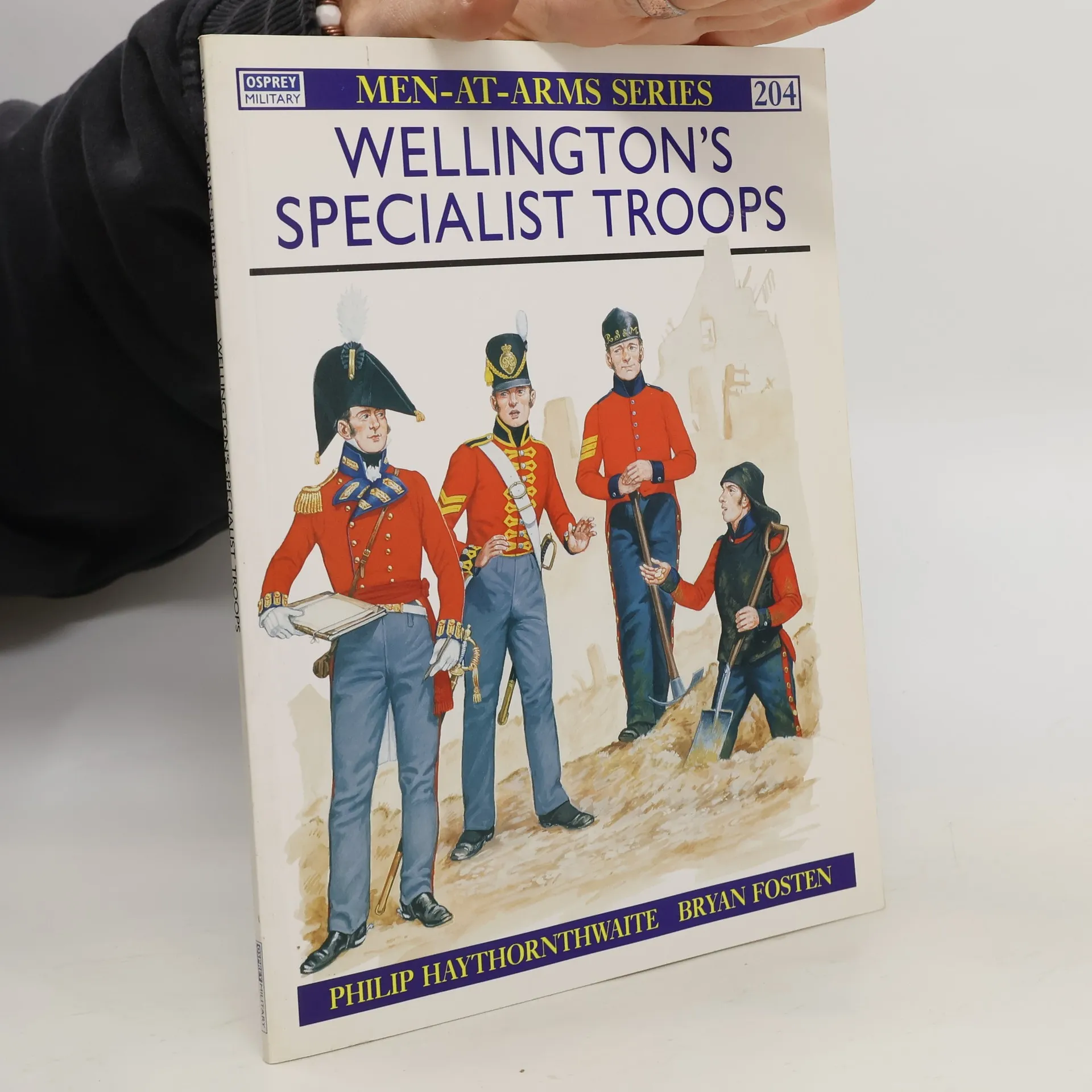
The specialist troops of Wellington's army played a crucial role in the success of the British Army. Though often understaffed and ineptly managed, the artillery, engineers, transport and commissariat, and medical services contributed to Wellington's ultimate victory in 1815. The Royal Artillery and Corps of Royal Engineers comprised a small number of highly trained officers, while the commissariat was composed of untrained civilians outside military discipline, and the medical services suffered from a shortage of trained surgeons. This richly illustrated book examines the organization, uniforms and equipment of each of these specialist departments.
Frederick the Great’s Army (1)
- 48 Seiten
- 2 Lesestunden
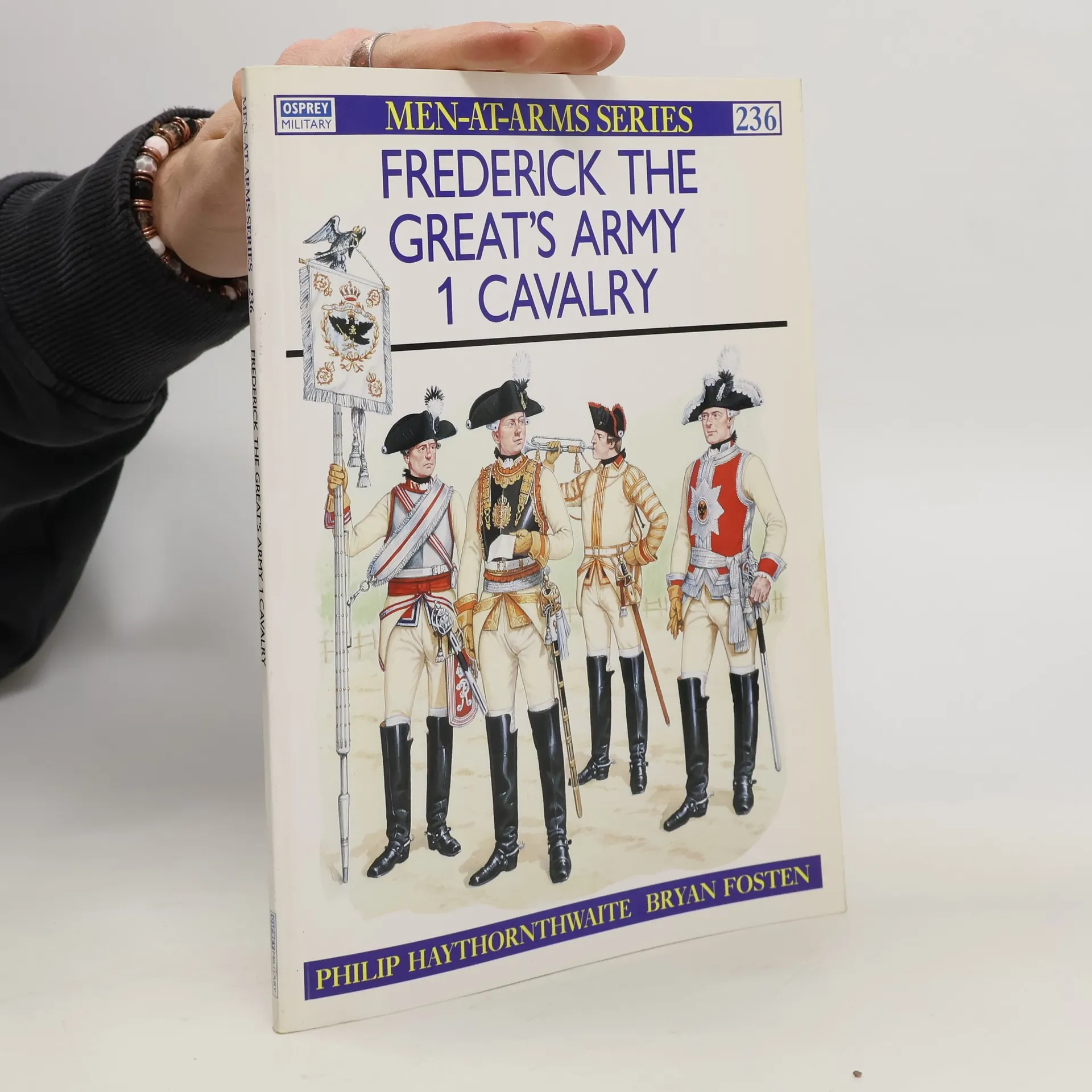
The Prussian army of King Frederick II, 'the Great', became so renowned as a result of its campaigns, principally during the Seven Years' War (1756-1763), that it was regarded as a model for many of the other armies of Europe. In this first of two volumes exploring Frederick the Great's splendid army, Philip Haythornwaite examines the organization, tactics and uniforms of his cavalry troops, in a text backed by numerous illustrations including eight full page color plates by Bryan Fosten.
Napoleon's Guard Infantry (1)
- 48 Seiten
- 2 Lesestunden
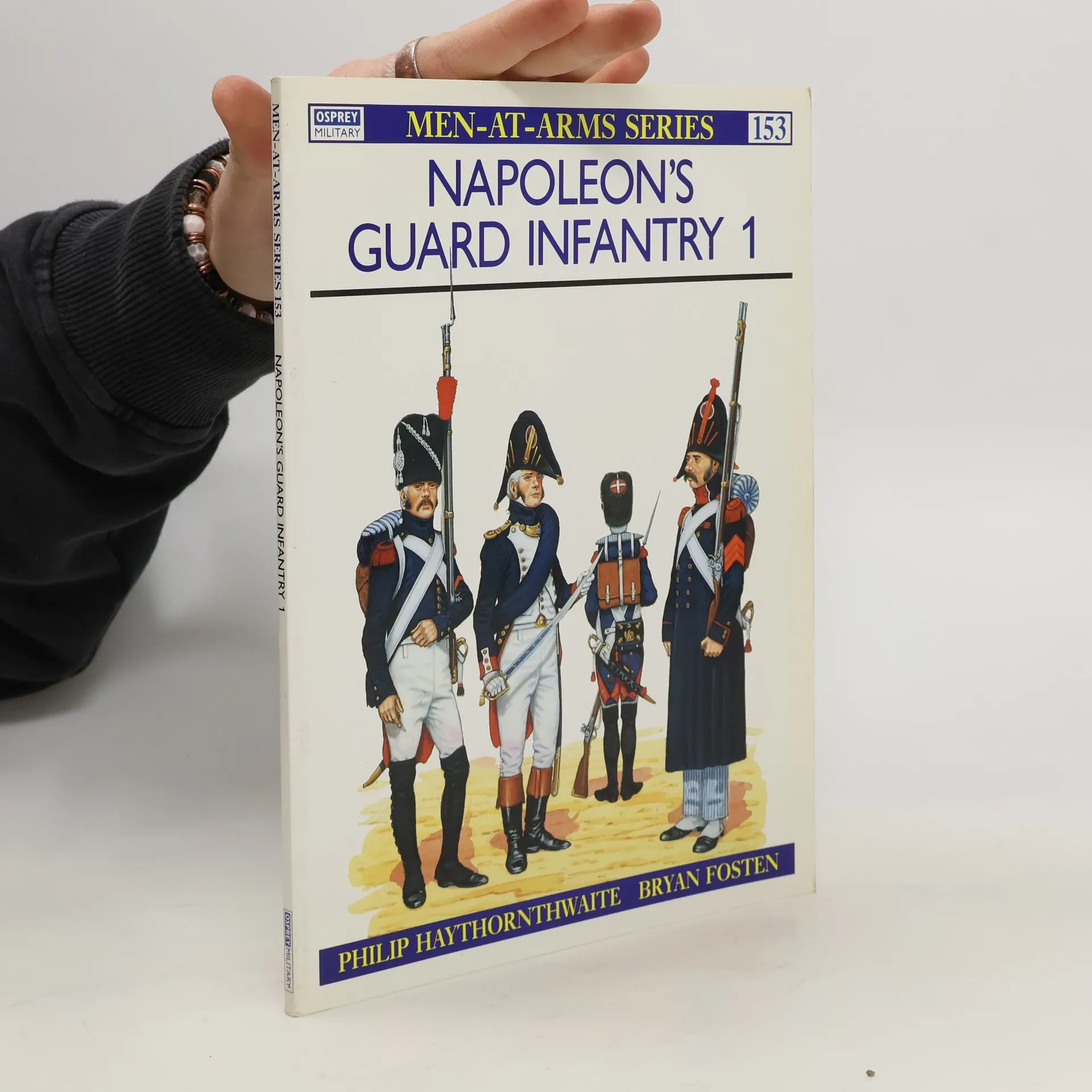
The concept of the bodyguard is as ancient as the practice of an individual assuming the leadership of a group or tribe. From the Companions of Alexander to the Varangians of Byzantium, bodies of élite warriors, owing personal allegiance to their sovereign and obeying no others, have illuminated or stained the annals of military history. Napoleon's Imperial Guards probably represent the last true link in a chain spanning the ages. Philip Haythornthwaite describes the history, organization and equipment of Napoleon's Guard Infantry during the Napoleonic Wars period (1799-1815) in an engaging work which includes numerous illustrations and eight full page color plates superbly drawn by Bryan Fosten.
Austrian Specialist Troops of the Napoleonic Wars
- 48 Seiten
- 2 Lesestunden
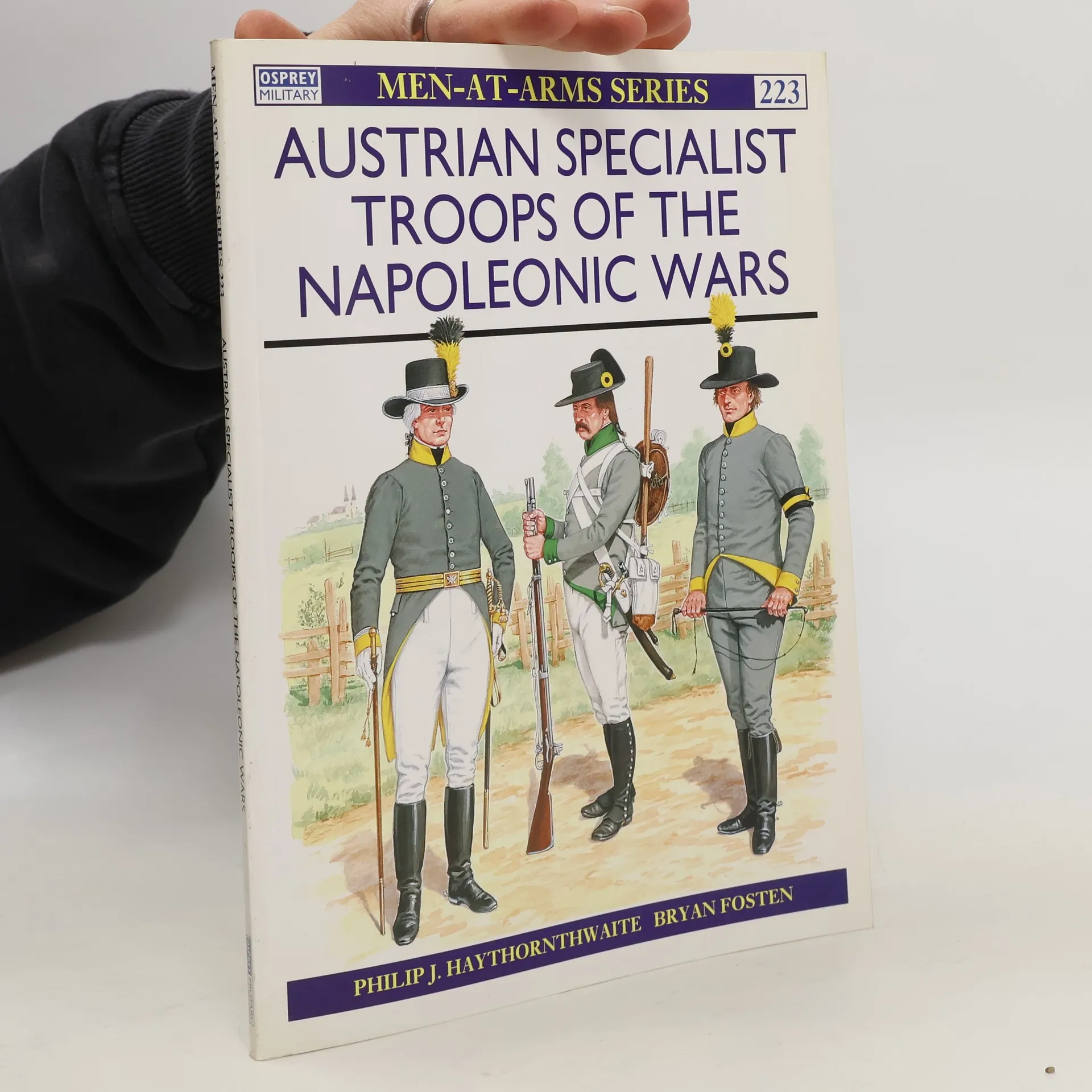
The specialist troops of the Austrian forces helped to secure Austria's reputation as the most formidable of Napoleon's continental enemies. Due largely to the efforts of Prince Liechtenstein, by the late 18th century the Austrian artillery had been the finest in Europe, and was held up as an example to the world. This text examines the famed Austrian artillery and other specialist troops of the Napoleonic Wars (1799-1815), including the Pioneers, Pontooneers, engineer services and medical service, detailing their organisation, equipment and uniforms in a volume complete with accompanying illustrations and colour plates.
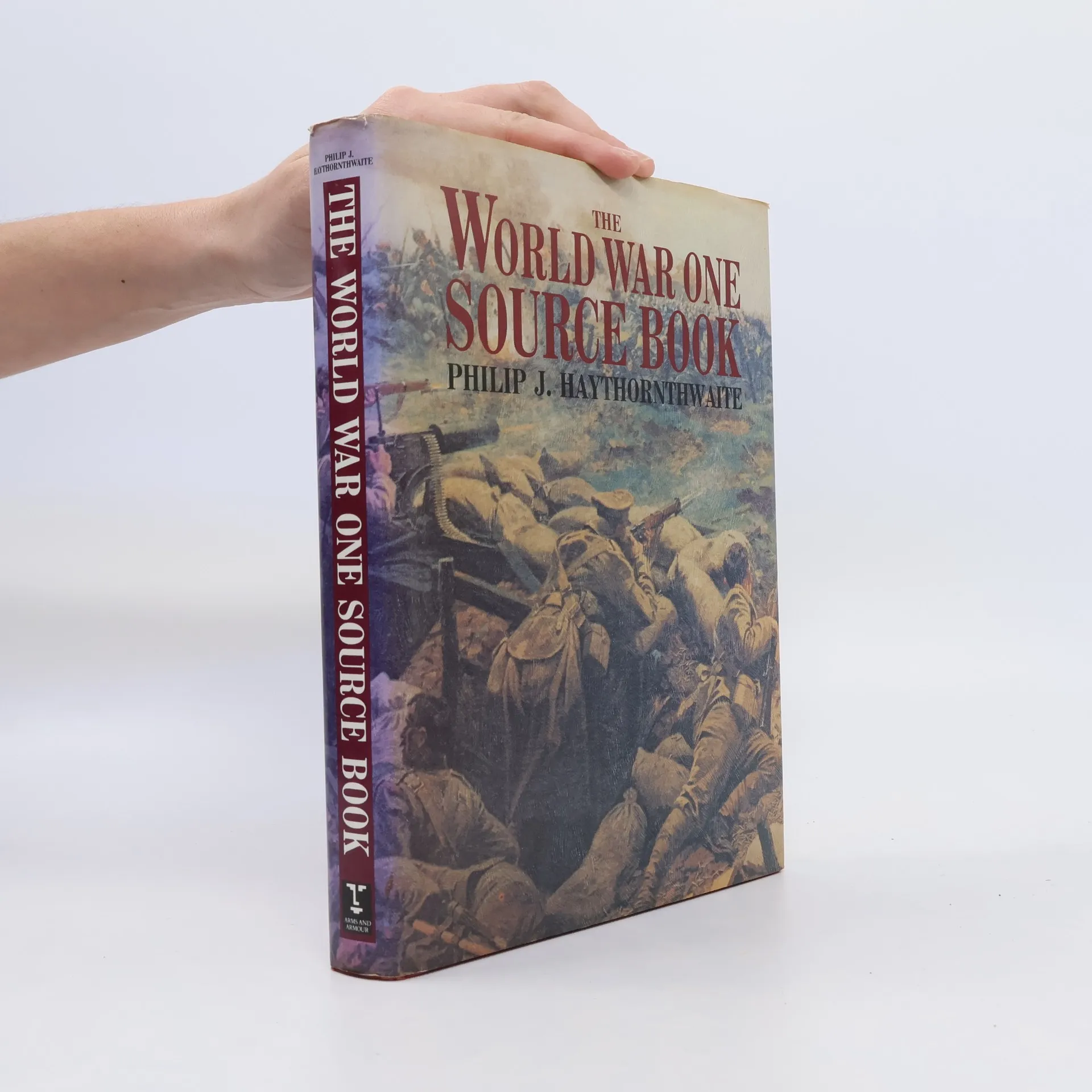
This is a unique reference source on the armies, battles, weapons and leaders of the first of the great wars that shook Europe and the World during the twentieth century. There are over 250 contemporary photographs and engravings and clear maps that illustrate the principal battles and campaigns. The book includes: * The Campaigns: chronology, battles * The Weaponry: arms, strategy, tactics on land and sea * The Warring Sides: armies, navies, leaders and led * The Commanders: the significant leaders and characters * The Sources: contemporary records, books, graphic arts, photography and videos * Miscellanea: statistics, pay, clothing issue, weapons performance etc. * Glossary of period and technical terms
Imperial Guardsman 1799–1815
- 64 Seiten
- 3 Lesestunden
Napoleon's Imperial Guard was one of the most famous military formations in history. The Imperial Guard could perform ceremonial duties as well as any, but it was primarily as an élite combat formation of the army that it excelled. Although it would expand to represent a considerable portion of France's military establishment, it remained Napoleon's personal guard during the Napoleonic Wars (1799-1815) and was accorded care and attention which set its members above the rest of the army. In this book, Philip Haythornthwaite examines their lives, organisation and privileges, paying particular attention to how their experience differed from those of the regular French line units.
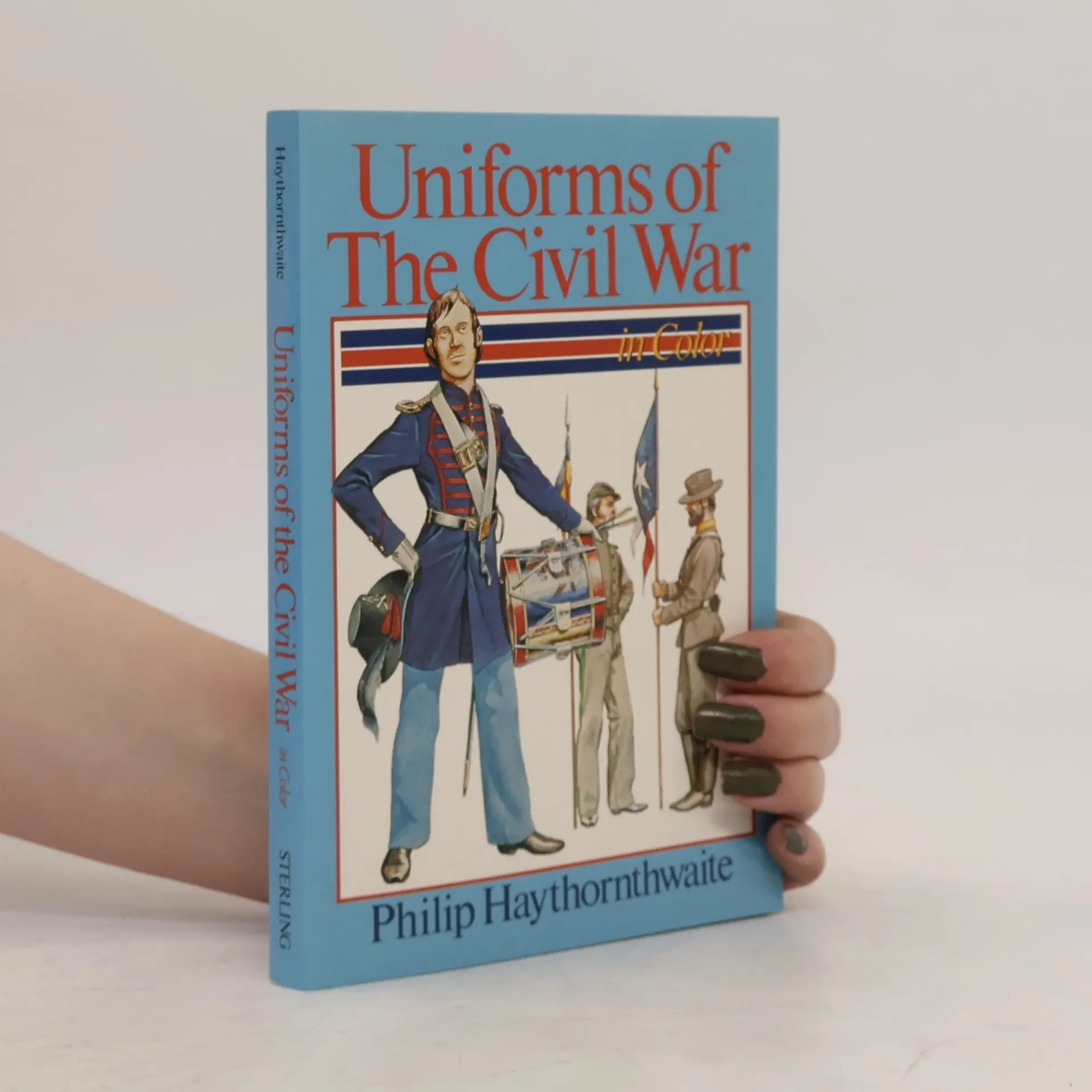
Uniforms of the Civil War in Color
- 192 Seiten
- 7 Lesestunden
Provides visual and descriptive surveys of the variety of uniforms worn by Union and Confederate units
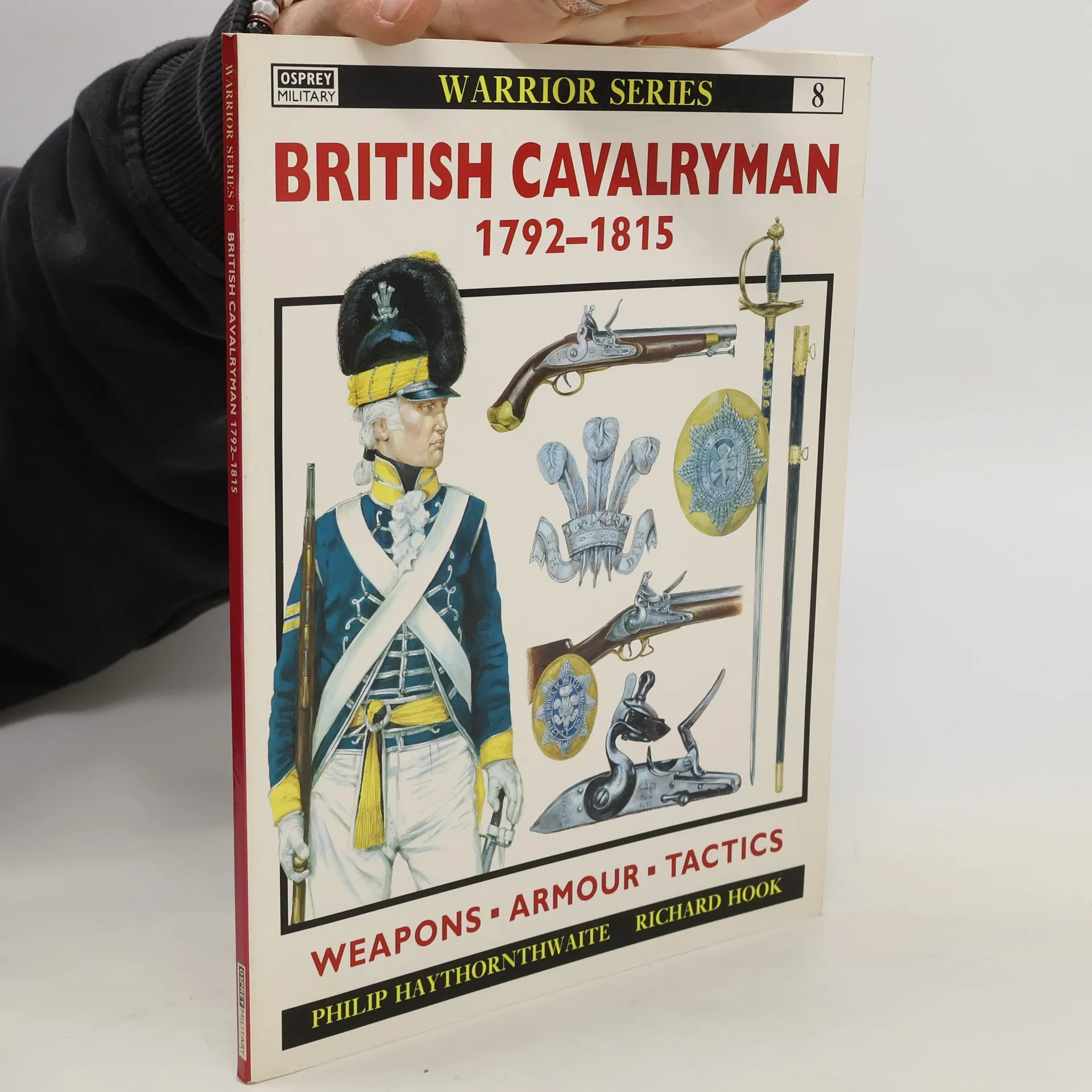
In the campaigns of the French Revolutionary (1792-1802) and Napoleonic Wars (1799-1815), the deserved reputation of the British infantry has tended to overshadow the contribution of the cavalry, but in fact they did form an integral part of the army, carrying out duties crucial to the success of other arms. British Cavalryman 1792-1815 recounts what these duties were and examines the men who performed them. The different regiments of the cavalry are listed and some of the arm's more exotic or professional corps, such as the King's German Legion, examined.
Nelson's Navy
- 64 Seiten
- 3 Lesestunden
Despite the many celebrated victories of the British Army during the Napoleonic Wars (1799-1815), the role of the Royal Navy should never be overlooked. The 'wooden walls' formed the country's first and most important line of defence, and ranged throughout the world to protect Britain's trade-routes and in support of the land forces and overseas possessions. This book covers the huge variations in uniforms not just in the Navy but the Royal Marines and Infantry regiments which served alongside naval crews. It also looks at the organisation, training and recruitment of the force and corrects a number of misconceptions regarding impressment and training.
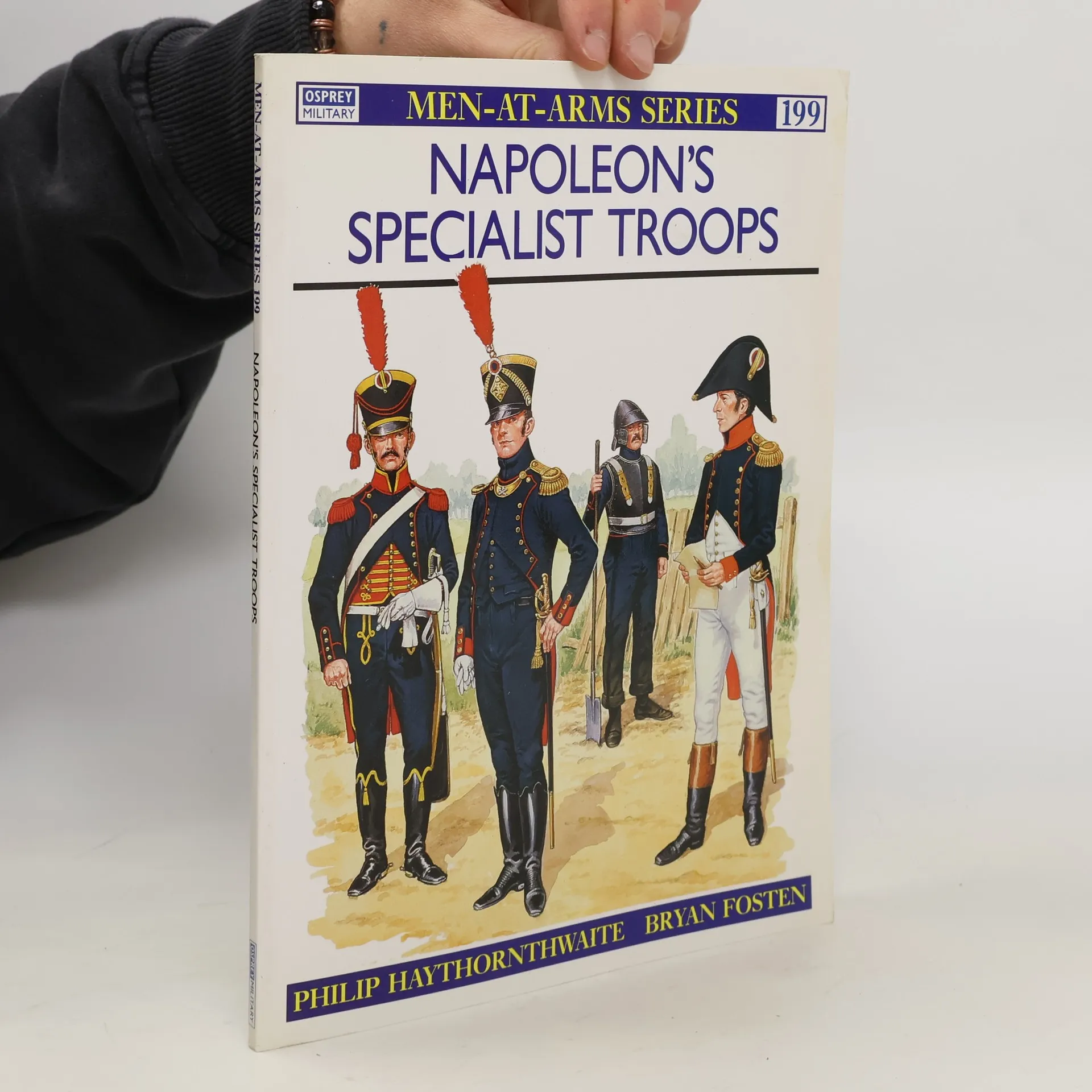
Napoleon's Specialist Troops
- 48 Seiten
- 2 Lesestunden
Though less celebrated than the infantry and cavalry, Napoleon's 'specialist' troops – artillery, engineers and supporting services – were indispensable elements without which no army could have operated, and frequently assumed greater significance than the line regiments. Indeed, having suffered least from the emigration of Royalist officers, the artillery was the best element of the early Republican armies, the nucleus of the old Royal artillery serving with distinction in the early campaigns such as Valmy. The organisation and uniform of Napoleon's specialist troops are here examined by Philip Haythornwaite in a engaging volume complemented by a wealth of illustrations including eight full page colour plates by Bryan Fosten.
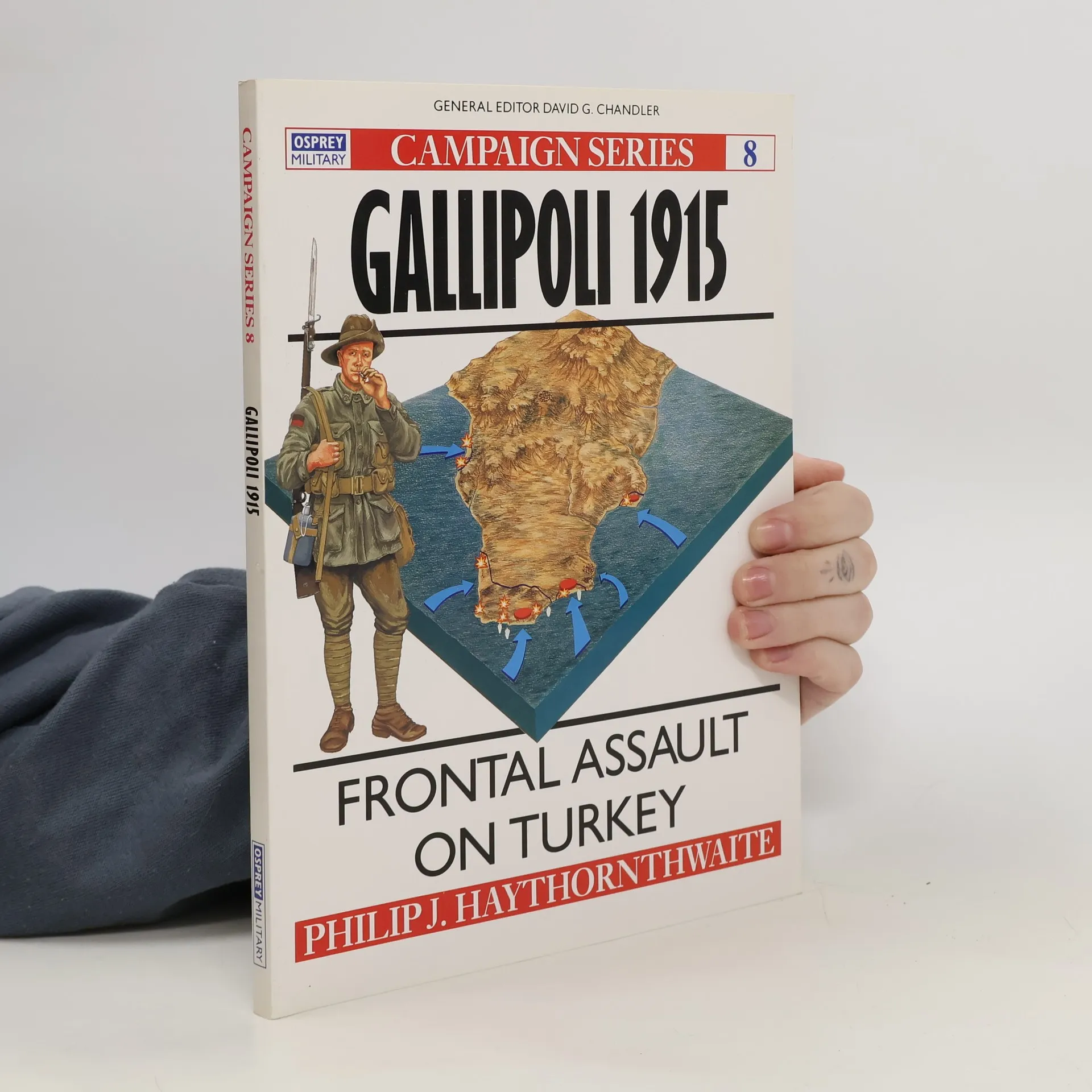
Gallipoli 1915
- 96 Seiten
- 4 Lesestunden
The Gallipoli expedition of 1915, the brainchild of Winston Churchill, was designed to knock the Turkish Empire out of the First World War and open a supply route to Russia. The campaign is characterised by the military incompetence of the higher commands, particularly the Allies. However, in spite of this, Gallipoli deserves to be, and is, also remembered for the heroism and resourcefulness of both the British army and the men of the Australian and New Zealand Army Corps. This book details the battles, hardships and eventual evacuation that these men had to go through, in this comprehensive guide to the Gallipoli landings of World War I (1914-1918).
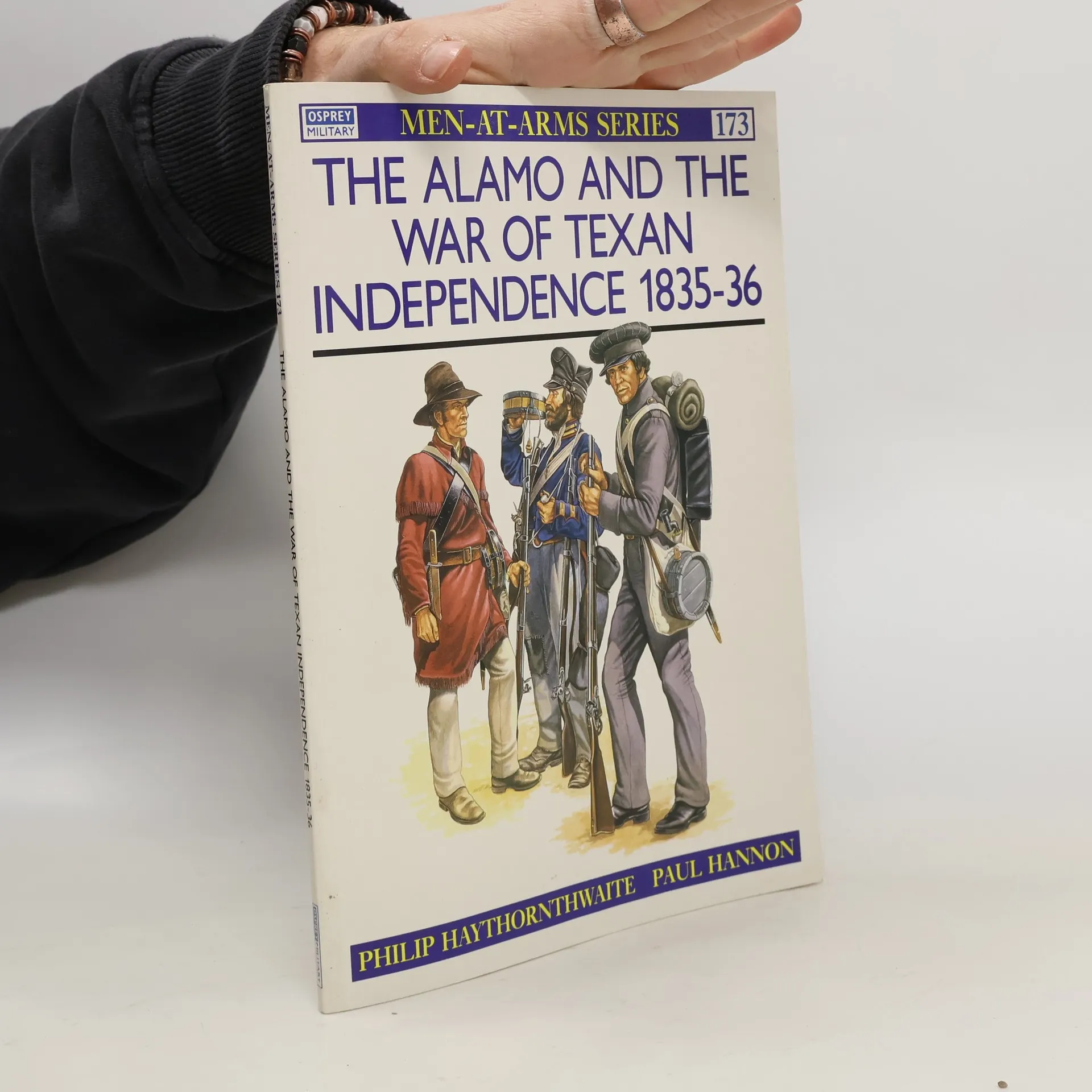
The Alamo and the War of Texan Independence 1835–36
- 48 Seiten
- 2 Lesestunden
In 1823 Texas was opened to American settlement; over the next 12 years thousands took advantage of the opportunity. During this time the corrupt Santa Anna rose to power. A dishonest and ruthless politician, thief, compulsive gambler, opium addict and liar, he nevetheless gained a measure of popular support and set about destroying federalism. Conflict with the American settlers ('Texians') became inevitable, a conflict which included the legendary Battle of the Alamo. Philip Haythornwaite covers the story of the War of Texan Independence (1835-1936) in a volume backed by a wealth of illustrations and photographs, including eight full page colour plates by Paul Hannon
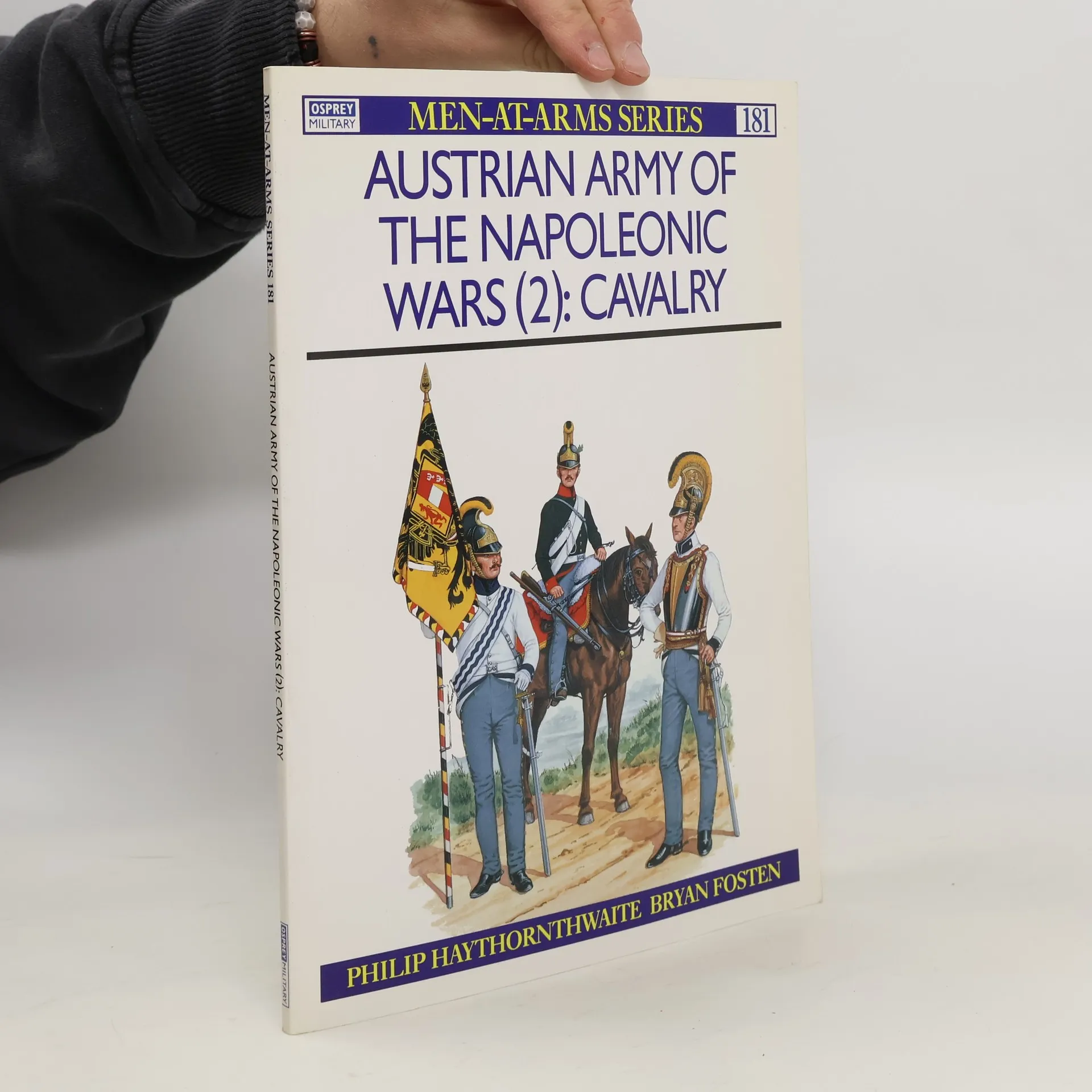
Austrian Army of the Napoleonic Wars 2
- 48 Seiten
- 2 Lesestunden
The mounted troops of the Hapsburg Empire comprised one of the most powerful forces of the Napoleonic Wars (1799-1815). However, from the outset the cavalry's higher command was less capable than its infantry counterpart: appointments were influenced by nepotism and politics, which resulted in commands often being given to those who lacked experience. The cavalry underwent many re-organisations and expansions in the course of the wars that attempted to redress these matters, and to modernise the force as a whole. This title examines these processes and documents in detail the tactics, uniforms and equipment of the Austrian cavalry, covering Cuirassiers, Dragoons, Chevauxlegers, Hussars, Uhlan (lancer) and auxiliary units.
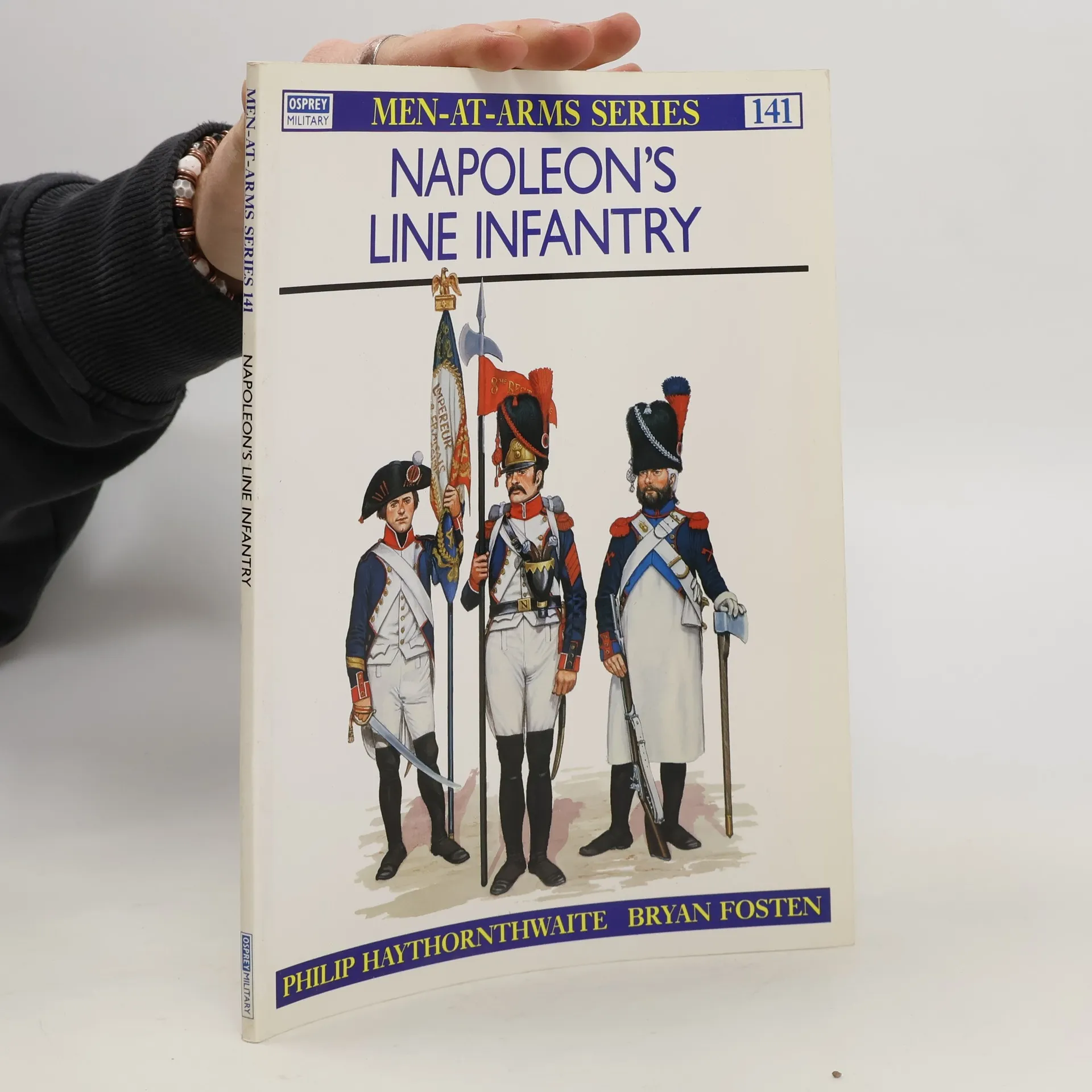
Napoleon's Line Infantry
- 48 Seiten
- 2 Lesestunden
Napoleon's line infantry was founded upon that of the Ancien Régime. A total re-organisation began on 1 January 1791 with the abolition of the old regimental titles, and over the next two years an increasing number of conscript and volunteer battalions were formed. Their quality varied from the proficiency of the early National Guard regiments to the untrained and ill-equipped rabble of the levée. To combine the discipline and steadiness of the regular army with the revolutionary fervour of the new army, the Amalgame was decreed on 21 February; by this measure each regular battalion became the nucleus of a new Demi-Brigade.
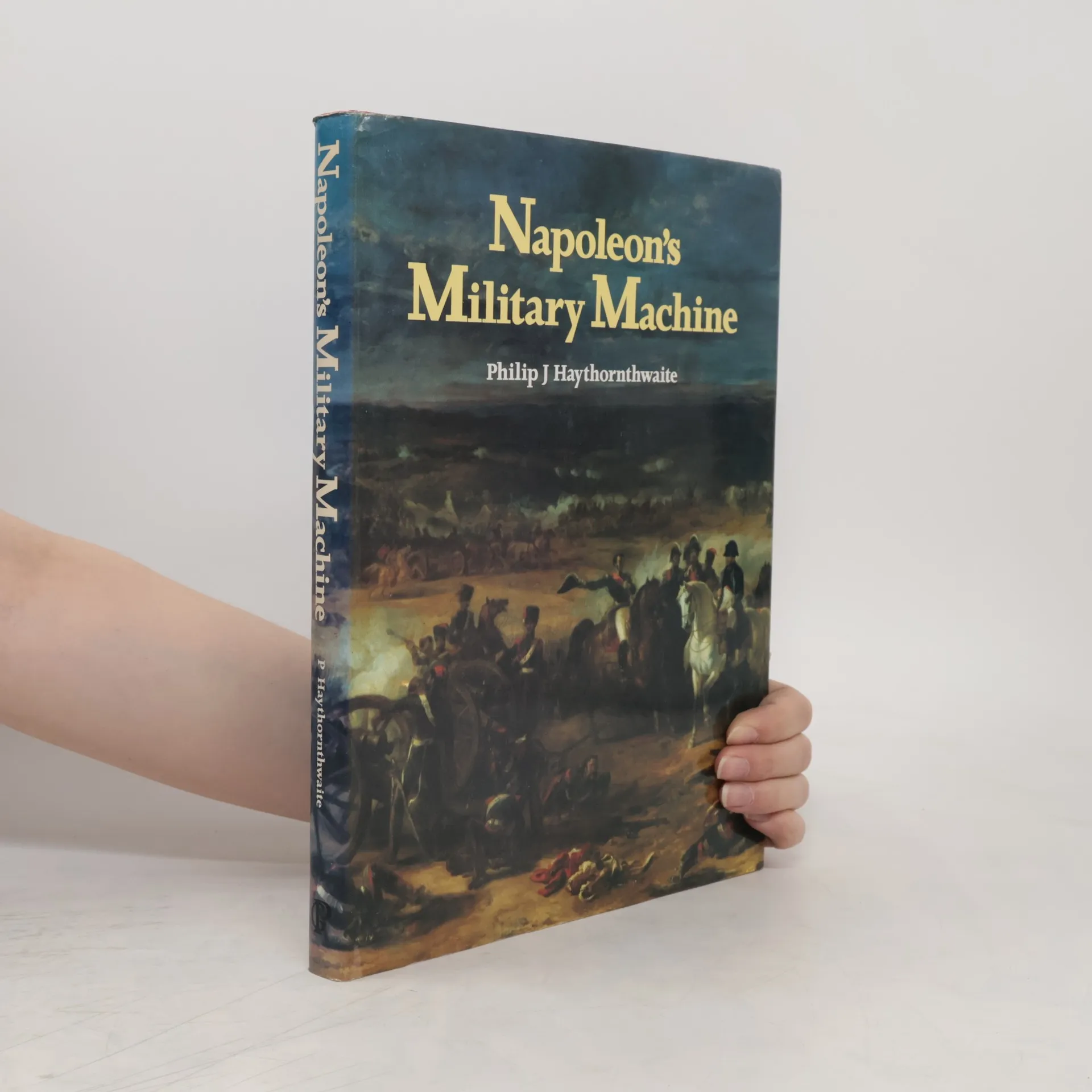
Napoleon's Military Machine
- 200 Seiten
- 7 Lesestunden
An analysis of how Napoleon transformed the armies of the French Revolutionary Wars.
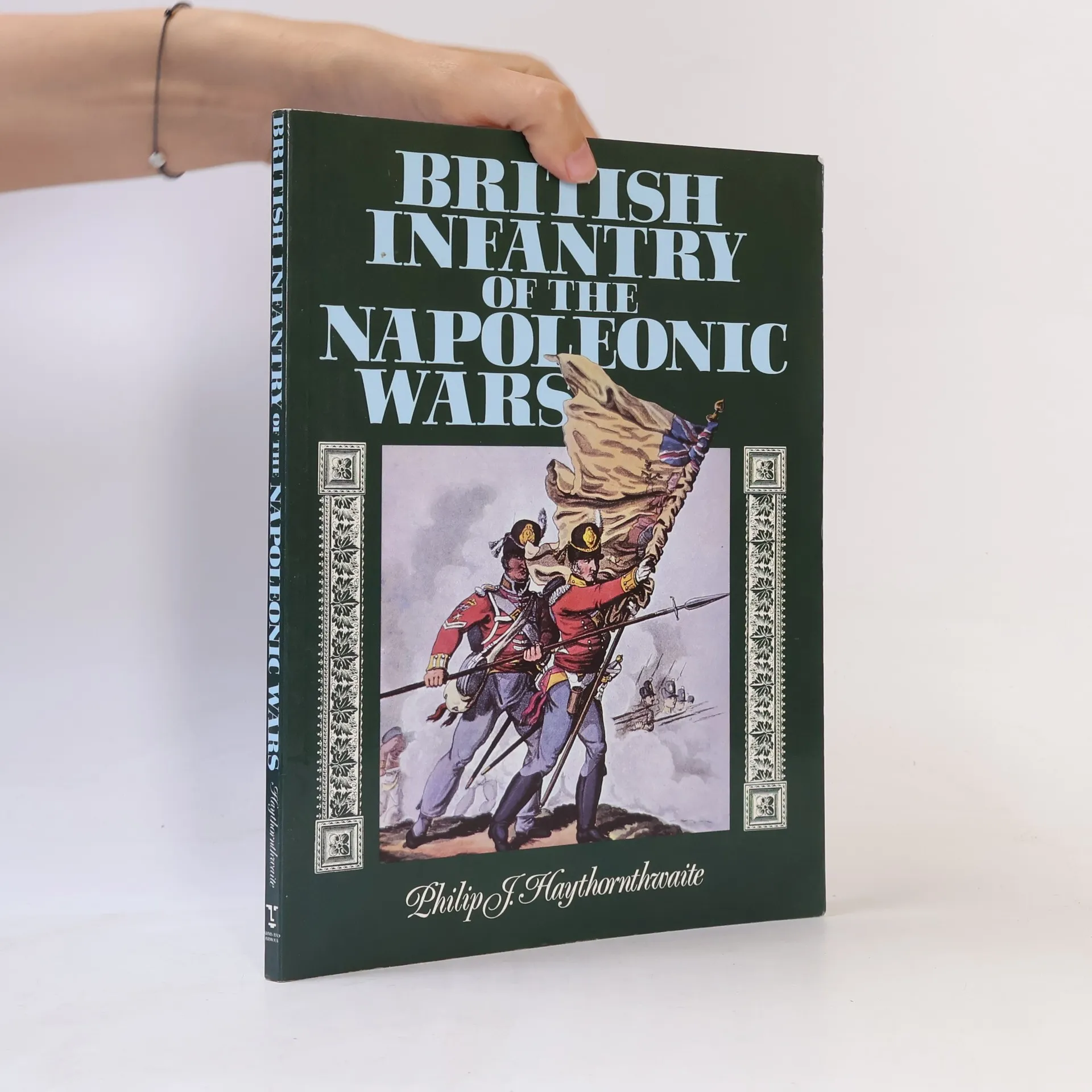
British Infantry of the Napoleonic Wars
- 104 Seiten
- 4 Lesestunden
Superbly detailed illustrations make this the definitive source-book on the British infantry in the Napoleonic wars and the perfect find for modelers, wargamers, historians, and re-enactors of the period. Brings to life a much acclaimed war. Full-color pages feature 24 full uniforms of the British infantry.
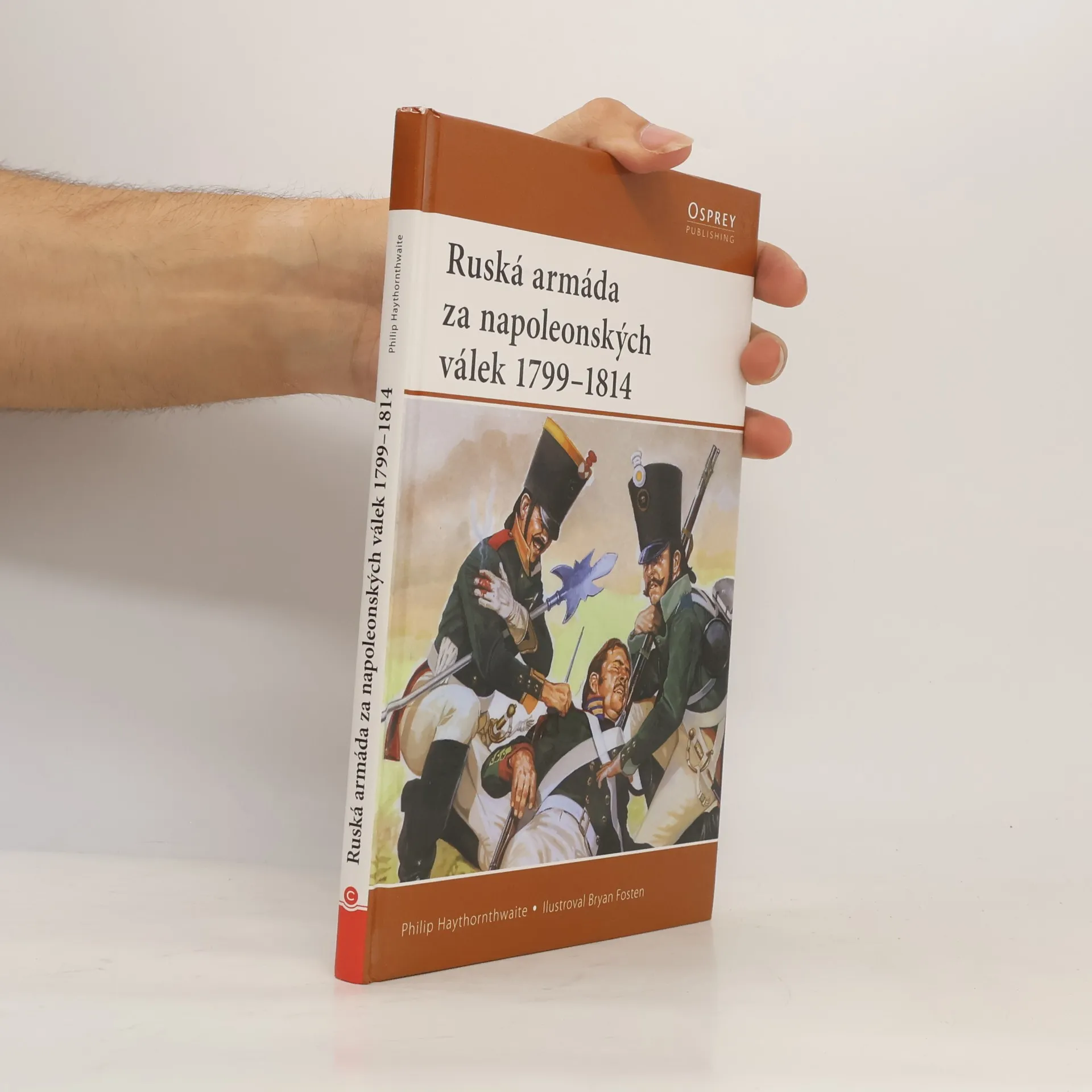
Poznejte detailně ruskou pěchotu i kavalerii v období, kdy se Evropa zmítala v krvavých napoleonských válkách. Tato kniha vám představí organizaci a uniformy ruské armády v celkovém vývoji, za Pavla I. i jeho nástupce Alexandra I. Přehledná schémata a tabulky vám umožní dokonale se zorientovat v této problematice. Publikaci rovněž provází tradičně i kvalitní barevné ilustrace.
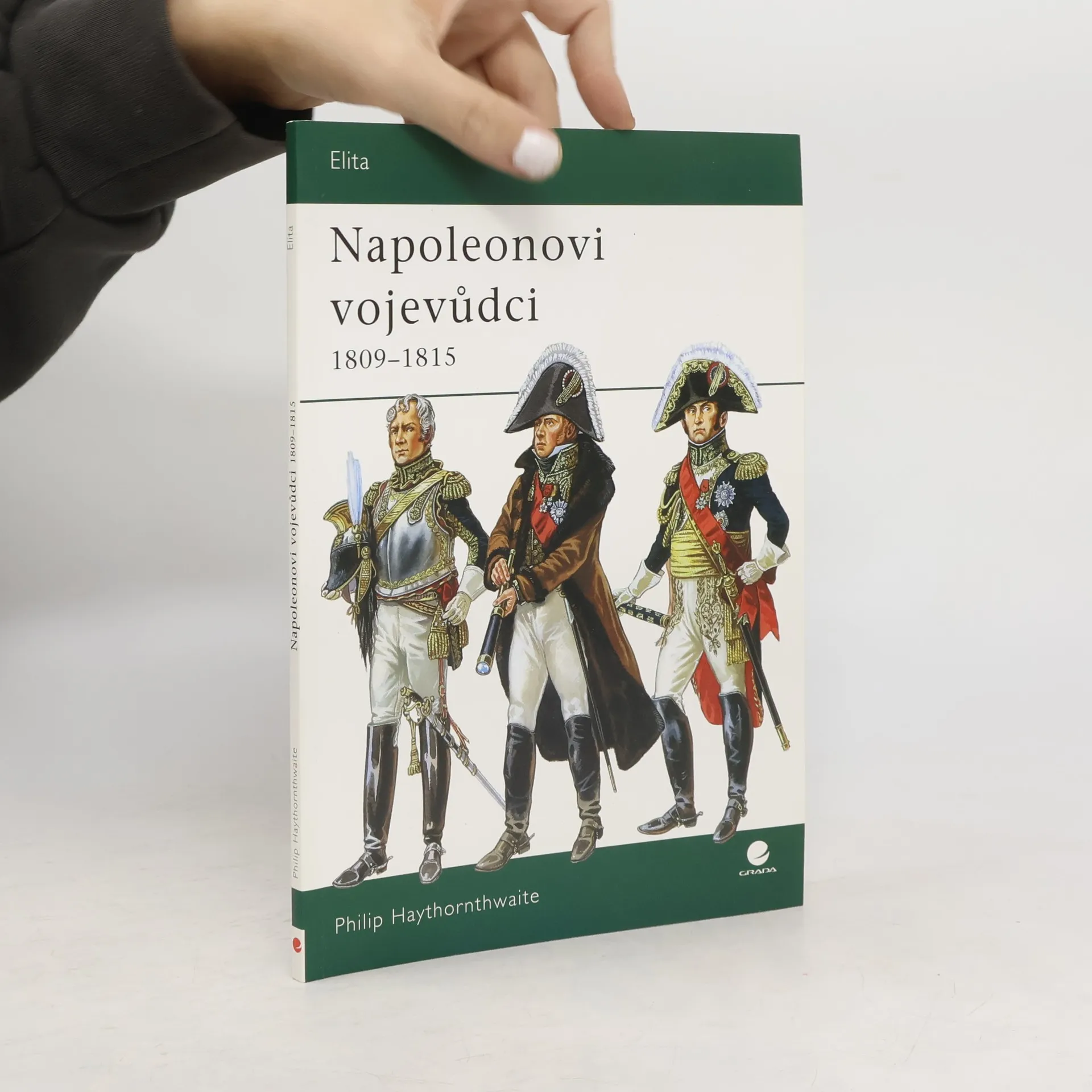
Napoleonovi vojevůdci 1809-1815
- 64 Seiten
- 3 Lesestunden
Ani génius Napoleonova formátu nedokázal sám řídit veškeré bojové akce a musel spoléhat na zkušenosti a schopnosti svých maršálů a generálů. V publikaci je popsána vojenská kariéra a životní osudy více než 20 osobností, které se významně zapsali do análů francouzské historie v pozdních letech císařství. Vykresleny jsou jejich charakterové vlastnosti, jednání ve vypjatých situacích, vítězství, ale i prohry na bojištích, jejich vztah k Napoleonovi, i postoje v době, kdy se Napolenova éra chýlila ke konci. Nechybí ani mnohé zajímavé detaily o organizaci tehdy v Evropě velice moderního systému štábů ve francouzské armádě. Text doprovázejí četné ilustrace uvedených osobností v jejich typických vojenských stejnokrojích.