

Gratis Versand ab € 14,99. Mehr Infos.
Bookbot

Giovanni Ferrara degli Uberti

    Modern Italy
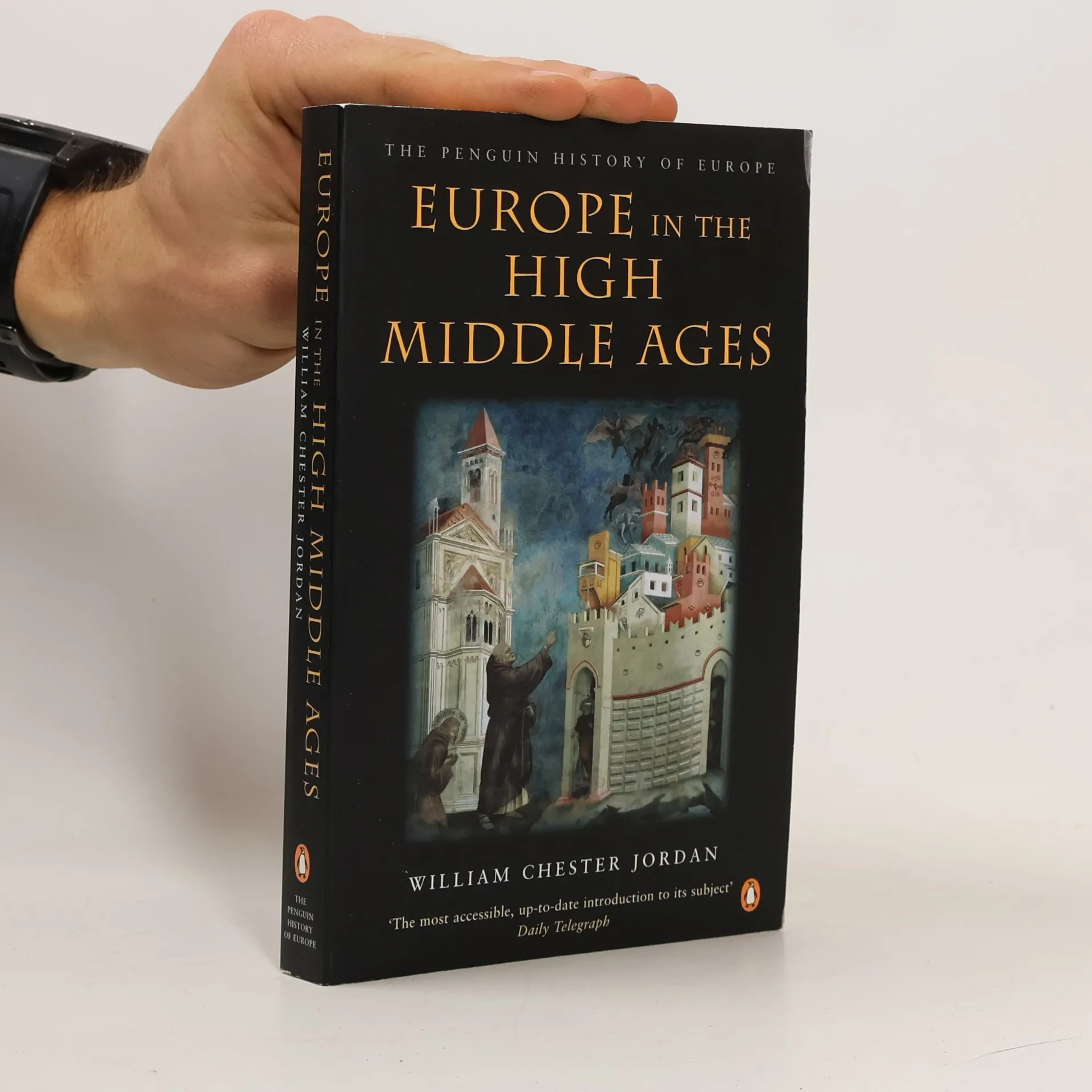
    Biblioteca Storica: Nel nome del Signore. L'Europa dall'anno Mille alla fine del Medioevo
    • In queste pagine troveremo i grandi papi che hanno fatto rivivere il potere del clero contro i grandi signori secolari, gli scrittori e i pensatori che hanno aperto la strada al Rinascimento, i guerrieri che combatterono nelle crociate e le persone comuni che trovarono un nuovo orizzonte di prosperità in un’epoca fiduciosa e dinamica, fino alla lunga notte del Trecento. Parentesi luminosa fra il caos dell’anno Mille e un quattordicesimo secolo infestato dalla peste, dalle carestie e dalle guerre, gli anni che troveremo in queste pagine furono ricchi di possibilità e di speranza, di crescita e di conquiste. Dalle controversie Chiesa-Stato ai conflitti religiosi e ai movimenti riformatori, dalla crescita demografica alle straordinarie conquiste intellettuali – la letteratura in volgare, il fiorire delle grandi università inglesi, francesi e italiane, i capolavori dell’architettura gotica – William Chester Jordan ripercorre il cammino lungo il quale, con creatività e a passo sicuro, si sviluppò quello che può ben essere definito il primo vero Rinascimento europeo.

      Biblioteca Storica: Nel nome del Signore. L'Europa dall'anno Mille alla fine del Medioevo
      3,0
    • Modern Italy

      A Political History

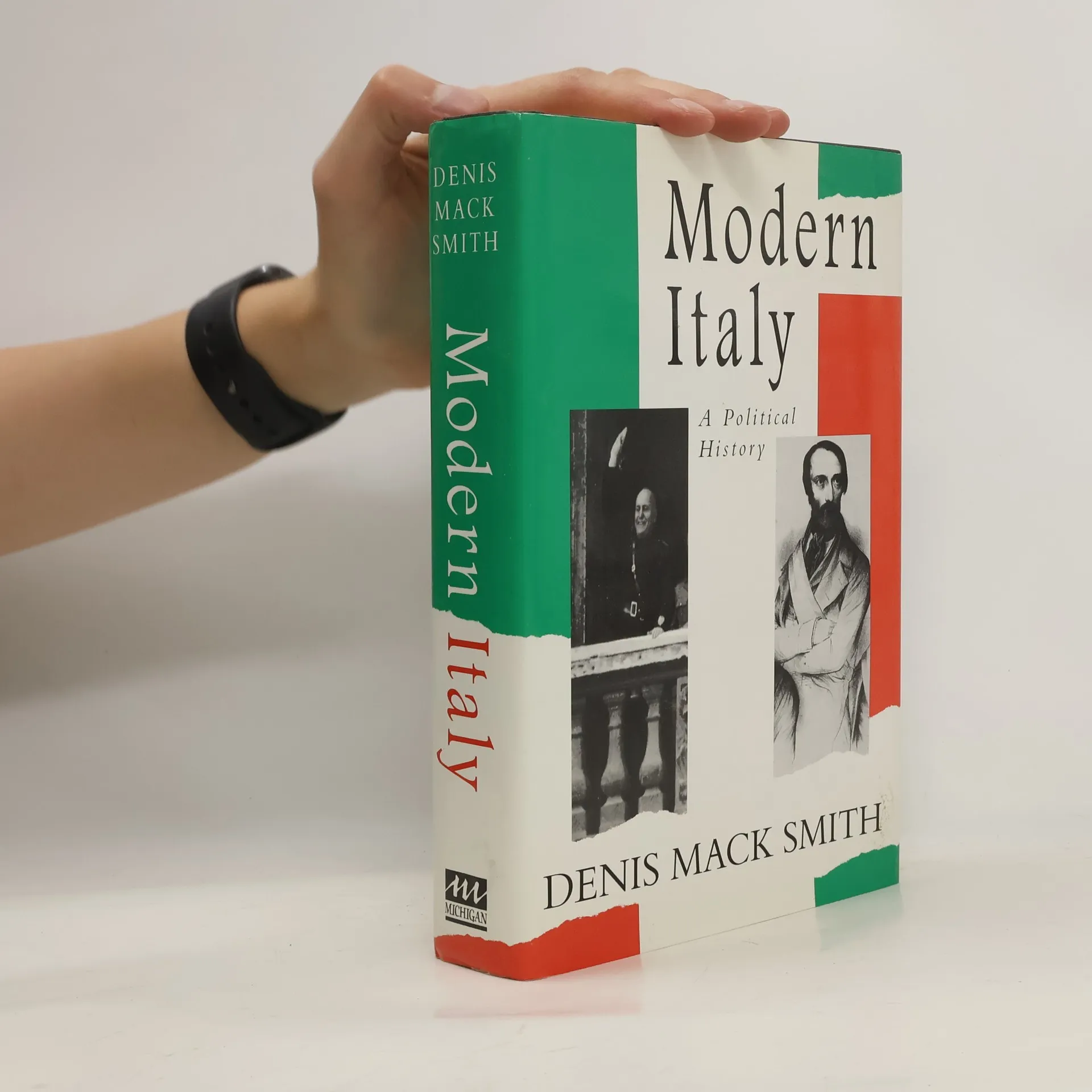
      This history of modern Italy began in March 1861 when Count Camillo Cavour proclaimed a united Italian kingdom with the goal of creating a prosperous, liberal new power in Europe. For a country whose ancient heritage had placed it at the center of western culture, this late entry into nationhood and rapid reach for power would bring frequent crisis. In this fully revised edition of his classic history of the country, Denis Mack Smith provides a complete and engaging narrative of the fate of Italy from Risorgimento to the present.For sixty years after 1861 Italy was governed by a liberal oligarchy under a parliamentary constitution. Italy chose the winning side in the First World War, but the enormous costs of victory revealed social tensions and constitutional weaknesses that prepared the way, after 1920, for Europe's first fascist dictatorship.After the painful civil war that followed World War II, Italy rediscovered liberal democracy, and under a new republican regime became one of the major industrialized countries of the world.First published in 1958 as Italy: A Modern History, the book has been substantially rewritten with a new section on the period after 1945, a new bibliography, new maps, and updated factual appendices. Stylish, clearly written, deeply informed and often controversial, it remains the definitive account for anyone interested in modern Italy.

      Modern Italy
      4,1