
Gratis Versand ab € 14,99. Mehr Infos.
Bookbot

Benjamin Pogrund

    Benjamin Pogrund befasst sich eingehend mit Schlüsselfiguren und kritischen sozialen Fragen der südafrikanischen Vergangenheit. Seine Arbeit bietet aufschlussreiche Auseinandersetzungen mit dem Anti-Apartheid-Kampf und der Rolle der Presse in dieser turbulenten Zeit. Pogrunds Schreiben zeichnet sich durch analytische Tiefe und die Verpflichtung aus, komplexe historische und politische Landschaften zu verstehen. Er ist bekannt für sein Engagement, die Wahrheit aufzudecken und den Dialog zu fördern.

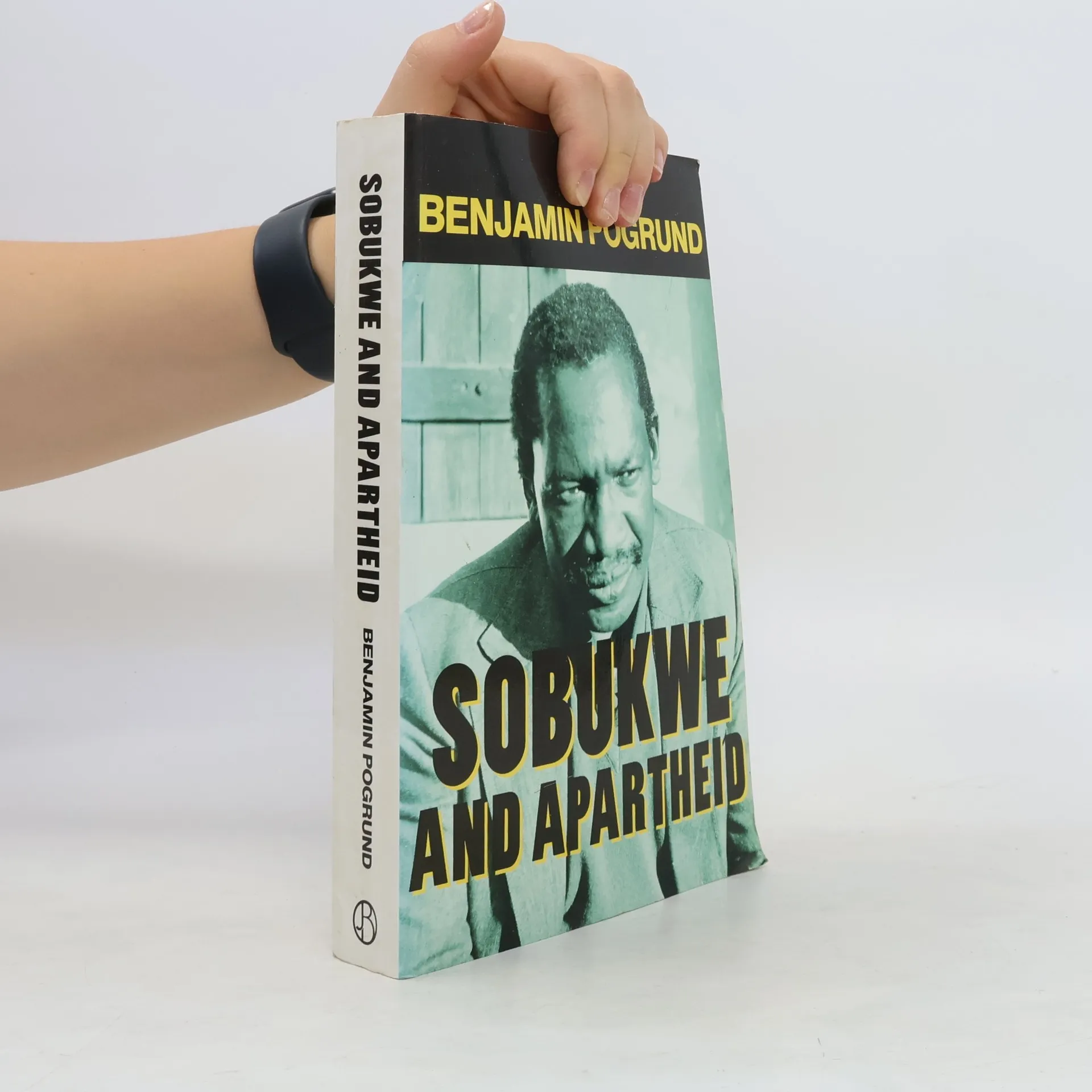
    Sobukwe and Apartheid
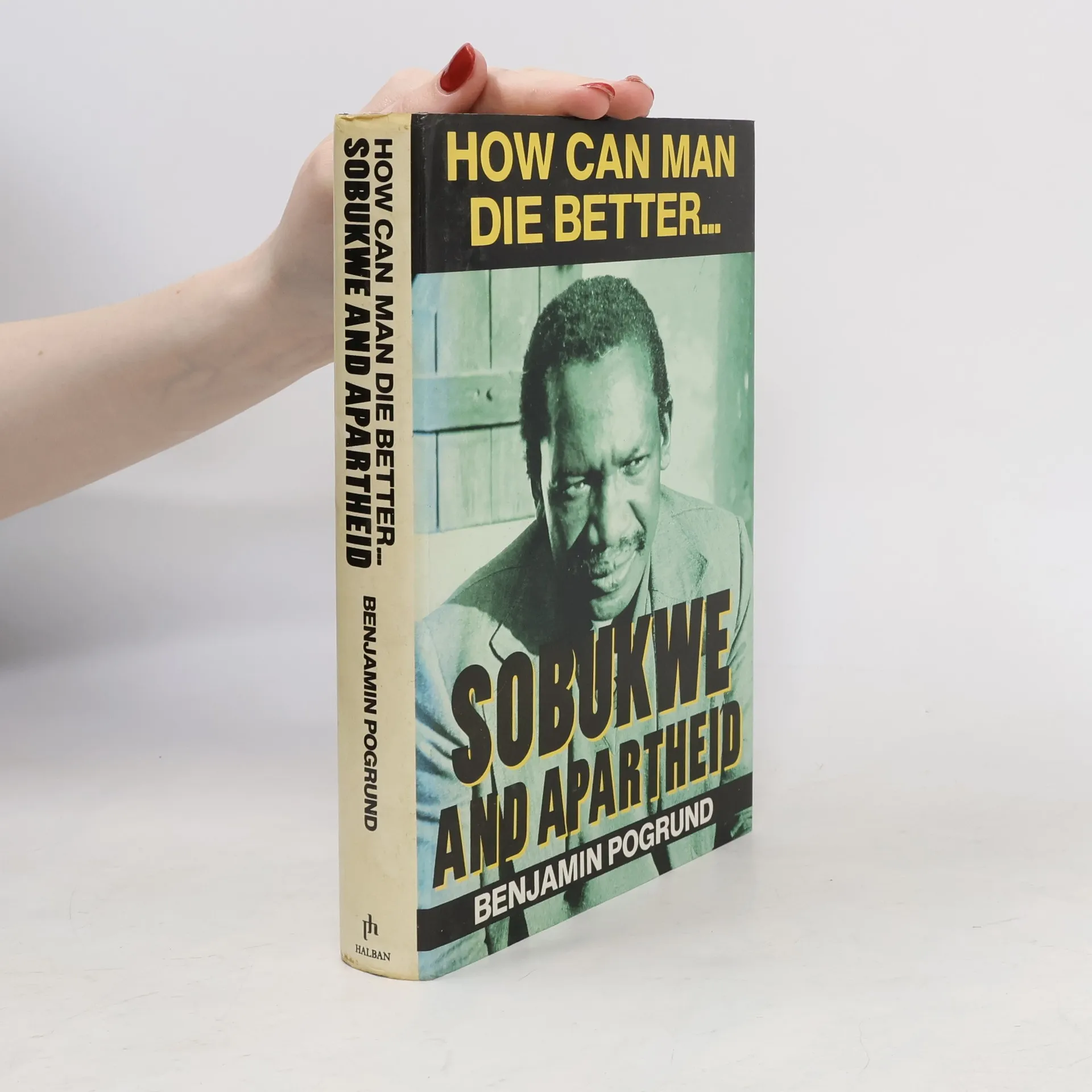
    How Can Man Die Better....
    • Sobukwe and Apartheid

      • 406 Seiten
      • 15 Lesestunden

      Archbishop Desmond Tutu remarked on Sobukwe's profound influence, stating that knowing him was a privilege and lamenting his tragic imprisonment and early death. This book serves as a testament to the complexities of black liberation politics and honors a remarkable man who voiced the voiceless. It is a compelling narrative, enriched by unique insights and documents, and reflects the authority of a journalist who challenged the regime by exposing South African prison conditions. Thirty years ago, Sobukwe spearheaded a mass protest against pass laws, urging blacks to demand arrest at police stations. This nonviolent demonstration turned tragic when police opened fire, resulting in sixty-nine deaths on March 21, 1960, marking Sobukwe's last day of freedom. He passed away nearly eighteen years later from lung cancer. As the leader of the Pan-Africanist Congress, Sobukwe was both a colleague and rival to notable figures like Tutu, Mandela, and Buthelezi. However, his contributions have been overshadowed by the anti-Apartheid leadership's lack of support for the Pan-Africanist vision. Telling Sobukwe's story now is crucial for understanding the dynamics among contemporary black leaders in South Africa.

      Sobukwe and Apartheid1990
    • How Can Man Die Better....

      Sobukwe and Apartheid

      • 352 Seiten
      • 13 Lesestunden

      This title is the story of a remarkable man: Robert Mangaliso Sobukwe. It is also the story of the friendship between Sobukwe and Benjamin Pogrund whose joint experiences and passionate debates chart the course of a tyrannous regime and the development of concerted black resistance. On 21 March 1960, Robert Sobukwe led a mass defiance of the pass laws of South Africa. He persuaded blacks to present themselves at police stations and demand arrest. A determinedly non-violent protest turned to tragedy when police opened fire on a crowd, killing 68 protestors at Sharpeville. It proved to be Sobukwe's last day of liberty. The protest was a turning point: Afrikaner rule stiffened and black resistance went underground. International opinion hardened against apartheid. Sobukwe, leader of the Pan-Africanist Congress, was jailed for nine years on Robben Island. He was then released into banishment and house arrest in the small town of Kimberly. He died there nine years later, in February 1978.

      How Can Man Die Better....1989
      4,0