

Containing over 100 photos of Korean art pieces along with thoughtful essays, Goryeo Korea's Age of Enlightenment 918-1392 captures this fundamental period of Korean history.Few people are aware that the name Korea is derived from Goryeo of the Goryeo dynasty (918-1392). Under the patronage of the royal court, the aristocracy and the Buddhist elite—whose taste are for luxury and refinement was unprecedented in the history of Korea—spectacular achievements were made in all areas of the arts during this period.This catalogue documents not only the famous Goryeo achievements in ceramics but also lesser known Buddhist paintings, illuminated sutras, sculpture, lacquer, and metal crafts. Drawing from thirty-five contributing institutions, it brings together some of the most exquisite works of Korean art from the tenth to the fourteenth century, including many that have never before traveled to the West. A valuable resource to anyone interested in the classic arts of East Asia.
Kumja Paik Kim Bücher
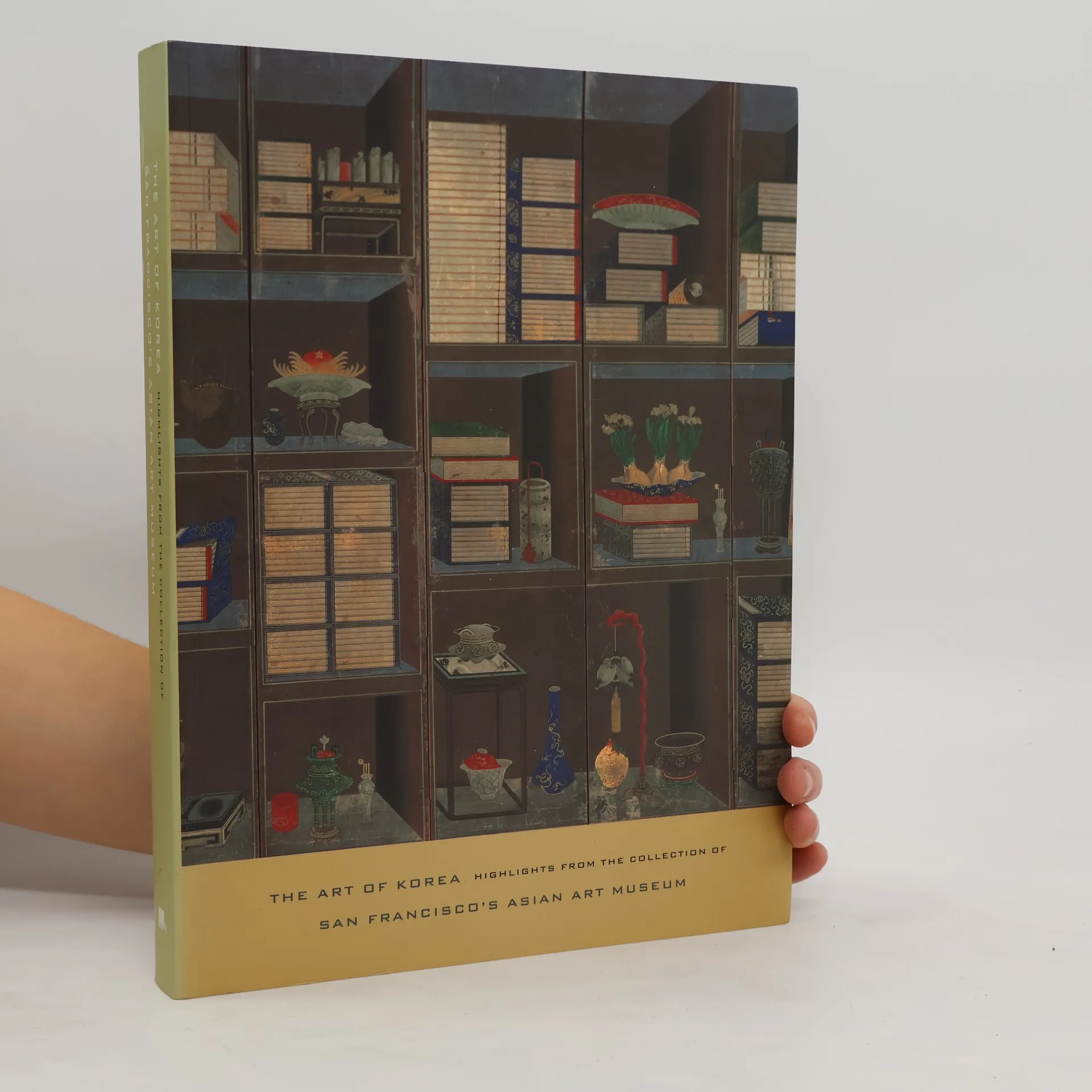

The Art of Korea
Highlights from the Collection of San Francisco's Asian Art Museum
- 313 Seiten
- 11 Lesestunden
Featuring dozens of Korean paintings, sculptures, figurines, porcelain and textiles, this art book is explores the rich visual history of Korean peninsula. Korea is home to one of the longest and richest traditions in the world—yet it is one of the least known in the United States. San Francisco's Asian Art Museum was a pioneering advocate for bringing Korean art into this country. One of the first museums in the United States to have a gallery solely dedicated to Korean art, it has built up a remarkable collection of more than 750 art objects spanning millennia of Korean culture in a variety of mediums. More than 100 highlights of the collection are included here, along with detailed commentaries by Kumja Paik Kim, the museum's emeritus curator of Korean art, which together compose an accessible introduction to Korean art and culture. Dr. Kim has also contributed an essay that constitutes one of the most helpful overviews of Korean art currently available.
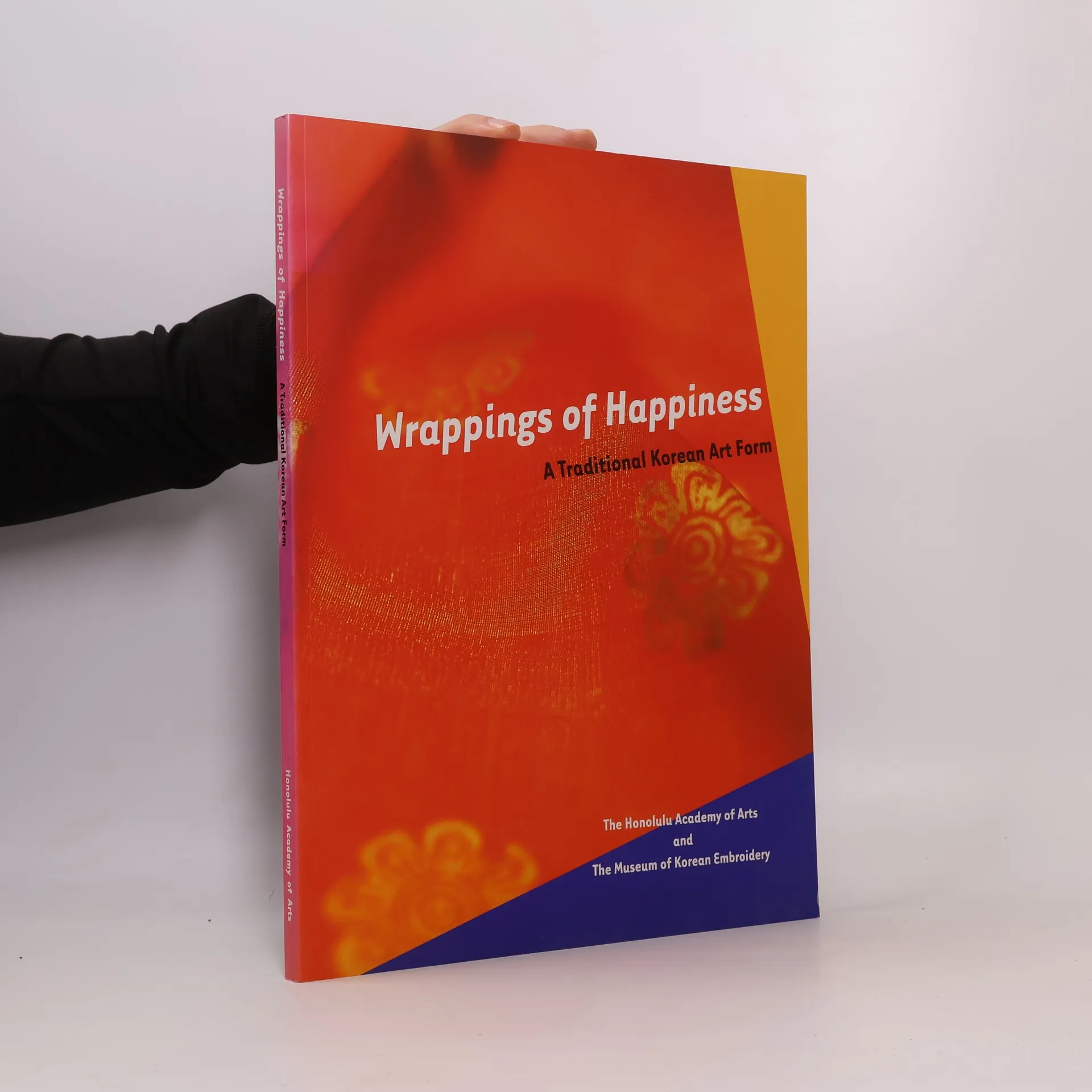
In Korea, small cloths are used for wrapping, storing and transporting precious and ordinary objects. The intensity of their colors and patterning have earned tem a place as a unique abstract art.