Juliet Schor erforscht aktuelle Trends in den Bereichen Arbeit und Freizeit, Konsumismus und wirtschaftliche Gerechtigkeit. Sie analysiert kritisch die komplexe Beziehung zwischen Arbeit und Familie und untersucht, wie wirtschaftliche Kräfte gesellschaftliche und ökologische Nachhaltigkeit beeinflussen. Ihre Arbeiten regen zum Nachdenken über unseren Lebensstil an und bieten Wege für eine nachhaltigere Zukunft.
Mit weniger Arbeit besser leben. Wege zu mehr Lebensqualität und Wohlbefinden, reduziertem Konsum, Arbeitszeitverkürzung und ökologischer Balance
272 Seiten
10 Lesestunden
Wer möchte das nicht, weniger arbeiten und besser leben? Mit großer sprachlicher Leichtigkeit präsentiert die US-amerikanische Soziologin Juliet Schor einen intelligenten Weg aus dem sich immer schneller drehenden Hamsterrad. An seinem Ende stehen nicht allein veränderte Konsummuster und gesteigertes Umweltbewusstsein, sondern das befriedigende Gefühl, ein selbstbestimmtes Leben zu führen.
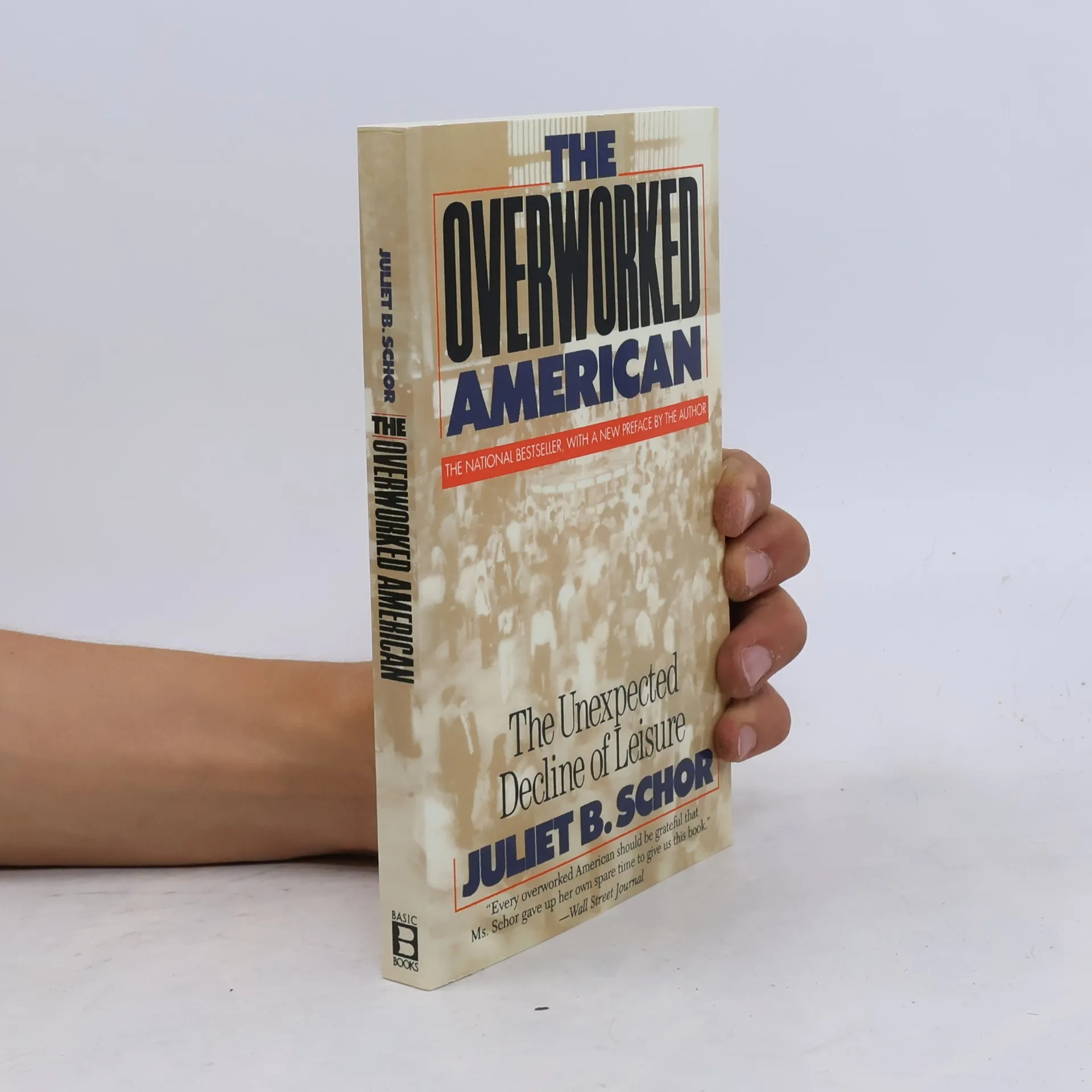
A publishing phenomenon--the subject of enormous media attention, lavish acclaim from reviewers, and extraordinary sales--this national bestseller explains why, contrary to all expectations, Americans are working harder than ever. Schor shows how labor supply, unemployment, and the addictive nature of consumption lead to longer and longer hours, and what we can do about it.
When the "sharing economy" launched a decade ago, proponents claimed that it would transform the experience of work -- giving earners flexibliitiy, autonomy, and a decent income. But this novel form of work soon sprouted a dark side: exploited Uber drivers, neighborhoods ruined by Airbnb, racial discrimination, and rising carbon emissions. Several of the most prominent platforms are now faced with existential crises as they prioritize growth over fairness and long-term viability. Based on nearly a decade of pioneering research, After the Gig dives into what went wrong with this contemporary reimagining of labor. The book examines multiple types of data from thirteen cases to identify the unique features and potential of sharing platforms that prior research has failed to pinipoint
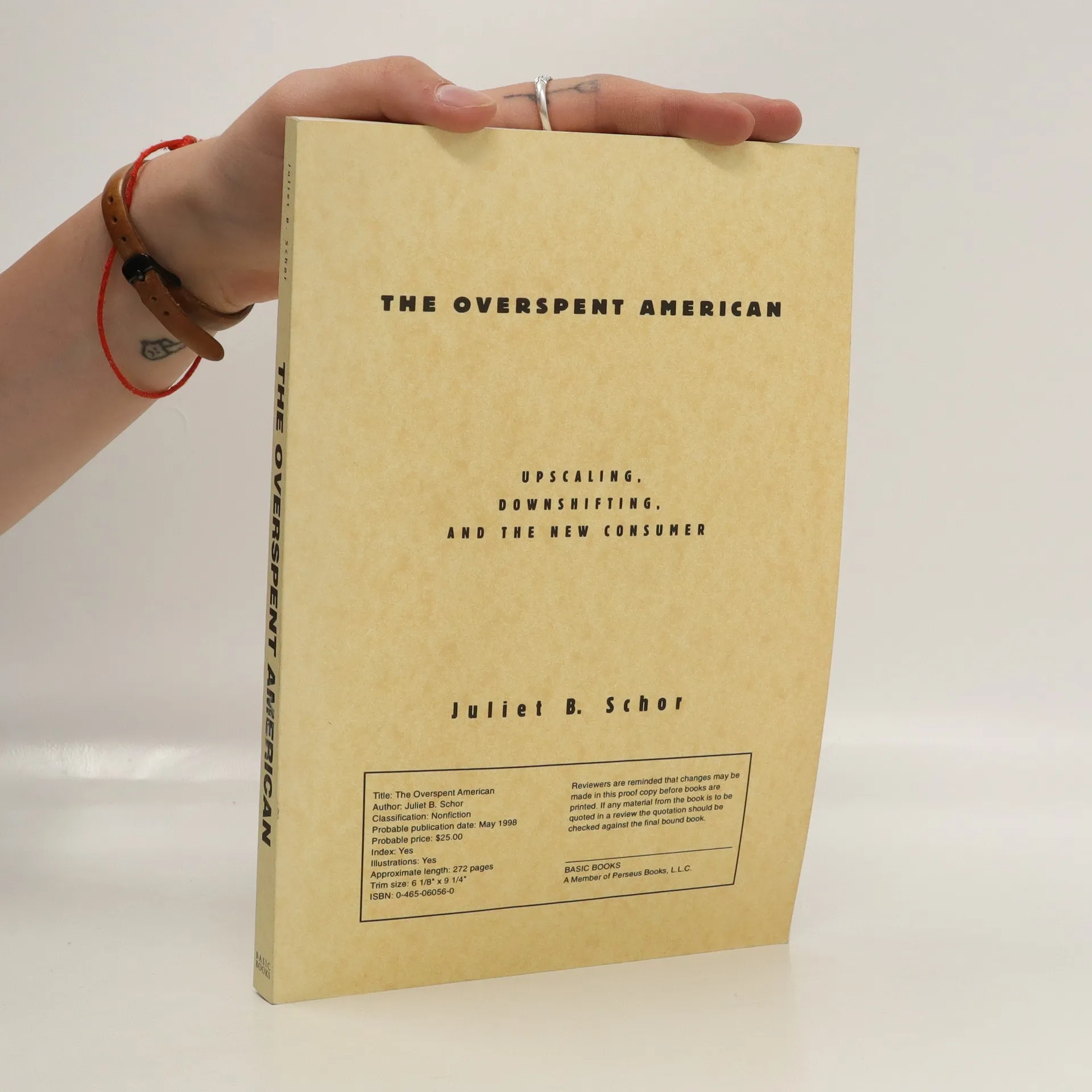
An in-depth look at the corruption of the “American Dream,” the follow-up to the the Overworked American examines the consumer lives of Americans and the pitfalls of “keeping up with the Joneses.” Schor explains how and why the purchases of others in our social and professional communities can put pressure on us to spend more than we can afford to, how television viewing can undermine our ability to save, and why even households with good incomes have taken on so much debt for so many products they don't need and often don't even want.
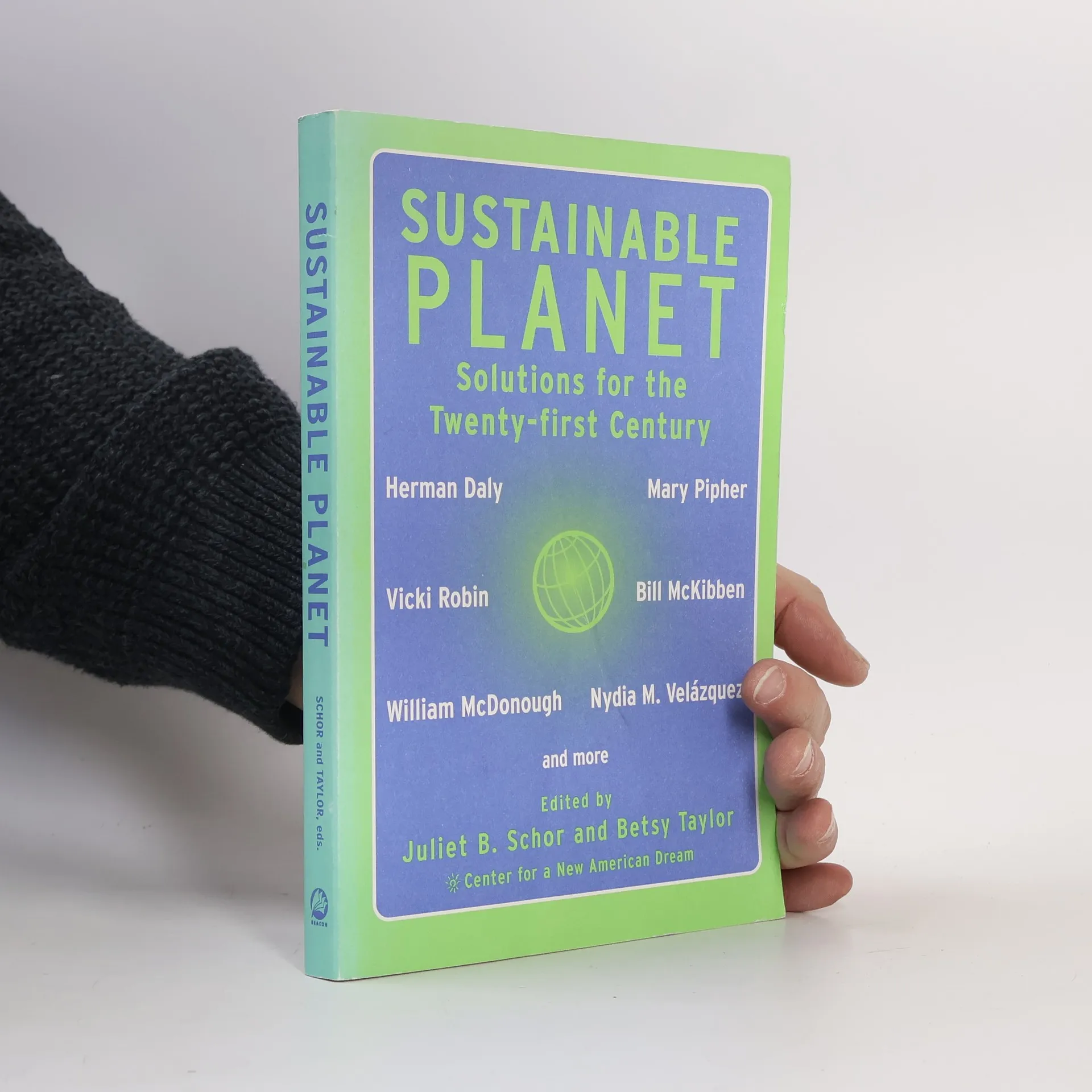
Can we find ways of living that are sustainable and deeply satisfying, that ensure economic and political democracy, and are passionate about beauty, elegant design, and the wildness of nature? The contributors to Sustainable Planet say we can, and offer 16 remarkable visions of how to get from here to there, * Specific proposals from citizen and labor coalitions that articulate a positive alternative to the free-trade model of globalization* The emergence of local food systems that allow us to eat fresher, better tasting food while protecting family farms and conserving the environment* New thinking about industrial design and engineering that is leading to production systems which generate no waste* How we might create a fashion industry that weds aesthetic pleasure with social justice* Five economic policy recommendations that could move us toward a sustainable economy* What you can do to create a real sense of community where you live* A road map for building the political will to change the system before it's too late.This anthology grew out of the work of the Center for a New American Dream (CNAD), a nonprofit organization dedicated to helping Americans change the way they consume to improve quality of life, protect the environment, and promote social justice.
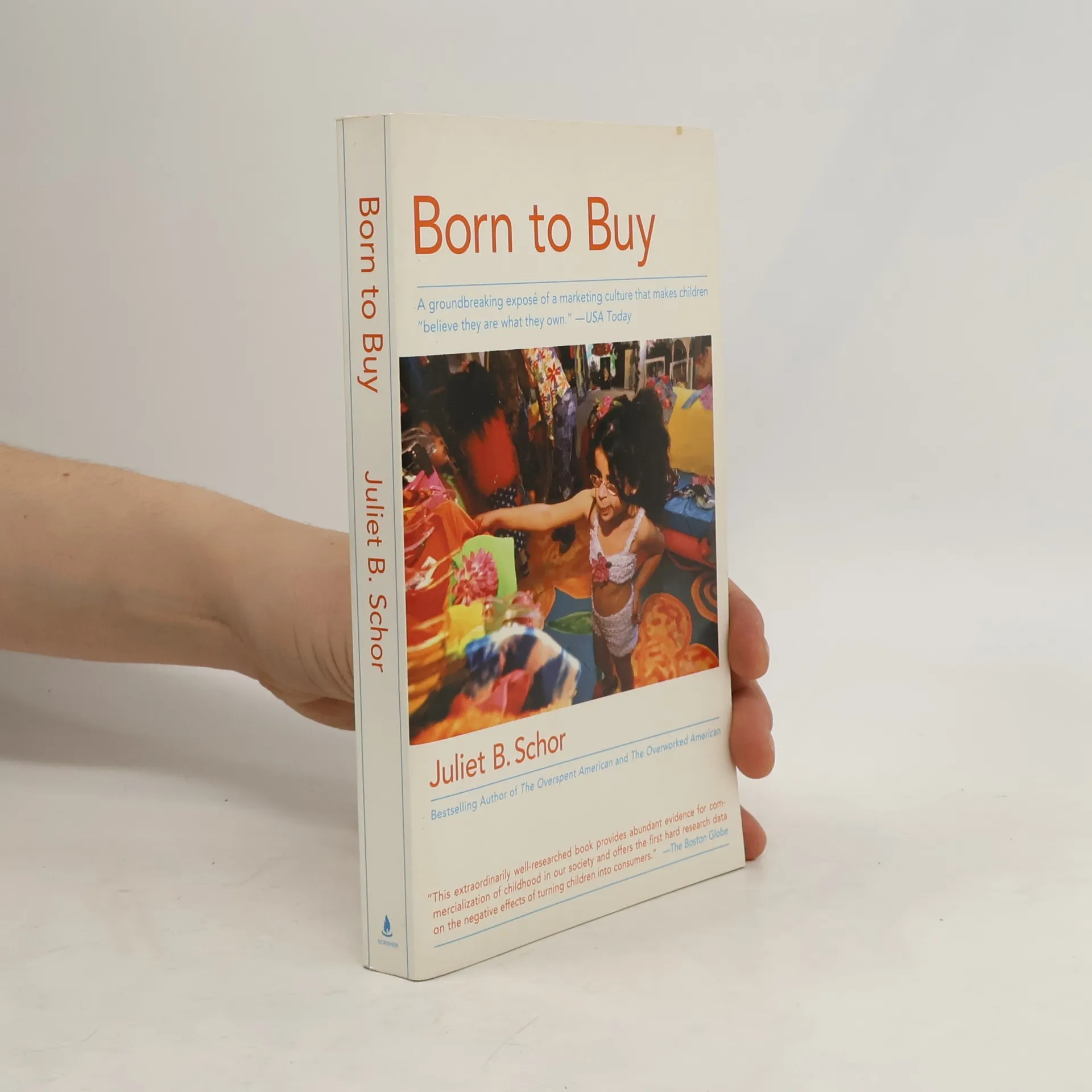
The book presents pioneering research on the impact of marketing and consumer culture on young children, revealing the psychological and social consequences of their early exposure to consumerism. Through empirical data, it explores how this phenomenon affects children's development, behaviors, and family dynamics, providing critical insights for parents, educators, and policymakers. The new Afterword by the author adds contemporary reflections on the ongoing relevance of these findings in today's society.
Cet ouvrage montre pourquoi et comment il est possible d’adopter un mode de développement radicalement différent, non obsédé par la croissance. Les auteurs, issus d’horizons théoriques et géographiques très divers, abordent de près la question des transitions, afin de dépasser le capitalisme et ainsi nous rapprocher d’un monde soutenable.