

Gratis Versand ab € 16,99. Mehr Infos.
Bookbot

Farid Elashmawi

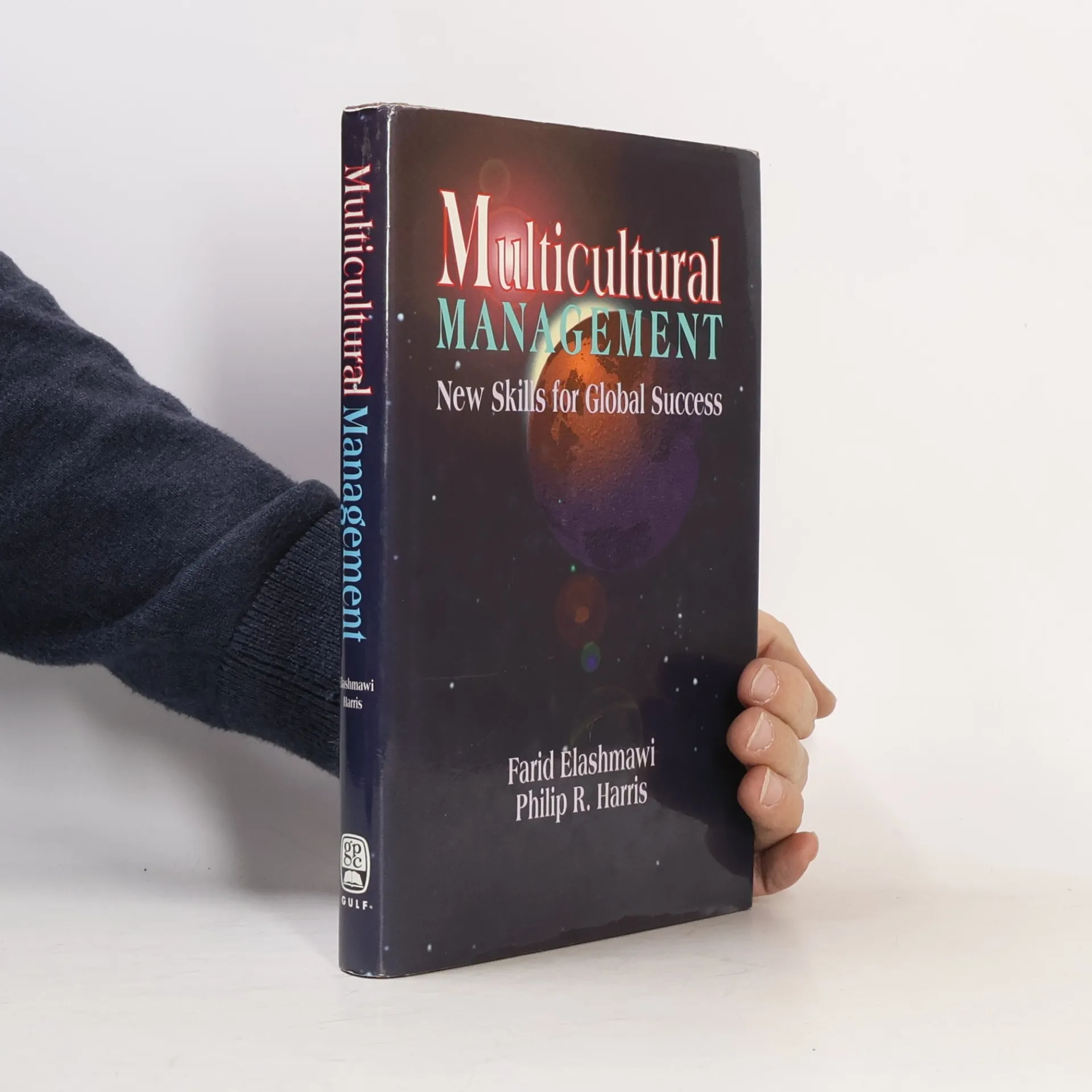
    Multicultural Management
    Managing Cultural Differences Series: Competing Globally
    • Managing Cultural Differences Series: Competing Globally

      Mastering Multicultural Management and Negotiations

      • 262 Seiten
      • 10 Lesestunden

      Based on his firsthand experience, Farid Elashmawi has created a concise, valuable primer to 'going global'. 'Competing Globally' gives specific information about entering international markets, negotiating, conducting meetings and presentations, and working with international partners.'Competing Globally' sheds light on varied business cultures, including those of North America, Europe, Japan, Korea, China, Indonesia, Thailand and the Middle East. Elashmawi uses case studies, anecdotes, social tips, self-tests, and tables to provide important insights into communicating, marketing, and negotiating with organizations outside throughout the world. This book is invaluable to business managers and students who need to enhance their cross-cultural negotiation skills to compete globally.

      Managing Cultural Differences Series: Competing Globally2001
    • Multicultural Management

      New Skills for Global Success

      • 234 Seiten
      • 9 Lesestunden

      Business leaders seeking increased market expansion through acquisition, mergers, and joint ventures, as well as those managing overseas or multicultural subsidiaries, can greatly increase their effectiveness by becoming culturally aware. Multicultural Management exposes in detail the special skills needed to successfully negotiate and work with people from other cultures, clearing up the "mysteries" behind these and other questions.You'll learn how three specific cultures - American, Asian, and Arab - deal with everyday business situations like rewarding and motivating employees, communicating, training, transferring technology, and negotiating across cultures. This incisive guide targets these three groups to provide sharp cultural contrast, but you can apply the skills taught to people from any culture. It also explores the subcultures that exist within organizations, demonstrating that "culture" means not only values learned in your country of origin, but also those assimilated from the groups with whom you associate.Every management expert in the world agrees on one The country or company whose citizens have the greatest cross-cultural competency will have the advantage in the coming years. Multicultural Management is an invaluable tool for gaining the management skills you need to succeed in today's global economy.

      Multicultural Management1993