

During the six months prior to the World Trade Center attack, the United States walked away from a treaty to control the world traffic in small arms, the Kyoto accords, a treaty to combat bioterrorism, and many other international agreements. After 9/11 there was a flurry of coalition building, but Europe and Asia quickly came to see the conflict in Afghanistan as an American war with Tony Blair leading cheers from the sidelines. Recent American calls to action in Iraq have only reinforced international perception that the U.S. plans to remain a solitary actor on the world stage. Despite our stated good intentions--the causes of justice and democracy--we have become the world's largest rogue nation.The Bush administration did not invent the American tradition of unilateralism, but, Clyde Prestowitz argues, they have taken it to unprecedented heights. Rogue Nation explores the historical roots of the unilateral impulse and shows how it helps shape American foreign policy in every important area: trade and economic policy, arms control, energy, environment, drug trafficking, agriculture. Even now, when the need for multilateral action--and the danger of going it alone--has never been greater, we continue to act contrary to international law, custom, and our own best interests.
Clyde V. Prestowitz, Jr. Bücher


Japan Restored
How Japan Can Reinvent Itself and Why This Is Important for America and the World
- 288 Seiten
- 11 Lesestunden
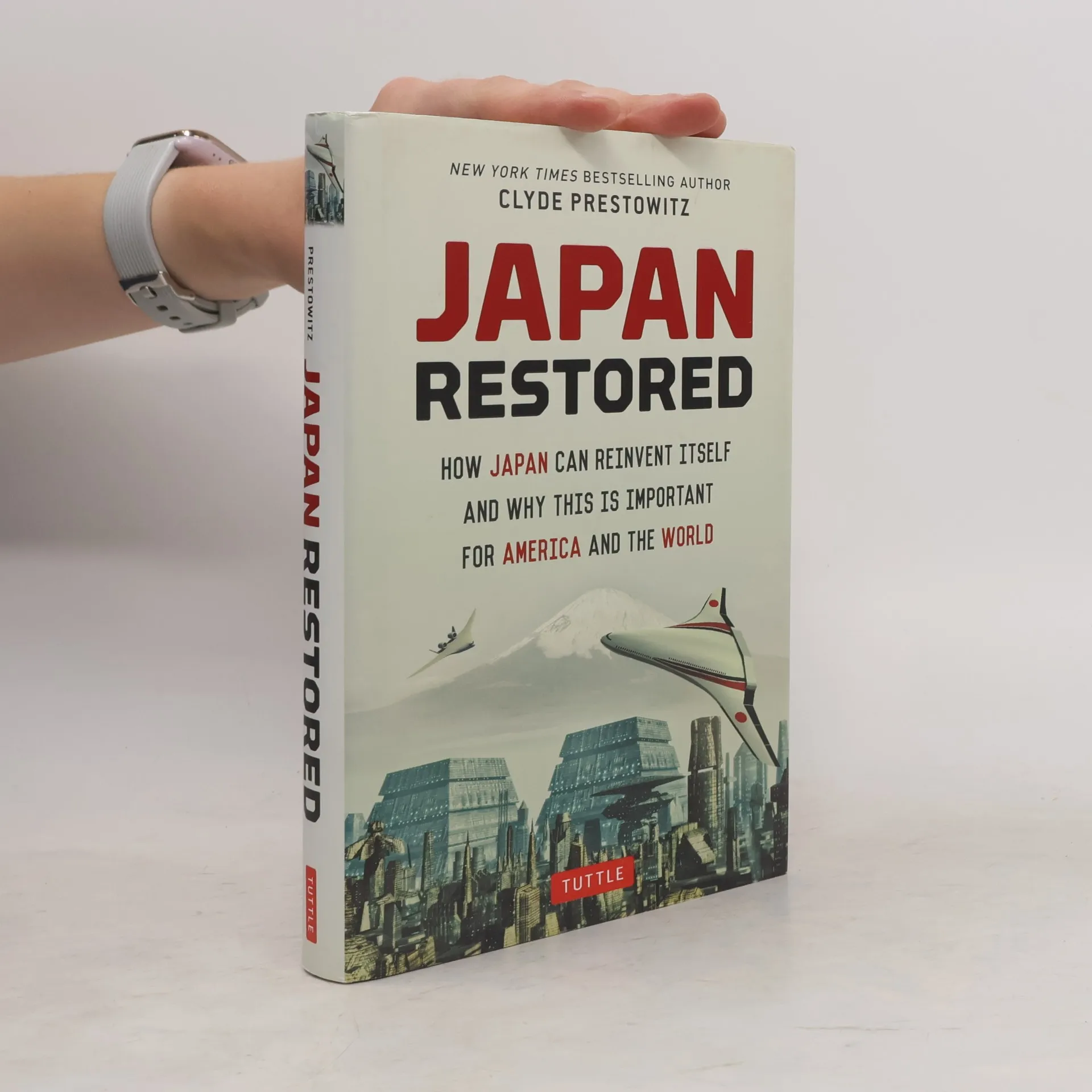
How Japan Can Reinvent Itself and Why This Is Important for America and the World. In 1979, the book Japan as Number One: Lessons for America by Harvard University professor Ezra Vogel caused a sensation in the United States by pointing out that Japan was surpassing America as world economic leader; the book remains to this day the all-time bestseller in Japan of non-fiction by a Western author. The book was timely: Japan's subsequent "bubble era" of the 1980s saw the country booming. But since the economic bubble burst at the start of the 1990s, Japan has been in decline. Japan Restored by Clyde Prestowitz, taking up Vogel's baton, is written as a vision of Japan in the year 2050 when the country's economic recovery has made it a world leader in every area of human endeavor. Prestowitz looks back to the present year as such a low point for Japan that a special reform commission was set up that helped the country regain its former position as a leader in technology, in business, and geopolitically. Looking at education, innovation, the role of women, corporate organization, energy, infrastructure, domestic government, and international alliances Prestowitz draws up a fascinating and controversial blueprint for the future success of Japan. As the eyes of the world turn towards Japan in the run-up to the 2020 Olympics, Japan Restored is as timely as the 1979 Vogel book that inspired it.
Trading Places
Alternative Models of Economic Co-operation in the Horn of Africa
- 141 Seiten
- 5 Lesestunden
A leading international business expert, former trade negotiator, and lifelong student of Japanese culture shows how America is abdicating its future to Japan and offers some practical solutions for reversing this trend.
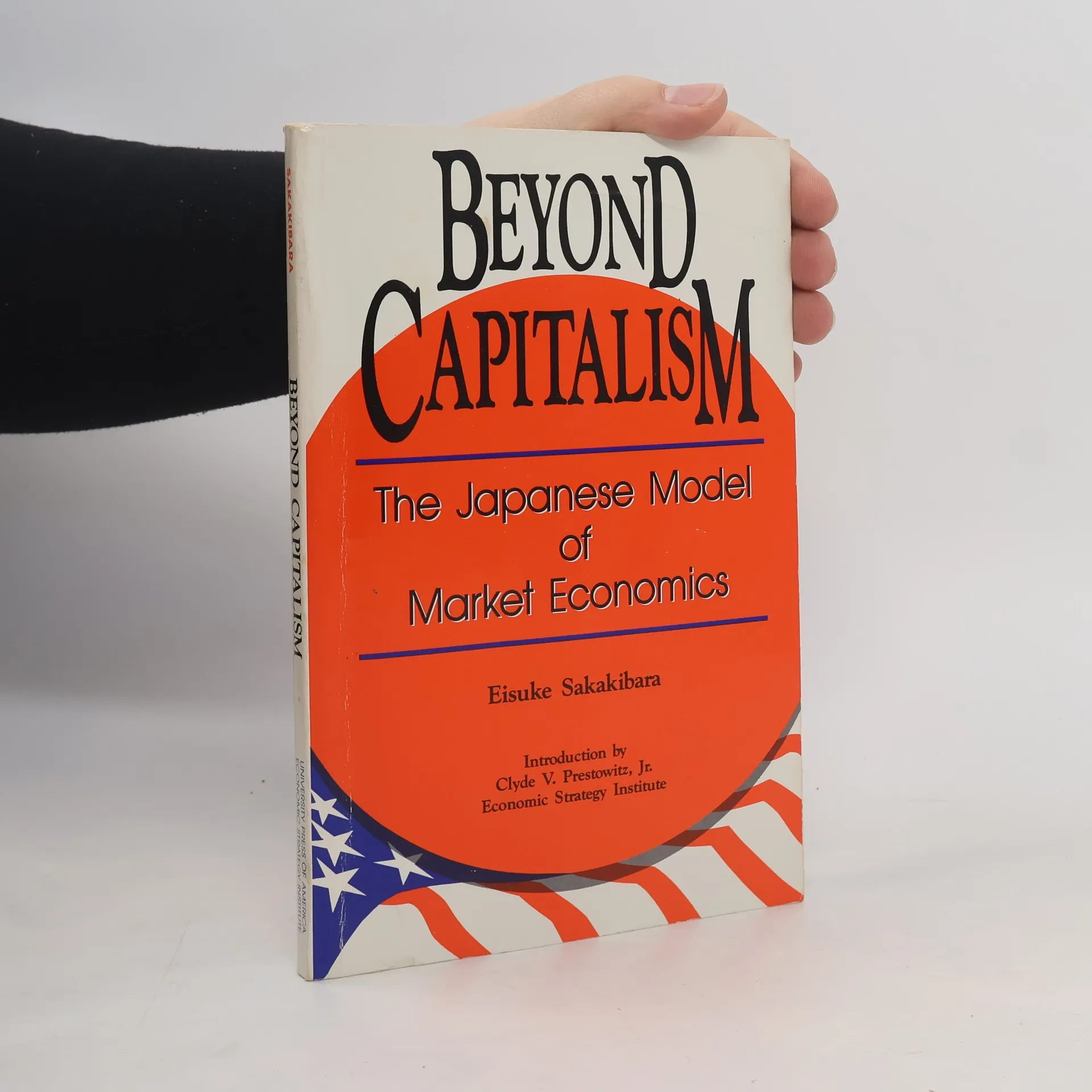
Has Japan developed its own unique economic model? For years, Americans concerned about the Japanese economic challenge have heatedly debated this question. Now, a senior Japanese government official weighs in with a resounding 'Yes.' In this work, Eisuke Sakakibara of the powerful Japanese Finance Ministry describes the fundamental, structural differences between the American and Japanese economies, defends the Japanese approach, and warns that U.S. policies seeking to Americanize our strongest competitor are doomed to fail. This ground-breaking study is vital reading for anyone concerned about the world's two economic superpowers and the global economy being shaped by their rivalry. Co-published with the Economic Strategy Institute.