

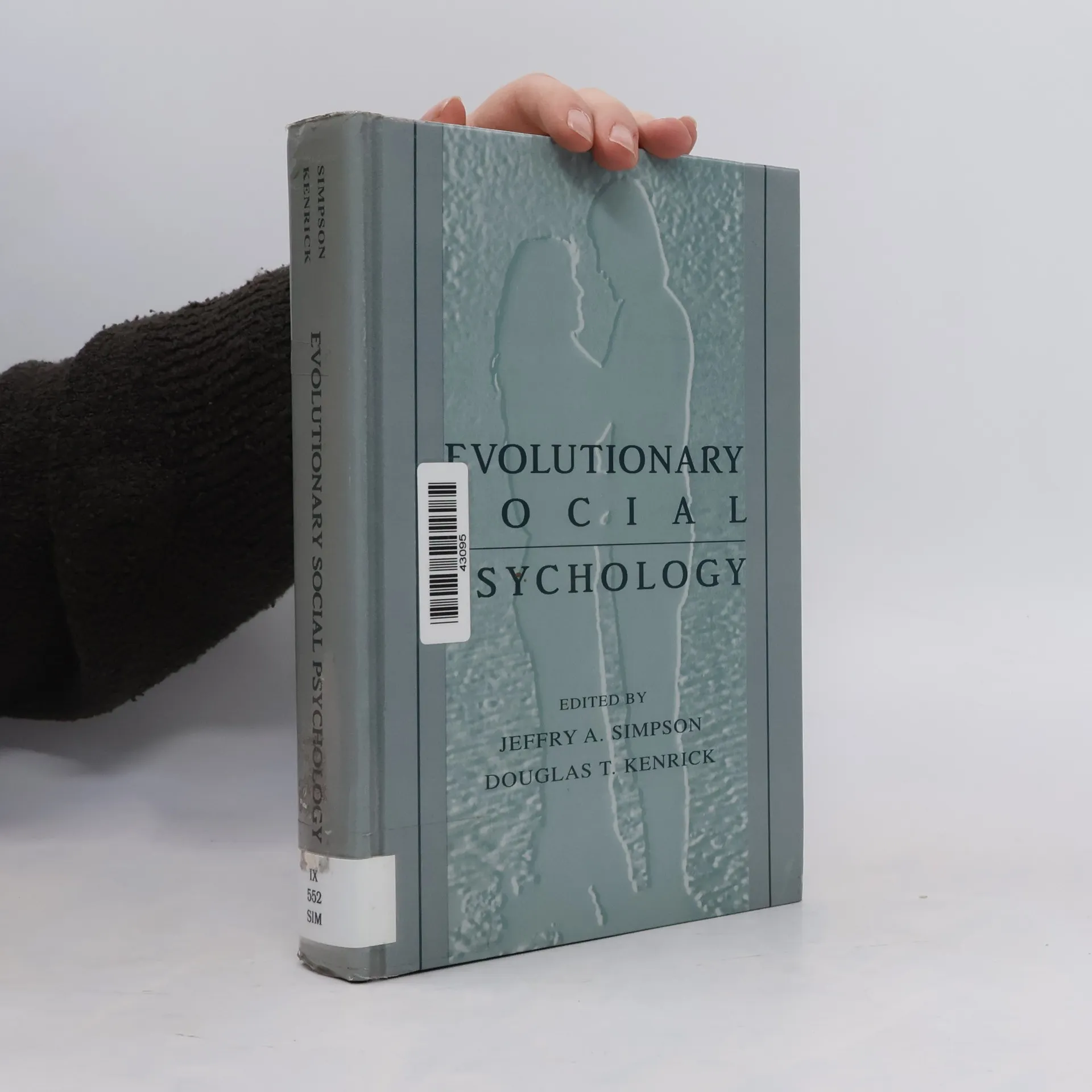
Evolutionary Social Psychology
- 448 Seiten
- 16 Lesestunden
Biologists' acceptance of Darwin's theory of natural selection has been crucial in understanding various animal behaviors. However, when it comes to studying "homo sapiens," many graduate students may not take a single course in evolutionary theory, despite extensive training in statistics. These students often investigate human behaviors such as aggression, cooperation, and altruism without a foundational understanding of the evolutionary forces that shaped these behaviors. This book aims to address this gap by applying evolutionary theories to key issues in personality and social psychology, relevant to significant social phenomena molded by natural selection throughout human evolution. It explores selective biases in how people perceive and interpret social interactions, romantic attractions, relationship maintenance, and the formation of complex coalitions with kin and friends. Additionally, it examines the reasons behind the termination of long-standing relationships. By doing so, it seeks to unravel the intricate patterns of interaction that characterize our social lives, providing insights into the evolutionary underpinnings of our behaviors and relationships.