

Daniela Dueck Bücher
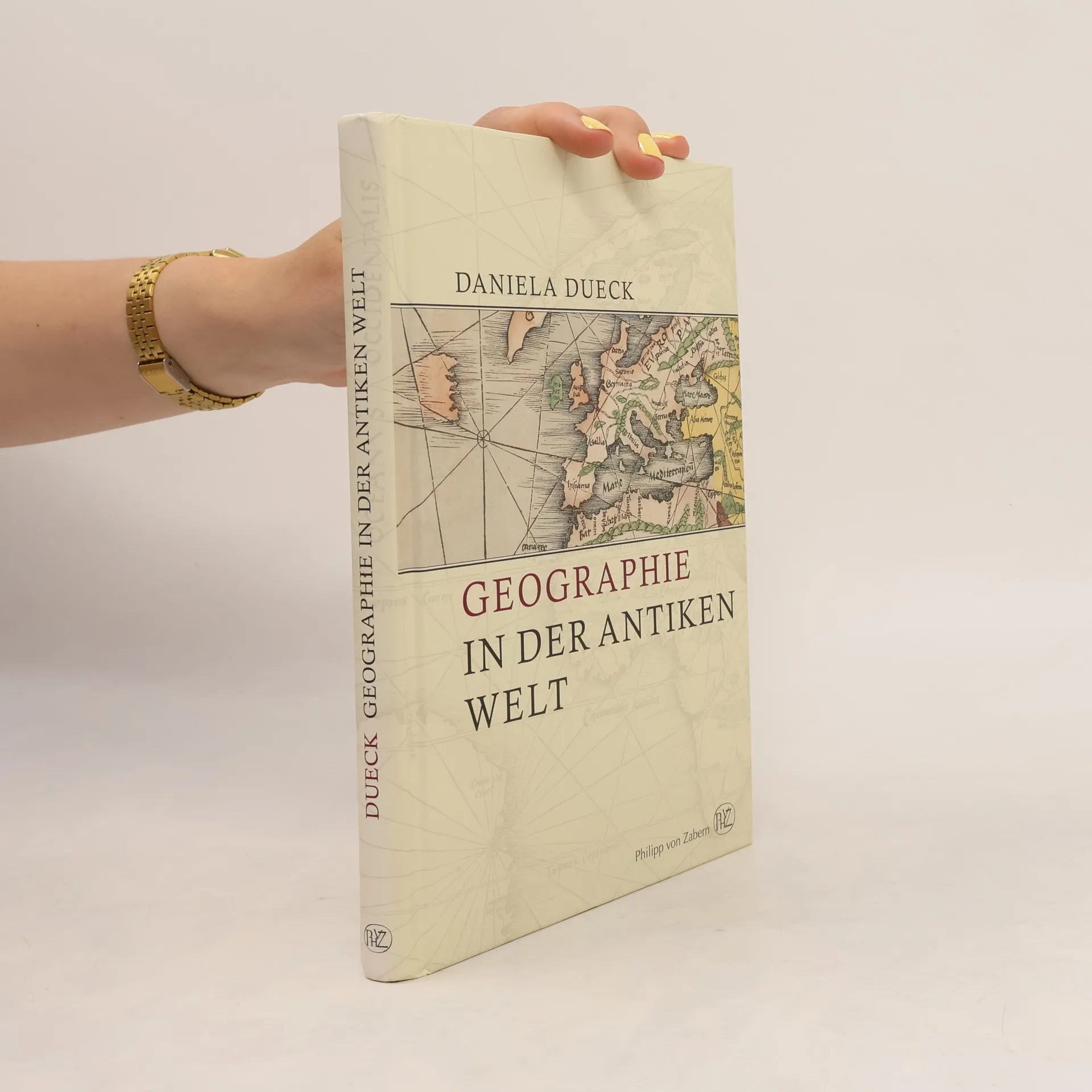
Geographie in der antiken Welt
- 176 Seiten
- 7 Lesestunden
Ohne Internet und mobile Navigationssysteme – in der Antike gab es nur wenige technische Hilfsmittel, und diese Instrumente waren einfach. Und trotzdem haben die Menschen herausgefunden, dass die Erde rund ist. Wie konnten sie ihre Größe schätzen? Wie konnten Feldherren wie Alexander der Große ihre Heere über tausende von Kilometern in vollkommen unbekannte Welten führen? Oder Händler und Siedler nach neuen Orten suchen? Daniela Dueck geht dem Wissen über die Grenzen der Welt in griechischer und römischer Zeit auf den Grund und bietet einen Gesamtüberblick über die geographischen Kenntnisse dieser Epoche. So legt sie die Entwicklung des „räumlichen“ Denkens dar und erklärt wie die Erde geographisch vermessen wurde, Landkarten aussahen und was Reisende von fremden Ländern und Völkern wussten.
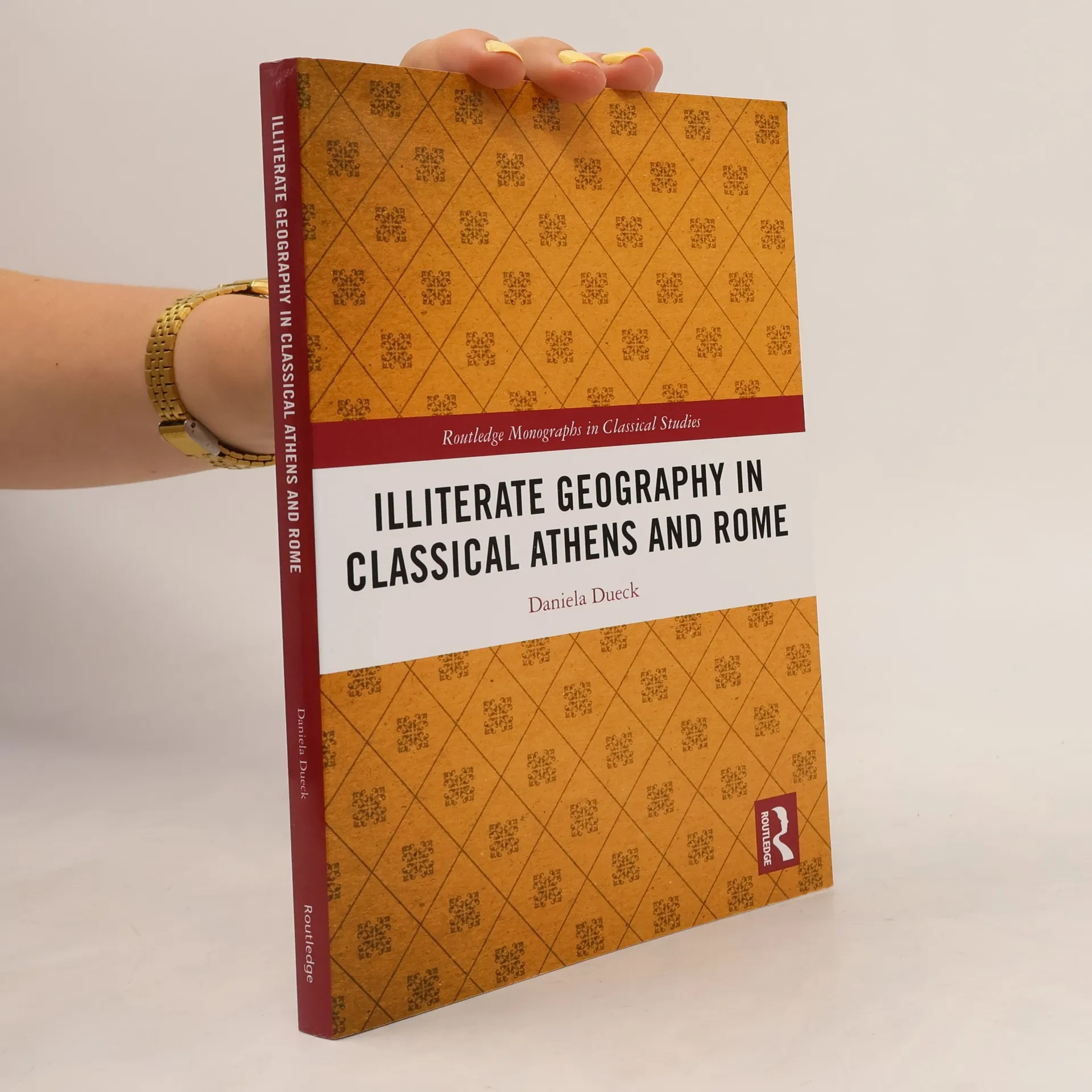
Routledge Monographs in Classical Studies: Illiterate Geography in Classical Athens and Rome
- 278 Seiten
- 10 Lesestunden
This study is devoted to the channels through which geographic knowledge circulated in classical societies outside of textual transmission. It explores understanding of geography among the non-elites, as opposed to scholarly and scientific geography solely in written form which was the province of a very small number of learned people. It deals with non-literary knowledge of geography, geography not derived from texts, as it was available to people, educated or not, who did not read geographic works. This main issue is composed of two central questions: how, if at all, was geographic data available outside of textual transmission and in contexts in which there was no need to write or read? And what could the public know of geography? In general, three groups of sources are relevant to this quest: oral communications preserved in writing; public non-textual performances; and visual artefacts and monuments. All of these are examined as potential sources for the aural and visual geographic knowledge of Greco-Roman publics. This volume will be of interest to anyone working on geography in the ancient world and to those studying non-elite culture.
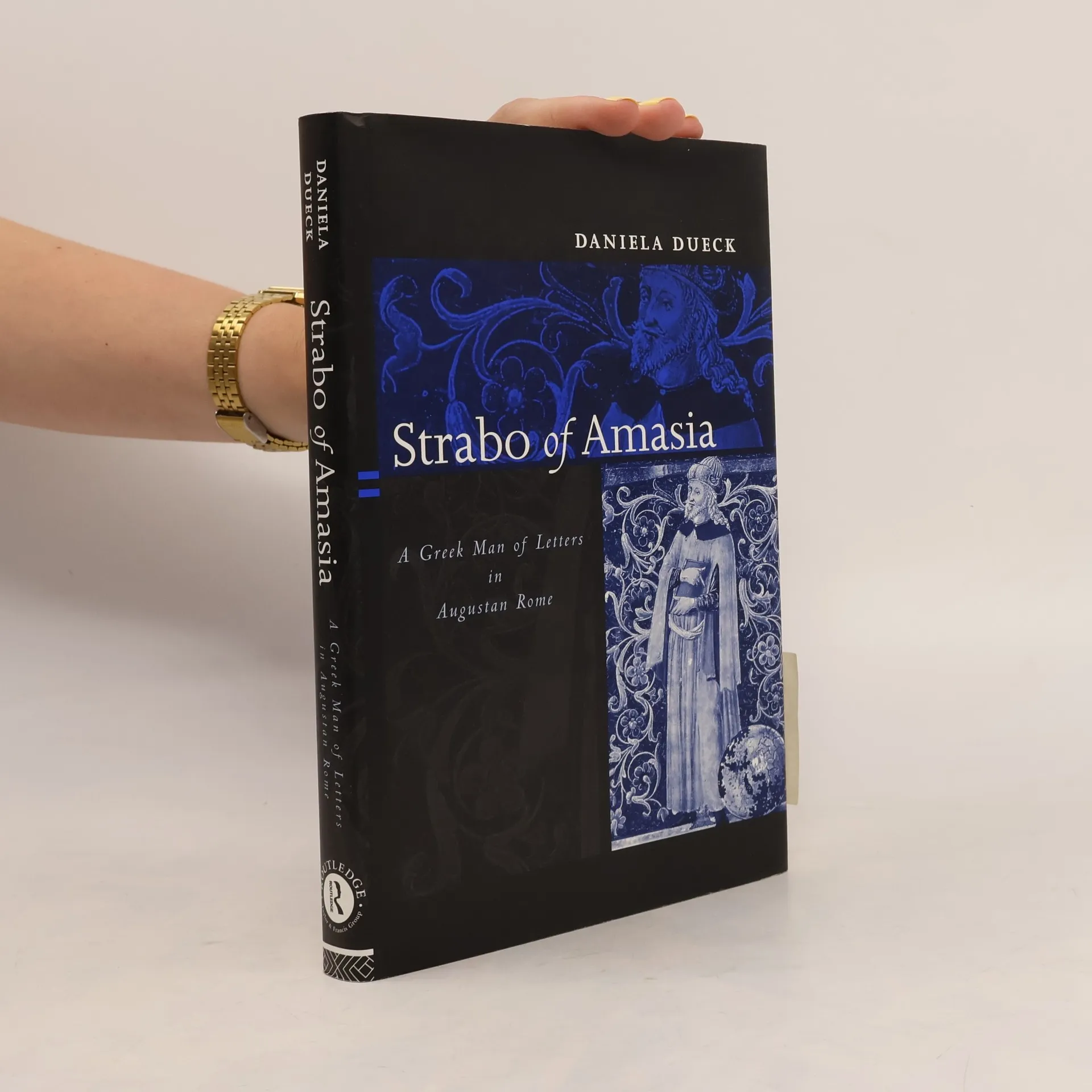
Strabo of Amasia offers an intellectual biography of Strabo, a Greek man of letters, set against the political and cultural background of Augustan Rome. It offers the first full-scale interpretation of the man and his life in English. It emphasises the place and importance of Strabo's Geography and of geography itself within these intellectual circles. It argues for a deeper understanding of the fusion of Greek and Roman elements in the culture of the Roman Empire. Though he wrote in Greek, Strabo must be regarded as an 'Augustan' writer like Virgil or Livy.
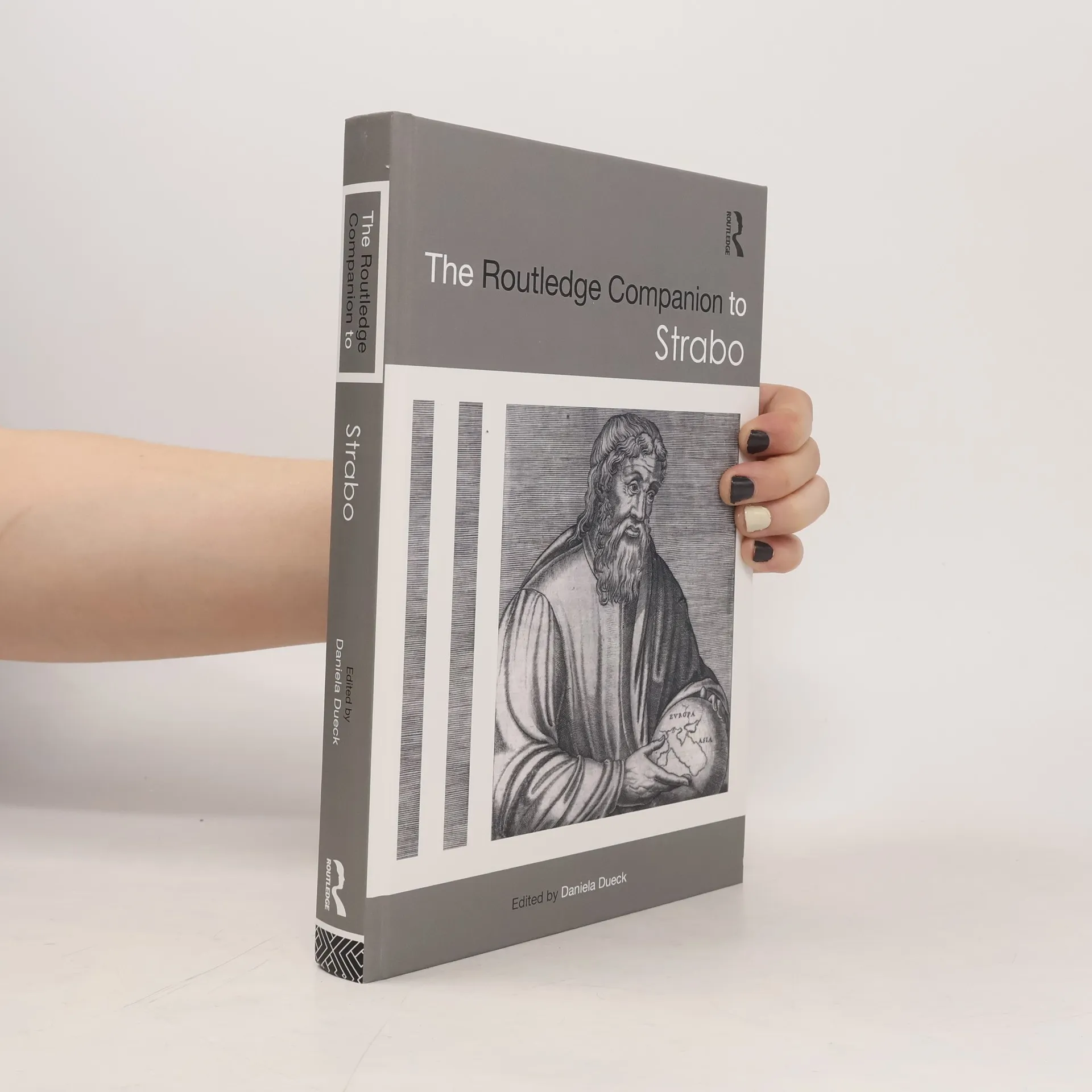
The Routledge Companion to Strabo
- 408 Seiten
- 15 Lesestunden
The Routledge Companion to Strabo explores the works of Strabo of Amasia ( c. 64 BCE – c. CE 24), a Greek author writing at the prime of Roman expansion and political empowerment. While his earlier historiographical composition is almost entirely lost, his major opus of the Geography includes an encyclopaedic look at the entire world known at the numerous ethnographic, topographic, historical, mythological, botanical, and zoological details, and much more. This volume offers various insights to the literary and historical context of the man and his world. The Companion , in twenty-eight chapters written by an international group of scholars, examines several aspects of Strabo’s personality, the political and scholarly environment in which he was active, his choices as an author, and his ideas of history and geography. This selection of ongoing Strabonian studies is an invaluable resource not just for students and scholars of Strabo himself, but also for anyone interested in ancient geography and in the world of the early Roman Empire.
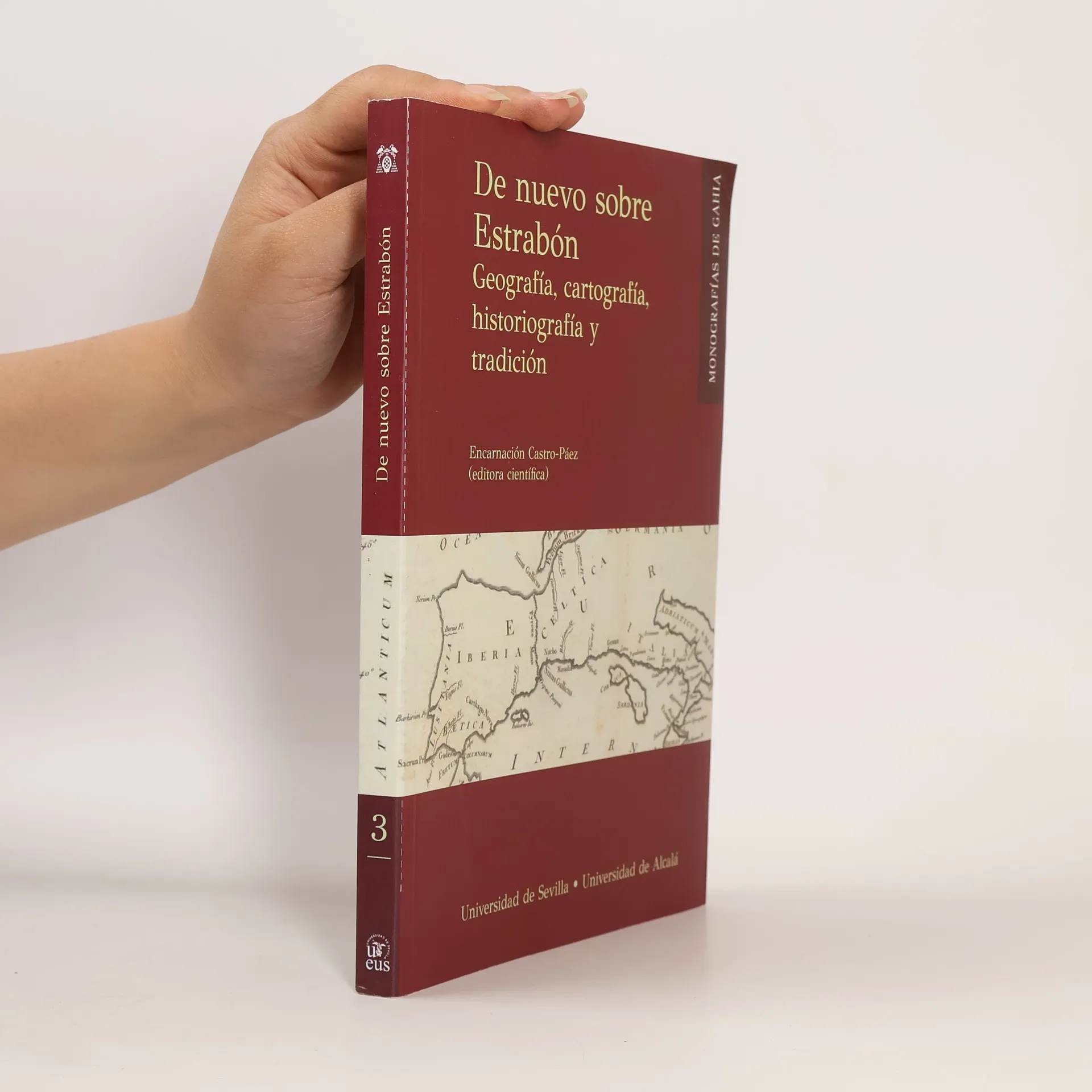
Monografías de Gahia - 3: De nuevo sobre Estrabón
Geografía, cartografía, historiografía y tradición
- 186 Seiten
- 7 Lesestunden