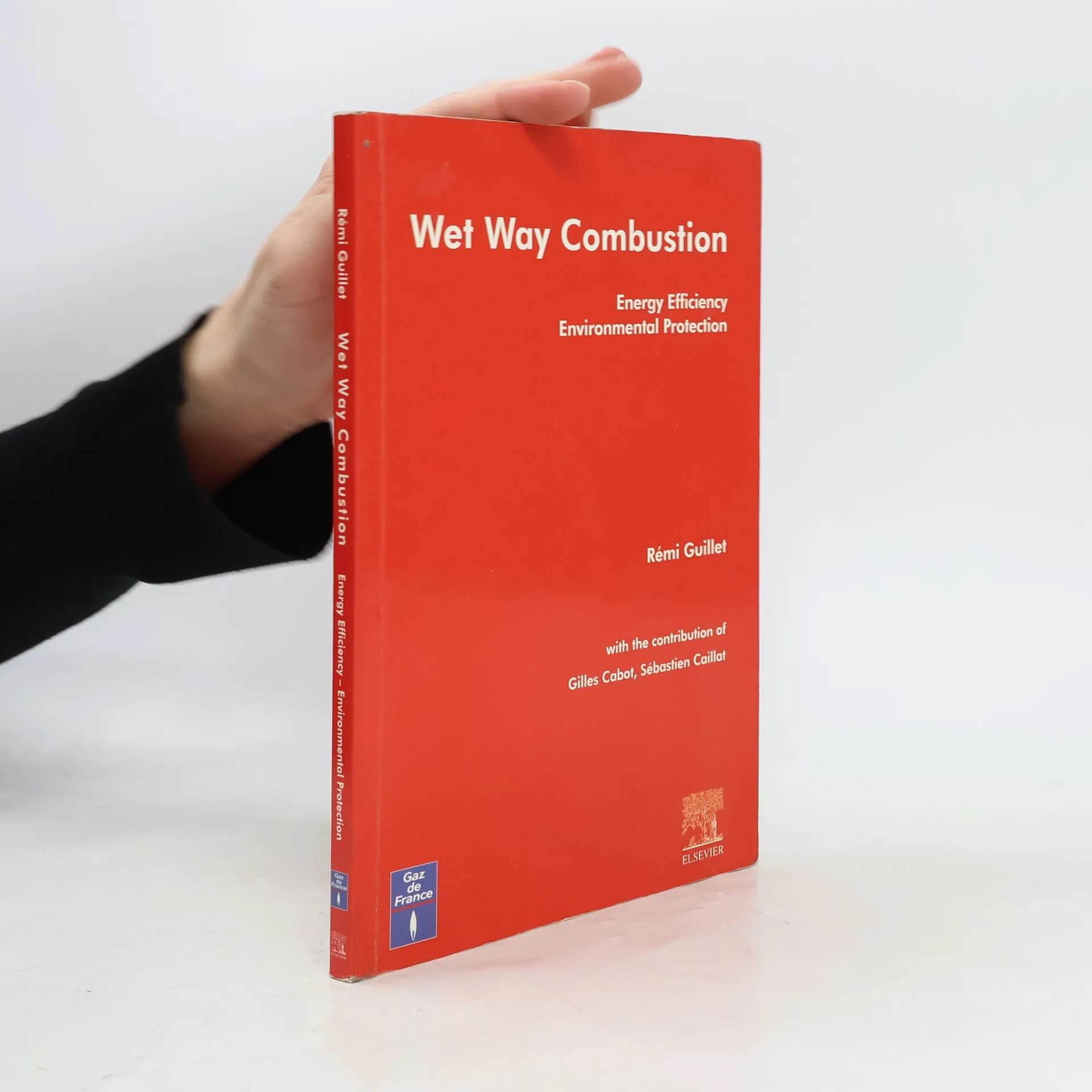
For many years, water has been used as an 'additive' component to improve combustion efficiency, to boost power and even as an anti-knock agent. Today, the challenge is to find new ways to promote energy conservation and to minimize environmental impact... The use of additional water offers an attractive response to this challenge of making optimum use of the qualities inherent to certain fuels, natural gas in particular. Using a 'wet combustion' technique, gas turbine efficiency can be increased substantially, resulting in a corresponding decrease in CO2 emissions and a significant reduction in NOX formation. Water vapor pumps, which perform combustion with a humidified combustion agent, offer outstanding energy efficiency and environmental performance. In wet combustion techniques, three fluids are supplied to the process: the fuel, the oxidizing or combustion agent and water. The resulting flue gases leave the process enriched in water, which may undergo a phase change during the process. To simplify the analysis of these 'three inlet combustion processes', a new analysis method, using the wet bulb temperature of the flue gases as a basic parameter, is presented and many useful diagrams are established...
Gilles Cabot Reihenfolge der Bücher (Chronologisch)