

Gratis Versand ab € 16,99. Mehr Infos.
Bookbot

Amartya K. Sen

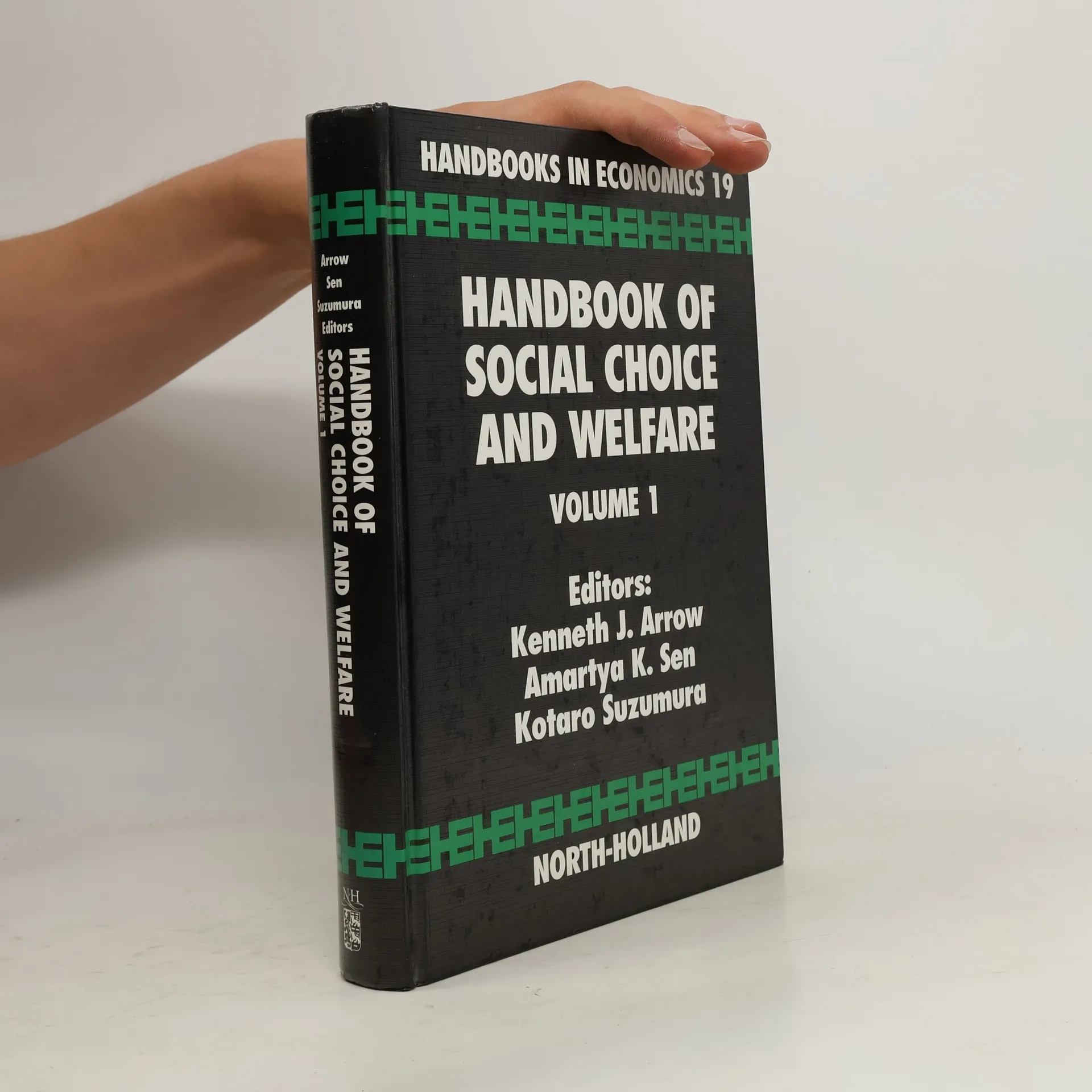
    Handbooks in Economics - 19: Handbook of Social Choice and Welfare
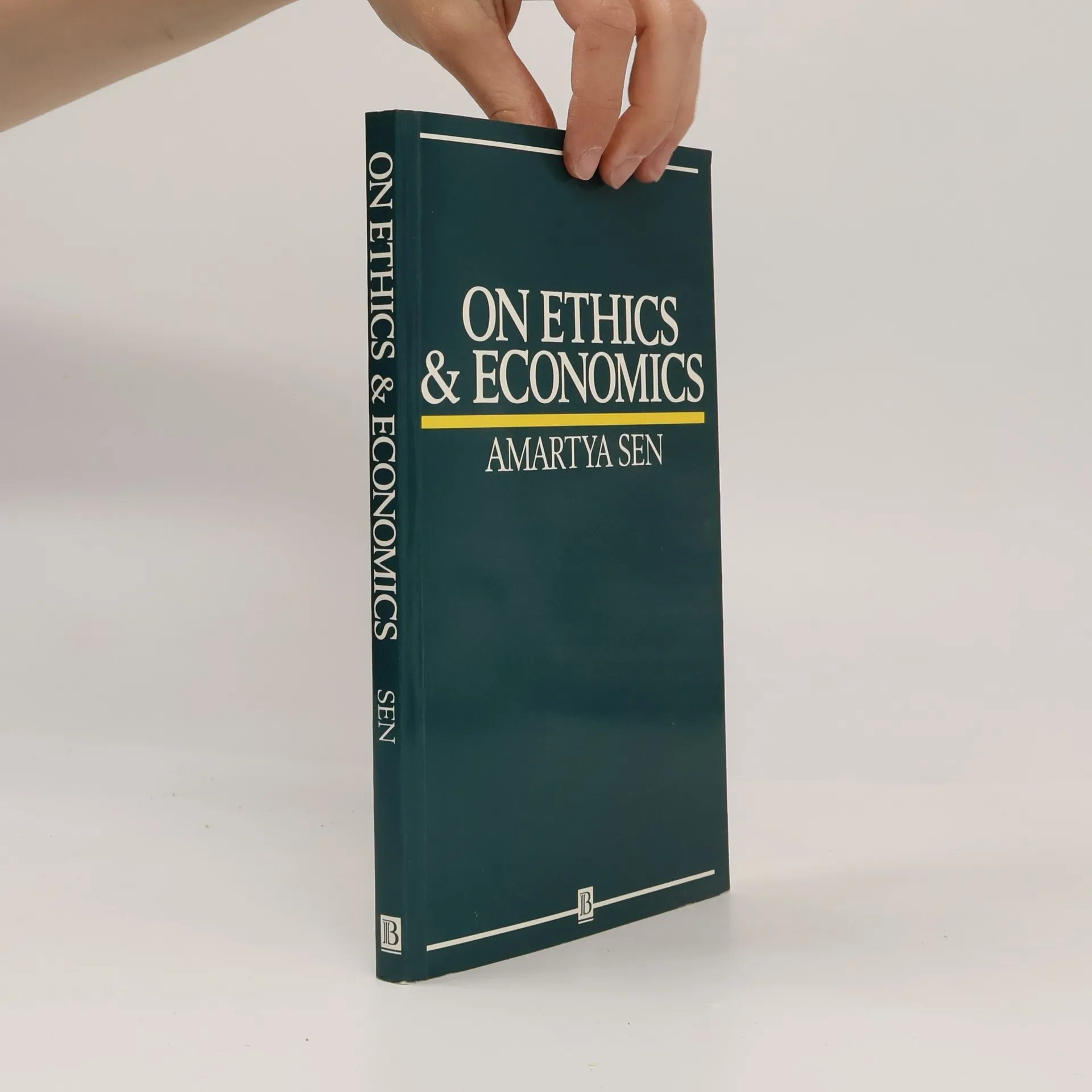
    On Ethics and Economics
    Die Identitätsfalle
    • Die Identitätsfalle

      • 207 Seiten
      • 8 Lesestunden

      „Gewalt wird dadurch angefacht, dass man leichtgläubigen Leuten, die in die Hände von kundigen Fachleuten des Terrors fallen, ausschließliche Identitäten aufschwatzt.“ Amartya Sen Identität kann eine Quelle von Stolz und Freude, Kraft und Selbstvertrauen sein – und sie kann töten. Hemmungslos töten. Das geschieht, wenn Identität durch die Ausgrenzung von anderen Menschen zementiert wird und so Differenz in Hass umschlägt. Aber diese Identitäten sind Konstrukte und verabsolutieren einzelne Merkmale. Lange vor dem Aufstieg identitärer Bewegungen überall auf der Welt hat der indische Philosoph und Nobelpreisträger Amartya Sen in diesem Buch gezeigt, dass Identitäten niemals statisch sind und kein Mensch nur eine einzige Identität besitzt. Es hat bis heute nichts von seiner Aktualität verloren und legt überzeugend dar, warum die Einsicht in die universale Vielfalt der menschlichen Existenz der Schlüssel zu einer friedlicheren Welt ist.

      Die Identitätsfalle
      3,9
    • On Ethics and Economics

      • 148 Seiten
      • 6 Lesestunden

      In this elegant critique, Amartya Sen argues that welfare economics can be enriched by paying more explicit attention to ethics, and that modern ethical studies can also benefit from a closer contact with economies. He argues further that even predictive and descriptive economics can be helped by making more room for welfare-economic considerations in the explanation of behaviour.

      On Ethics and Economics
      3,4
    • The Handbook of Social Choice and Welfare, in two volumes, features essays on social choice theory and welfare economics. The first volume is divided into four parts. Part 1 focuses on Arrovian impossibility theorems, exploring the implications of the majority cycle identified by Condorcet and surveying various escape routes from such results. Part 2 examines the operation and performance of voting schemes and cost-sharing mechanisms, alongside modern theories of incentives and mechanism design. Part 3 delves into the structure of social choice rules, discussing positional rules of collective decision-making, game-theoretic aspects of committee voting, and the implications of interpersonal comparisons of welfare. It critically assesses utilitarianism as a theory of justice and surveys the foundations of measuring inequality and poverty. An extensive introduction by Kotaro Suzumura contextualizes these topics within the historical background of social choice theory, highlighting the impact of Arrow's work and the socialist planning controversy. The Handbook aims to provide an accessible overview of contemporary social choice theory and welfare economics, offering insights into human well-being and collective decision-making, while serving as a resource for evaluating new scholarship and synthesizing existing research.

      Handbooks in Economics - 19: Handbook of Social Choice and Welfare