

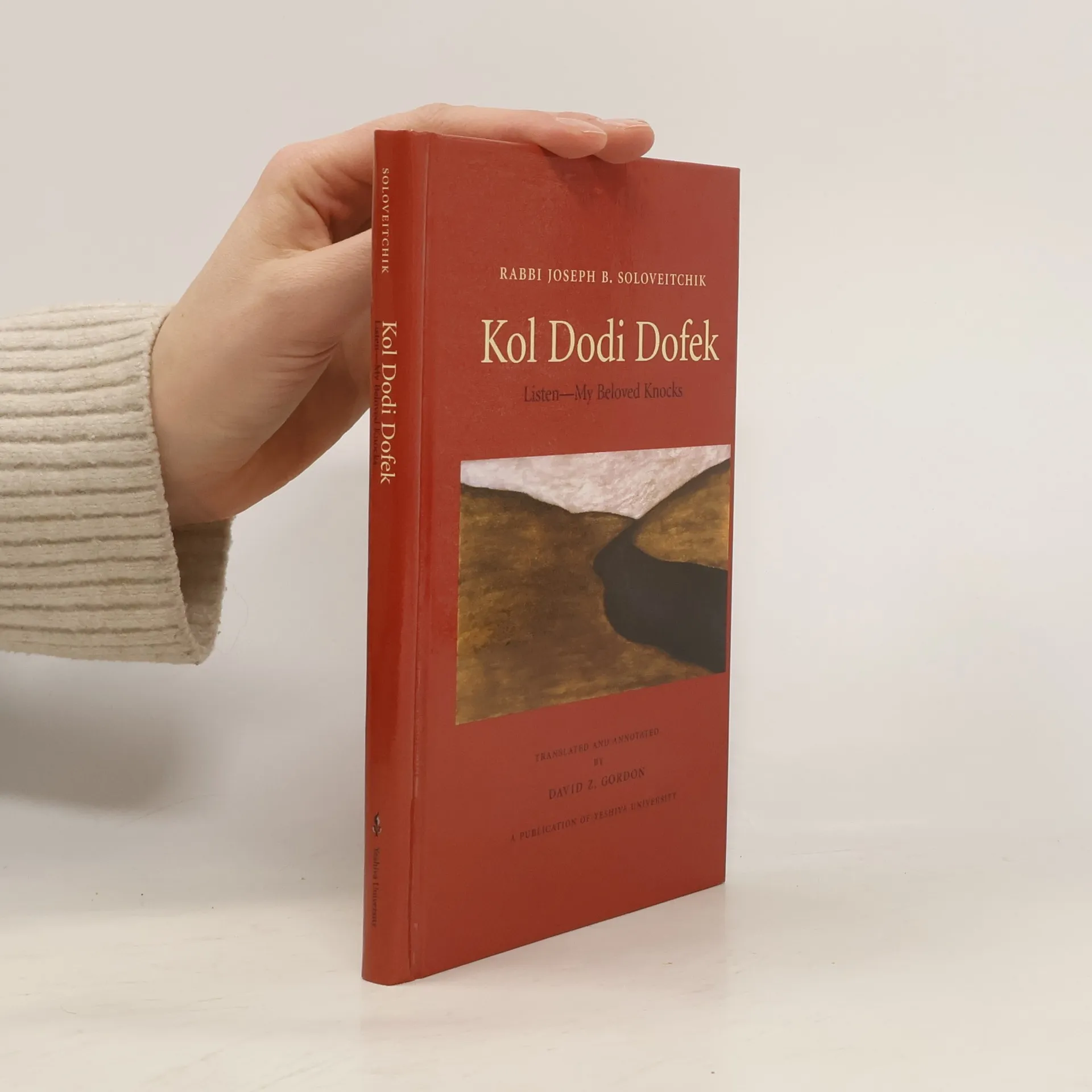
Rabbi Soloveitchik's influential approach to theodicy emphasizes that in the face of catastrophe, we should not ask why, as that question is unanswerable. Instead, we must focus on how we can grow as individuals and as a community. He addresses the enormity of the Shoah and the miracle of Israel's founding, urging us to consider our responses. Soloveitchik contrasts a life of fate, where one is passive, with a life of destiny, where one actively participates. The focus shifts from questioning the reason for evil to rectifying and uplifting ourselves. In times of distress, he asks how we can avoid succumbing to despair and instead learn from the past. He emphasizes that a Jew who shares in the suffering of their nation but does not engage in its destiny through Torah and mitzvot undermines their own uniqueness. Conversely, an observant Jew who distances themselves from Jewish fate also desecrates their identity. Using the language of Shir HaShirim, he illustrates the relationship between the Jewish people and Hashem, highlighting tragic hesitation in responding to divine calls. He cites significant moments, such as the UN resolution recognizing Israel and miraculous military victories, as divine knocks that we have not adequately answered. Soloveitchik's essay underscores the need for sophisticated understanding to appreciate Hashem's workings, particularly in light of the challenges posed to Christian theology by the events of
Joseph B. Soloveitchik Bücher
Rabbi Joseph B. Soloveitchik war eine einzigartige Tora-Persönlichkeit, die tiefgreifende Expertise in religiöser Tradition mit umfassender weltlicher Gelehrsamkeit, einschließlich eines Doktortitels der Universität Berlin, verband. Sein Leben war geprägt von unerschütterlicher Hingabe an das Studium der Tora, das er rigoros verfolgte und lehrte und damit Tausende beeinflusste. Obwohl er sich der Wahrung der Tradition verpflichtet fühlte, trat er anderen mit Höflichkeit und Respekt gegenüber, selbst wenn er sich für die Bewahrung der Tora-Prinzipien einsetzte. Seine Lehren leiteten seine Schüler in ihren Interaktionen und legten ein historisches Prinzip für den Dialog fest, das bis heute Einfluss hat.

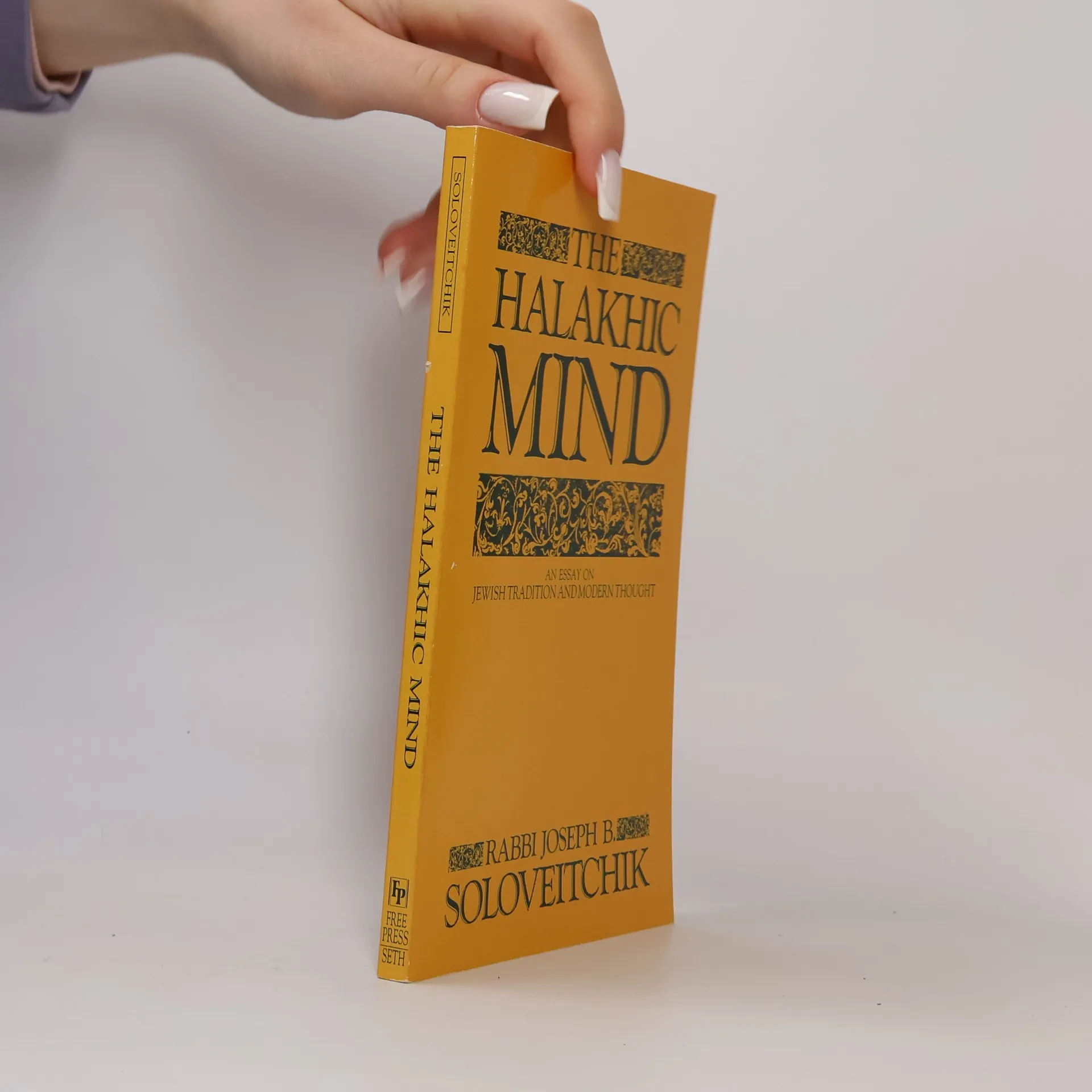
From Simon & Schuster, The Halakchic Mind is an essay on Jewish tradition and modern thought from Rabbi Joseph B. Soloveitchik.Discusses the conflict between philosophy and science, examines the growth of religious knowledge, and shows how the Halakha, Jewish religious law, can be used to formulate a new religious outlook.
The Lonely Man of Faith
- 111 Seiten
- 4 Lesestunden
The Lonely Man of Faith is a timeless philosophical essay by one of the twentieth century's greatest Jewish philosophers, Talmudic scholars, and religious leaders, Rabbi Joseph B. Soloveitchik. In this classic work, Rabbi Soloveitchik probes the inner experiences of those who seek both redemptive closeness with God and creative engagement with the world. With characteristic brilliance and eloquence, he delineates the struggle of people of faith to navigate between seemingly contradictory aspects of the human condition: the spiritual and the material, the religious and the scientific, the covenantal and the majestic. Highlights of this newly revised edition of The Lonely Man of Faith include: Transliterations and translations of the Hebrew, fully sourced references, restoration of the original chapter divisions and a new introduction by Rabbi Reuven Ziegler.
Halakhic man
- 164 Seiten
- 6 Lesestunden
The best single introduction to Jewish religious thought in print. — Theology Today National Jewish Book Award Winner Halakhic Man is the classic work of modern Jewish and religious thought by the twentieth century’s preeminent Orthodox Jewish theologian and talmudic scholar. It is a profound excursion into religious psychology and phenomenology, a pioneering attempt at a philosophy of halakhah, and a stringent critique of mysticism and romantic religion.
Rabbi Joseph B. Soloveitchik ("the Rav") has left a formidable legacy of public lectures, or derashot. These discourses combined profound halakhic depth with emotional power, completely mesmerizing his audience. The Rav would weave halakhah and homiletics so compellingly that the line between them blurred and often disappeared entirely. This merging of derush and halakhah is particularly evident in those derashot that were presented in Yiddish. Unfortunately, because many young people today do not understand Yiddish,these lectures have not been accessible to them. In this volume, Dr. Lustiger has summarized, organized and annotated seven of Rabbi Soloveitchik’s most riveting derashot. He includes Biblical, Talmudic and Midrashic sources, and provides cross-references with citations from Rabbi Soloveitchik’s written works as well as historical notes that provide context to important themes in these lectures.
Esej Halachický člověk je nejproslulejším dílem významného židovského rabína a filosofa Josefa Solovějčika (1903-1993). Autor v něm načrtává základní rysy svého pojetí halachické existence, tedy způsobu života moderního ortodoxního Žida, který na jedné straně lpí na tradičních hodnotách biblického a talmudického učení, posvěcených generacemi předků a vyjádřených v teologickém pojmu halacIš ha-halacha-galuj ve-nistara, a na druhé straně je otevřen podnětům vědeckého myšlení moderní západní společnosti. Ideální typ halachického člověka je srovnáván se dvěma jinými moderními typy lidské existence, kterými jsou člověk náboženský a člověk vědecký (matematický přírodovědec). S vědcem halachický člověk sdílí jeho racionální zájem o podstatu a fungování světa, s obecně náboženským člověkem má společnou touhu po transcendentnu. Halacha představuje svébytný existenciální postoj: je to nejen praktický návod k životu, ale i teoretická reflexe a tvůrčí náprava vezdejšího světa, které je halachický člověk mocen díky své schopnosti pokání. Esej vzbudil velkou pozornost už v době svého prvního vydání (1944) a od té doby ovlivnil několik generací talmudických učenců a filosofů, a to nejen židovských. Vychází v edici Judaica.