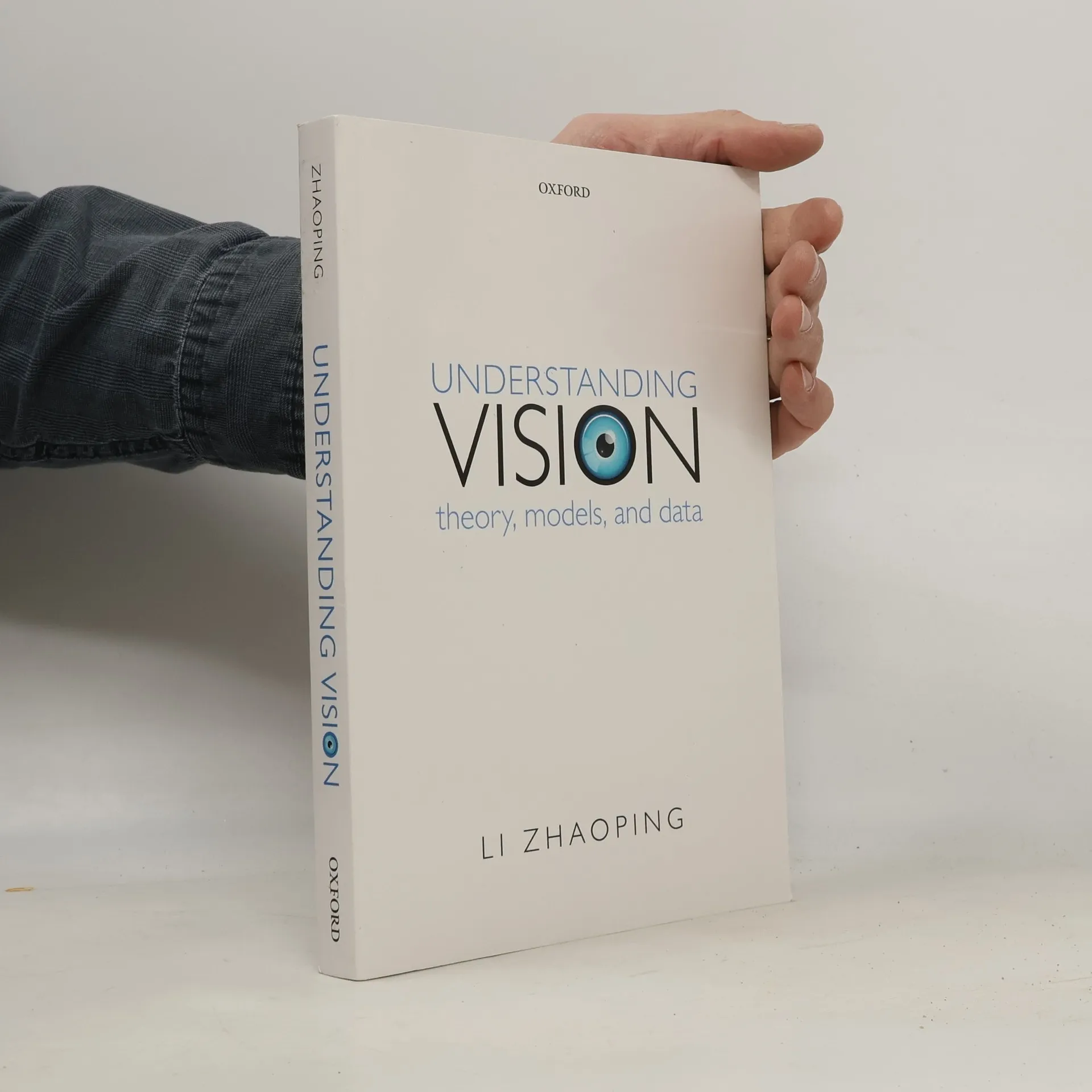
The field of vision science has expanded significantly over the past thirty years, yet few comprehensive resources guide readers in adopting a computational approach to visual perception and the brain's underlying mechanisms. This book elucidates the computational principles and models of biological visual processing, particularly in primate vision. It is designed for vision scientists who may not be well-versed in mathematical details, allowing them to grasp theoretical principles and their connections to physiological, anatomical, and psychological observations without delving into complex mathematics. For those with a background in physical sciences, especially machine vision, it serves as an analytical introduction to biological vision. It can function as a textbook or reference for vision or computational neuroscience courses aimed at graduate or advanced undergraduate students, and is also suitable for self-learners. Readers can focus on specific chapters, such as Chapter 2 on experimental observations, Chapter 3 on visual input encoding, Chapter 5 on sensory-driven visual attentional selection, and Chapter 6 on visual perception or decoding. With numerous examples illustrating the application of computational principles to experimental findings, this resource is invaluable for students and researchers in computational neuroscience, vision science, machine vision, and physicists interested in visual processes.
Li Zhaoping Reihenfolge der Bücher (Chronologisch)