Jonathan SacksReihenfolge der Bücher (Chronologisch)
8. März 1948 – 7. November 2020
Rabbi Lord Jonathan Sacks war ein tiefgründiger Denker, dessen Schriften sich mit einer breiten Palette von Themen befassten, von Ethik und religiösem Fundamentalismus bis hin zur Beziehung zwischen Wissenschaft und Religion. Seine Arbeit bietet tiefe Einblicke in die Komplexität des modernen Lebens und sucht nach bedeutungsvollen Verbindungen zwischen Tradition und zeitgenössischem Denken. Sacks war eine gefragte Stimme für seine Fähigkeit, die jüdische Philosophie so zu artikulieren, dass sie ein breites Publikum ansprach, und seine Essays und Bücher werden für ihre intellektuelle Tiefe und rhetorische Gewandtheit geschätzt. Er befasste sich mit wichtigen Fragen von Krieg und Frieden und hinterließ ein Erbe als umsichtiger und inspirierender Schriftsteller.
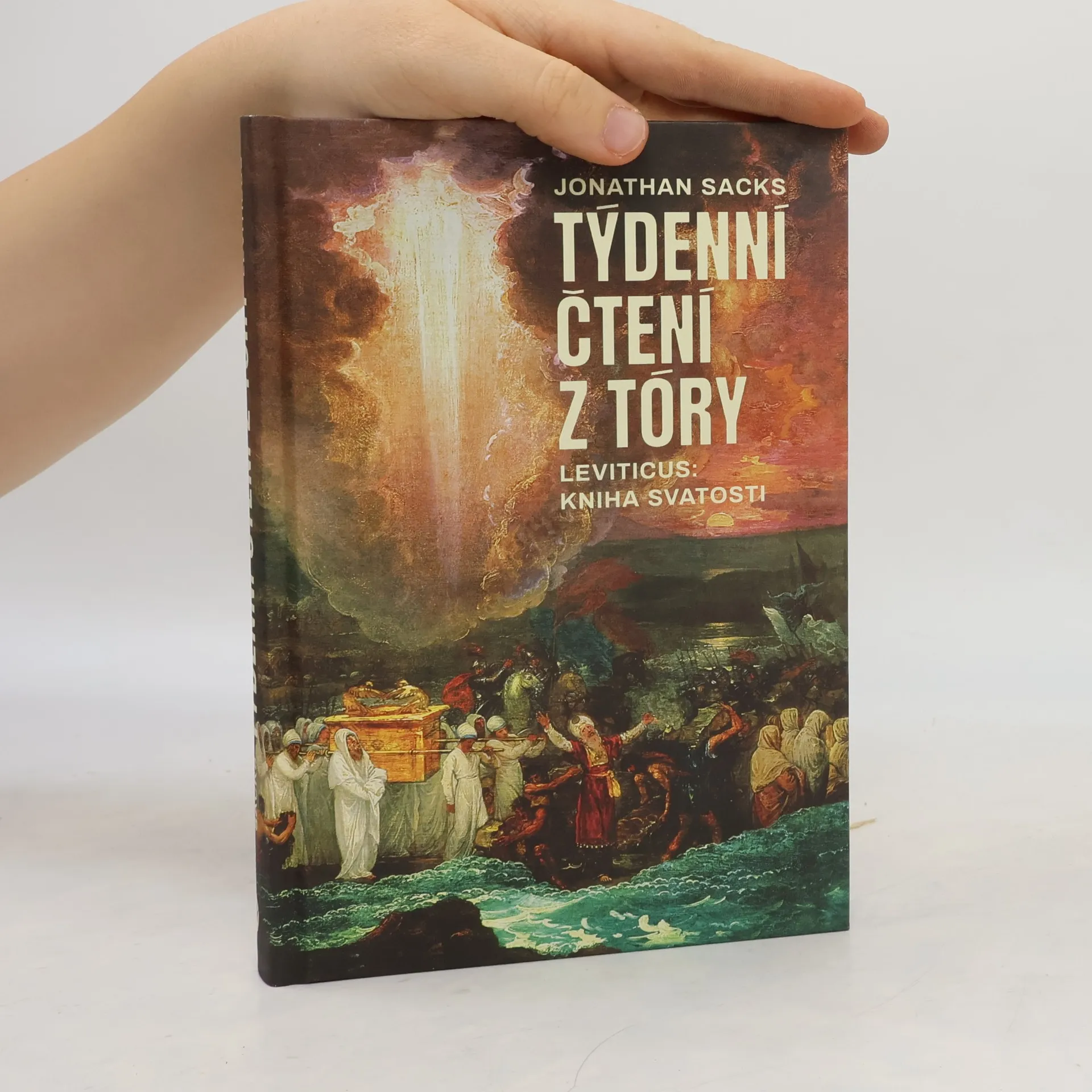
Rabín Jonathan Sacks předkládá čtenářům své úvahy nad biblickou knihou Numeri, zabývá se problémy současnosti na pozadí starozákonních textů a naopak vysvětluje biblické texty na příkladech z dnešního světa. Jak zmiňují recenzenti a kritici, jedná se o výjimečnou publikaci propojující tradiční texty s problémy 21. století, autor se věnuje řadě detailů a přitom je schopen převodu na dnešnímu čtenáři pochopitelnější paralely. Jde o v pořadí čtvrtou knihu cyklu pravidelných úvah nad tématy týdenních oddílů čtení Tóry, nazvaného Covenant & Conversation.
Exploring the future of British society, this work by Rabbi Sacks addresses the challenges confronting liberal democracy. It delves into societal values, the importance of community, and the potential threats posed by divisiveness and extremism. The book emphasizes the need for moral leadership and a shared vision to foster unity and resilience in the face of contemporary issues. Enhanced by a new foreword from Daniel Finkelstein, it serves as a thought-provoking reflection on the state of democracy and the role of faith in public life.
The fifth edition of the classic text Thinking and Deciding updates the broad overview of the field of judgments and decisions offered in previous editions. It covers the normative standards used to evaluate conclusions, such as logic, probability, and various forms of utility theory. It explains descriptive accounts of departures from these standards, largely in terms of principles of cognitive psychology, emphasizing the distinction between search processes and inferences. Chapters cover decisions under risk, decision analysis, moral decisions and social dilemmas, and decisions about the future. Although the book assumes no particular prerequisites beyond introductory high-school algebra, it is most suited to advanced undergraduates, early graduate students, and active researchers in related fields, such as business, politics, law, medicine, economics, and philosophy.
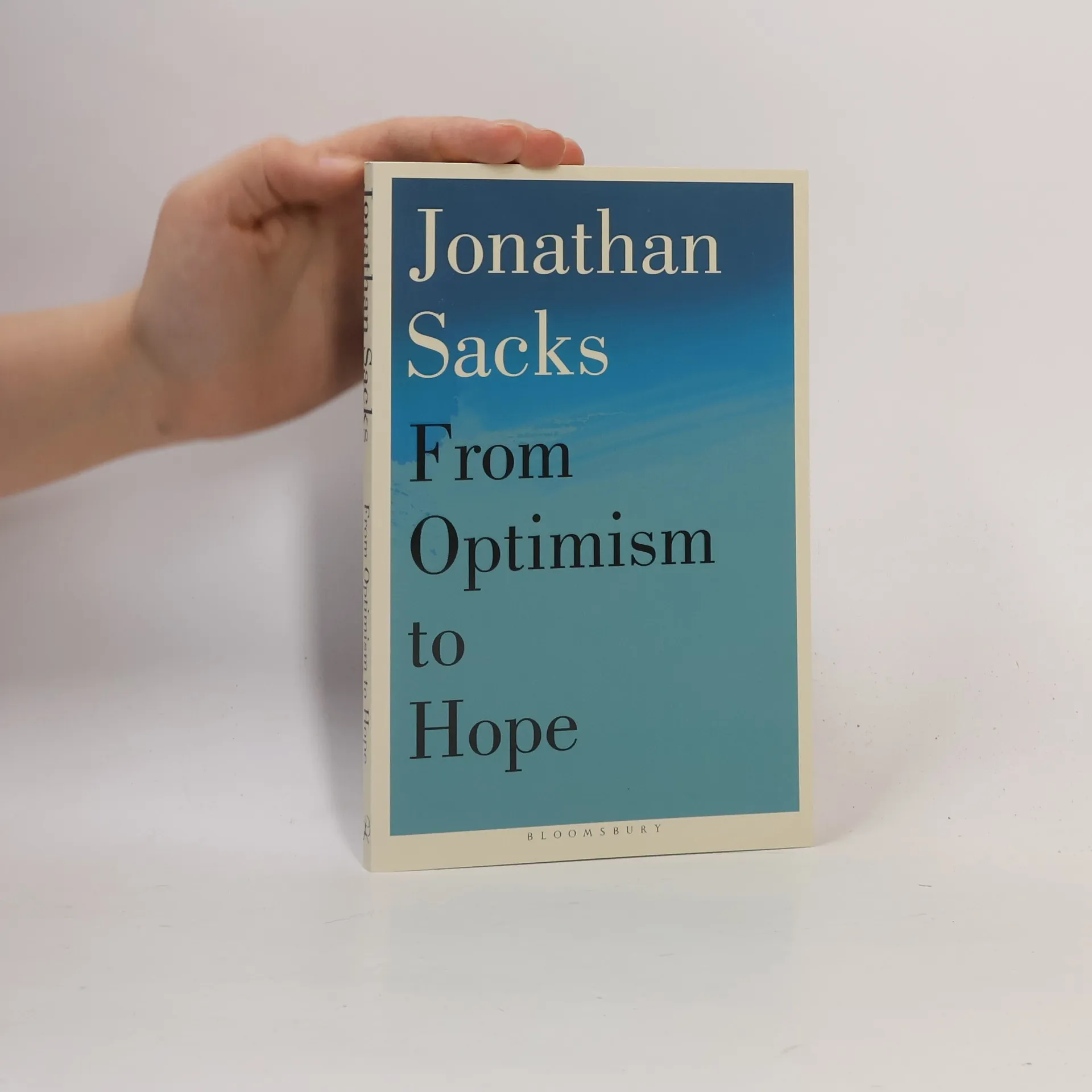
Lord Jonathan Sacks (1948–2020) byl světově proslulý rabín, filozof, spisovatel a náboženská i morální autorita. Je autorem třiceti pěti knih, včetně dlouho očekávaného nového anglického překladu a komentáře ortodoxního siduru, Koren Sacks Sidur, a zásadních komentářů k Roš ha-šana,Jom kipur a Pesach Machzorim. Řada jeho knih získala literární ceny. Mezi lety 1991 a 2013 zastával funkci vrchního rabína Velké Británie a Commonwealthu. Princ Charles ho nazval „světlem národa“ a Tony Blair „intelektuálním velikánem“. Rabín Sacks pravidelně vystupoval v rozhlase, televizi a přispíval do tištěných médií jak v Británii, tak po celém světě a často přednášel na univerzitách. Za svou práci získal řadu mezinárodních ocenění. Roku 2005 byl povýšen do šlechtického stavu, v roce 2009 se stal doživotním členem Sněmovny lordů britského parlamentu.
Time and again, in the midst of troubled times or facing difficult decisions, I've found the words of the weekly parasha giving me guidance - or, conversely, the events themselves granting me deeper insight into the Torah text. For that is what 'Torah' means: teaching, instruction, guidance. Torah is a commentary on life, and life is a commentary on Torah. Together they constitute a conversation, each shedding light on the other. So wrote Rabbi Sacks in the introduction to his first collection of essays on the weekly Torah portion. In I Believe, the final cycle of Covenant & Conversation essays written before his untimely passing, we are brought full circle, with Rabbi Sacks giving us a personal and intimate demonstration of how he came to see the world through listening attentively to the Torah and its message for the present and for all times. In this deeply uplifting collection of essays, Rabbi Sacks identifies and explores a different Jewish belief in each weekly portion, showing us how his own beliefs were formed from an ongoing conversation between the Torah and his life, and how we can achieve the same.
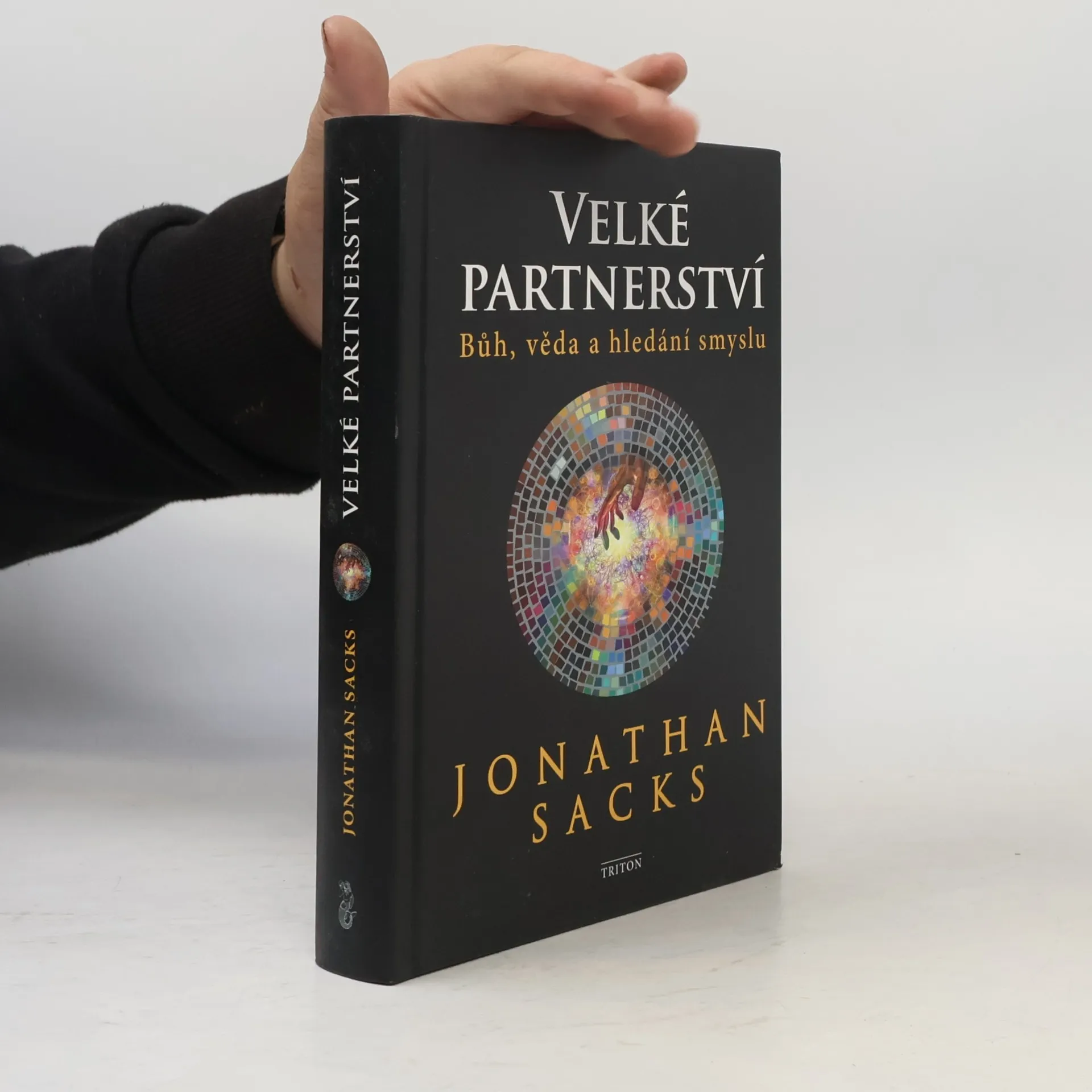
Věda rozebírá věci na součástky, aby pochopila, jak fungují. Náboženství skládá věci dohromady, aby pochopilo jejich smysl.
Jonathan Sacks energicky hájí komplementárnost vědy a náboženství. Svá tvrzení zdůvodňuje celou škálou historických a filozofických argumentů, aby nám dokázal, že k pochopení pozice člověka ve světě je zapotřebí obojí.
Srovnáním příkladů z různých kultur a pátráním hluboko v historii lidské řeči a dějin západní civilizace Sacks ukazuje, že současný konflikt mezi vědou a náboženstvím je postaven na falešné dichotomii. Víra odjakživa sehrávala v lidské kultuře významnou úlohu, inspirovala člověka k mravní velikosti a umožňovala mu budovat společenství, chovající v úctě každého jednotlivce a pěstující vztahy, založené na laskavosti a vnímavosti.
Náboženství nejenže zdaleka není čímsi bezvýznamným a okrajovým, ale má zásadní roli v tříbení a kultivování vědecké debaty. Dějiny totiž jasně ukazují, že ztratí-li společnost svou duši, ztratí zakrátko i svou budoucnost.
What is Judaism? A religion? A faith? A way of life? A set of beliefs? A collection of commands? A culture? A civilization? It is all these, but it is emphatically something more. It is a way of thinking about life, a constellation of ideas. One might think that the ideas Judaism introduced into the world have become part of the common intellectual heritage of humankind, at least of the West. Yet this is not the case. Some of them have been lost over time; others the West never fully understood. Yet these ideas remain as important as ever before, and perhaps even more so. In this inspiring work, Rabbi Sacks introduces his readers to one Life-Changing Idea from each of the weekly parashot.
Rabín Jonathan Sacks předkládá čtenářům své úvahy nad knihou Exodus, zabývá se problémy současnosti na pozadí starozákonních textů a naopak vysvětluje biblické texty na příkladech z dnešního světa. Jak zmiňují recenzenti a kritici, jedná se o výjimečnou publikaci propojující tradiční texty s problémy 21. století, autor se věnuje řadě detailů a přitom je schopen převodu na dnešnímu čtenáři pochopitelnější paralely. Jde o v pořadí druhou knihu cyklu pravidelných úvah nad tématy týdenních oddílů čtení Tóry, nazvaného Covenant & Conversation
"In Morality, the distinguished religious leader and philosopher Rabbi Jonathan Sacks diagnoses our troubled times as a period of "cultural climate change." Delivering an insightful critique of our modern condition, and assessing its roots and causes from the ancient Greeks through the Reformation and Enlightenment to the present day, Sacks argues that there is no liberty without morality, and no freedom without responsibility"--
Von den großen Illustratoren unserer Zeit zu lernen ohne diese zu kopieren: Mit diesem Band lässt sich anschaulich und sehr analytisch nachvollziehen, wie die Meister ihres Fachs an unterschiedliche Schlüsselelemente in der Illustration herangehen. Wie entstehen ausdrucksstarke Charakter? Wie werden Karikaturen lebendig? Wie erschafft man mit unverkrampftem Strich Symbole und Metaphern? Mit unzähligen Arbeiten international erfolgreicher Kreativen wie Christoph Niemann, Lorenzo Petrantoni, Lotta Niemien, Noma Bar oder Olimpia Zagnoli widmen sich die einzelnen Kapitel verschiedenen Elementen in der Illustration. So präsentiert sich nicht nur eine reichhaltige Inspirationsquelle – durch diesen spannenden Aufbau wird auch für den ganz persönlichen Strich ein konzeptioneller Zugang zu den alltäglichen Herausforderungen ermöglicht. Ob illustratives Lettering, die Entwicklung fantasievoller Welten oder aber Datenvisualisierung: Der Blick über die Schulter etablierter Illustratoren hilft immens, seinen ganz eigenen Stil zu entwickeln.
The Koren Sacks Birkon is a beautiful, long-lasting bencher. An English introduction and translation by the eloquent Rabbi Jonathan Sacks and award-winning photographs of natural scenery in Israel enhance the Hebrew text, which includes Kiddush, Birkat HaMazon, zemirot, Havdala and more. Treat yourself to a birkon, give them as gifts to your Shabbat hosts, or personalize them for a special occasion.
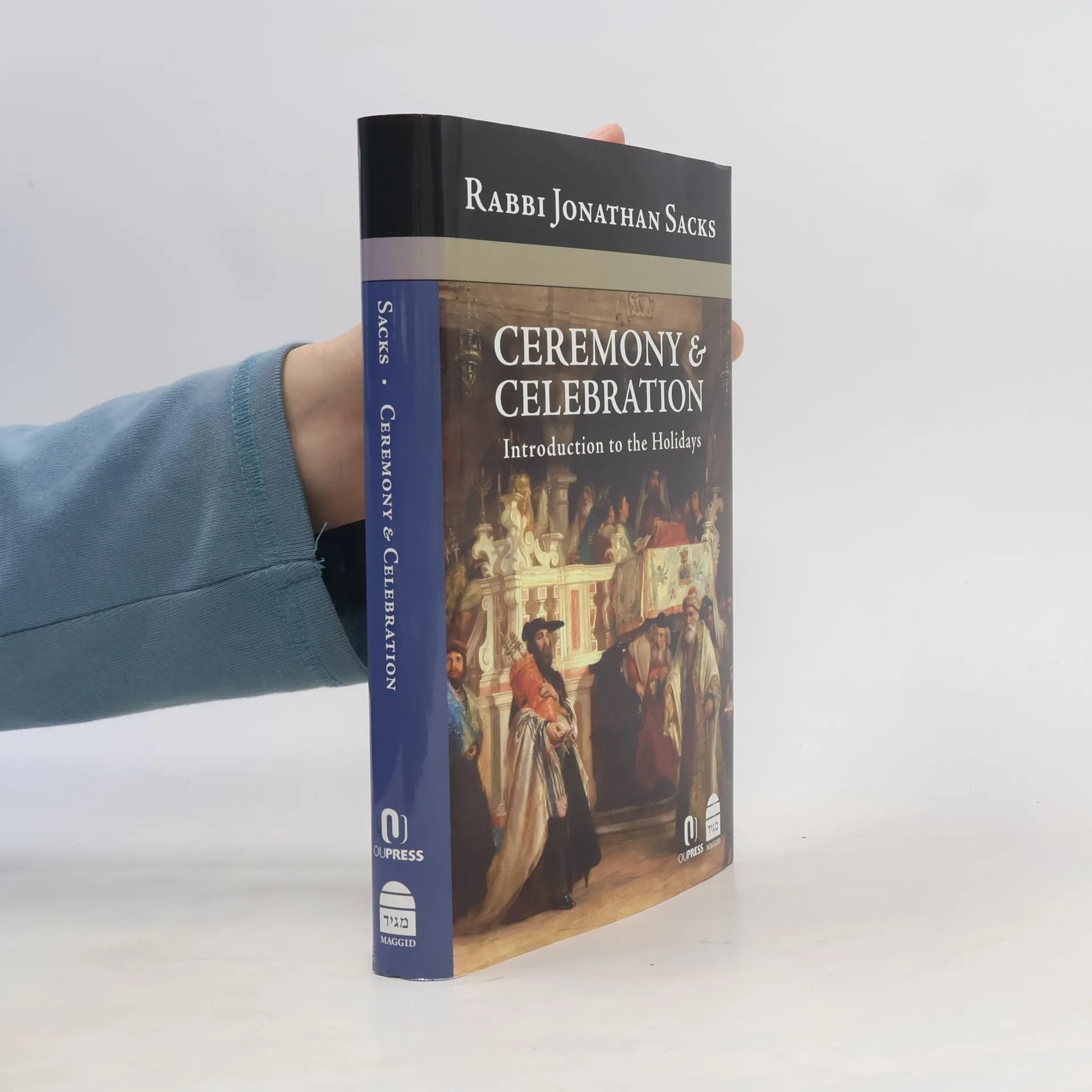
When did Rosh HaShana, the anniversary of creation, become a day of judgement? How does Yom Kippur unite the priest's atonement with the prophet's repentance? What makes Kohelet, read on Sukkot, the most joyful book in the Bible? Why is the remembrance of the Pesah story so central to Jewish morality? And which does Shavuot really celebrate the law or the land? Bringing together Rabbi Sacks's acclaimed introductions to the Koren Sacks Mahzorim, Ceremony & Celebration reveals the stunning interplay of biblical laws, rabbinic edicts, liturgical themes, communal rituals and profound religious meaning of each of the five central Jewish holidays.
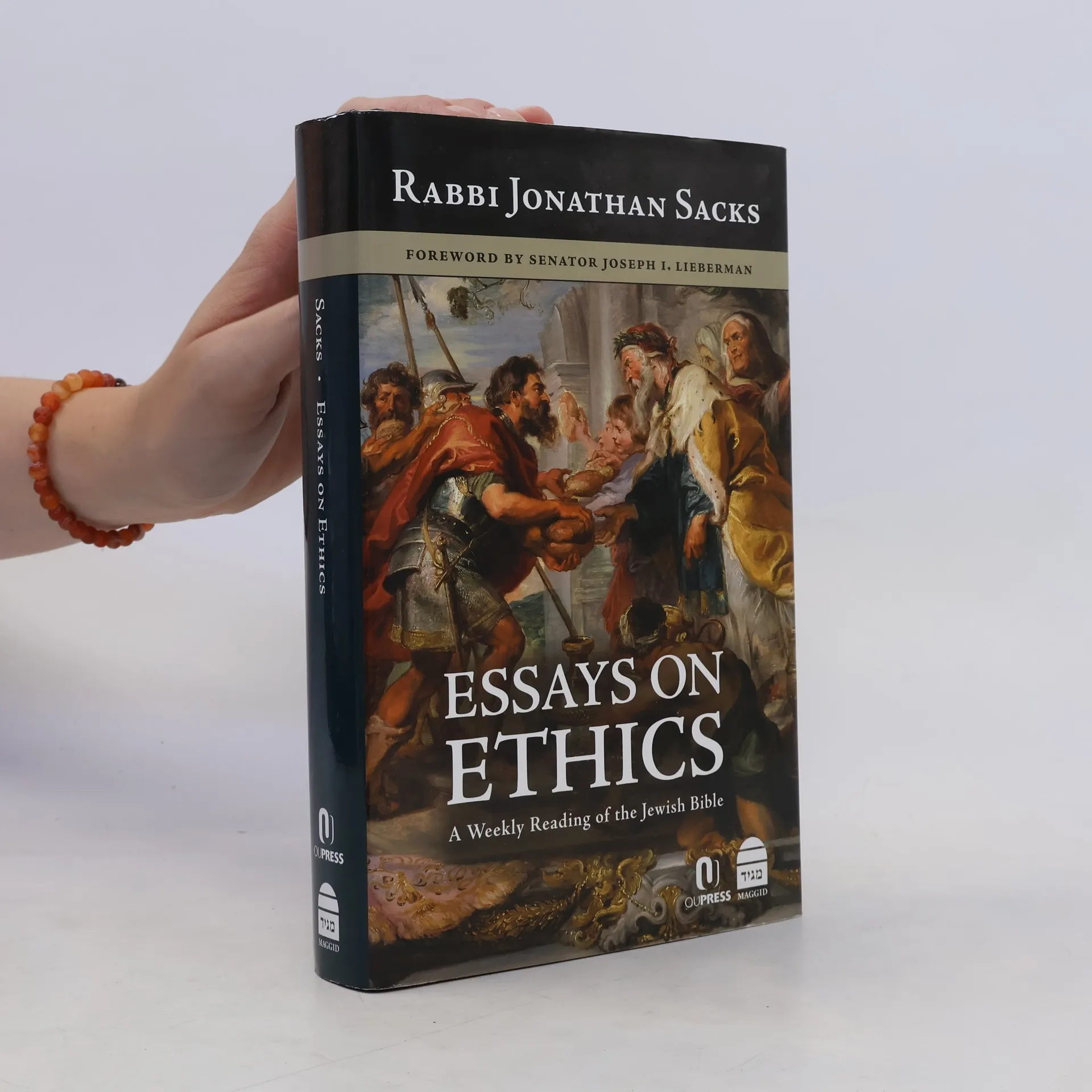
Why was Abraham ordered to sacrifice his son? Was Jacob right in stealing the blessings? Why were we commanded to destroy Amalek? What was Moses' sin in hitting the rock? And how did the Ten Commandments change the Jewish people, and humankind, for good? Essays on Ethics is the second companion volume to Rabbi Jonathan Sacks's celebrated series Covenant & Conversation. Believing the Hebrew Bible to be the ultimate blueprint for Western morality, Rabbi Sacks embarks upon an ethical exploration of the weekly Torah portion, uncovering its message of truth and justice, dignity and compassion, forgiveness and love.
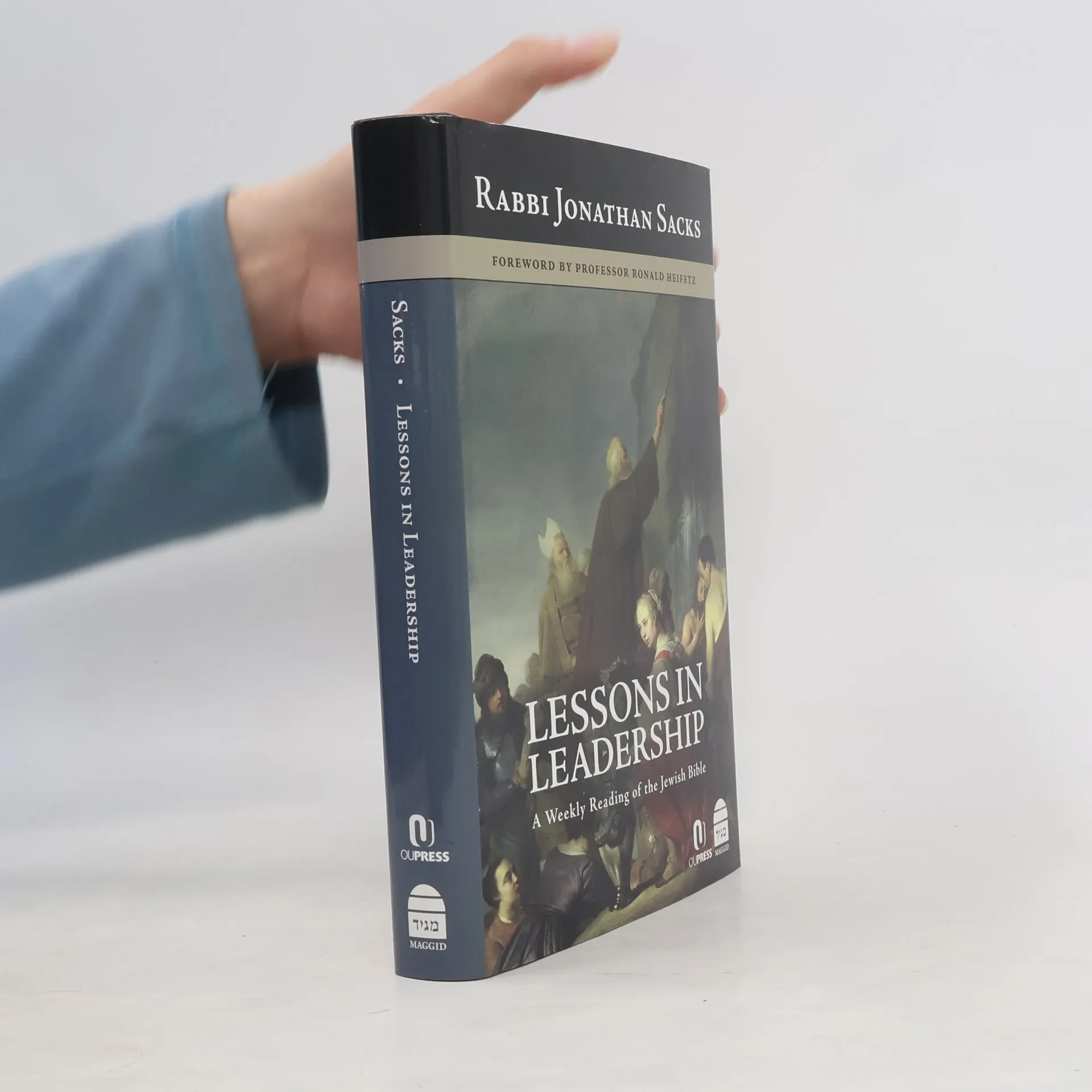
In this companion volume to his celebrated series Covenant & Conversation, Rabbi Jonathan Sacks mines the weekly Torah portions for insights into the nature of power, authority, and leadership. Based on the understanding that no man is born a leader, the book explores the principles, and perils, of becoming one. Profound, eloquent, and deeply inspiring, Lessons in Leadership reveals the biblical secrets of influence, as relevant now as they were three thousand years ago.
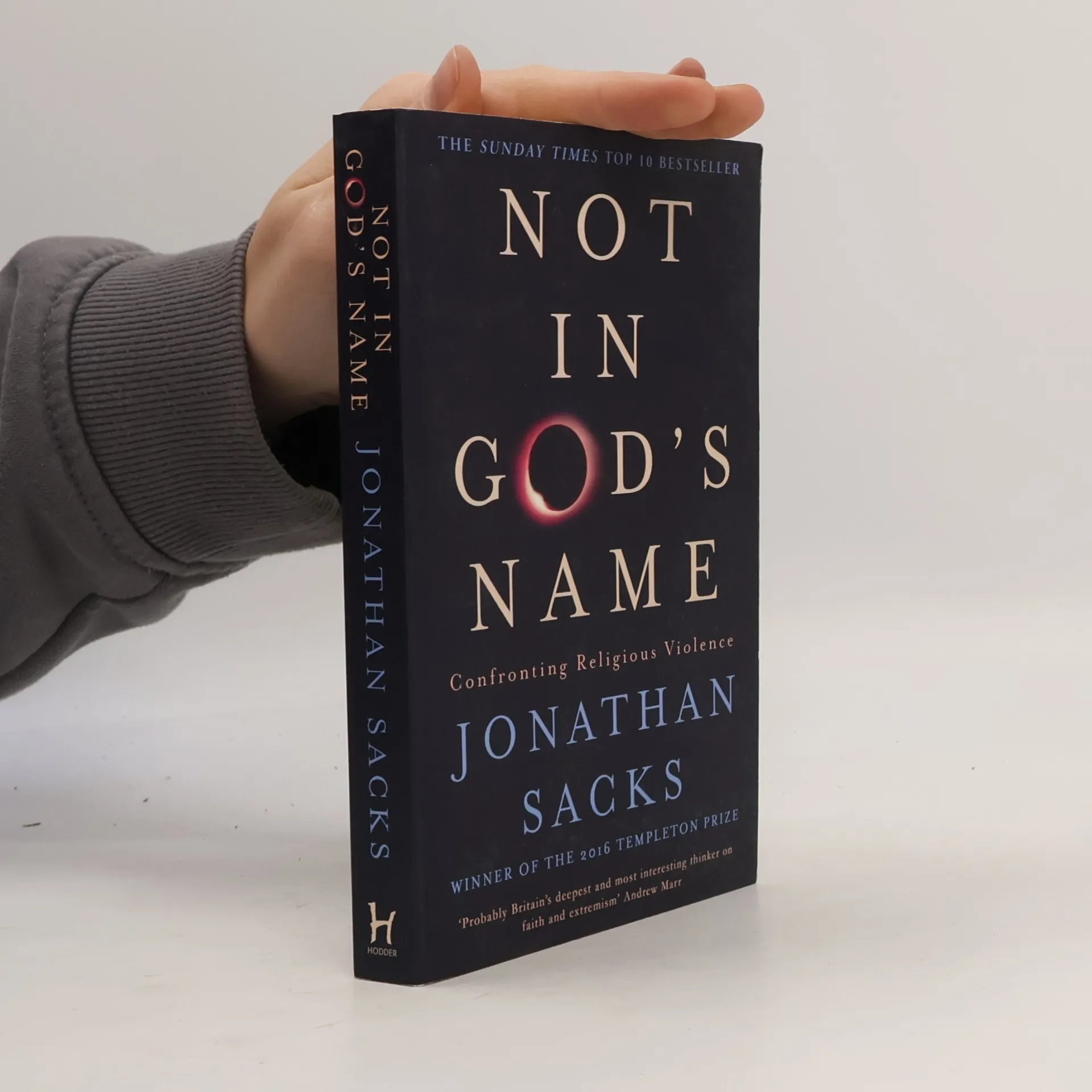
Despite predictions of continuing secularisation, the twenty-first century has witnessed a surge of religious extremism and violence in the name of God. In this powerful and timely book, Jonathan Sacks explores the roots of violence and its relationship to religion, focusing on the historic tensions between the three Abrahamic faiths: Judaism, Christianity and Islam. Drawing on arguments from evolutionary psychology, game theory, history, philosophy, ethics and theology, Sacks shows how a tendency to violence can subvert even the most compassionate of religions. Through a close reading of key biblical texts at the heart of the Abrahamic faiths, Sacks then challenges those who claim that religion is intrinsically a cause of violence, and argues that theology must become part of the solution if it is not to remain at the heart of the problem. This book is a rebuke to all those who kill in the name of the God of life, wage war in the name of the God of peace, hate in the name of the God of love, and practise cruelty in the name of the God of compassion. For the sake of humanity and the free world, the time has come for people of all faiths and none to stand together and declare: Not In God's Name.
Featuring a unique blend of textual accuracy and intuitive design, this siddur stands out as the first new Orthodox Hebrew/English prayer book in a generation. It includes insightful commentary and translations by Rabbi Jonathan Sacks, along with prayers for the State of Israel and its soldiers. Notably, it offers a halakhic guide for visitors, prayers for childbirth, and a modern transliteration. The festive cover is designed by renowned artist Yair Emanuel, making it a beautiful addition to any prayer experience.
The Koren Sacks Rosh HaShana Mahzor is an inspiring new high holiday prayer book. An invaluable introduction by Rabbi Jonathan Sacks guides you through the themes of the day. A brilliant commentary blends insights from Tanakh and classical sources with Rabbi Sacks' keen observations. An eloquent, contemporary translation makes the prayers accessible and meaningful. A sophisticated design brings out the power and poetry of the text. The Koren Sacks Rosh HaShana Mahzor enables you to enter the true spirit of Rosh HaShana and emerge into the new year renewed.
Rabbi Jonathan Sacks, Chief Rabbi of the United Hebrew Congregations of the Commonwealth in the United Kingdom offers a refreshing and insightful commentary to the Koren Haggada, together with illuminating essays on the themes and motifs of the Festival of Freedom. Sensitively translated, the traditional texts are carefully balanced alongside the Chief Rabbi's contemporary ideas, in a modern and user-friendly design. With new interpretations and in-depth analyses of the Passover liturgy and ritual, Rabbi Sacks' style is engaging, intelligent at times daring in its innovation and always inspiring. With essay titles as diverse as Pesah, Freud and Jewish Identity and Pesah and the Rebirth of Israel, as well as explorations of the role of women in the exodus, and the philosophy of leadership and nation-building, the Chief Rabbi's Haggada is a thought-provoking and essential companion at the Seder table.
Celebrate the Festival of Freedom with the new Koren Pesah Mahzor. Rabbi Sacks, renowned translation and commentary clarify the prayers and explore the themes of the festival, from slavery to nationhood, and from exile to freedom.
Jonathan Sacks sets out a clear and forceful argument for the complementary nature of science and religion, drawing on an eclectic range of historical and philosophical arguments to prove the necessity of both if we are to understand the human condition.
The Koren Sacks Rosh HaShana Mahzor combines Koren's sophisticated graphic design with Rabbi Jonathan Sacks' insightful translation, introduction, and commentary. This elegant prayer book provides a profound and meaningful experience for the Jewish New Year, appealing to both traditional and contemporary readers seeking inspiration and connection during this significant time.
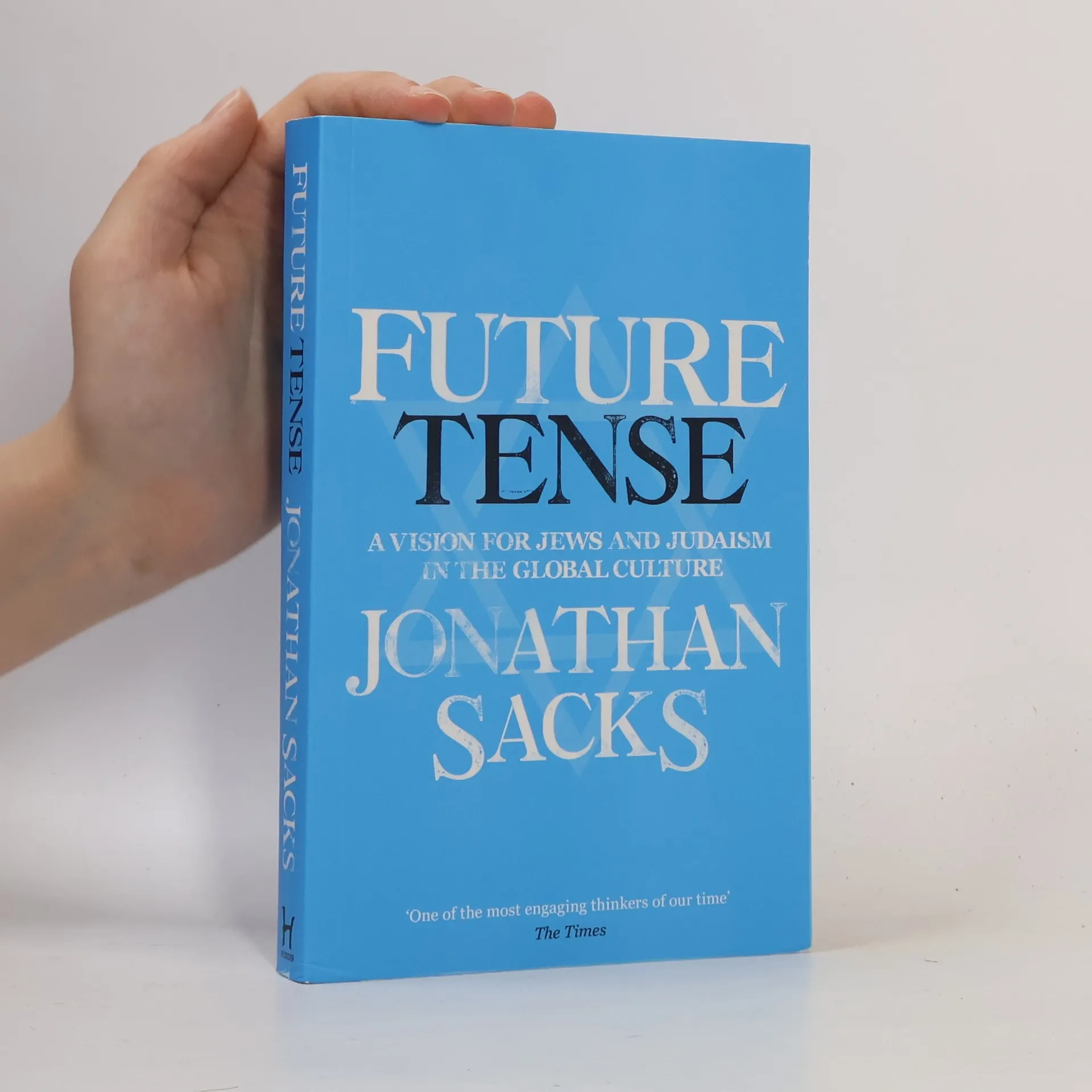
Historically, Jews have thought of themselves in terms of the biblical phrase, 'The people that dwells alone.' In the current global environment, this is dangerous. It leads to the isolation of Jews, Judaism and Israel. Too much contemporary Jewish writing is self-referential: Jews talking to Jews, preaching to the converted. Yet Jews cannot cure anti-Semitism alone. We need to persuade Jews and non-Jews alike that Jews, Judaism and Israel have something unique to contribute to the future.FUTURE TENSE does this. It moves beyond the 'they hate us' school of Jewish thought to provide an overarching vision for the future of Judaism, Jewish life and Israel for the twenty-first century.
Ist der 'Krieg der Kulturen' unausweichlich? Kann es gelingen, in einer immer enger werdenden Welt, in der sich fremde Kulturen näher rücken, einander freundlich und nicht feindlich zu begegnen? Welche Haltung kann den 'Kampf der Kulturen' verhindern? Jonathan Sacks skizziert in diesem Buch die Prinzipien einer Ethik globaler Gemeinschaft. Inmitten der hilflosen Gewalttätigkeit der Gegenwart macht Sachs deutlich, wo die Orientierungsmarken liegen für den Weg hinaus aus der Spirale des Hasses. Denn: 'Nie stand mehr auf dem Spiel - und wir haben die Wahl.' TIMES-Buch des Jahres 'Ein großes Werk!' INDEPENDENT-Buch des Jahres 'Ein prophetisches Buch.'
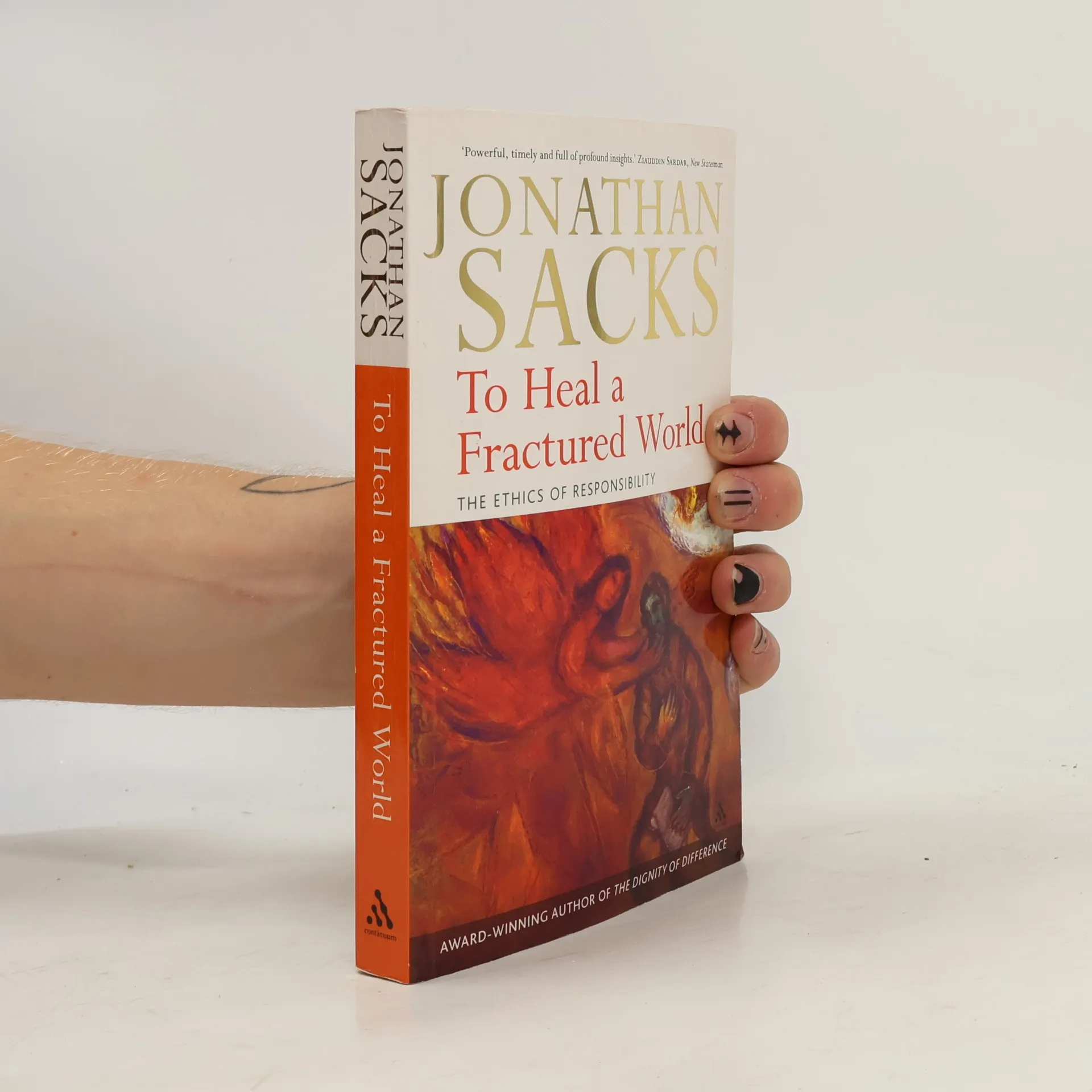
The Chief Rabbi propounds his views on the ethics of responsibility - believing that in this area the Jewish religion has much to contribute to the modern world, a world in urgent need of peace and reconciliation
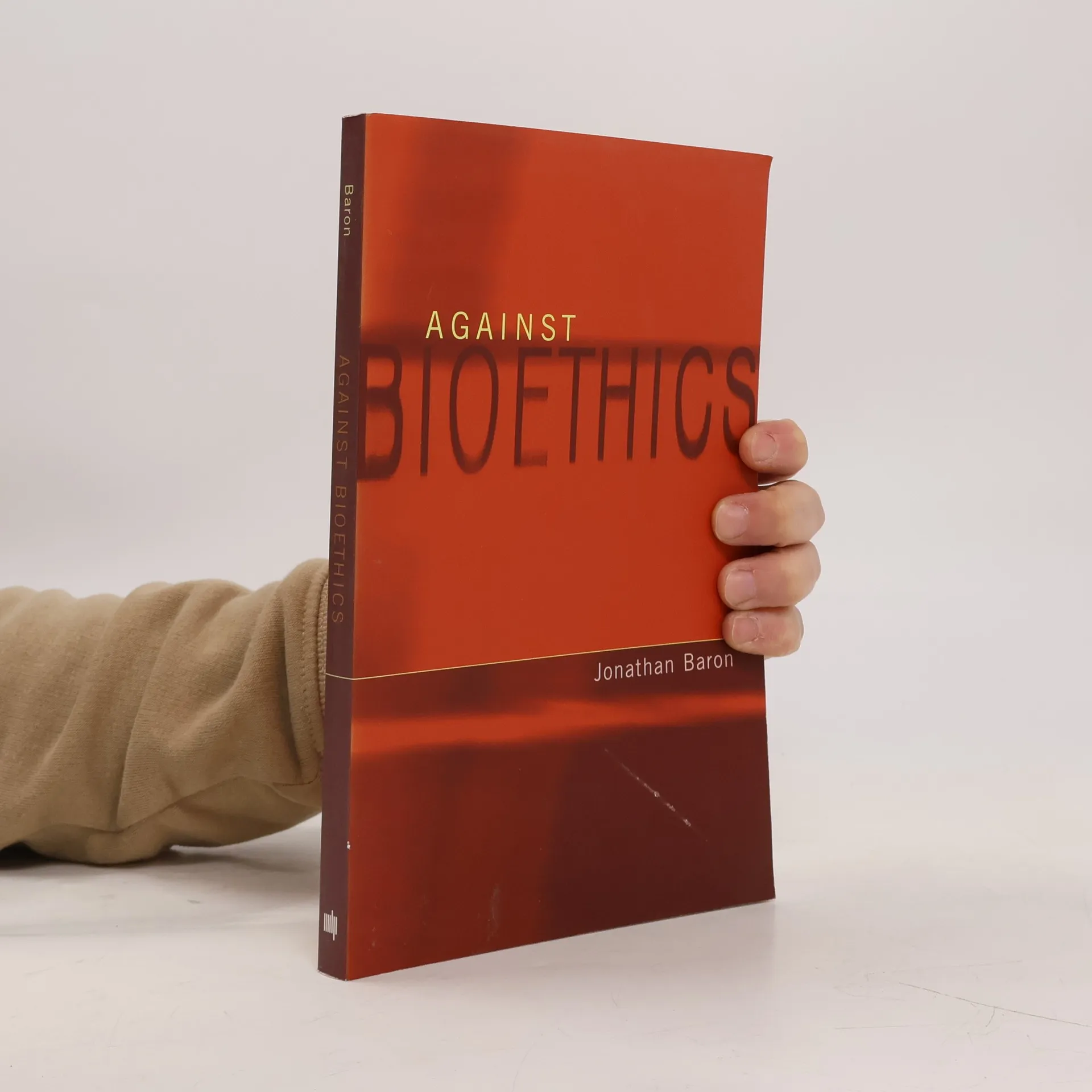
Governments, health professionals, patients, research institutions, and subjects often seek guidance from bioethicists on medical treatment and research decisions. However, Jonathan Baron argues that applied bioethics lacks a coherent guiding theory and relies heavily on intuitive judgments. He proposes an alternative framework based on utilitarianism and decision analysis. Utilitarianism posits that the best option maximizes expected good, while decision analysis helps evaluate risks and trade-offs of specific choices. This approach, akin to economics, uses data to predict outcomes in complex situations and directs human judgment toward consequential issues. With a solid theoretical foundation, bioethics could avoid decisions that contradict the expected good of those affected. Baron explores various bioethical issues that could benefit from this analysis, such as genetic enhancements, reproduction, end-of-life concerns (including advance directives, euthanasia, and organ donation), coercion and consent, conflicts of interest, and drug research. While critical of current bioethical practices, Baron believes that integrating utilitarianism and decision analysis could enable bioethics to provide authoritative guidance in addressing challenging medical and ethical dilemmas.
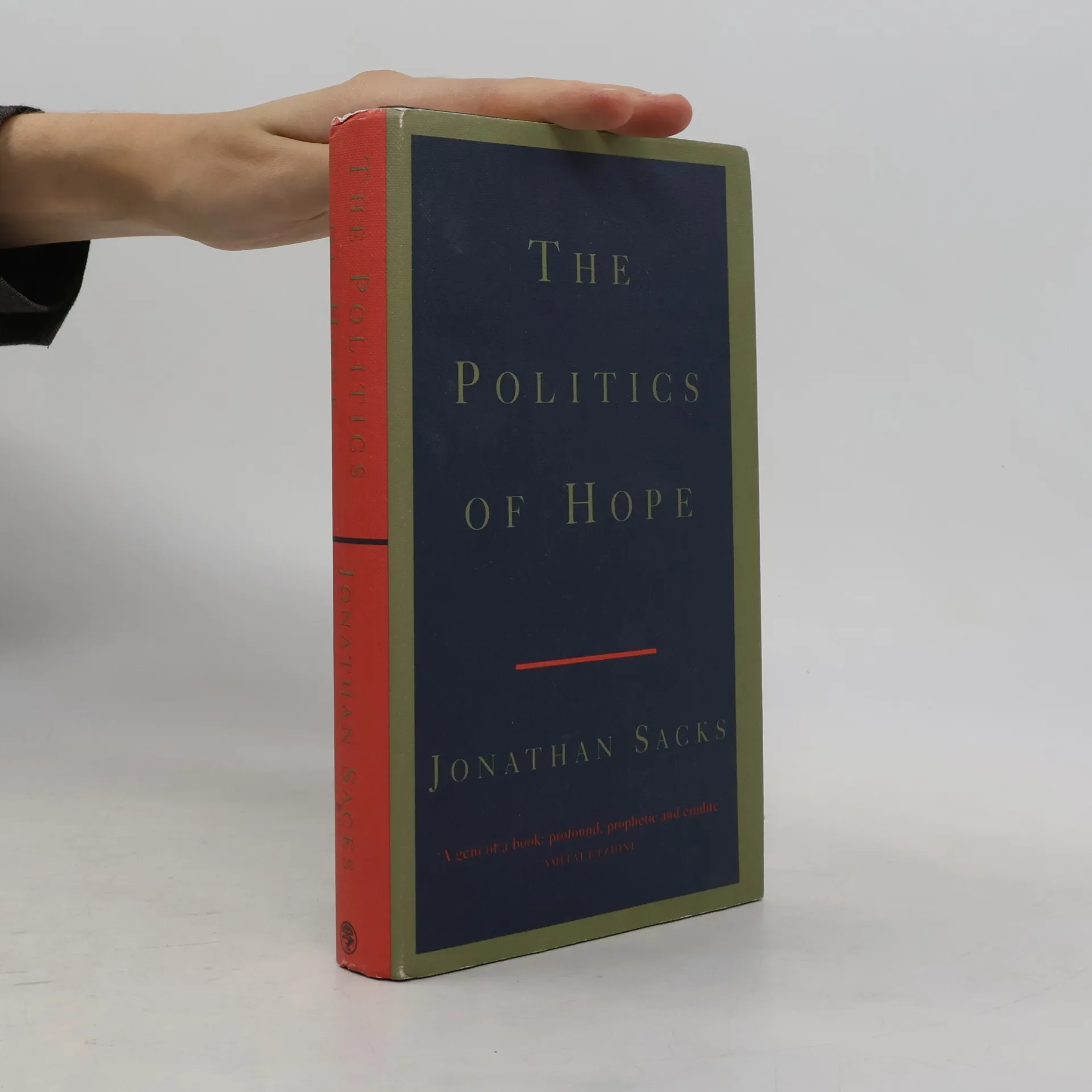
Sacks argues that faiths must remain open to criticism, keep alive their separate communities and still contribute far more to national debates on moral issues. they m,ust also learn to get along better. His thesis is that we still live under a Biblical canopy and that a cohesive morality needs the uniting bonds of faith. Confidence in a faith is a subtle quality and lack of it shows in many ways, some contradictory. Dr Sacks has that confidence and the quiet charisma to communicate it. The subject of this book - religions and ethics- is good ground for him to build on: The Jewish contribution to ethics is distinctly rational and has a long and illustrious tradition. Moral philosophy is after all a Jewish preoccupation. In recent years, he writes, religion has taken us unawares. The rise of the Moral Majority in the USA, the Islamic Revolution, the growth of religious parties in Israel, the power of Catholicism in Poland and the African continent all run contrary to the basic thesis that modernity and secularization went hand in hand and could almost be regarded as synonyms. Instead and against all prediction religion has resurfaced in the public domain. In this book Sacks argues the case for a broadly based return to tradition within the context of religious pluralism and tolerance. Religious values remain a strong force within our culture to be renewed. For our society to be viable indeed they must be renewed.
Pohled na náboženské texty z židovského pohledu. Vrchní britský rabín interpretuje některé témata biblických příběhů z První knihy Mojžíšovy. 1. vydání.
This collection features Jonathan Sacks' favorite "Thoughts for the Day," showcasing his profound insights and reflections. The newly designed edition highlights his wisdom on faith, ethics, and the human experience, making it a meaningful companion for readers seeking inspiration and guidance. Through these curated thoughts, Sacks encourages deeper contemplation on life's challenges and the importance of community and moral values.
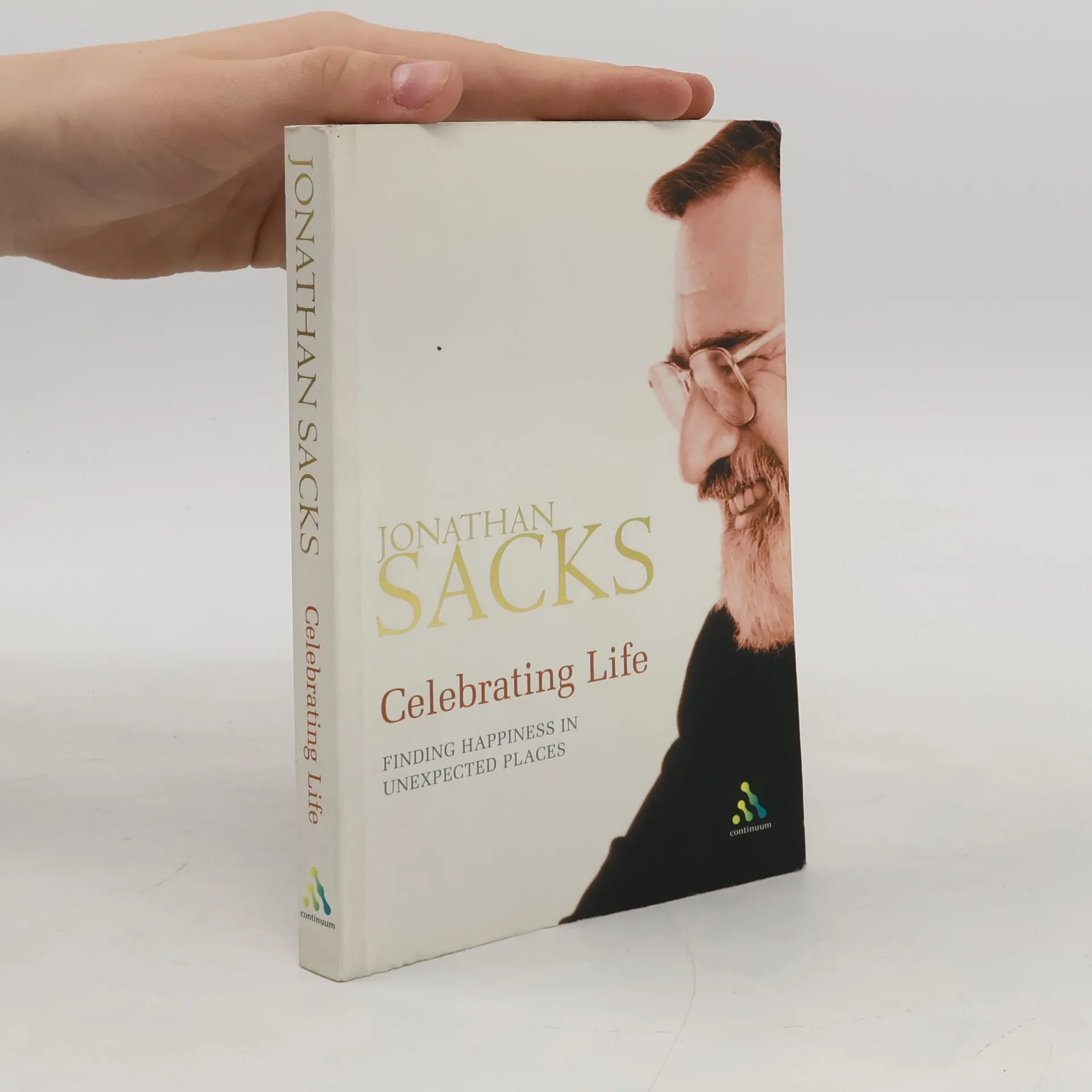
Following the loss of his father, Sacks began to learn how to celebrate life
in a new way. Based in part on his columns in 'The Times' newspaper, this book
is for people of all faiths and none. It shows us how to be human and in
becoming so how we can touch the divine. schovat popis
Why do our government leaders continually make decisions and craft policies that everybody knows are foolish? Because they, like the rest of us, remain trapped in foolish and unproductive habits of thinking. "You Can't Enlarge the Pie" analyzes the unspoken assumptions that lead to bad policy, wasted resources, and lost lives, and shows exactly why they're wrong. With fascinating case studies and clear, compelling analysis, it dissects six psychological barriers to ineffective government:1. Do no harm. 2. Their gain is our loss.3. Competition is always good. 4. Support our group. 5. Live for the moment.6. No pain for us, no gain for them. By freeing ourselves from the narrow way we evaluate our government leaders, we can learn to judge their performance more as that of business leaders is judged: by the overall health of their organizations.
2001 began as the United Nations Year of Dialogue between Civilizations. By its end, the phrase most widely quoted was 'the clash of civilizations'. The tragedy of 11 September intensified the danger posed by religious differences throughout the world. As the politics of identity replaces the politics of ideology, can religion overcome its conflict-ridden past and become a force for peace? The Dignity of Difference is Rabbi Jonathan Sacks' radical proposal for reframing the terms of this important debate. The first major statement by a Jewish leader on the ethics of globalization, it introduces a new paradigm into the search for co-existence. Sacks argues that we must do more than search for common human values. We must also learn to make space for difference, even and especially at the heart of the monotheistic imagination. The global future will call for something stronger than earlier doctrines of toleration or pluralism. It needs a new understanding that the unity of the Creator is expressed in the diversity of creation.