

An enthralling examination of some of the most remarkable creatures in the animal kingdom, and what they tell us about what it means to be human.
Jackie Higgins Bücher

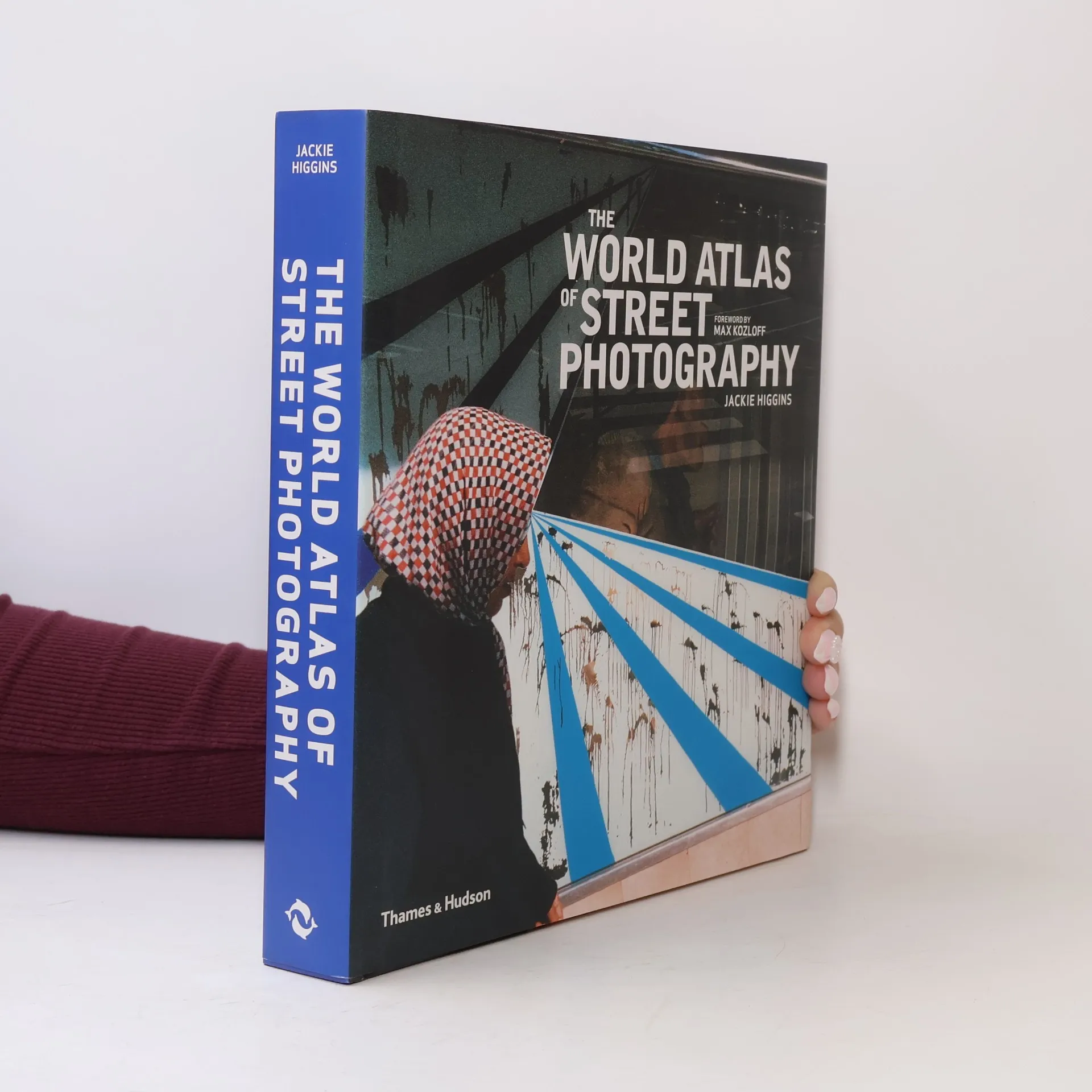

The world atlas of street photography
- 400 Seiten
- 14 Lesestunden
'The World Atlas of Street Photography' focuses on the abundance of photography that has been created on street corners around the globe; it includes classic documentary street photography, as well as images of urban landscapes, staged performances, and sculptures. In so doing, this compelling reference book locates the meeting point between street photography and atlas, between artists and their personal understanding of our environment, not via a cartographic birds-eye view but through a more intimate, human- centred perspective. From New York to New Delhi, Beijing to Brighton, Havana to Hamburg, and Sydney to Seoul, this book presents an international cast of more than 100 established and emerging contemporary photographers.
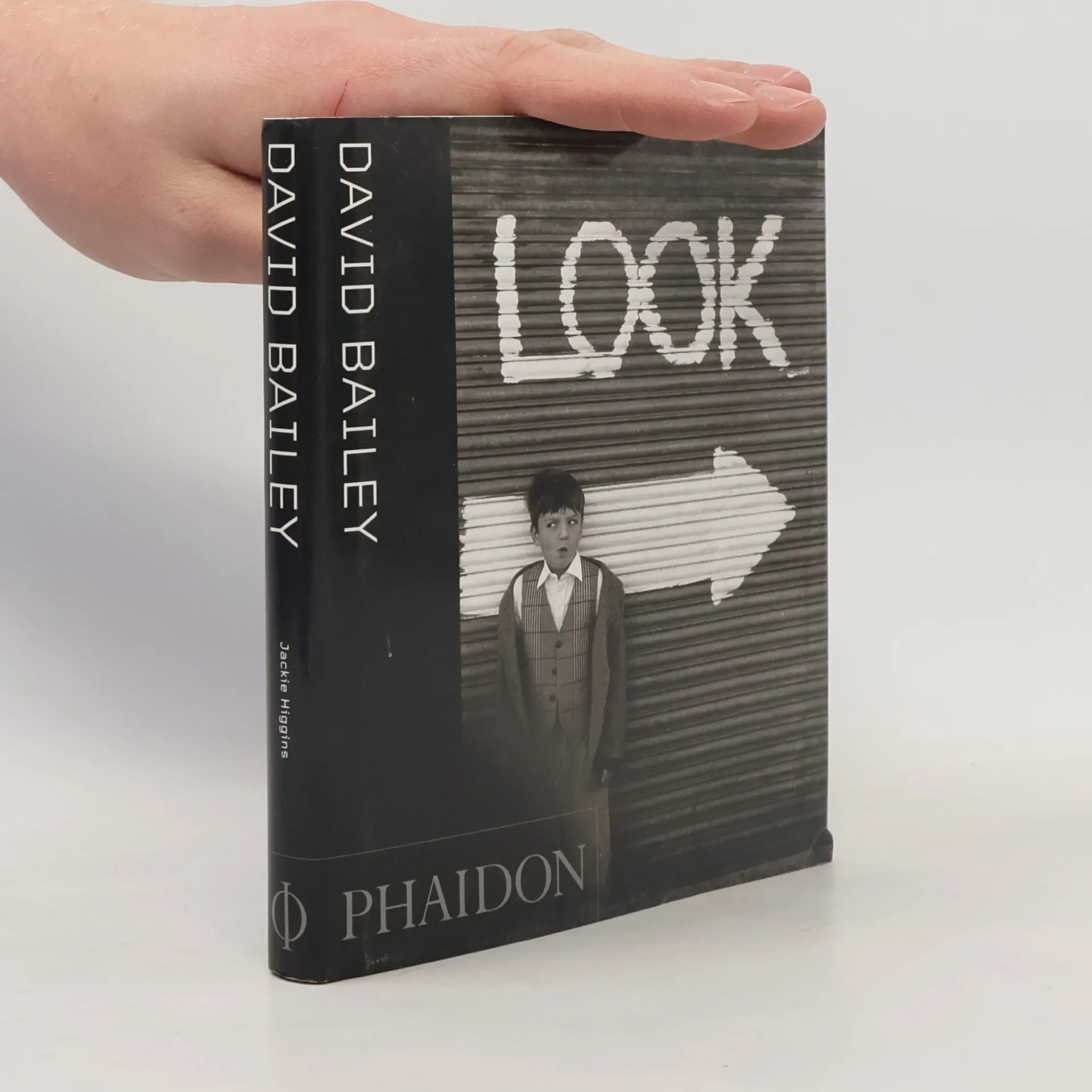
David Bailey
- 128 Seiten
- 5 Lesestunden
David Bailey was part of a new generation who revolutionized fashion photography in the 1960s and made stars of models such as Jean Shrimpton. He was also among the first photographers to become a celebrity in his own right, socializing with and photographing many of the cultural icons of the 1960s and 1970s, such as Catherine Deneuve, The Beatles, Rolling Stones, Michael Caine and Andy Warhol. He has held contracts with British, American and Italian Vogue and contributed to many other major magazines and newspapers over more than 40 years. His simple and direct style is accompanied by an intimacy that reveals the personality and sensuality of his subjects. Over the course of his successful career, Bailey has produced books, paintings, commercials, documentaries and feature films and remains a high profile figure in photography and filmmaking. This book delves into the photographer's archive and provides an engaging overview of his career, including early and previously unpublished work alongside his iconic portraits from London and New York in the 1960s.
This lively, informed defense of modern photography focuses on not focusing--and other unconventional methods that have been successfully employed by acclaimed photographers. In an age where anyone with a camera can call him- or herself a photographer, an apparent lack of technique might be mistaken for a lack of artistic sophistication. In this delightful follow-up to Why Your Five-Year-Old Could Not Have Done That, Jackie Higgins offers superb examples to counter that assumption, such as Hiroshi Sugimoto's anachronistic use of a 19th-century large-format camera to produce intentionally fuzzy pictures, and Richard Prince's controversial technique of "re-photographing" photos, which unleashed a barrage of criticism that he was profiting from others' work. From portraits to documentary images and from abstractions to landscapes, the author identifies 100 important images that are emblematic of innovation in modern photography, revealing the frequently complex processes involved in their composition. In so doing, she offers a provocative reminder of what makes a great photograph.