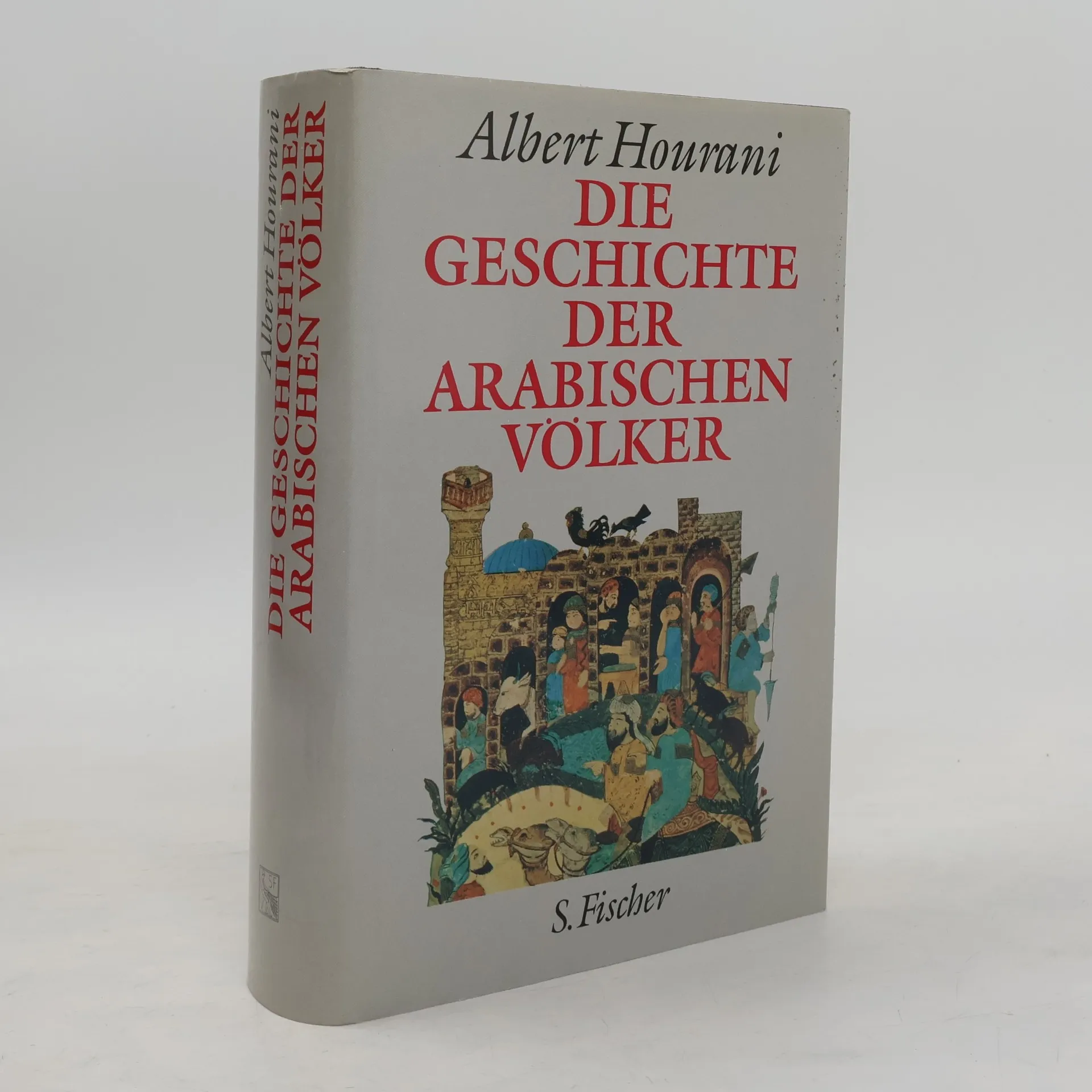
Die Geschichte der arabischen Völker
- 635 Seiten
- 23 Lesestunden
Eine gut verständliche Darstellung der Politik, Wirtschafts-, Sozial-, Kultur- und Religionsgeschichte von den Anfängen bis zur Gegenwart.


Malise Ruthven ist ein Autor, dessen Werke sich mit den Komplexitäten des Islams und breiteren religiösen Landschaften auseinandersetzen. Seine Schriften untersuchen, wie Glaube über verschiedene Kulturen und in der modernen Ära geformt und manifestiert wird. Ruthven, ein ehemaliger BBC-Drehbuchautor, schreibt nun hauptberuflich und bringt ein tiefes Engagement für vergleichende Religionswissenschaft und Kulturgeschichte in seine Auseinandersetzungen ein.

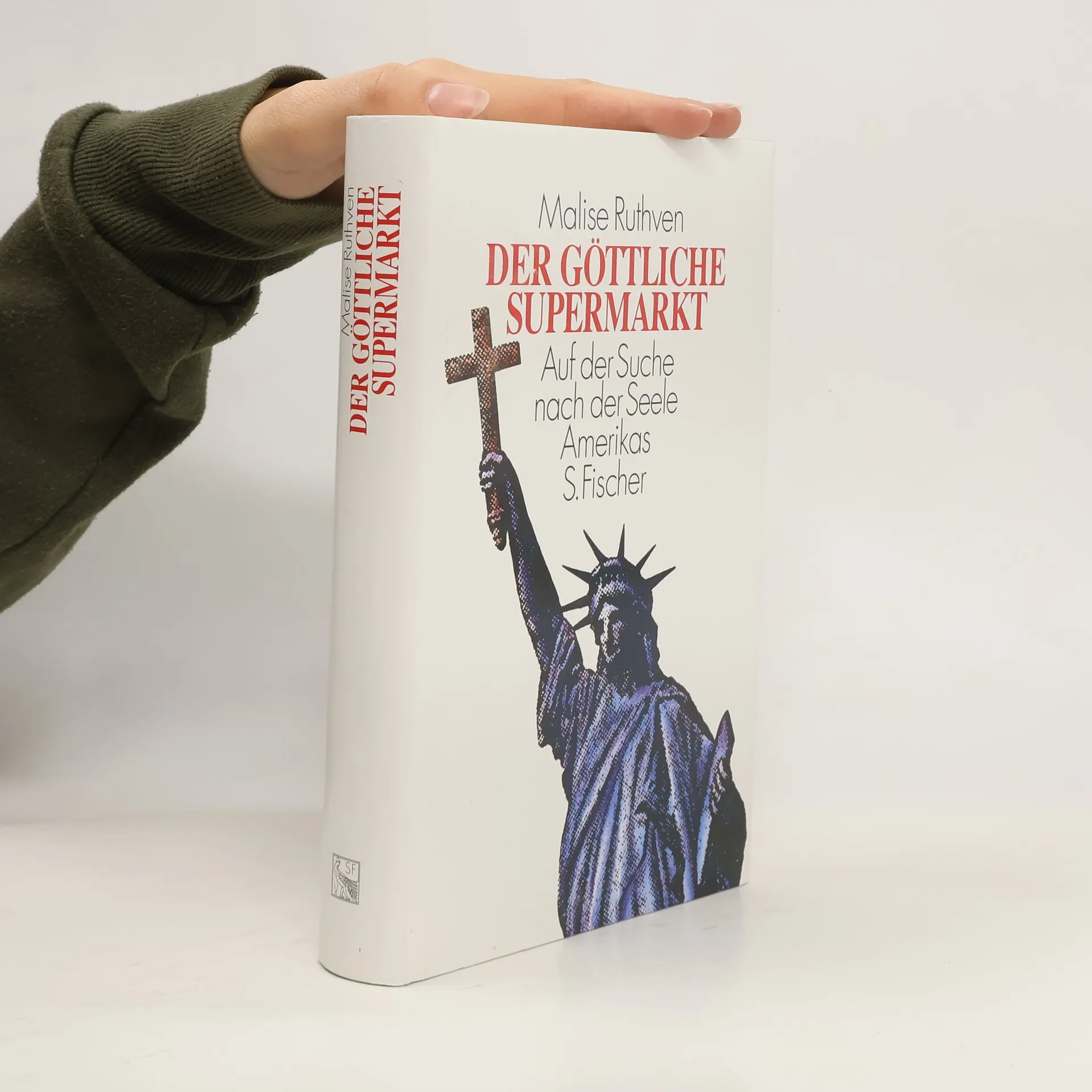
Eine gut verständliche Darstellung der Politik, Wirtschafts-, Sozial-, Kultur- und Religionsgeschichte von den Anfängen bis zur Gegenwart.
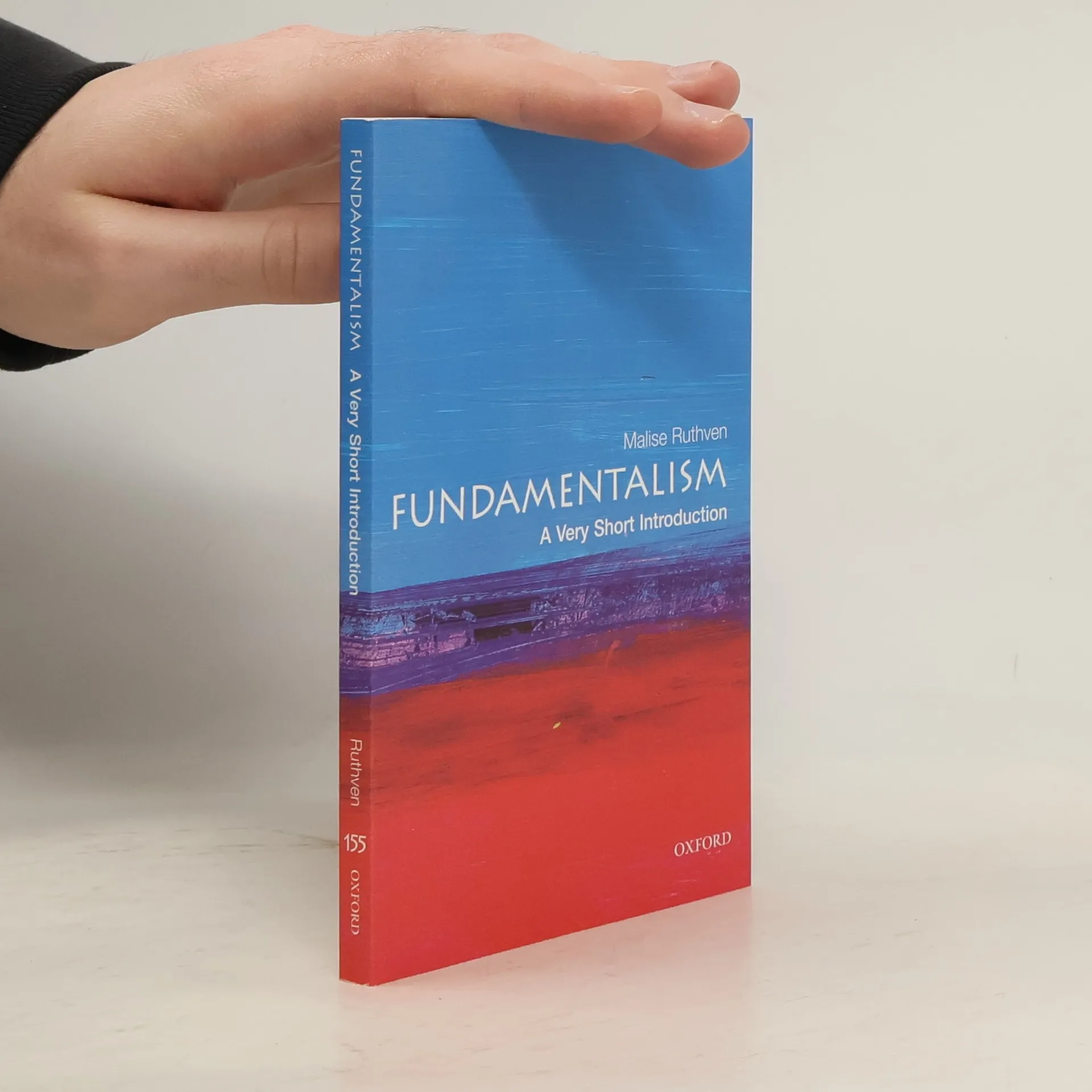
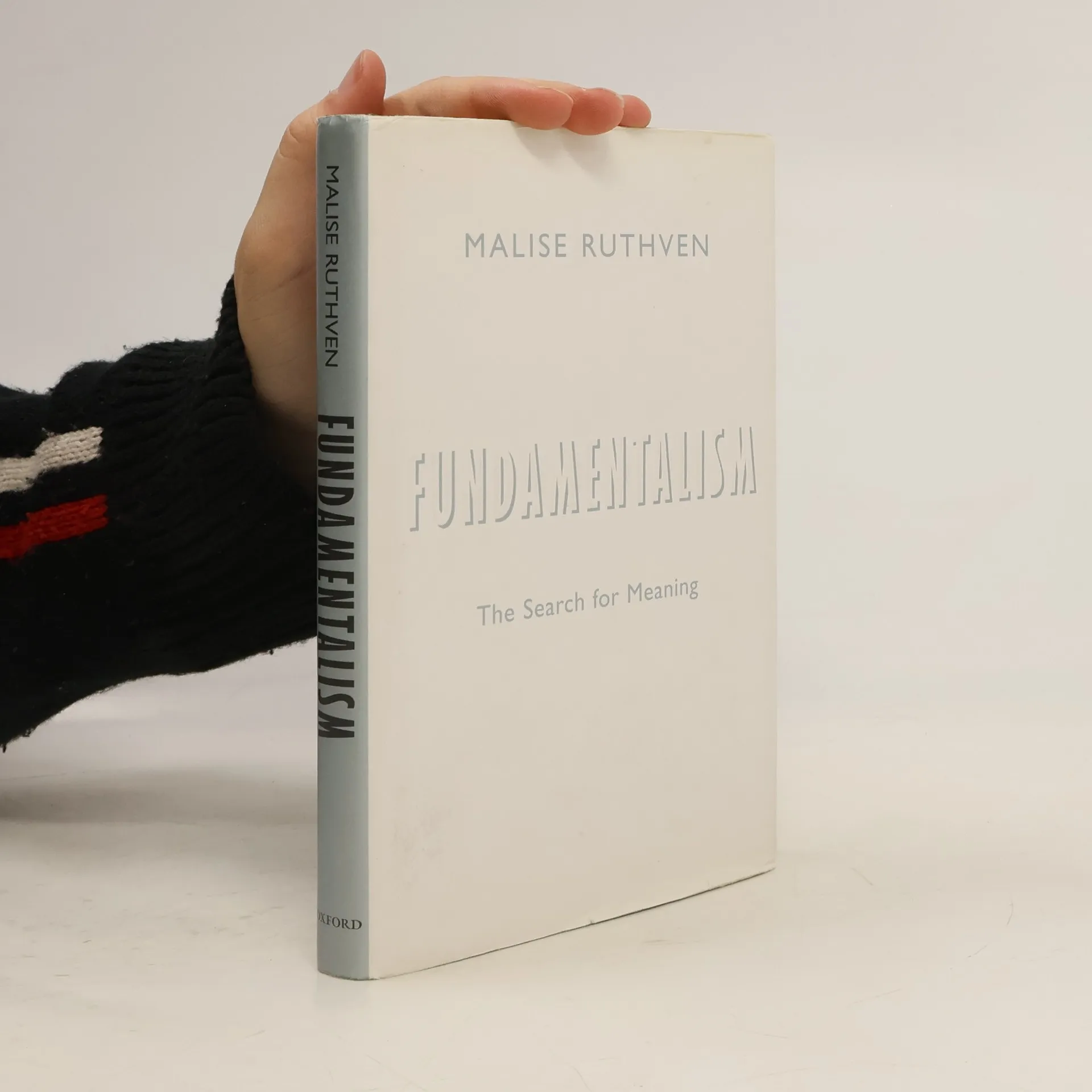
Fundamentalism is seen as the major threat to world peace today, a conclusion impossible to ignore since the events in New York on September 11 2001. But what is fundamentalism? Malise Ruthven tackles the polemic and stereotypes surrounding this complex phenomenon - one that eludes simple definition, yet urgently needs to be understood.
Since the end of the Cold War, fundamentalism has been viewed as a major threat to world peace, a notion solidified by events like September 11th and ongoing conflicts in the Middle East. This book is the first to delve into the true nature of both secular and religious fundamentalism globally, showcasing its various forms. It examines Christian, Islamic, Jewish, Buddhist, and Hindu sects, providing a comprehensive analysis of the historical, social, religious, political, and ideological contexts that shape these movements. The author, Malise Ruthven, argues that fundamentalism is a complex term that resists simple definitions. Originally coined by American Protestant evangelicals in the 1920s, its meaning has broadened to encompass radical conservatives and ideological purists across various domains, not limited to religion. Fundamentalism includes Islamic radicals and militant Israeli settlers, as well as Sikh, Hindu, and Buddhist nationalists who invoke divine authority to support their political agendas. While Ruthven acknowledges some commonalities among different fundamentalist movements, particularly regarding national identity and gender issues, he questions the term's overall usefulness. As a leading commentator on Islam, Ruthven writes with clarity and engagement, guiding readers through this intricate and crucial topic in today's world.
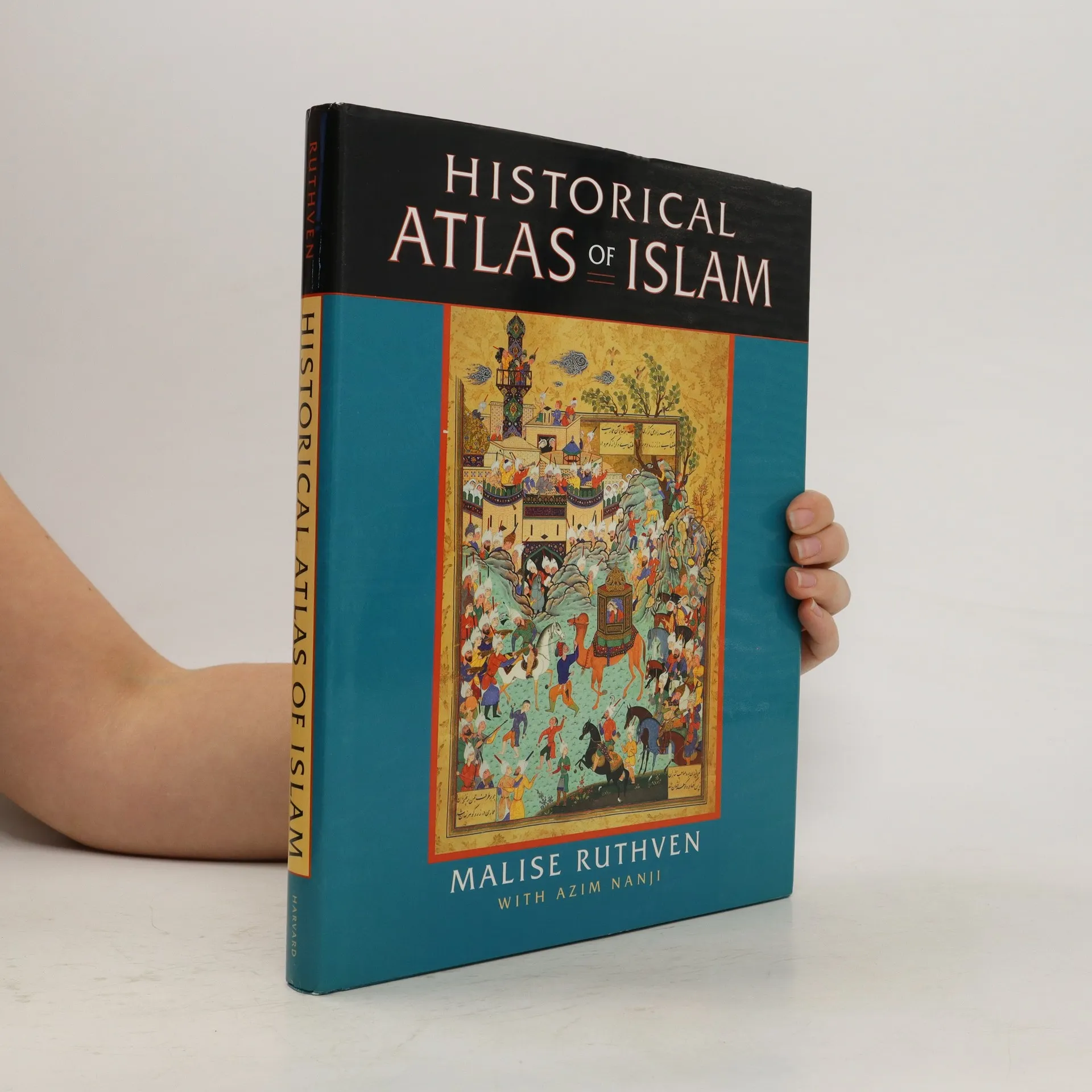
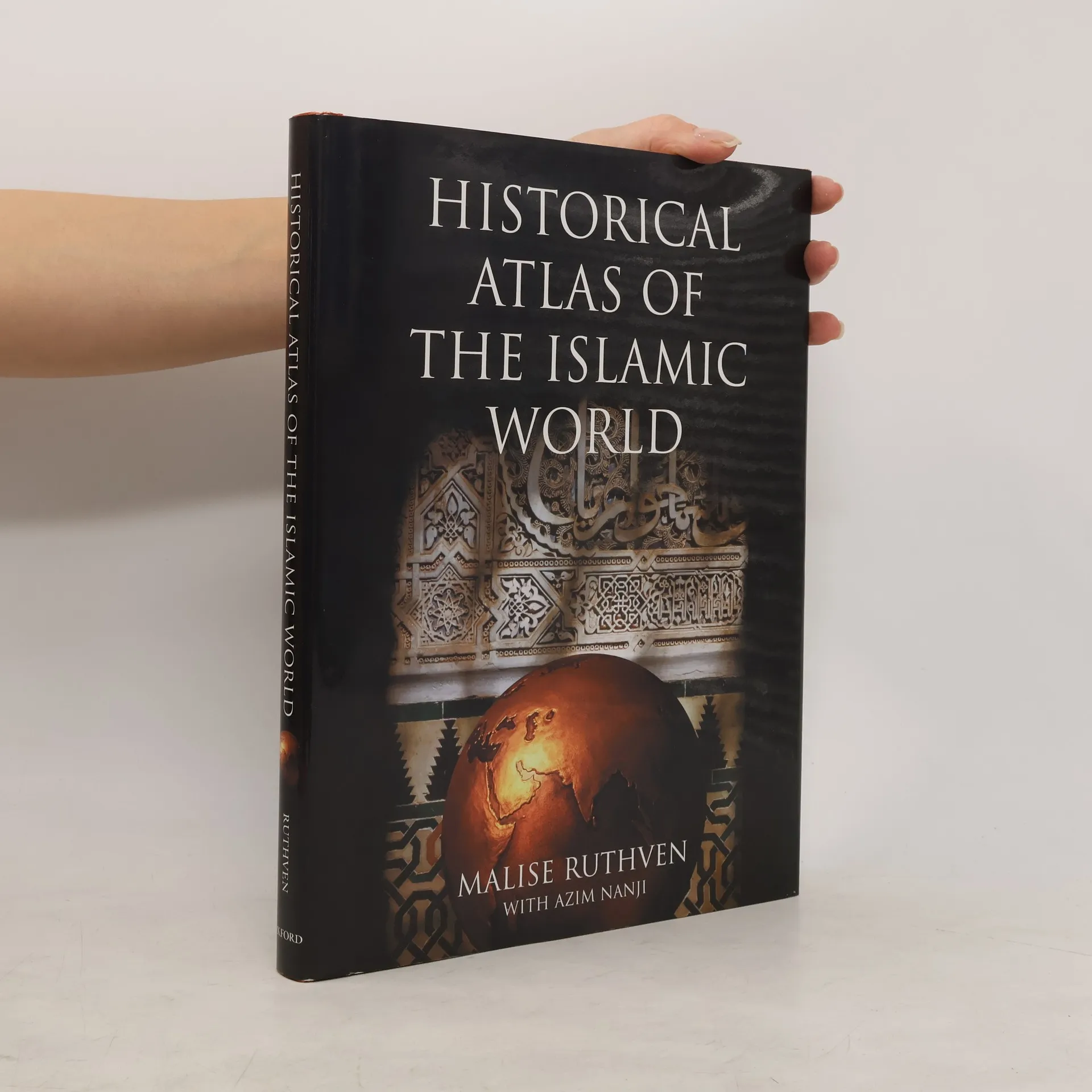
There is significant interest in the Islamic world today, especially following the September 2001 attacks and subsequent wars in Afghanistan and Iraq. Many in the West view 'Islamic Fundamentalism' as a major threat to global peace. While not all scholars agree on a 'Clash of Civilizations' between Islam and the West, the distinct evolution of these cultures is widely acknowledged. A comprehensive understanding of contemporary Islam necessitates a historical perspective. Malise Ruthven, a noted author and commentator on Islam, offers this perspective in a thoroughly researched and well-written format. The Historical Atlas of the Islamic World is concise, accessible, and authoritative, covering the period from pre-Islamic late antiquity to the present, including recent emigration patterns and the independence of post-Soviet Muslim states in Central Asia. The atlas features maps designed to illustrate shifting frontiers and population densities, alongside historical maps of changing boundaries, trade routes, and the rise and fall of dynasties and religious sects. Accompanying essays explore various themes across Muslim-majority regions, addressing topics such as Shari'a, philosophy, architecture, trade, family life, and the impact of European domination and Islamic political movements.
In this authoritative book, Malise Ruthven provides an analysis of the events of September 11 in America. He discusses the role of the global market and examines the tangled web of grievances that formed the substance of the bombers' complaints.
Chronicles the history of Islam from the birth of Mohammed to the independence of former Soviet Muslim States, covering a wide variety of themes, including philosophy, arts, and architecture.
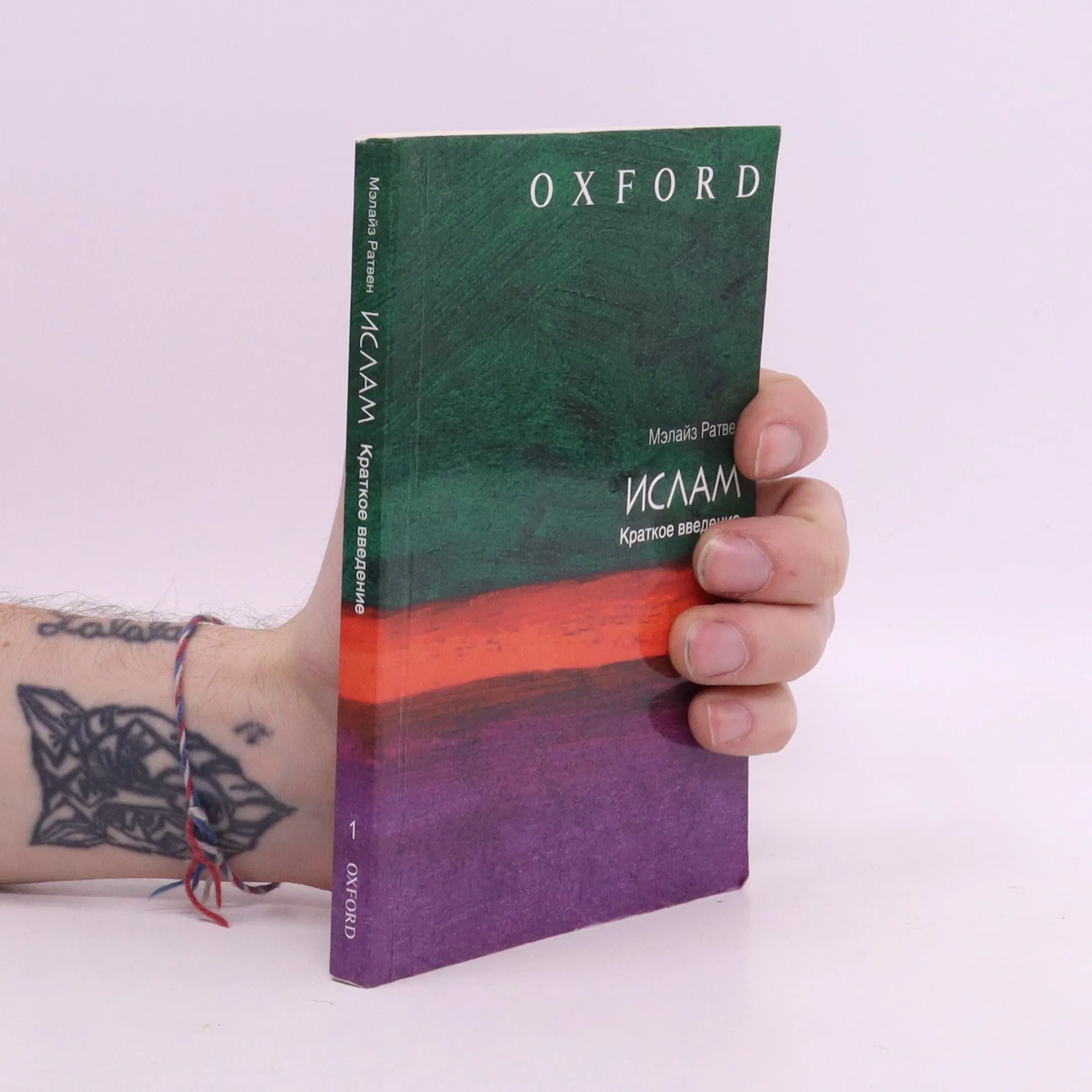
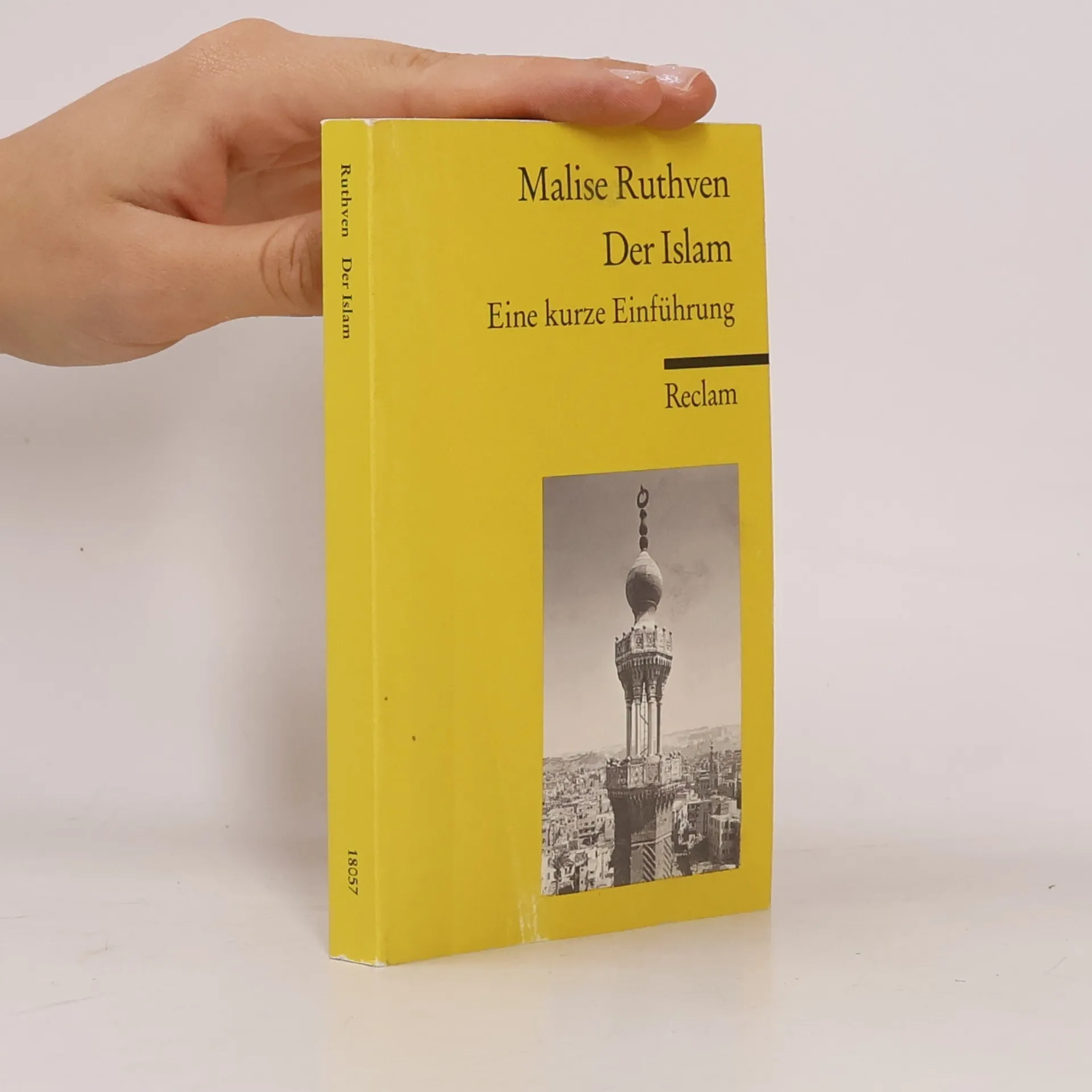
Der Islam ist nicht nur eine der bedeutendsten Religionen der Menschheit, er steht heute auch im Zentrum des politischen Weltinteresses. Beiden Aspekten versucht die konzise, übersichtlich gegliederte Darstellung gerecht zu werden. Eine elementare Einführung, die Verständnis für eine uns immer noch fremde Welt weckt und fördert.