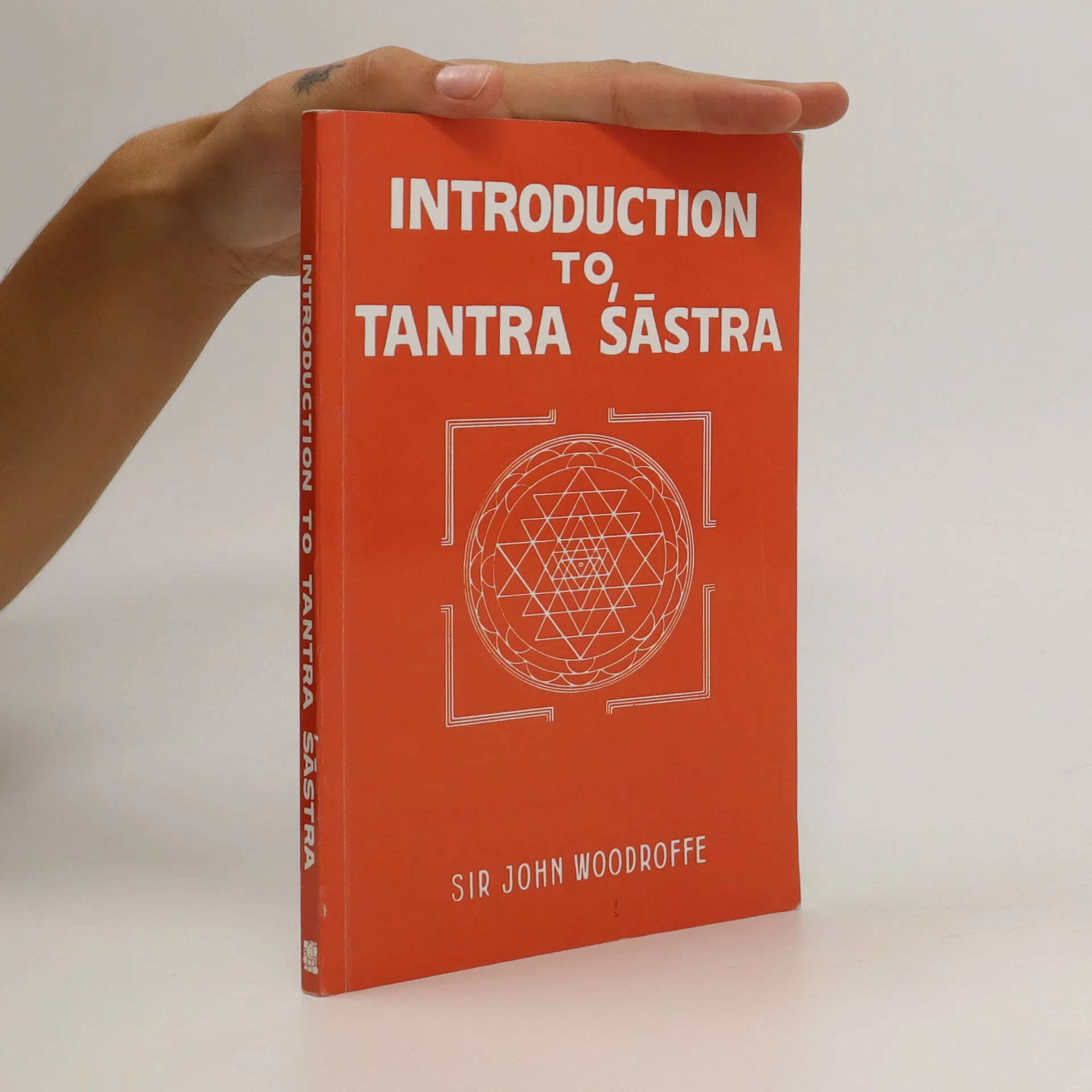
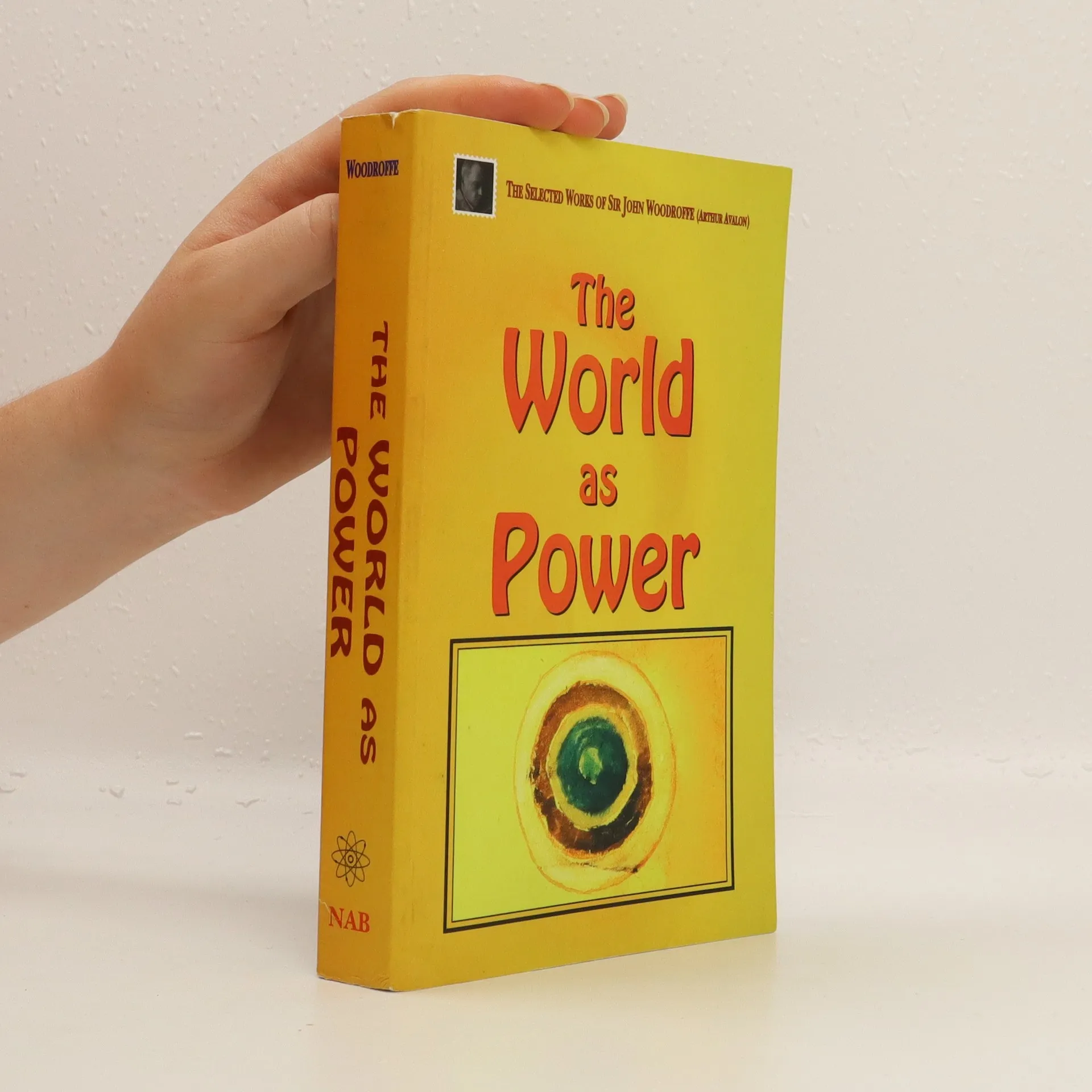
Die Girlande der Buchstaben
- 220 Seiten
- 8 Lesestunden


Sir John George Woodroffe, der hauptsächlich unter dem Pseudonym Arthur Avalon veröffentlichte, war ein angesehener Jurist und ein Pionier der Orientalistik, der sich intensiv mit Sanskrit und der hinduistischen Philosophie beschäftigte. Seine Forschungen konzentrierten sich auf die Entdeckung und Interpretation esoterischen Wissens innerhalb alter indischer Traditionen, insbesondere der Tantra. Woodroffes Werk zielte darauf ab, die Kluft zwischen östlicher Weisheit und westlichem Verständnis zu überbrücken und komplexe spirituelle und philosophische Konzepte zugänglich zu machen. Seine Schriften bleiben eine wichtige Ressource für alle, die sich mit den Tiefen des indischen Denkens und der Spiritualität auseinandersetzen.


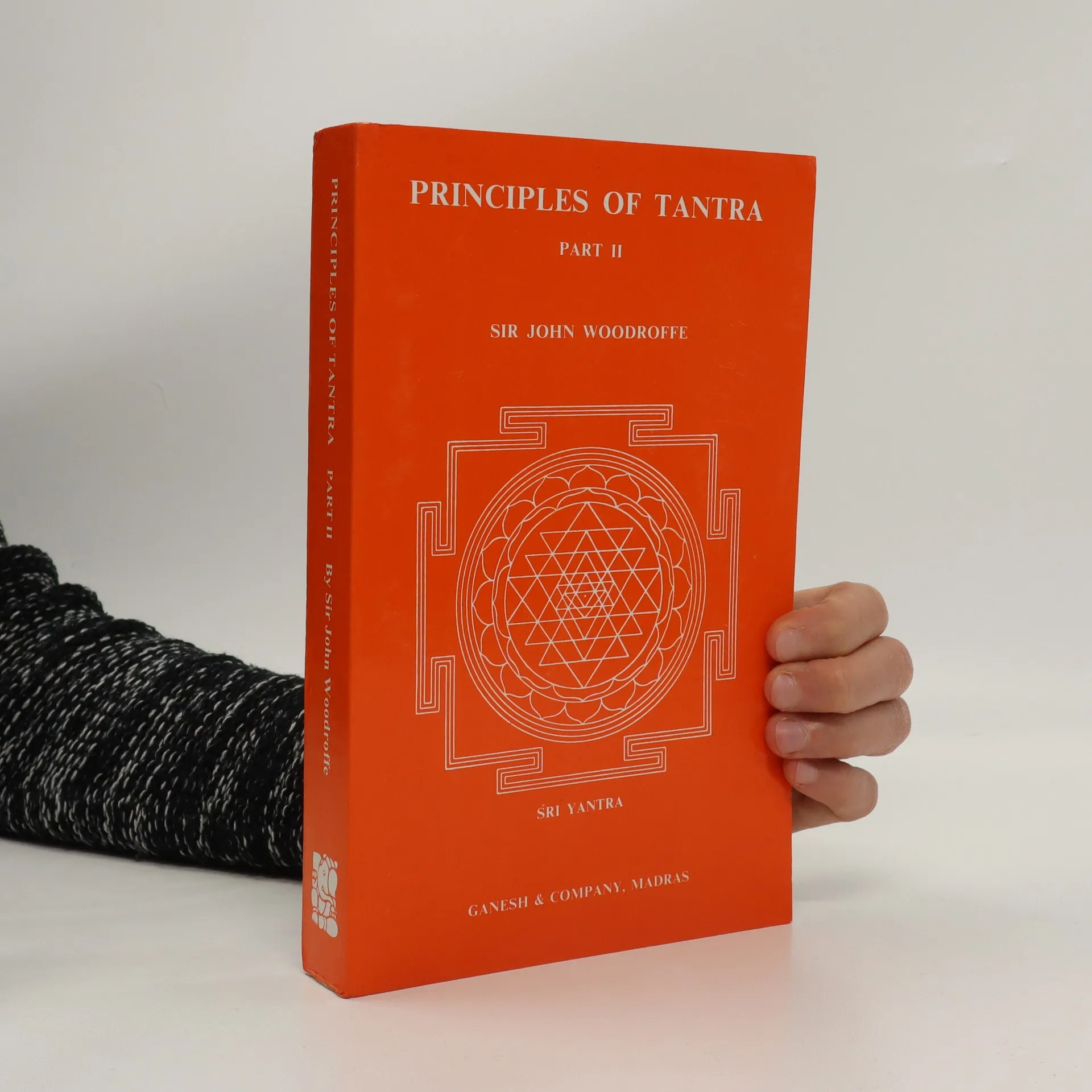

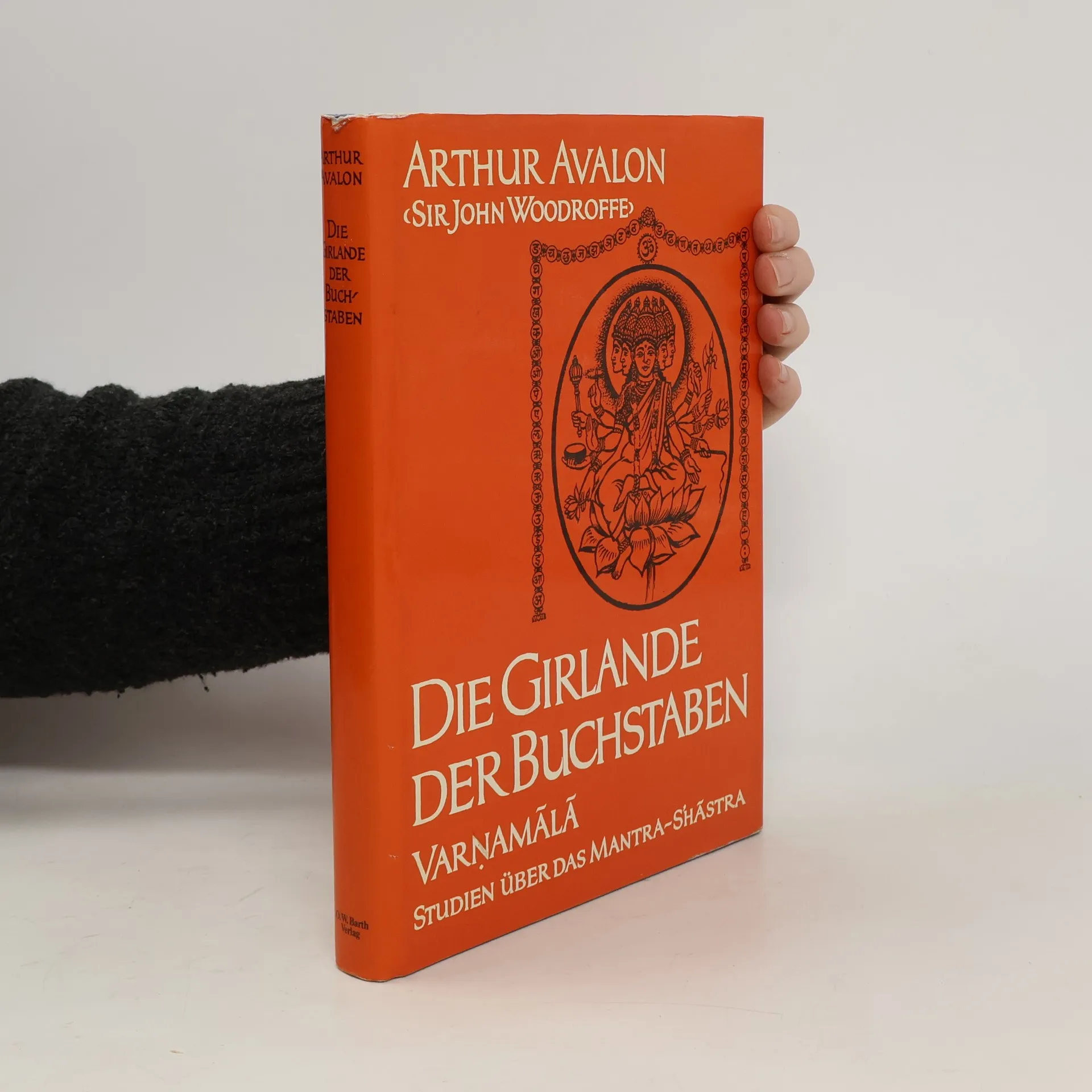
This is the second part of the Book "Principles of Tantra". The description of this volume obviously is as that of the first volume.
Many accounts on the subject of TANTRA have appeared in Book form over the years but most of these are cursory. These accounts are as a rule make general statements by way of condemnation of it. Sir John Woodroffe also known as Arthur Avalon, has on the other hand had researched solely on this subject and removed all the negative condemnation by strictly sticking to the facts. The Book "Principles of Tantra" brought out in two volumes says it all and can not be missed by any student of Tantra.
With Vija-Nighantu and Mudra-Nighantu
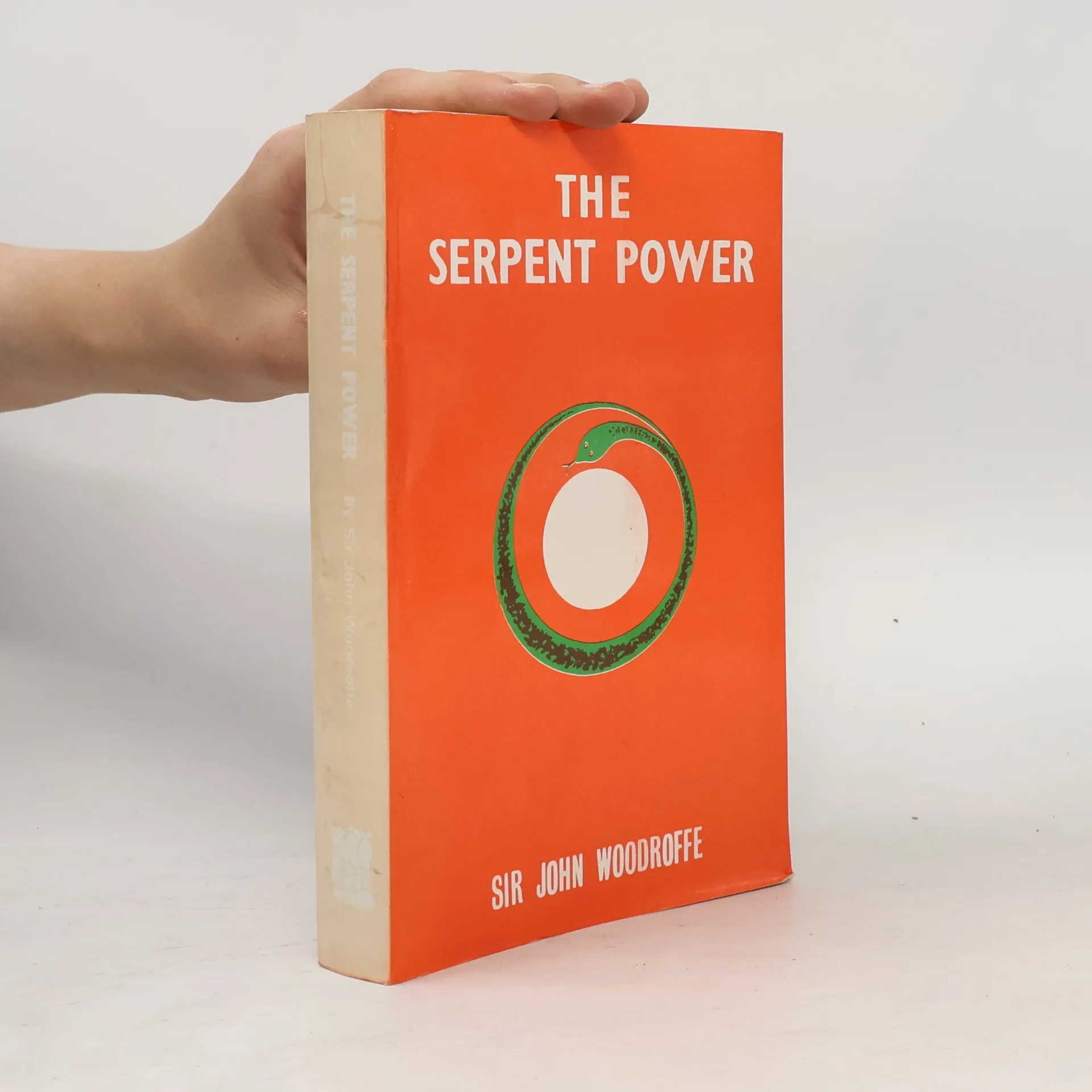
Two works on Laya-yoga, translated from the Sanskrit, with introduction & commentary. Written by a leading authority on Shaktic & Tantric thought, this book is considered the prime document for study & application of Kundalini yoga. It probes the philosophical & mythological nature of Kundalini, the esoteric anatomy associated with it, the study of mantras, the chakras, or psychic centers in the human body, etc. Sir John George Woodroffe (1865–1936), aka Arthur Avalon, was a British Orientalist whose work helped to unleash in the West an interest in Hindu philosophy & Yogic practices. His The Serpent Power is a source for many modern Western adaptations of Kundalini yoga practice. It's a philosophically sophisticated commentary on, & translation of, the Satcakra-nirupana ("Description of & Investigation into the Six Bodily Centres") of Purnananda (dated c.AD 1550) & the Paduka-Pancaka ("Five-fold Footstool of the Guru"). The term "Serpent Power" refers to the kundalini, an energy said to be released within an individual by meditation techniques.
Originally the extended introduction to a translation of the Mahanirvana Tantra by "Arthur Avalon" (a collective pseudonym for Woodroffe and an unnamed collaborator), this is a sufficiently general treatment to repay reading apart from the work to which it was originally attached.
Exploring the depth of Indian culture, this collection features essays and addresses by Sir John Woodroffe, who delves into the philosophical and spiritual dimensions of Indian traditions. Written during a time of cultural awakening, the work emphasizes the significance of understanding India's rich heritage, including its art, religion, and social practices. Woodroffe's insights aim to bridge Eastern and Western thought, celebrating the unique aspects of Indian identity and advocating for a deeper appreciation of its cultural contributions.
There is a Supreme Reality that is Eternal and Indefinable. It is an Absolute, inconceivable and ineffable- the Brahman. Unknowable in its utterness, this Reality presents itself to us in three supreme terms of its Truth: an absolute Existence, Sat; an absolute Consciousness, Cit; and an absolute Bliss, Ananda. This is the poise of Brahman turned towards self-revelation. It perceives itself as an infinite Existence; not a mere existence but a Being with full awareness of all that It is, an infinite Consciousness. This Consciousness inherent in the supreme Being is no static awareness it is instinct with a Power, a Force dynamic with all the content of the Consciousness. And the nature of this selfconscious Existence is an inalienable Delight. All is a manifestation out of this triune status of the Eternal, Sat-Cit-Ananda. All is contained in the infinite Being of Brahman; it is brought out and released into a plenitude of manifestation by the Consciousness-Power innate in Himself for the sheer Delight of His Becoming. It is His own Consciousness as Power, the Cit-Sakti, that pours out the potentialities held in the infinitude of Brahman, throws up Forms from out of the Formless depths of the Eternal. The Seers of the Veda speak of it as Maya, the power that measures (miyate anena iti maya) out of the Immeasurable, the Force by which all is shaped out. This is the theme of the present book by Sir John Woodroffe.