Gratis Versand in ganz Österreich
Bookbot

Lisa Jardine

    12. April 1944 – 25. Oktober 2015

    Diese britische Historikerin spezialisierte sich auf die Frühe Neuzeit. Ihre Arbeit konzentrierte sich auf die detaillierte Untersuchung von Leben und Texten, wobei sie oft interdisziplinäre Ansätze betonte. Beruflich war sie in der Renaissanceforschung tätig und leitete renommierte Forschungszentren, die sich der kritischen Edition historischer Quellen widmeten. Ihr wissenschaftliches Interesse erstreckte sich auch auf ethische Fragen im Zusammenhang mit moderner Wissenschaft und Gesellschaft.

    Worldly Goods
    Global Interests
    Ingenious Pursuits
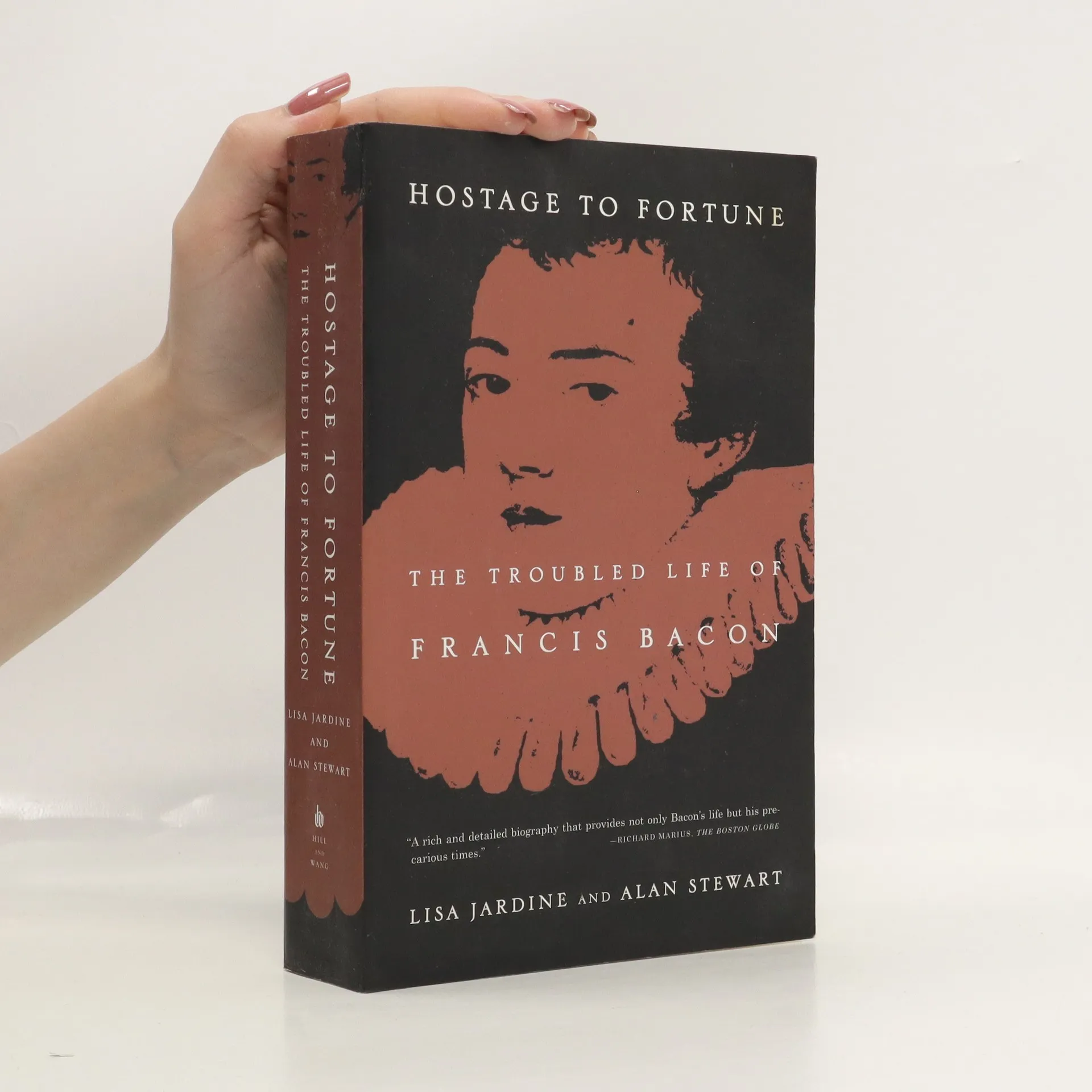
    Hostage to Fortune. The troubled life of Francis Bacon
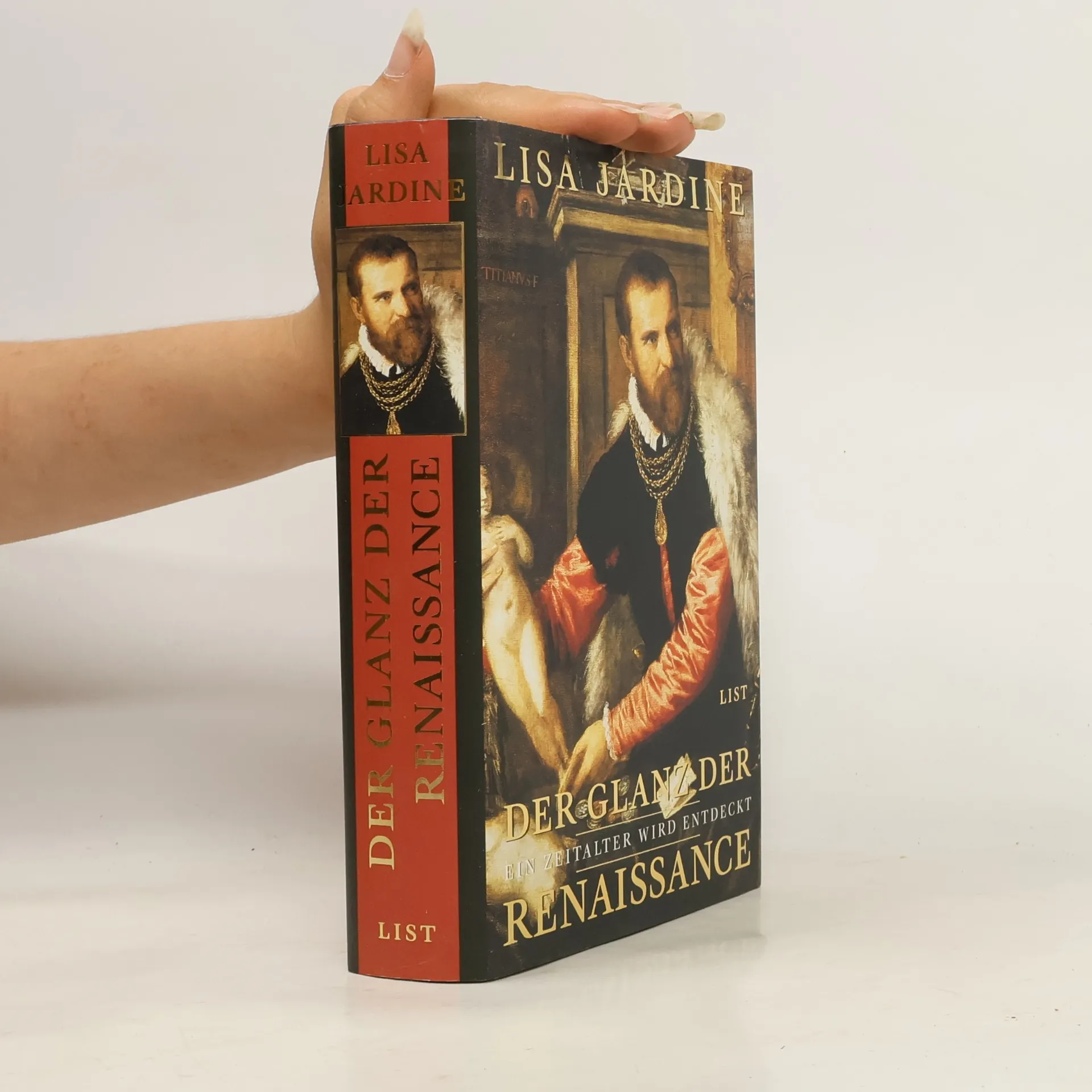
    Der Glanz der Renaissance
    • The statesman, scientist, and philosopher Francis Bacon (1561-1626) lived a divided life. Was he a noble scholar, or a conniving political crook? Was he a homosexual? Lisa Jardine and Alan Stewart draw upon previously untapped sources to create a controversial nuanced portrait of the quintessential "Renaissance man", one whose achievements, while enormous, were nonetheless sadly circumscribed by his class and station.

      Hostage to Fortune. The troubled life of Francis Bacon
    • Ingenious Pursuits

      • 384 Seiten
      • 14 Lesestunden
      3,9(14)Abgeben

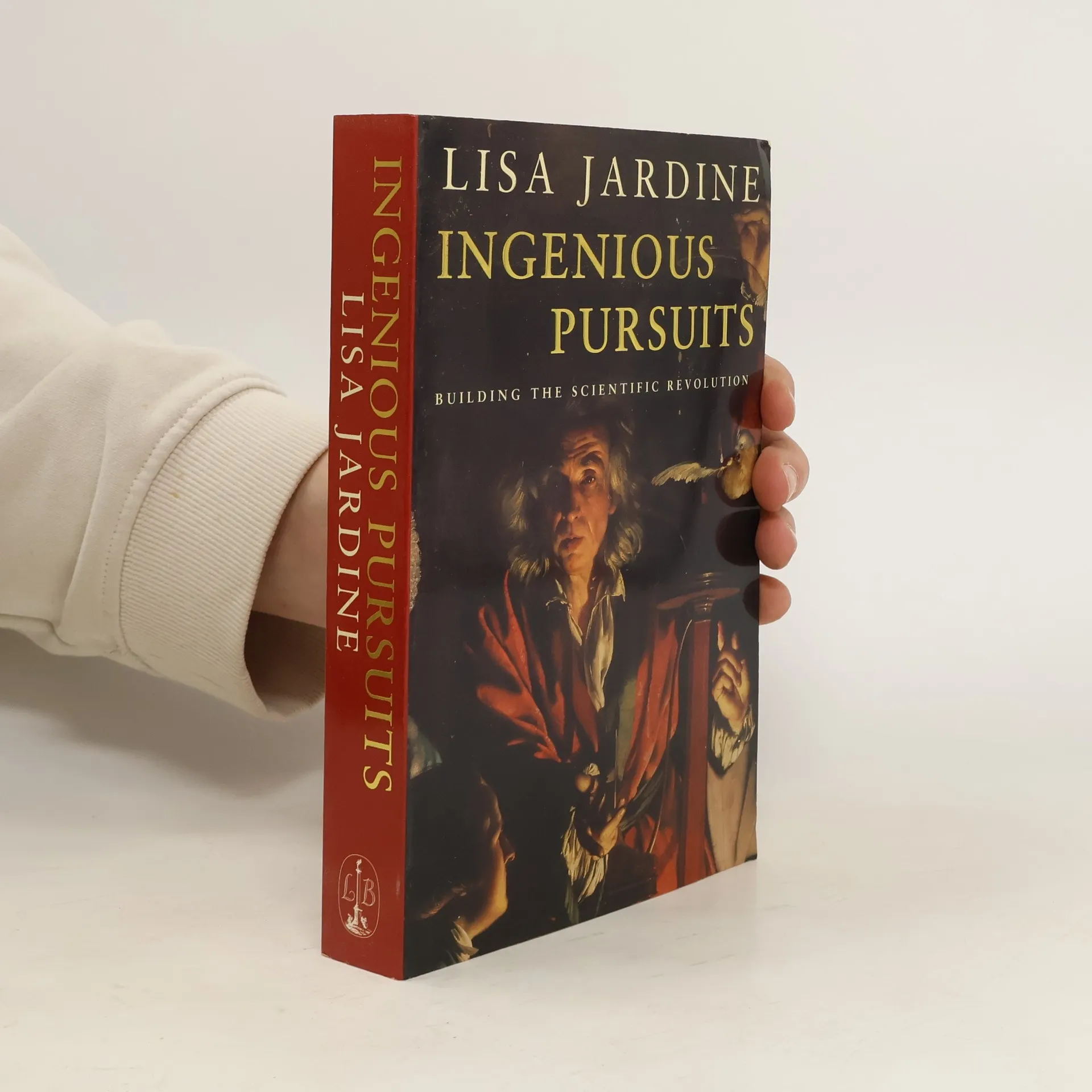
      Today the 'two cultures' - art and science - have come to be treated as fundamentally opposed. Scientific research is castigated for its inhumane methods and lack of moral responsibility, while art is treated as an enduring source of essential guidance to society's spiritual well-being. As Lisa Jardine makes clear in this remarkable book, this is a distinction which is both artificial and historically inaccurate. The intellectual revolution of the seventeenth and early-eighteenth centuries was the single most formative event in Western history, bringing together the humanities and natural sciences in an unprecedented ferment of conceptual and practical creativity. Lisa Jardine documents the forces for change which brought the human and natural sciences together and gave them shape. Each of her series of key components - among them, precise time measurement, enhanced astronomical observation, selective animal and plant breeding, and technological advances in navigation - lays a crucial part of the foundations for modern thought. She brilliantly illuminates the practice of science, its impact on the emerging modern world, and its continuing relevance to society.

      Ingenious Pursuits
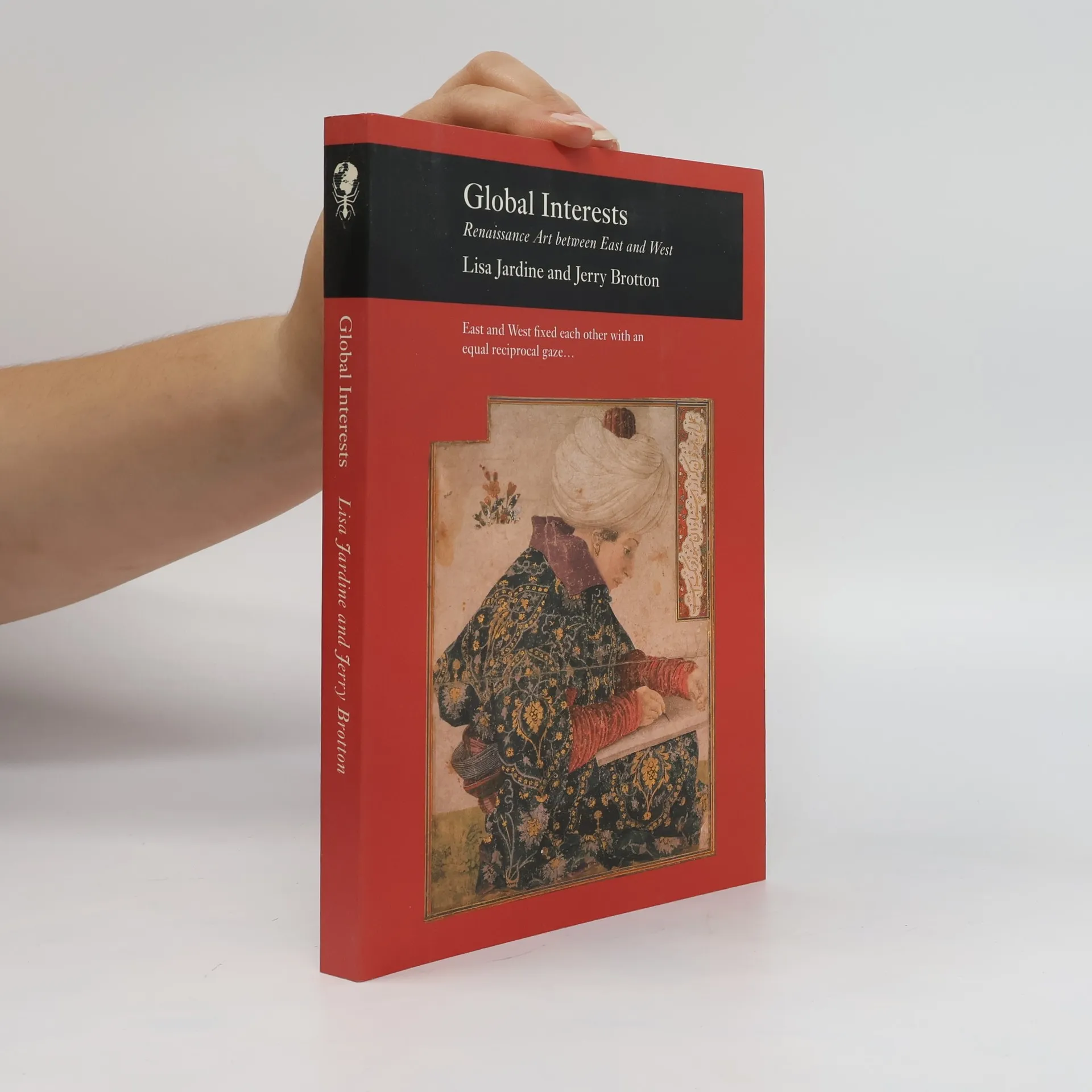
    • A wide-ranging reassessment of Renaissance art that examines the ways in which European culture came to define itself culturally and aesthetically in the years 1450 to 1550. schovat popis

      Global Interests
    • Worldly Goods

      A New History of the Renaissance

      • 470 Seiten
      • 17 Lesestunden

      The flowering of civilization, the rebirth of classical scholarship and the serendipitous coming together of some of the greatest artists the world has ever known: this is the traditional view of the Renaissance. This work provides an interpretation of that age of European culture. In it, the author argues that while aristocrats and newly prosperous merchants commissioned works of art from the leading artists of the day, vicious commercial battles were being fought over silks and spices, and who should control international trade. As humanism and the new learning spread out of Italy across Europe, the prodigious output of the printing presses which sprang up soon dictated - by accident as much as by design - what was to become the European intellectual tradition.

      Worldly Goods