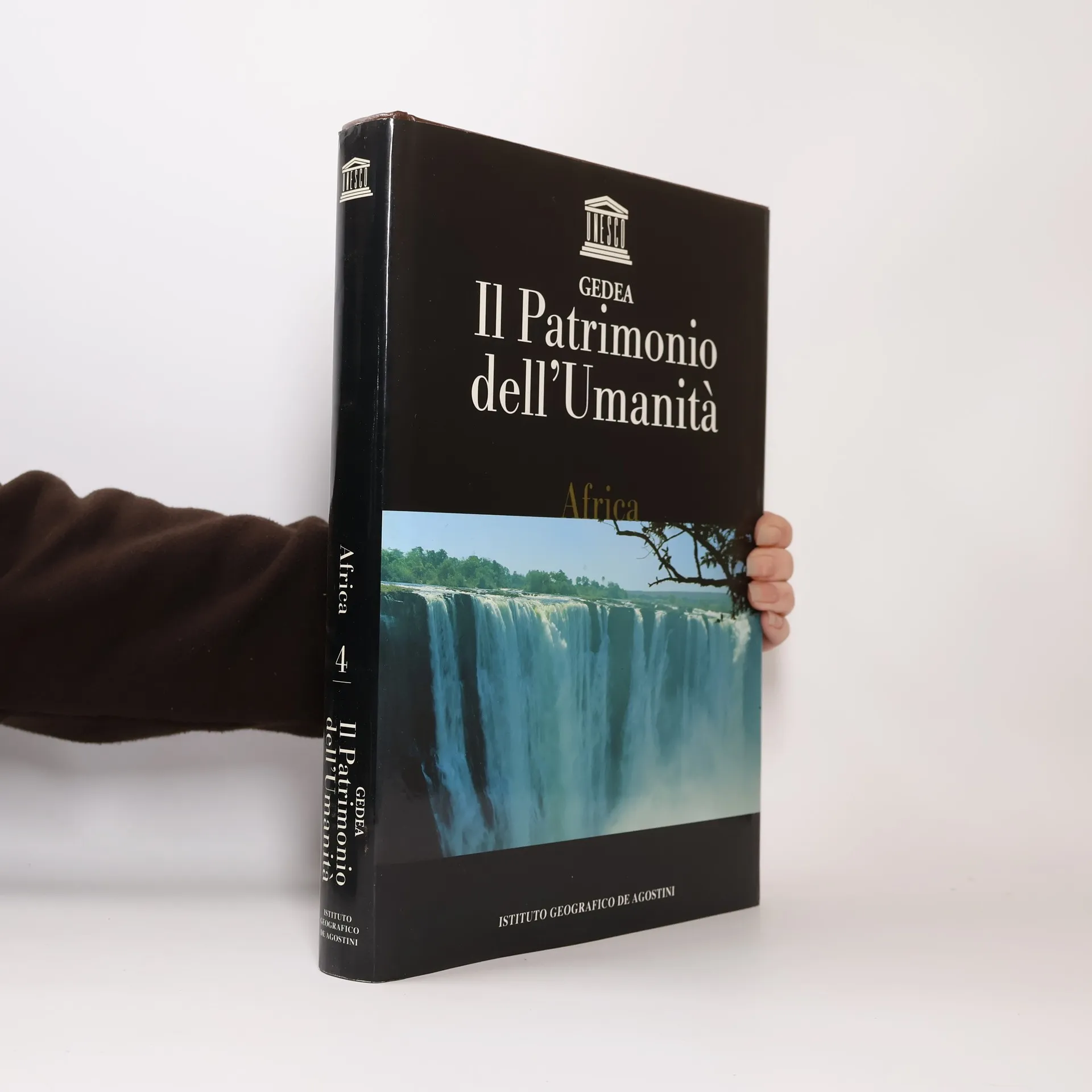
This bestselling guide offers a comprehensive overview of UNESCO World Heritage sites, showcasing the most spectacular and extraordinary locations recognized by the World Heritage Committee. Fully updated, it includes the latest additions to the World Heritage List, highlighting the strict criteria each site must meet. Ideal for travelers and history enthusiasts, this resource provides valuable insights into the cultural and natural significance of these remarkable sites around the globe.
Unesco Bücher



Training for agriculture and rural development.
- 94 Seiten
- 4 Lesestunden
World Water Assessment Programme: Water for People - Water for Life
The United Nations World Water Development Report
- 576 Seiten
- 21 Lesestunden
For the first time, 23 United Nations agencies and convention secretariats have combined their efforts and expertise to produce the most comprehensive and up-to-date report on the state of the world's freshwater resources. Generously illustrated with more than 25 full-colour global maps, numerous figures (diagrams, pie-charts), tables (including country tables) and photos, the report opens with describing the water crisis. It then proceeds to review progress and trends, propose methodologies and indicators for measuring sustainability and presents seven pilot case studies of river basins representing various social, economic and environmental settings.The WWDR is targeted to all those involved in the formulation and implementation of water-related policies and investment strategies, as well as to professionals at all levels.
History of Civilizations of Central Asia
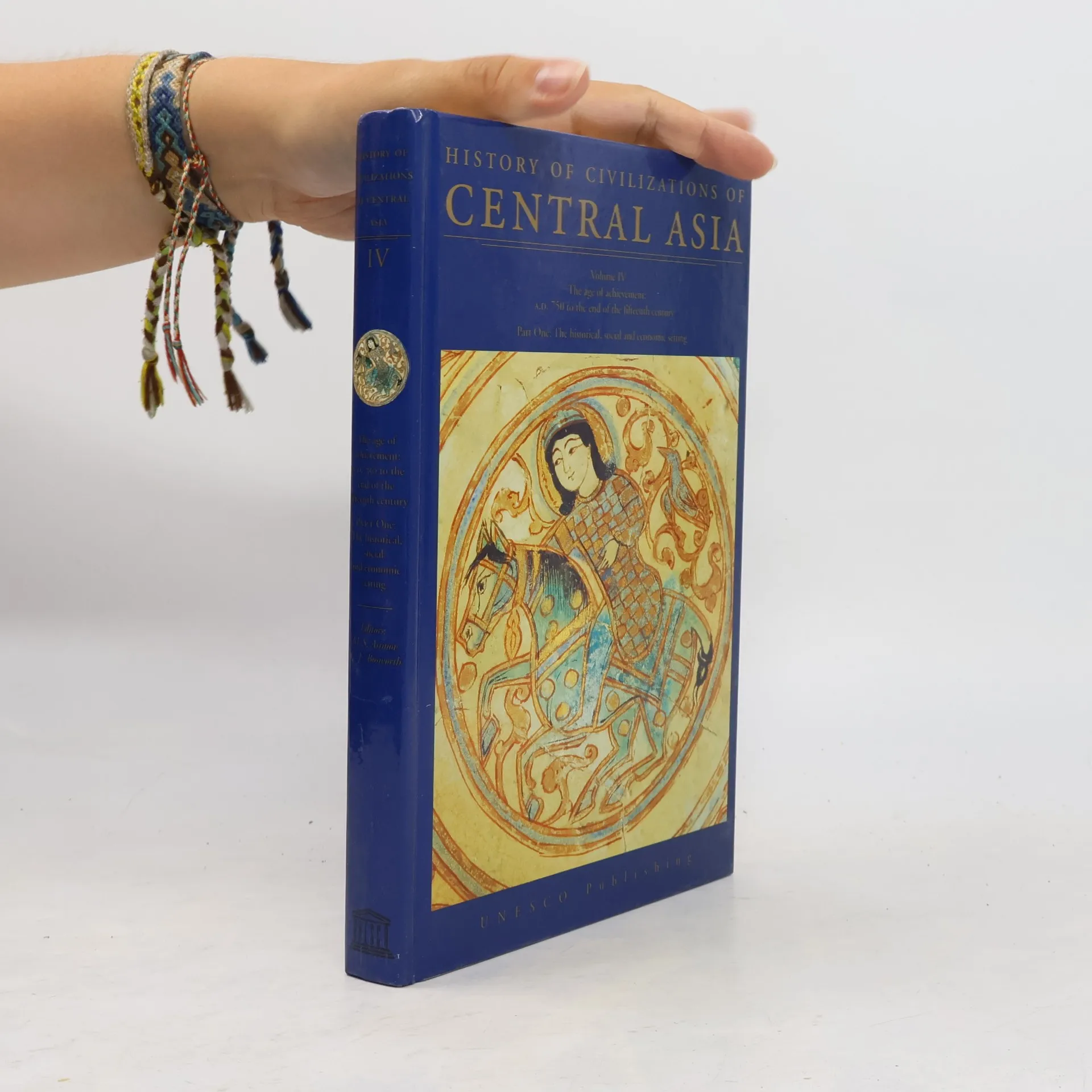
The Age of Achievement: A.D. 750 to the End of the Fifteenth Century Part One: The Historical, Social and Economic Setting
- 485 Seiten
- 17 Lesestunden
Part One: The Historical, Social and Economic SettingDuring the eight centuries covered in this volume, the new faith of Islam arose in Arabia and gradually spread eastwards and northwards, eventually affecting much of Central Asia, the southern fringes of Siberia and the eastern regions of China. These were also the centuries in which nomadic and military empires arose in the heart of Asia, impinging on the history of adjacent, well-established civilizations and cultures (China, India, Islamic Western Asia and Christian eastern and central Europe) to an unparalleled extent. Lamaist Buddhism established itself inthe Mongolian region and in Tibet and Islam among the Turkish people of Transoxania, southern Siberia and Xinjiang. It was in Eastern Europe, above all in Russia, that the Turco-Mongol Golden Horde was to have a major, enduring influence on the course of the region's history.
History Of Civilizations Of Central Asia
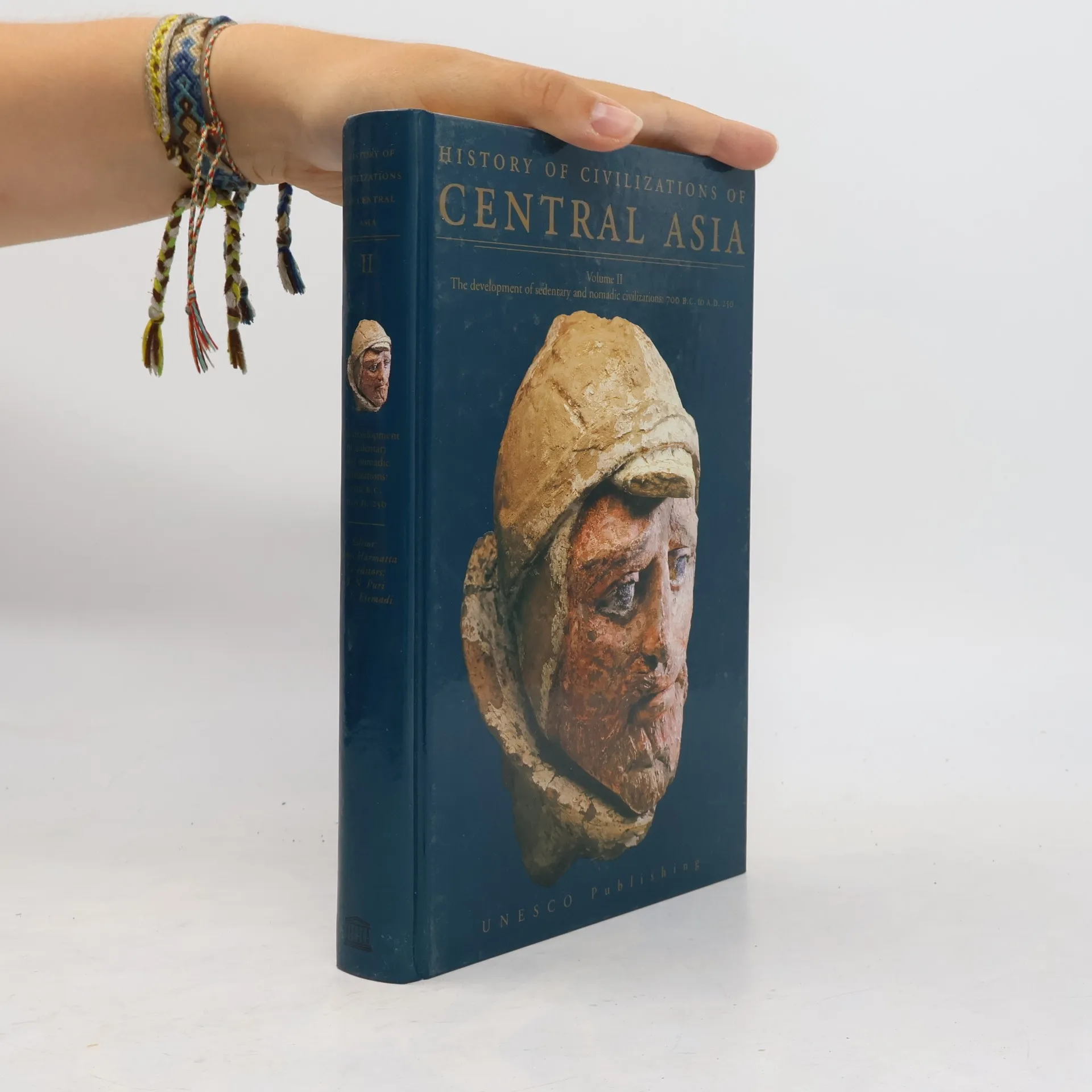
The Development of Sedentary and Nomadic Civilizations: 700 B.C. to A.D. 250
- 573 Seiten
- 21 Lesestunden
Volume II presents an account of various population movements and cultural exchanges in Central Asia between 700 B.C. and 250 A.D. Important nomadic tribal cultures such as the Kushans emerged during this period. Contacts between the Mediterranean and the Indus Valley were reinforced by the campaigns of Alexander the Great and, under his successors, the progressive syncretism between Zoroastrianism, Greek religion and Buddhism gave rise to a new civilization instituted by the Parthians, known for its artistic creations. Under Kushan rule, Central Asia became the crossroads of a prosperous trade between the Mediterranean and China along the Silk Route.
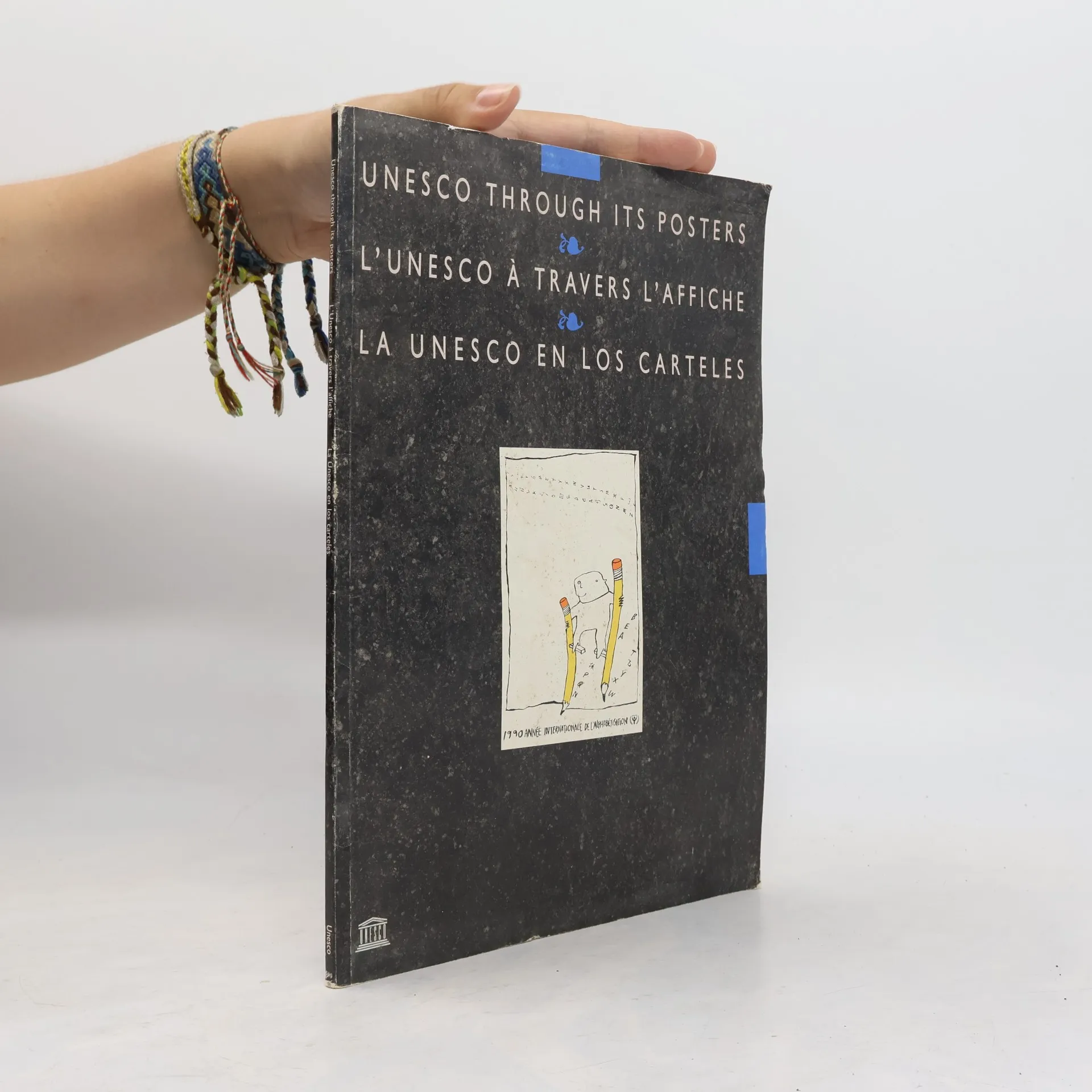
Unesco Through Its Posters
- 80 Seiten
- 3 Lesestunden
Conventions and Recommendations of Unesco Concerning the Protection of the Cultural Heritage
- 239 Seiten
- 9 Lesestunden
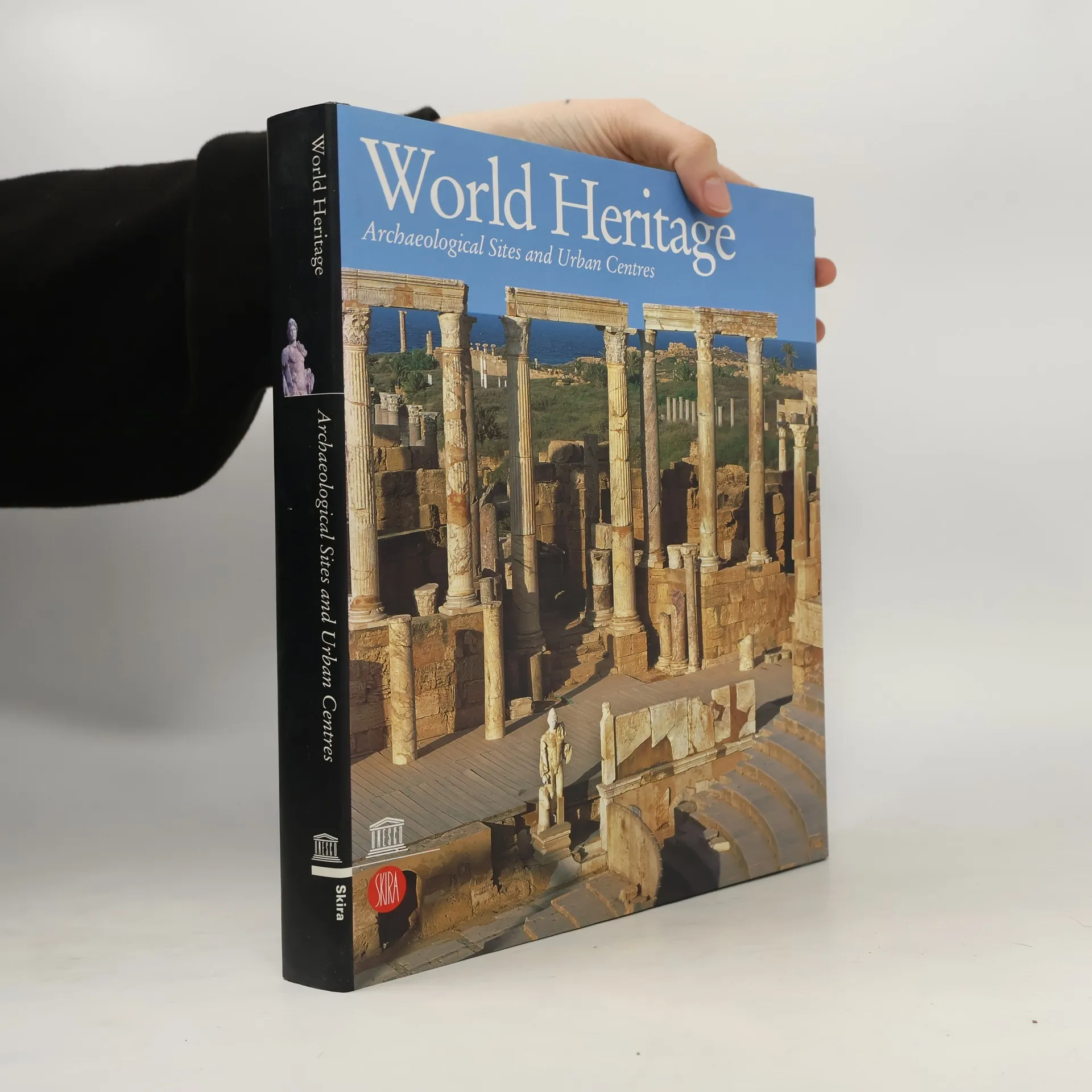
Book by Unesco
This fully illustrated volume is devoted specifically to archaeological areas and urban centres, and focuses on forty-six emblematic instances of diverse geographic, cultural, and historic sites throughout the world, for example, Vatican City (Rome, Italy), Cracow (Poland), Angkor (Cambodia), Brasilia (Brazil), Machu Picchu (Peru).
The Cultural Policy of the United Republic of Tanzania
- 72 Seiten
- 3 Lesestunden
Book by Mbughuni, L. A
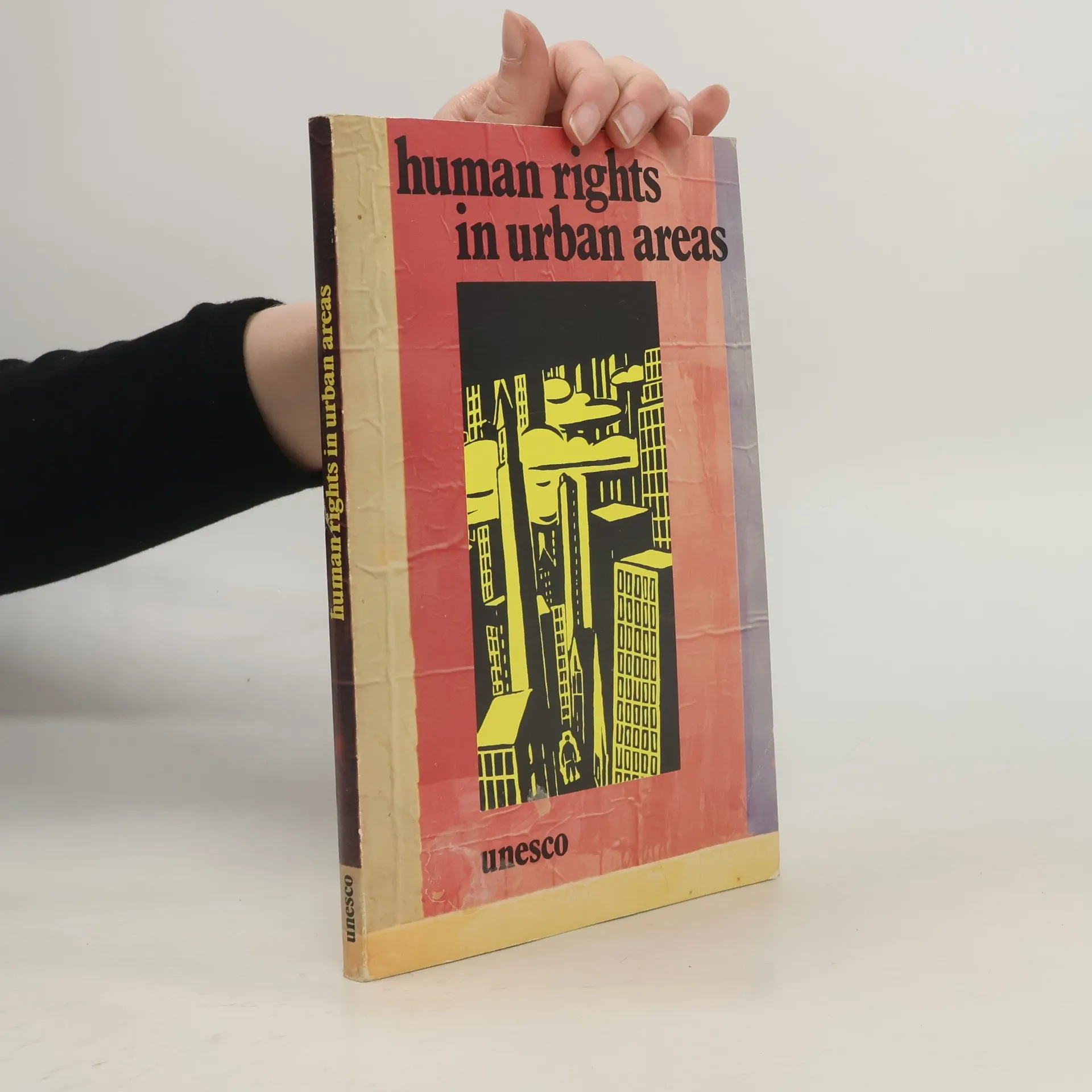
Human Rights in Urban Areas
- 169 Seiten
- 6 Lesestunden
UNESCO pub. Monograph of conference papers comprising social policy guidelines on promoting human rights in urban areas - discusses the need to protect civil rights and the right to work of low income immigrants, and minority groups, etc., urban planning, urbanization and poverty- related social problems, examines the role of ombudsman in delinquency prevention, describes the "ATD-Fourth World" movement, and includes case studies. Bibliography p. 110 and references. List of participants. Conference held in Paris 1980 Dec 8 to 11.
L'Histoire générale de l'Afrique, projet de publication majeur de l'UNESCO, marque une avancée significative dans la reconnaissance du patrimoine culturel africain. Offrant une perspective interne de l'Afrique, l'œuvre en huit volumes propose une approche globale de l'histoire des idées, des civilisations, des sociétés et des institutions de l'histoire africaine. Les volumes abordent également les relations historiques entre les Africains ainsi que les interactions multilatérales avec d'autres cultures et continents.
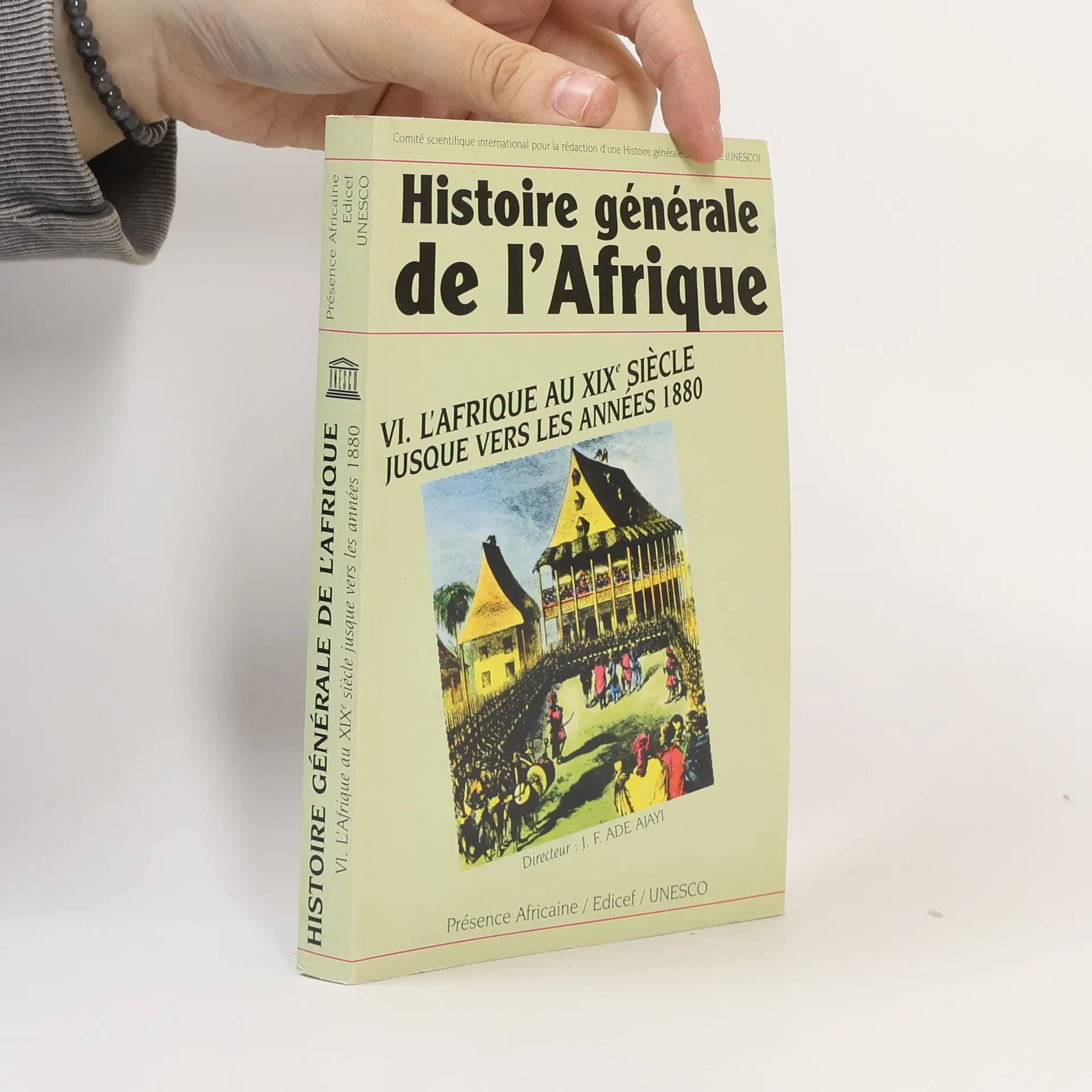
Histoire générale de l'Afrique - 6: L'Afrique au XIXe siècle jusque vers les années 1880
- 448 Seiten
- 16 Lesestunden
L'Histoire générale de l'Afrique marque une avancée majeure dans la reconnaissance du patrimoine culturel de l'Afrique. Offrant une perspective interne de l'Afrique, l'œuvre en huit volumes propose une approche globale de l'histoire des idées, des civilisations, des sociétés et des institutions de l'histoire africaine. Les volumes abordent également les relations historiques entre les Africains ainsi que les interactions multilatérales avec d'autres cultures et continents.
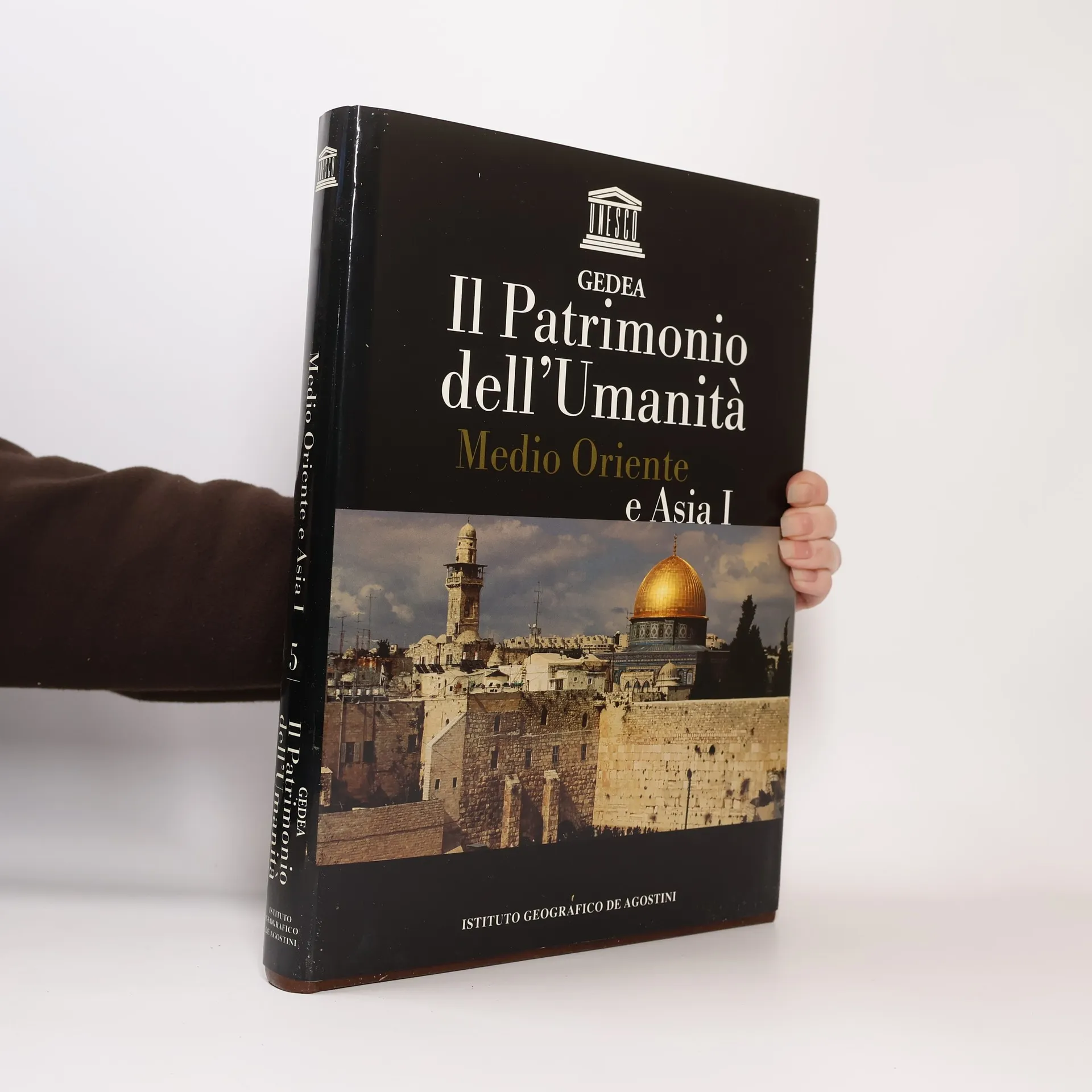
Il patrimonio dell'umanità
Medio Oriente e Asia I
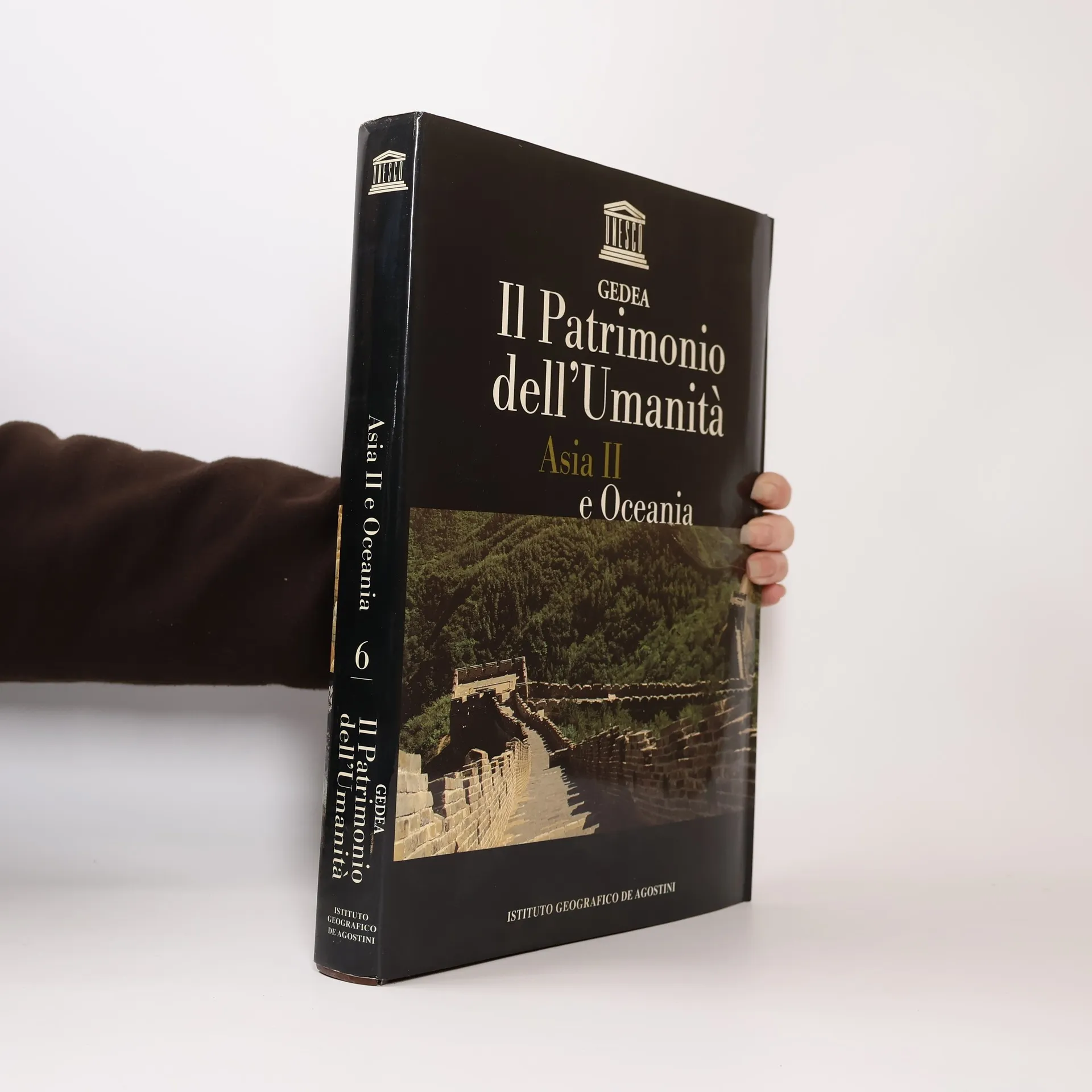
Il Patrimonio dell'Umanità
Asia II e Oceania
Il patrimonio dell'umanità
- 348 Seiten
- 13 Lesestunden