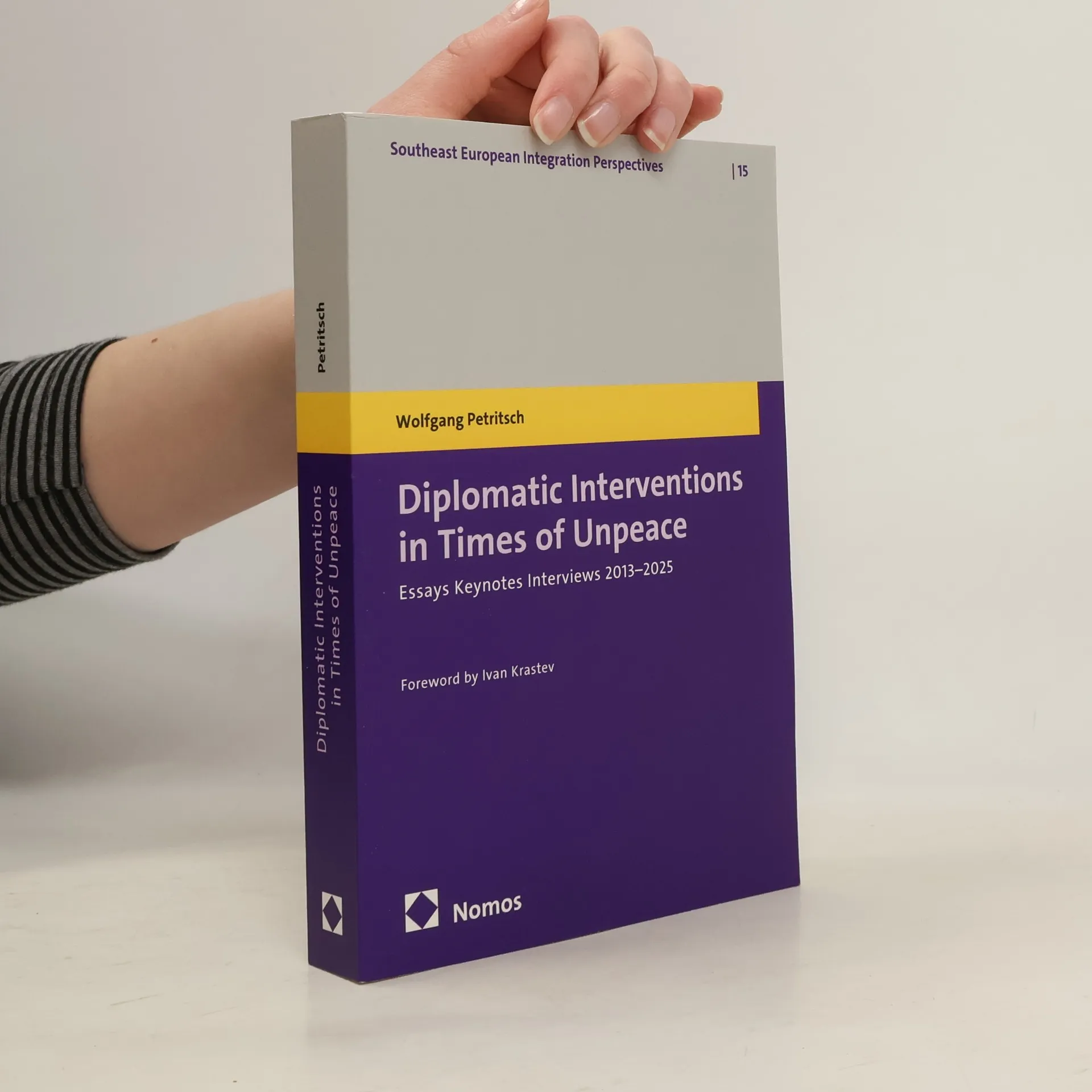
Southeast European Integration Perspectives - 15: Diplomatic Interventions in Times of Unpeace
Essays Keynotes Interviews 2013-2024


Ivan Krastev ist ein führender politischer Denker, dessen Werk sich mit der Komplexität der gegenwärtigen Demokratie und ihren Herausforderungen befasst. Mit einem scharfen Verständnis globaler politischer Trends und Protestbewegungen analysiert er, wie Misstrauen und sich wandelnde gesellschaftliche Obsessionen politische Systeme beeinflussen. Krastevs Analysen reichen über europäische Krisen hinaus und untersuchen breitere Fragen des Vertrauens zwischen Bürgern und ihren Führern. Seine Schriften bieten aufschlussreiche Perspektiven auf aktuelle politische Dynamiken und deren weitreichende Konsequenzen.


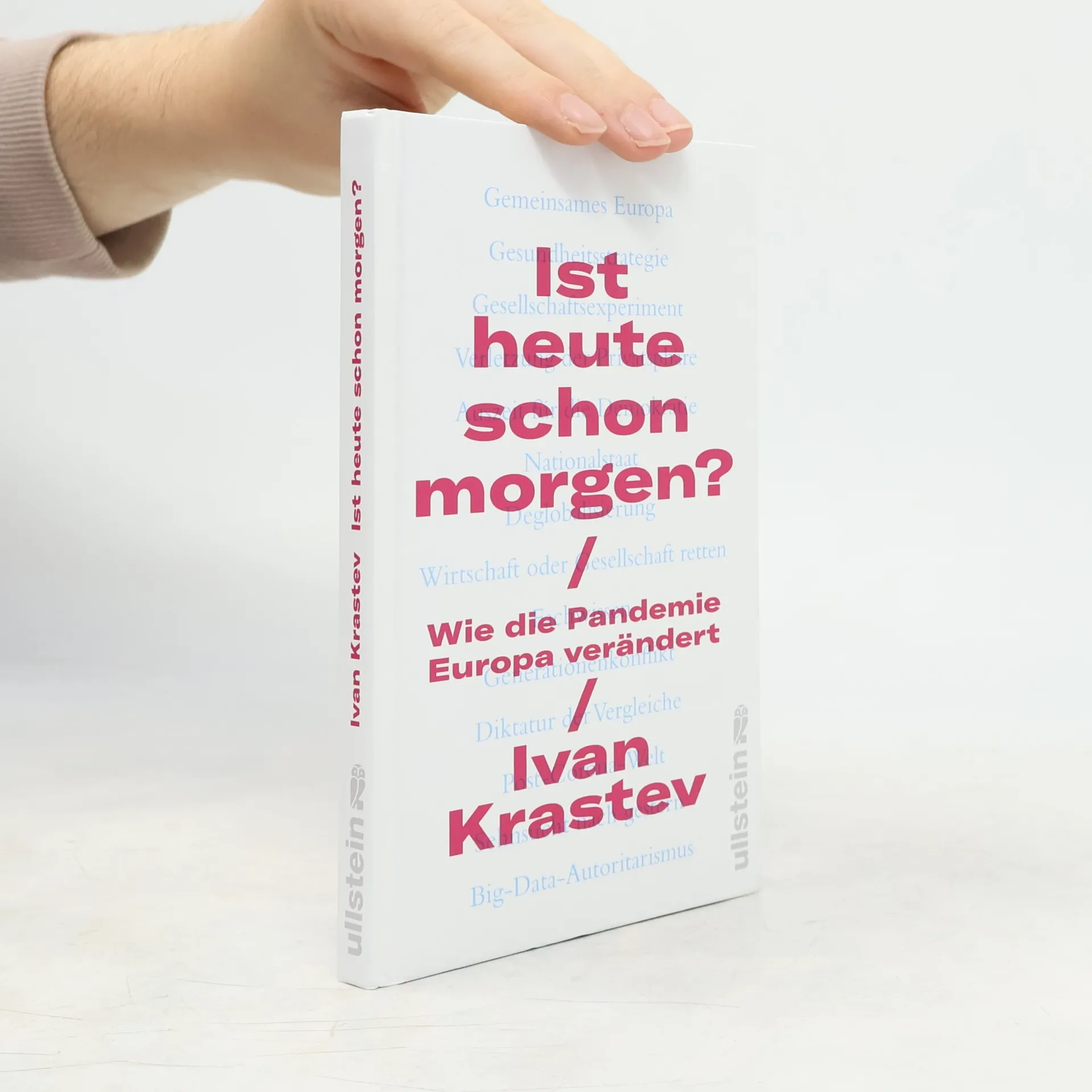
Essays Keynotes Interviews 2013-2024
22 Essays prominenter Autorinnen und Autoren erklären den Zustand Europas und der Europäischen Union. Sie sezieren die Geschichte des Kontinents und treffen Vorhersagen für die politische und ökonomische Zukunft Europas.
Ein Virus war nötig, um die Welt auf den Kopf zu stellen. Wie wird die Welt danach aussehen? Ivan Krastev, einer der wichtigsten Intellektuellen der Gegenwart, gibt Orientierung in Zeiten der Ungewissheit. »Es gibt Momente, in denen sich unsere Gewissheiten auflösen und sich unsere kollektive Vorstellung von dem, was möglich ist, dramatisch ändert. Die Menschen beginnen, die Gegenwart zu ignorieren und stattdessen über die Zukunft nachzudenken – die Zukunft, die sie sich erhoffen, oder die Zukunft, die sie fürchten.« »Ivan Krastev ist einer der großen europäischen Denker unserer Zeit.« Timothy Snyder »Krastev zu lesen ist ein Genuss, denn in seiner stilistischen Kunst finden die Liebe zur Literatur, die politische Illusionslosigkeit und die Schönheit des Gedankens zusammen.« Elisabeth von Thadden, Die Zeit »Ivan Krastev ist einer dieser Philosophen, die auch Geschichtenerzähler sind; seine Pointen, Witze, Anekdoten sind Wegweiser, während er von einem Gedanken zum nächsten wandert.« Lothar Gorris, Der Spiegel
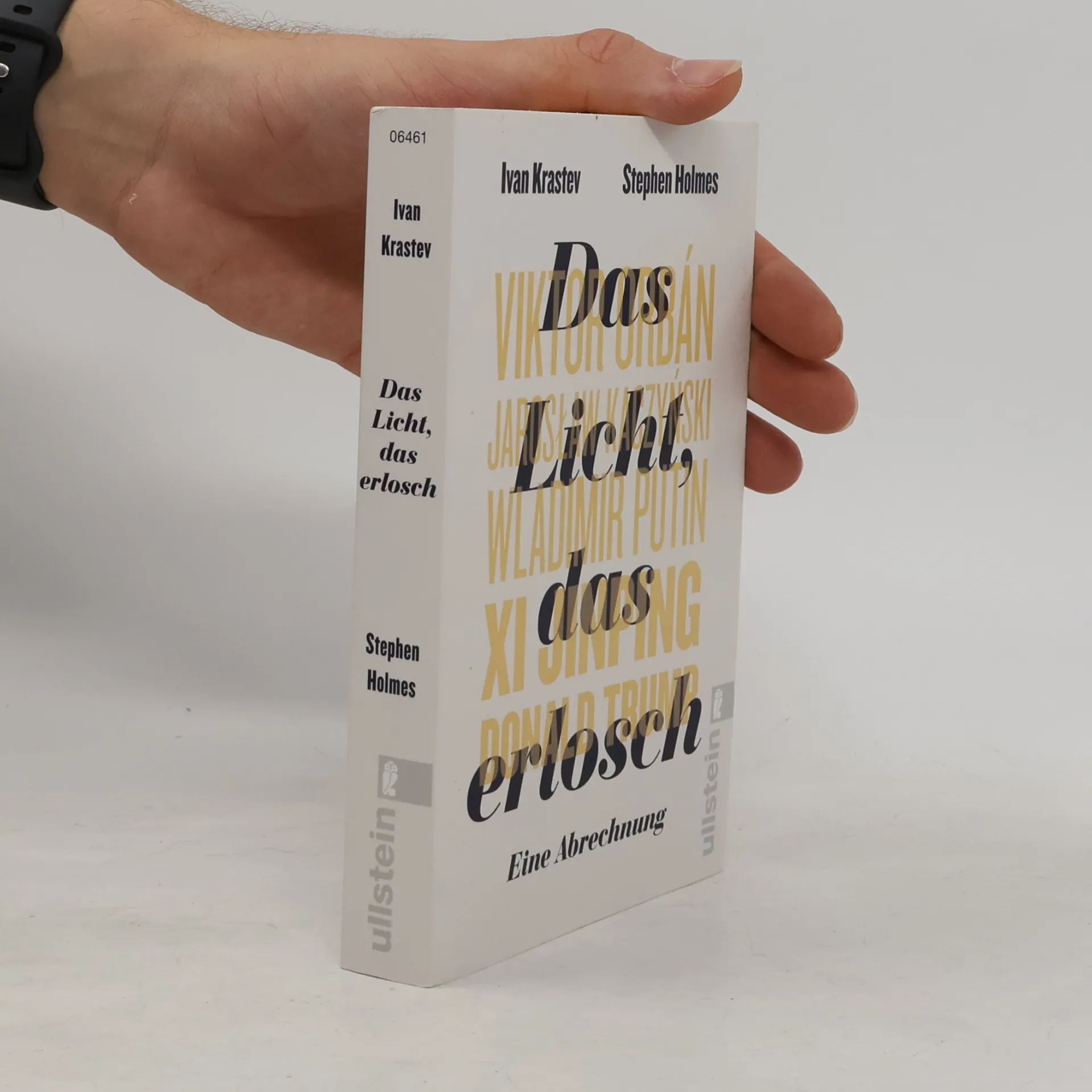
Eine Abrechnung | Der neue Kalte Krieg hat bereits begonnen
Nach dem Kalten Krieg wurde das liberal-demokratische Modell des Westens als alternativlos angesehen. Heute zerbrechen Demokratien weltweit, untergraben von Populismus und Nationalismus, besonders in Osteuropa. Die Analyse von Ivan Krastev und Stephen Holmes zeigt, dass das ausgerufene „Ende der Geschichte“ tatsächlich ein Zeitalter der Nachahmung einleitete. Der Osten imitierte den Westen und litt unter Gefühlen von Unzulänglichkeit und Identitätsverlust. Inzwischen hat das westliche Vorbild an moralischer Glaubwürdigkeit verloren und ein gefährliches Wertevakuum hinterlassen. Dieses Werk fordert dazu auf, bestehende Überzeugungen zu hinterfragen und die komplexe Beziehung zwischen Liberalismus und Antiliberalismus neu zu bewerten. Die Autoren nutzen das Nachahmungsparadigma, um die massenpsychologischen Prozesse unserer Zeit zu beleuchten. Ihre Einsichten und Beobachtungen sind bemerkenswert und bieten einen detaillierten Blick auf Mentalitätsverschiebungen, ohne sich auf gängige antifaschistische Begriffe zu stützen. Krastev, ein Geschichtenerzähler und Philosoph, und Holmes, ein brillanter politischer Denker, liefern eine fesselnde Analyse, die sowohl literarisch als auch gedanklich ansprechend ist.
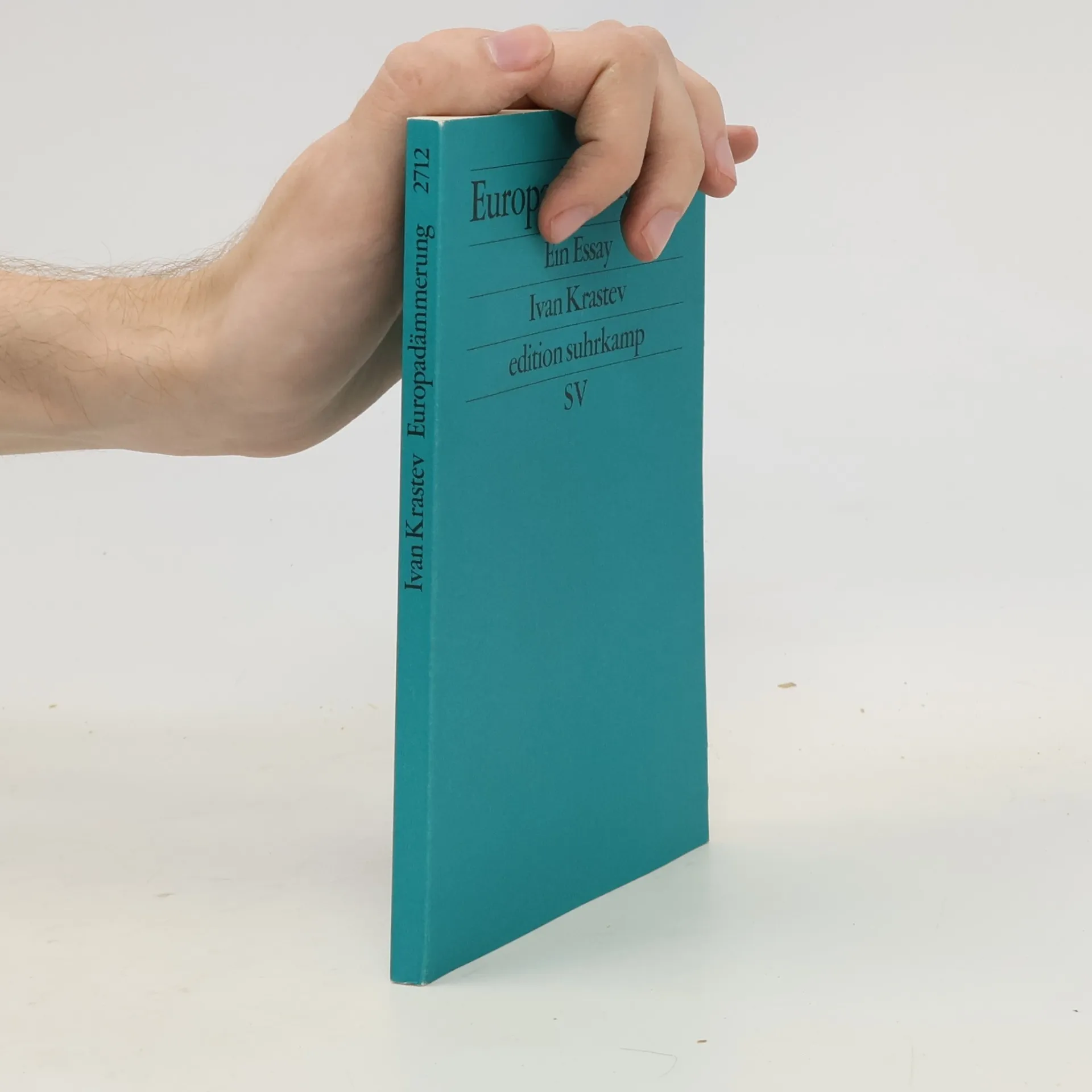
Ein Essay
Nach 1989 waren Landkarten plötzlich nicht länger in Mode. Die Grenzen sollten geöffnet werden für Menschen, Güter, Kapital und Ideen. An die Stelle der alten Karten traten Graphiken, welche die ökonomische Verflechtung innerhalb der EU illustrierten. Heute erleben wir einen ideologischen Gezeitenwechsel: Wo die Mehrheit der Europäer noch vor einigen Jahren optimistisch auf die Globalisierung blickte, empfinden sie Migration und die Rückkehr der Geopolitik als Quelle der Unsicherheit. Ivan Krastev untersucht die Ursachen für diesen Wandel und erörtert, welche Formen die europäische Desintegration annehmen könnte. Ein Zerfall der EU, so Krastev, wäre eine Tragödie, die den Kontinent zu internationaler Bedeutungslosigkeit verurteilen würde.
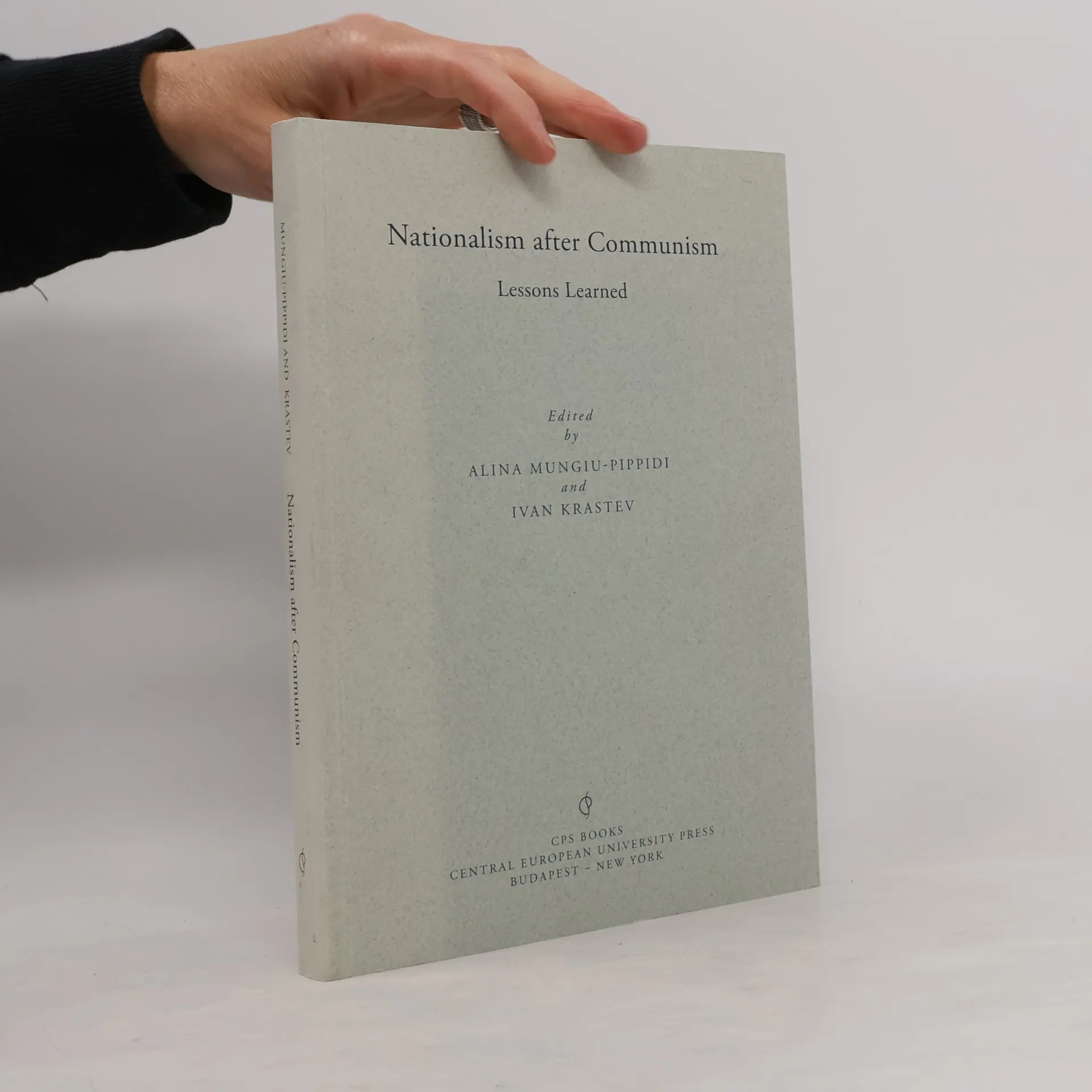
What if a policymaker tasked with creating a peace arrangement in an ethnic conflict sought practical wisdom from the theory of ethnic conflict and nationalism? This book examines the intersection of academic theory and the realities faced by policymakers who must foster interethnic peace with limited resources and time. It explores the postcommunist experience of ethnic revival and conflict, comparing it to other nationalisms and assessing best practices for managing ethnic conflicts within and between states. The introductory chapter provides a theoretical overview of recent research on nationalism and ethnic conflict relevant to policymaking. Subsequent chapters delve into the political economy of ethnicity, with Vladimir Gligorov analyzing the incentives that led to the fragmentation of Yugoslavia and the efforts to unify it. Charles King investigates the small separatist republics of the post-Soviet landscape, while Gerald Knause and collaborators examine the challenges of equitable governance between ethnic groups in Macedonia. Alina Mungiu-Pippidi tests primordial hypotheses through public opinion surveys in several countries. Valerie Bunce and Philip Roeder critically assess political institutions aimed at preventing ethnic conflict, while Florian Bieber and Mathijs Bogaards evaluate power-sharing arrangements and voting systems in the Balkans. The book concludes with a review of policy options by the editors.