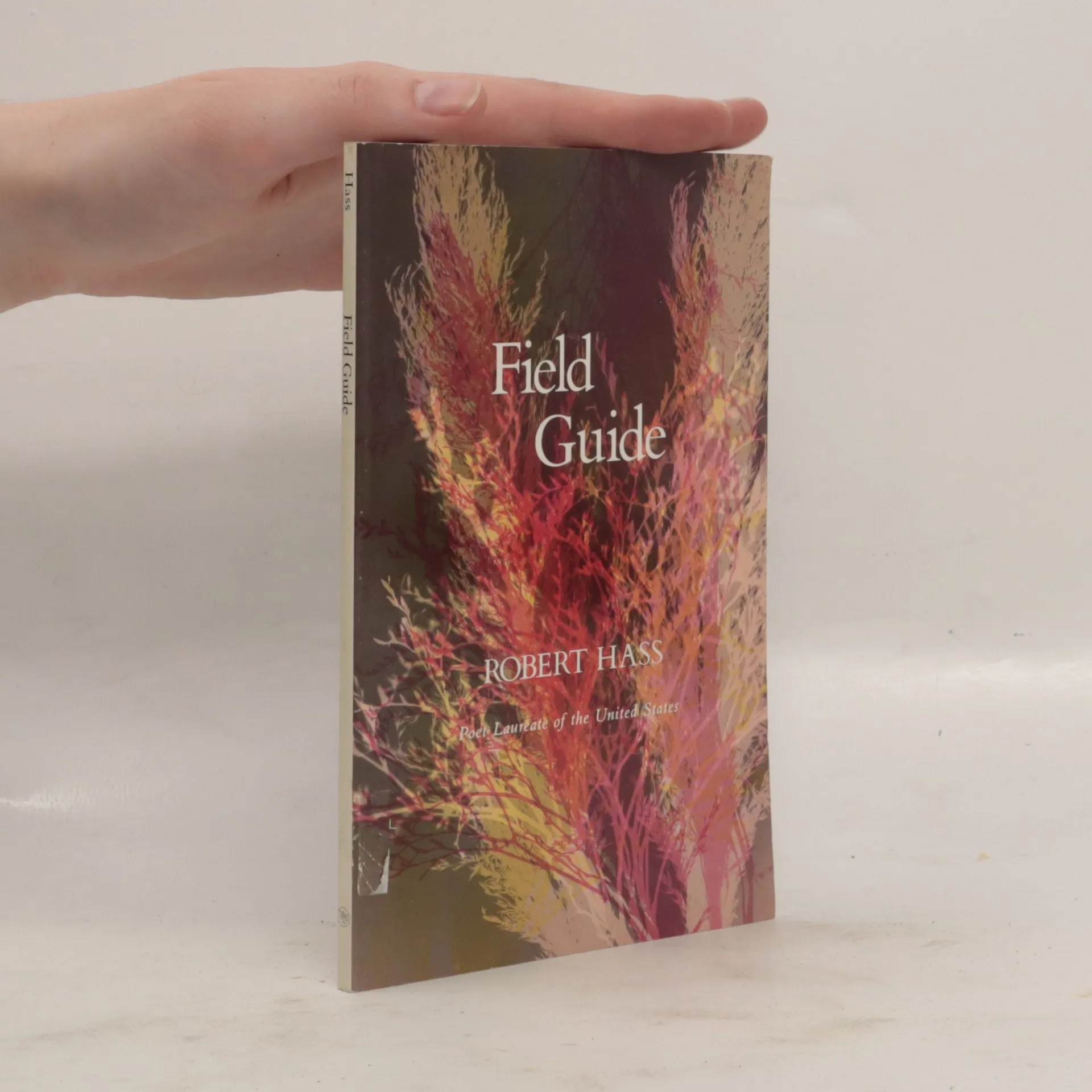
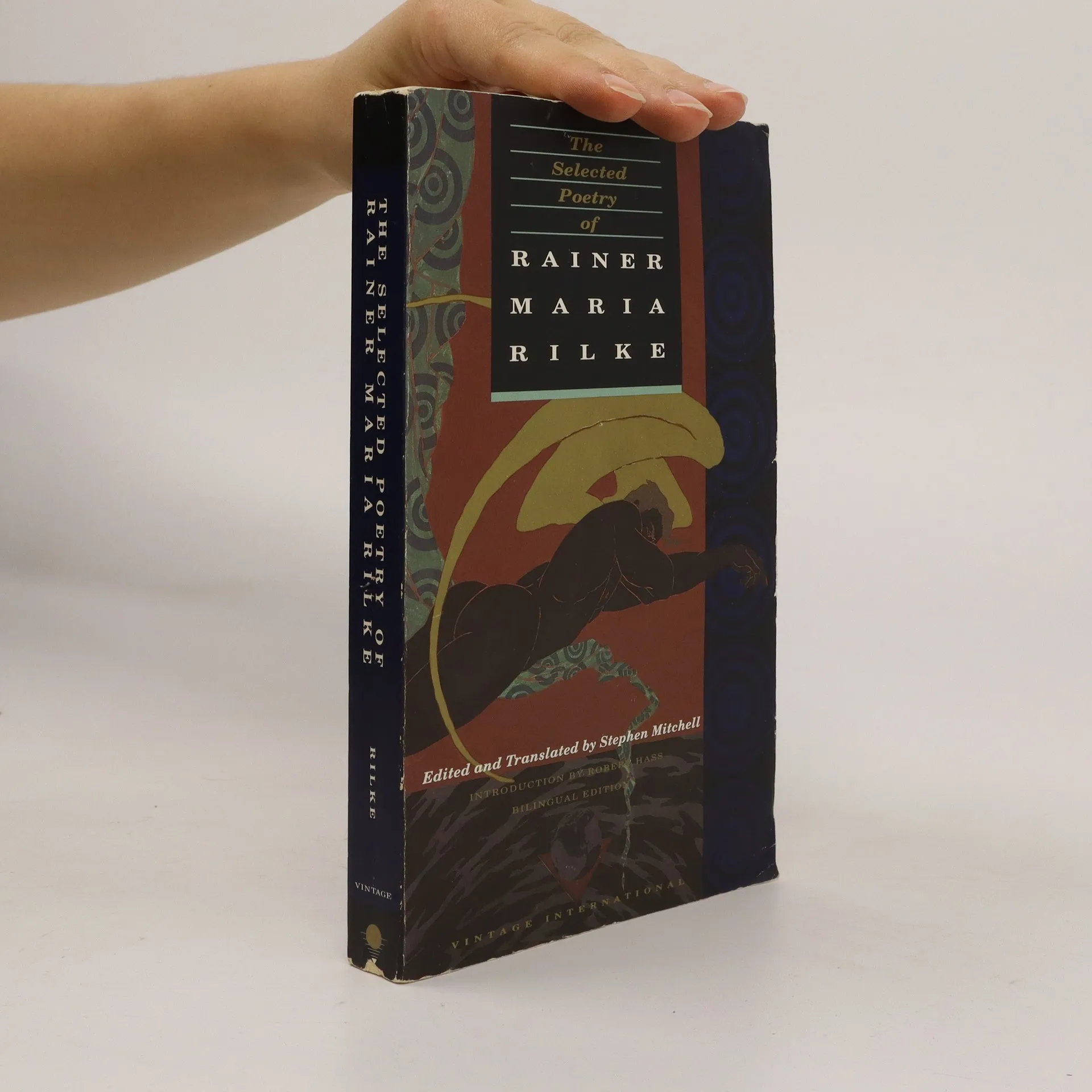
Robert Hass ist ein gefeierter Dichter und Essayist, dessen Werk sich oft mit der tiefen Verbindung zwischen der natürlichen Welt und menschlicher Erfahrung auseinandersetzt. Seine Poesie zeichnet sich durch genaue Beobachtung der Welt und die Fähigkeit aus, Schönheit und Bedeutung in alltäglichen Details zu finden. Hass' Texte sind reich an Klang und Bild, wobei er sich häufig Themen wie Ökologie, Geschichte und der Komplexität menschlicher Beziehungen widmet. Sein innovativer Ansatz zu Sprache und Form macht ihn zu einer bedeutenden Stimme in der zeitgenössischen amerikanischen Dichtung.
A major collection of entirely new poems from the Pulitzer Prize and National
Book Award-winning author of Time and Materials and The Apple Trees at OlemaA
new volume of poetry from Robert Hass is always an event.
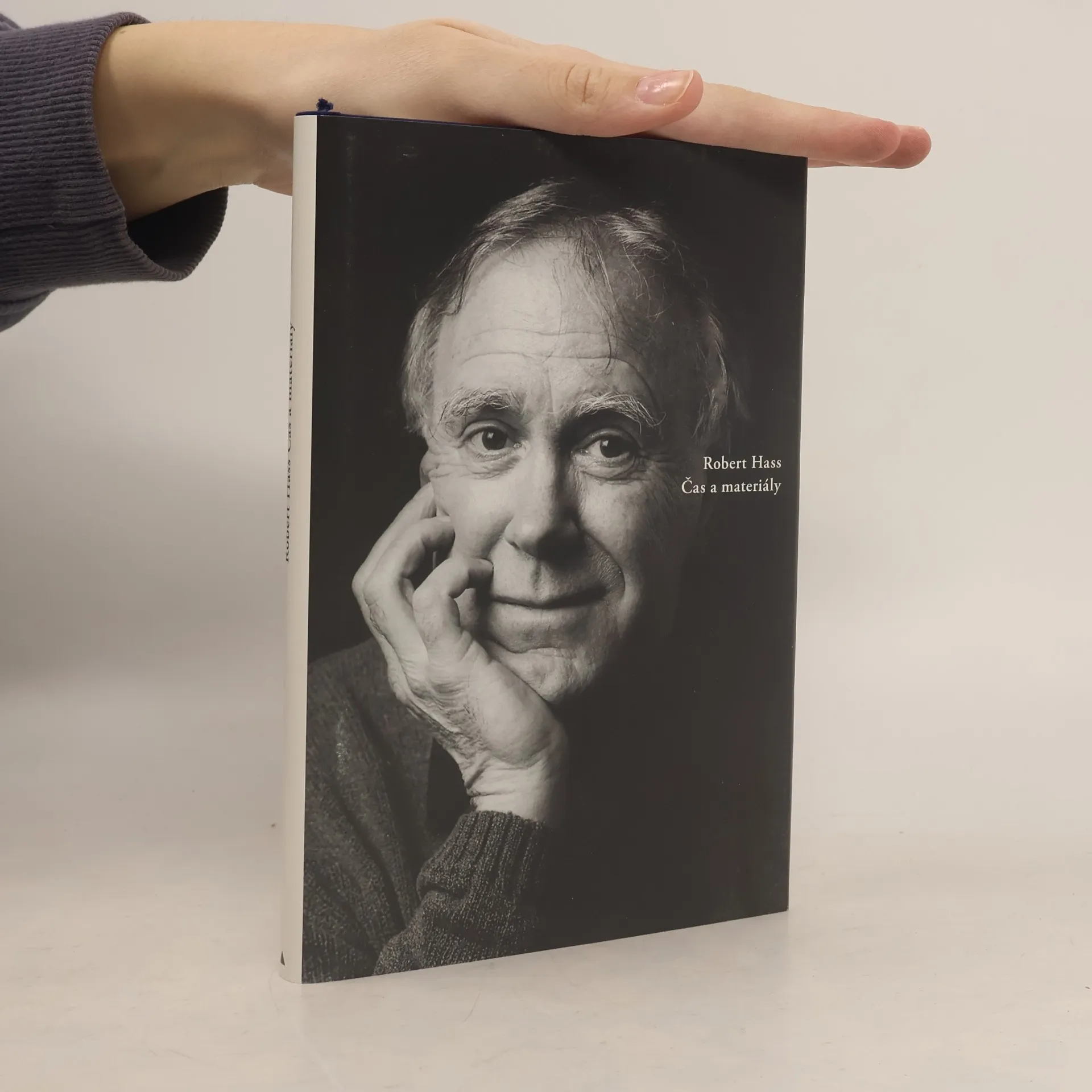
Každá nová kniha tohto básnika je významnou udalosťou v poézii a ani zbierka Čas a materiály nie je výnimkou. Je zakotvená v kráse a energii fyzického sveta a v rozporuplnosti súčasnej americkej kultúry. Hass získal za ňu Národnú knižnú cenu a Pulitzerovu cenu. V slovenskom knižnom vydaní sa predstavuje tento básnik v preklade Juraja Kuniaka po prvý raz. Doslov napísal Peter Trizna.
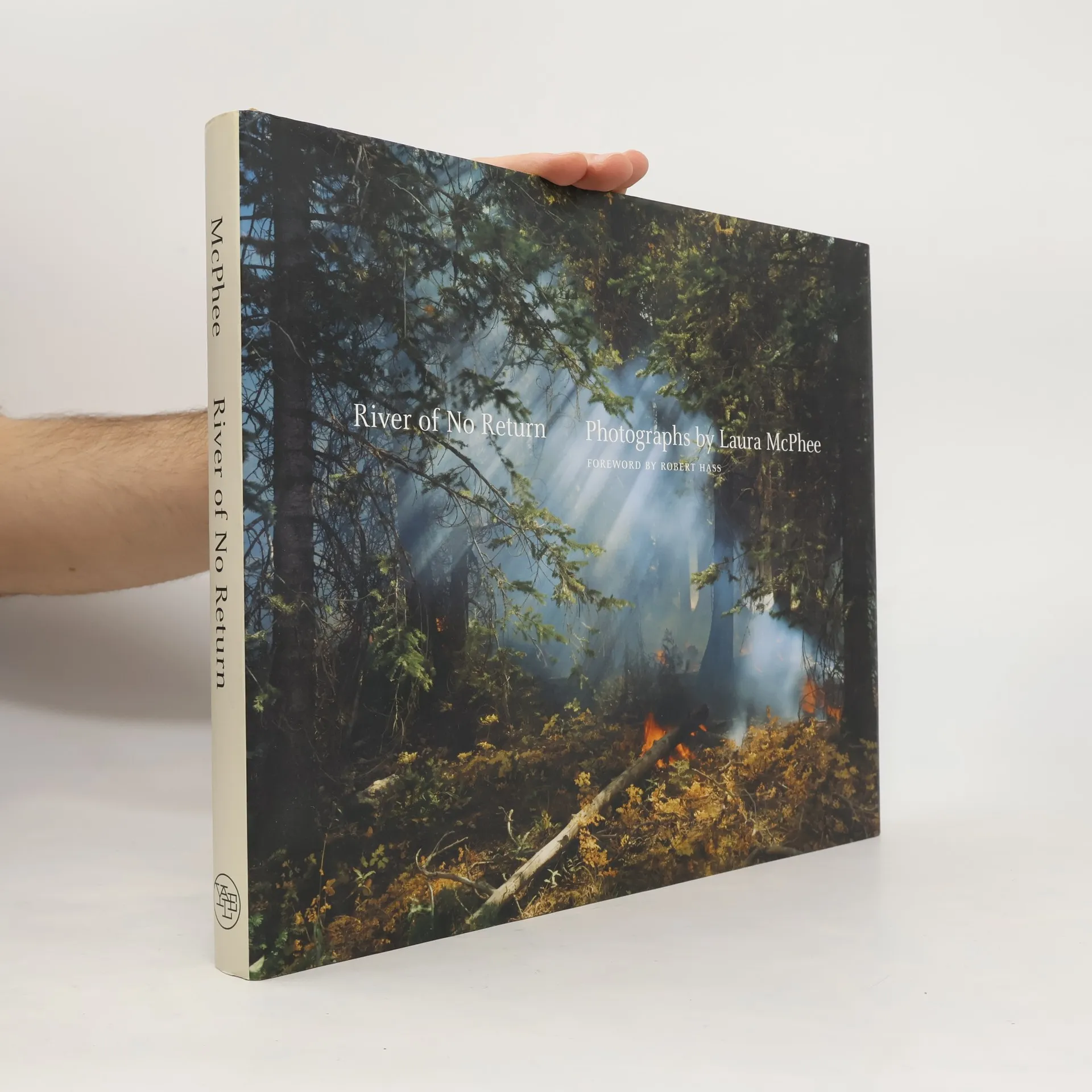
A magnificent collection of images depicting landscapes and life in one of the last remote places in the American westThe idea of the American wilderness has long captivated artists fascinated by the ways in which its unspoiled natural beauty embodies the nation’s identity. This beautifully produced volume celebrates the unsurpassed splendor of a fabled region, while also presenting the environmental complexities of managing a vast landscape in which the needs of ranchers, biologists, miners, tourists, and locals seek a finely delineated balance. Photographer Laura McPhee follows in the tradition of 19th-century artistic approaches toward the sublime, relying on a large-format view camera to capture images of exquisite color, clarity, and definition. In images spanning all seasons, McPhee depicts the magnificence and history of the Sawtooth Valley in central Idaho. Her subject matter includes the region’s spectacular mountain ranges, rivers, and ranchlands; its immense spaces and natural resources; the effects of mining and devastating wildfires; and the human stories of those who live and work there. Featured texts set McPhee’s photographs in the context of the work of American predecessors including Frederick Sommer and J.B. Jackson, and discuss her working methods and experiences photographing the evolving landscape.
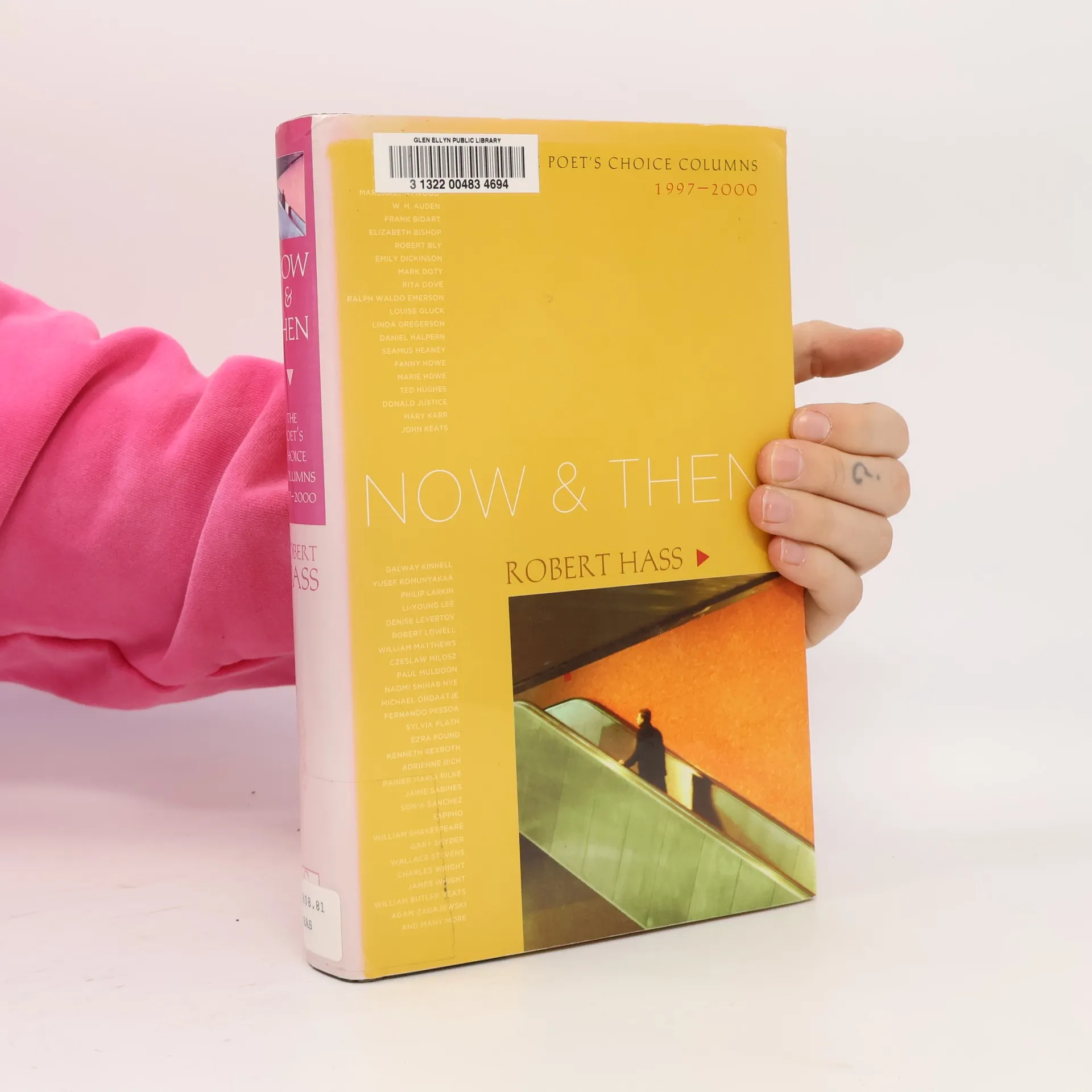
During his tenure as US Poet Laureate, Robert Hass revived the popular nineteenth-century tradition of including poetry in our daily newspapers. “Poet's Choice” ultimately became a nationally syndicated column appearing in dozens of papers across the country. Every week, Hass would marry poets and poetry to headlines and holidays.Proceeding in sequence from early 1997 to the start of the millennium, we ride the rhythms of Hass's remarkable musings. From the living legends to the long-gone, Hass resurrects voices of many who might otherwise remain neglected. Nearly a hundred poets are profiled — William Butler Yeats, Wallace Stevens, Rita Dove, Robert Frost, Sonia Sanchez, Donald Justice, Margaret Atwood, John Ashbery, Adrienne Rich, Michael Ondaatje, and Louis Glück all make appearances here. And along with classic works, we're introduced to a host of emerging poets and to translations of such luminaries as Yehuda Amichai, Czeslaw Milosz, and Jaime Sabines. With his assured yet unimposing words, Hass awakens our understanding of the great canon of poetry.In his introduction, Hass observes how the columns collected here seem to encapsulate a time and world quite different from the one that developed after 9/11. And so this collection serves as both remembrance and reminder of a period in our history, and as a celebration of the poets whose poems transcend time.
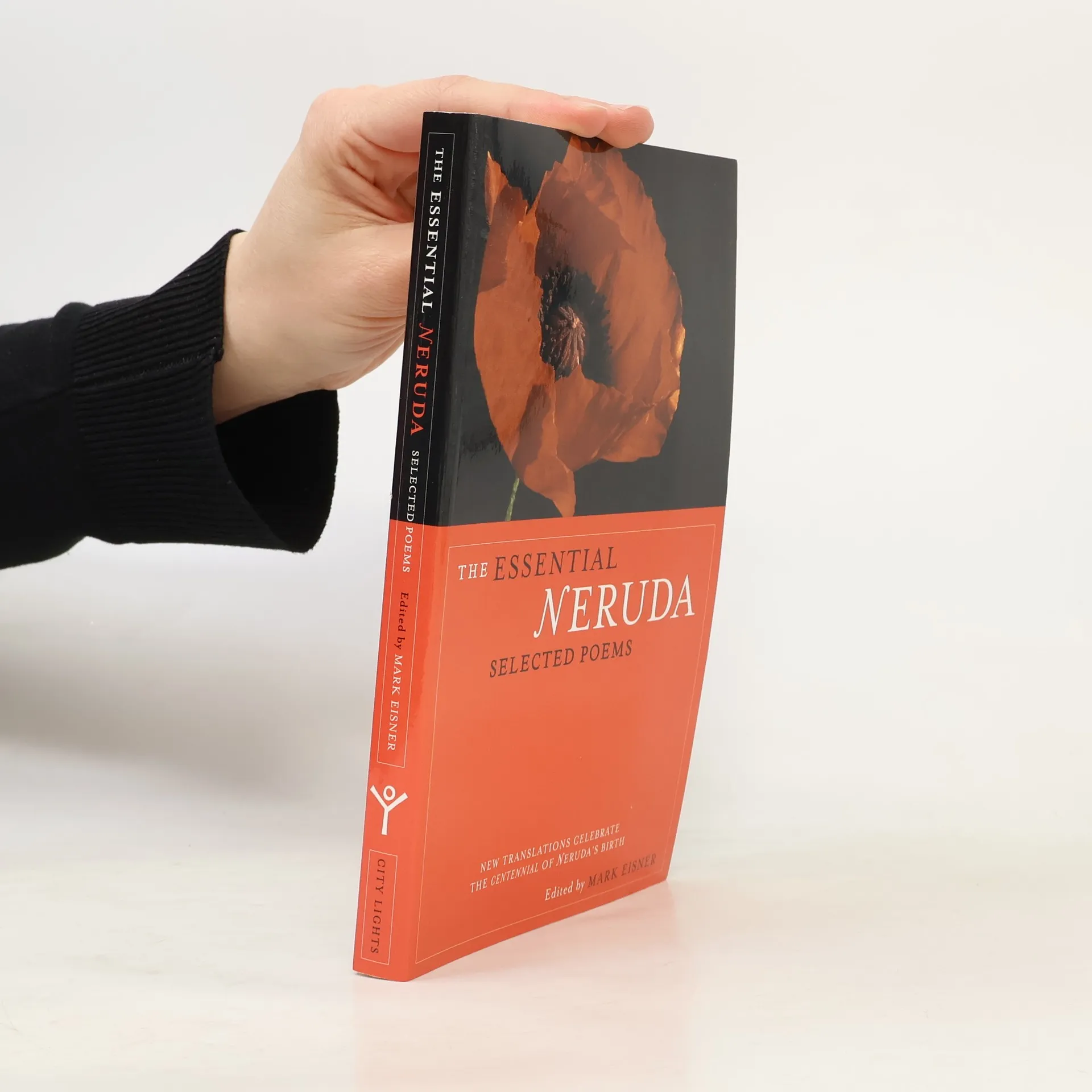
This collection of Neruda’s most essential poems will prove indispensable. Selected by a team of poets and prominent Neruda scholars in both Chile and the United States, this is a definitive selection that draws from the entire breadth and width of Neruda’s various styles and themes. An impressive group of translators that includes Alaistair Reid, Stephen Mitchell, Robert Hass, Stephen Kessler and Jack Hirschman have come together to revisit or completely retranslate the poems. A bilingual edition, with English on one side of the page, the original Spanish on the other. This selection sets the standard for a general, high--quality introduction to Neruda’s complete oeuvre. Pablo Neruda was born in Chile in 1904. He received the Nobel Prize for Literature in 1971.
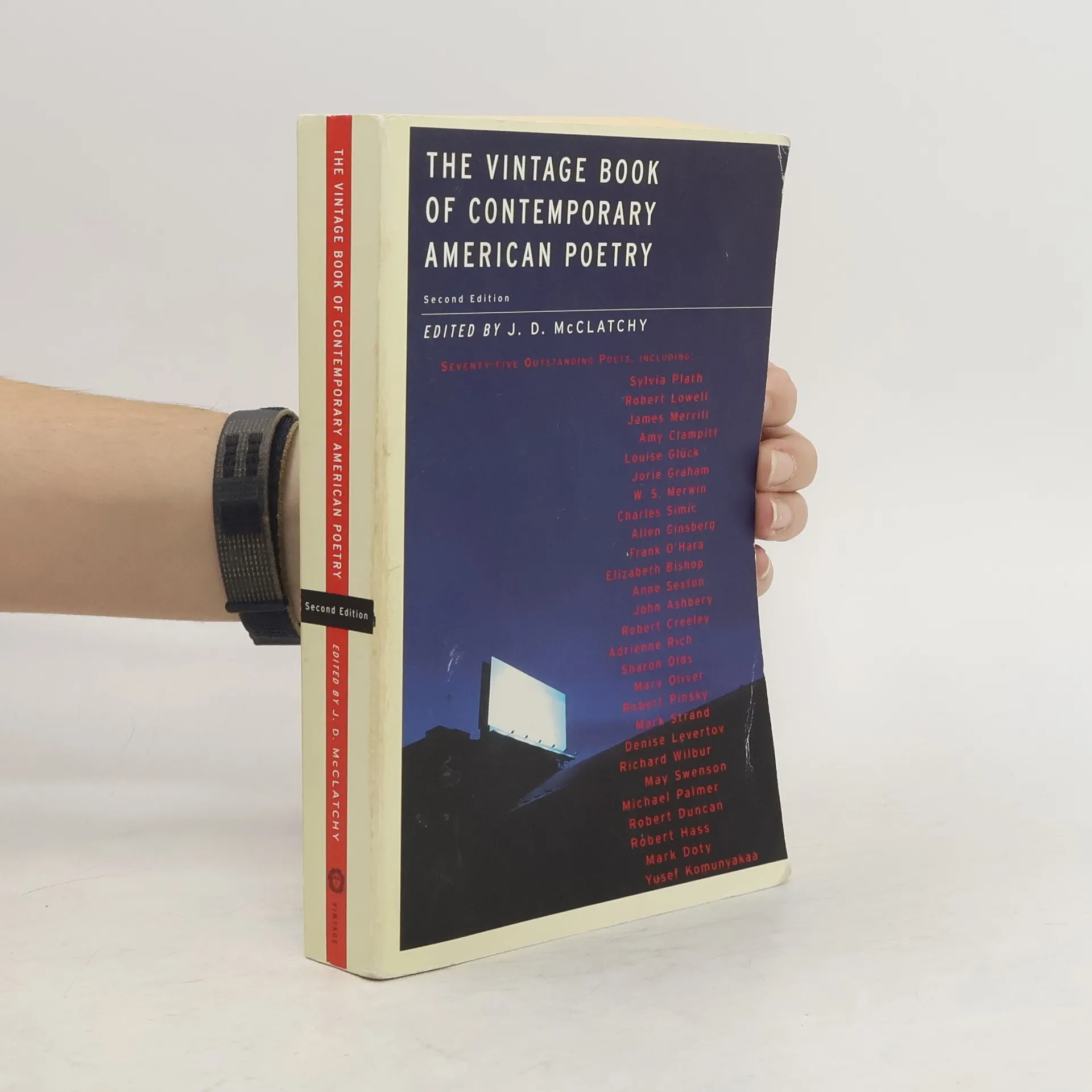
Dazzling in its range, exhilarating in its immediacy and grace, a collection that gathers together, from every region of the country and from the past forty years, the poems that continue to shape our imaginations.From Robert Lowell and Elizabeth Bishop, John Ashbery and Adrienne Rich, to Robert Haas and Louise Glück, this anthology takes the full measure of our poetry's daring energies and its tender understandings.Other poets Sylvia PlathJames MerrillAmy clampittJorie GrahamW. S. MerwinCharles SimicAllen GinsbergFrank O'HaraAnne SextonRobert CreeleySharon OldsMary OliverRobert PinskyMark StrandDenise LevertovRichard WilburMay SwensonMichael PalmerMark DotyYusef Komunyakaa
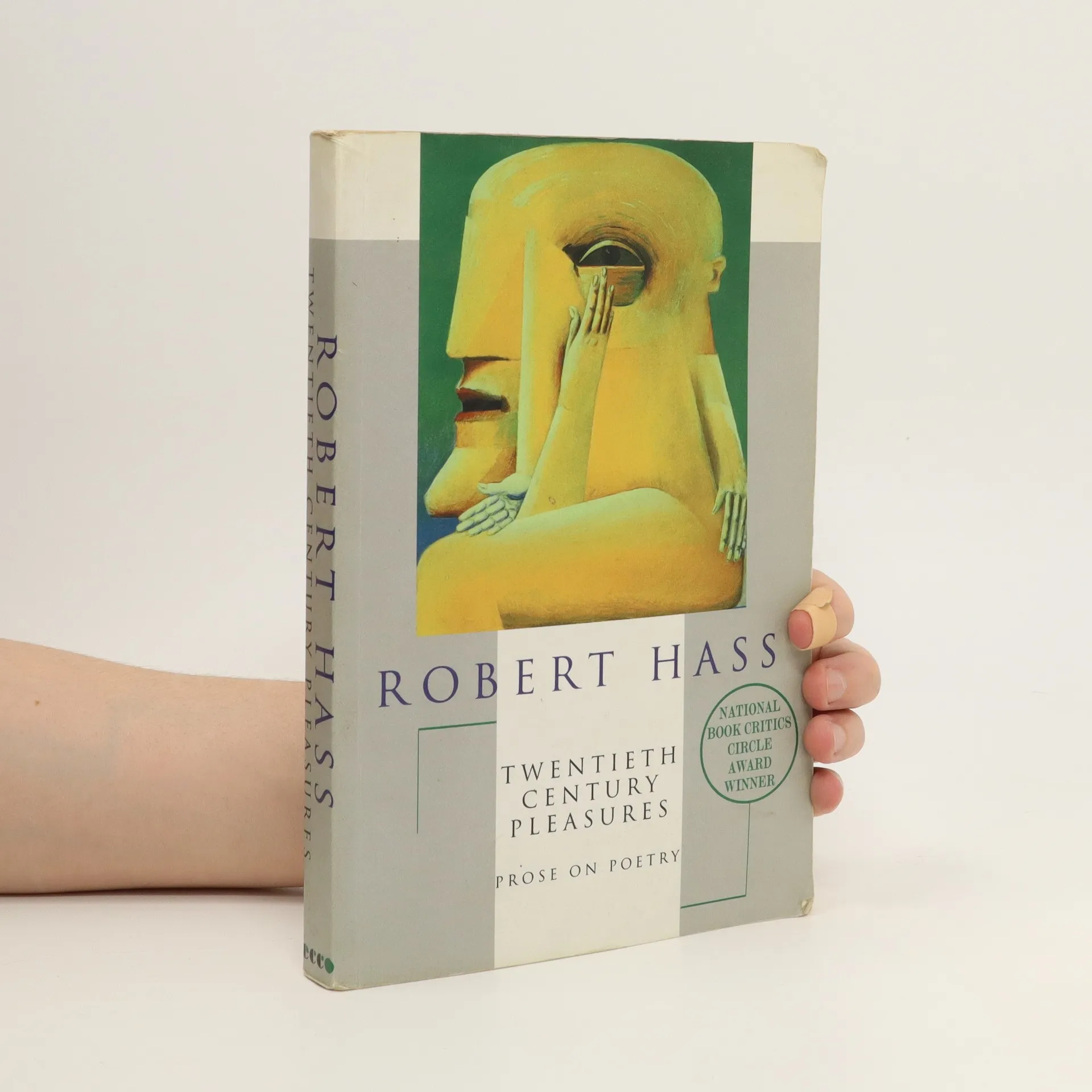
U.S. Poet Laureate Robert Hass considers some of the twentiethcentury poets who bring him pleasure: Robert Lowll, JamesWright, Tomas Transtromer, Joseph Brodsky, Yvor Winters,Robert Creeley, James McMichael, Czeslaw Milosz, and others,in this, his first collection of essays. Originally published in1984, Twentieth Century Pleasures: Prose on Poetry won theNational Book Critics Circle Award for criticism. A new collection of Robert Hass's essays will be published by Ecco in 1998.
American readers have been fascinated, since their exposure to Japanese culture late in the nineteenth century, with the brief Japanese poem called the hokku or haiku. The seventeen-syllable form is rooted in a Japanese tradition of close observation of nature, of making poetry from subtle suggestion. Infused by its great practitioners with the spirit of Zen Buddhism, the haiku has served as an example of the power of direct observation to the first generation of American modernist poets like Ezra Pound and William Carlos Williams and also as an example of spontaneity and Zen alertness to the new poets of the 1950s. This definite collection brings together in fresh translations by an American poet the essential poems of the three greatest Matsuo Basho in the seventeenth century; Yosa Buson in the eighteenth century; and Kobayashi Issa in the early nineteenth century. Robert Haas has written a lively and informed introduction, provided brief examples by each poet of their work in the halibun, or poetic prose form, and included informal notes to the poems. This is a useful and inspiring addition to The Essential Poets series.
"This miracle of a book, perhaps the most beautiful group of poetic translations this century has ever produced," (Chicago Tribune) should stand as the definitive English language version.
On the Coast near Sausalito -- Fall -- Black Mountain, Los Altos -- Maps -- Adhesive: For Earlene -- Letter to a Poet -- Bookbuying in the Tenderloin -- Spring -- Graveyard at Bolinas -- At Stinson Beach -- San Pedro Road -- Song -- Lines on Last Spring -- Palo Alto: The Marshes -- Concerning the Afterlife, the Indians of Central California Had Only the Dimmest Notions -- The Nineteenth Century as a Song -- For Chekhov -- Two Views of Buson -- After the Gentle Poet Kobayashi Issa -- Basho: A Departure -- The Return of Robinson Jeffers -- Measure -- Applications of the Doctrine -- The Pornographer -- The Pornographer at the End of Winter -- Politics of a Pornographer -- The Failure of Buffalo to Levitate -- House -- After I Seized the Pentagon -- Assassin -- Counterpane: Grandfather's Death -- In Weather -- Letter -- Lament for the Poles of Buffalo.