Exploring the Zen Buddhist concept of "the finger pointing at the moon," the author emphasizes the importance of methods as tools for spiritual progress, warning against mistaking them for the ultimate goal. Through diverse analogies and stories, he illustrates the distinction between seeking direct experience and relying solely on techniques. The narrative serves as a reminder that true understanding lies beyond mere words and methods, encouraging readers to look beyond the pointers to grasp deeper truths.
What happens when a young Zen monk makes a terrible mistake at a public ceremony? What sort of reception does a well-known abbot get today when he visits his old teacher? The answers to these questions can be found in this fascinating translation of Japanese Zen texts by Trevor Leggett. From historical incidents to classic Zen commentaries, this is an account of actual Zen life - the life of traditional temple training - and a valuable guide to the meaning of Zen in Japan.
Drawing from extensive Yoga and Zen training, the author presents a captivating collection of tales that illuminate the spiritual traditions. These stories, enriched by personal experiences and teachings from various mentors, serve as essential tools for inspiration and insight in spiritual practice. They act as catalysts for imagination and enlightenment, making them valuable resources in many spiritual schools. This compendium not only shares wisdom but also encourages daily reflection and growth on the path to understanding.
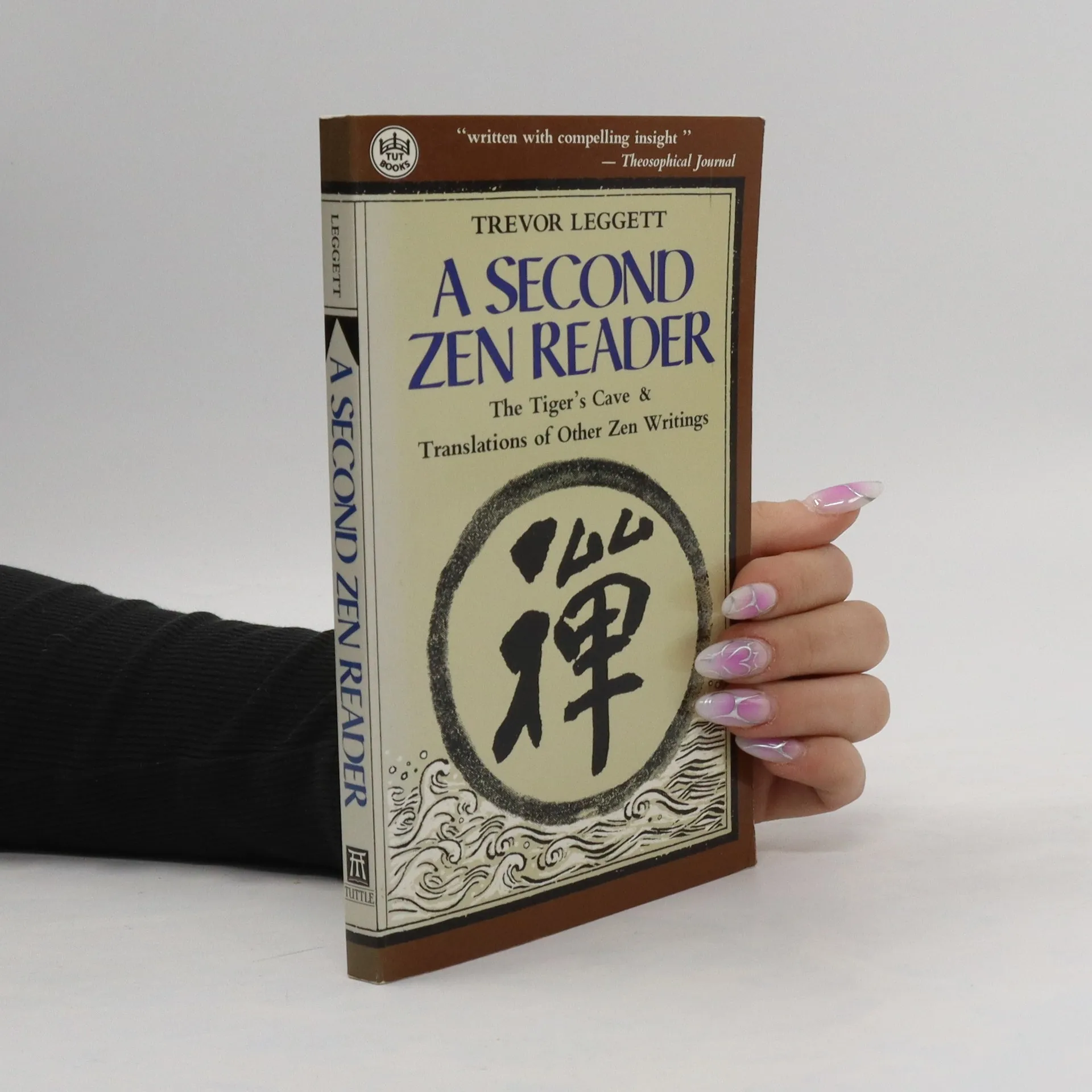
Every page of this profoundly erudite book is written with compelling insight. There are five sections, each reflecting in depth a different emphasis by a particular Master or School of Zen. The collection starts with a key text, an inspired and inspiring commentary on a sutra considered by some to be the very kernel of Mahayana the Heart Sutra. But the book's remaining sections, including the celebrated text The Tiger's Cave and other pieces, will also be full of interest to any reader exploring some of the key Zen narratives.
Trevor Leggett expertly uses stories, parables, and relatable examples to convey profound spiritual insights and truths. His unique ability to highlight the spiritual implications of everyday events makes his work accessible and meaningful, offering readers a deeper understanding of their experiences.
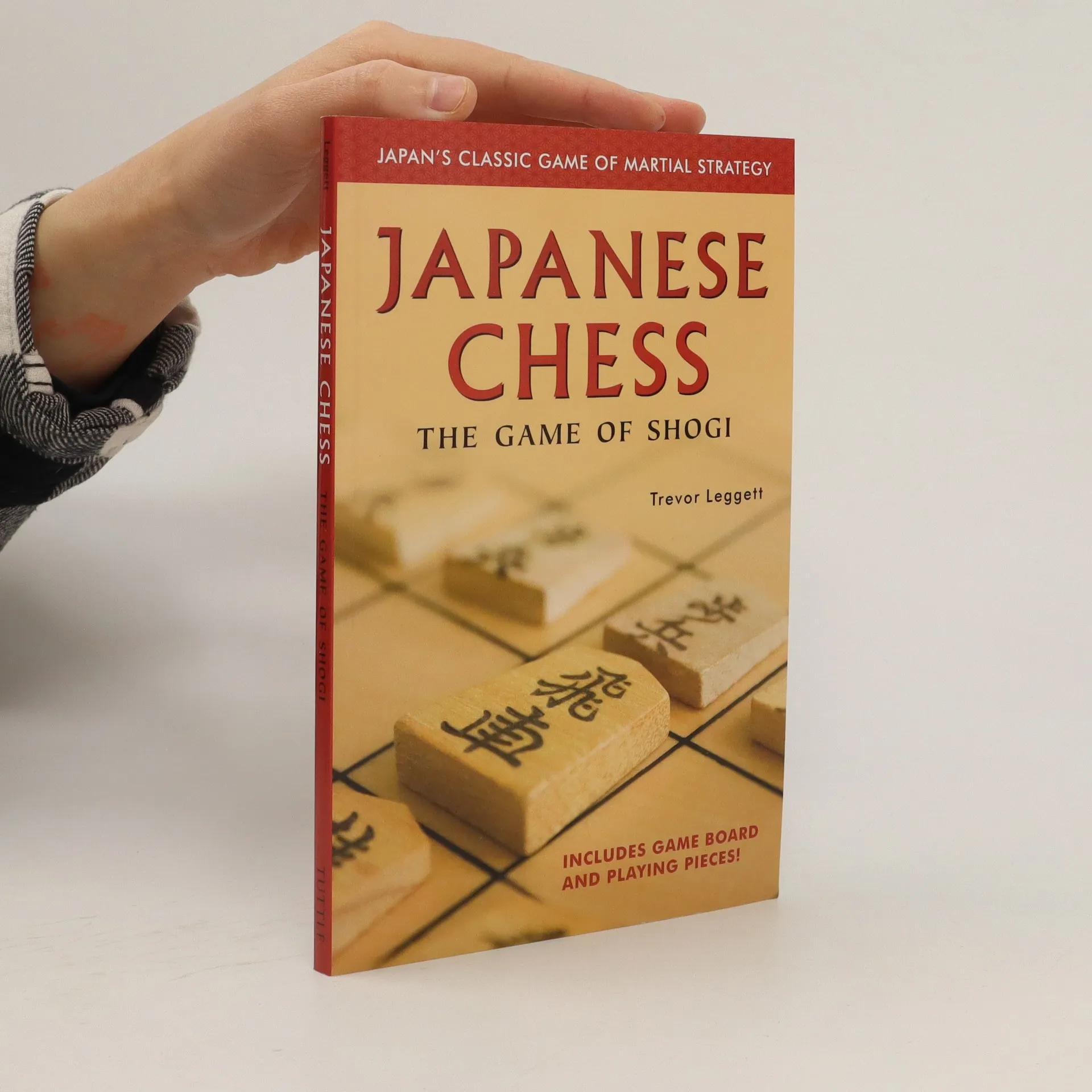
Learn and master the fascinating game Japanese Chess or "Shogi" with this expert guide and Chess set.Japanese Chess: The Game of Shogi is the ultimate strategy guidebook for players of any skill level to improve their game and winning strategies. Played by millions around the world, Shogi is the uniquely Japanese variant of chess. It is the only version in which an opponent's captured piece can be dropped back onto the board as one's own. This makes for extremely exciting, dynamic gameplay in which momentum can quickly shift back and forth between players. Trevor Legett, expert player and longtime resident of Japan, gives you all the information you need to play the game, form its basic rules to winning tactics.Also included in this book are:Sample game and commentaryDiscussion of various opening strategies and game positionsExplanation of how to read a Japanese scoreFold-out Shogi boardSturdy paper playing piecesJapanese Chess features everything you need to get started playing this challenging and fun game!
The collection features eighteen essays that blend simplicity and humor with deep spiritual insights. Each piece reflects the author's extensive experience and knowledge, offering readers a unique perspective on spiritual matters. The writing style is engaging and accessible, making complex ideas relatable while maintaining a sense of discipline and authority. Through these essays, readers are invited to explore profound themes with a light-hearted touch.
The book features the first complete English translation of a previously unknown sub-commentary by S an kara, a pivotal figure in non-dual Vedänta philosophy. This sub-commentary, or vivarana, elaborates on Vyäsa's commentary of the Yoga Sütras by Patan jali, offering deep insights into S an kara's interpretations and philosophical contributions. It highlights his profound influence on Indian thought and spirituality, making it an essential resource for those interested in Vedänta and yoga philosophy.
In this volume, Trevor Leggett presents three texts translated from Japanese and compiled to illuminate the three ages of Zen in the warrior Zen of crisis and war in the thirteenth century; the feudal Zen of eighteenth-century samurai officials, and finally the modern Zen found in 20th-century Japan. Part One presents translations of koans from the secret records of temples in Kamakura, Japan’s first capital city in the East after Kyoto ceased to be seat of government. Part Two is an inspiring essay written for a samurai official by abbot Torei and based on the analogy of the mind as a horse that is basically sound, but has become lazy, dull, and obstinate, and needs a touch of the spur to become ‘Buddha-natured’ again. Part Three contains extracts from the autobiography of Zen master Tsuji Somei, a roshi (an honorific title used for highly venerated figures in Japanese Zen) who trained under Furukawa Gyodo, one of the great Zen figures in 20th-century Japan. This vivid account of Zen training in very severe conditions follows Master Tsuji’s spiritual progress from Kamakura to Russia, where he was a prisoner of war.
Nyní předstupuje před čtenáře v odlišné roli – jako člověk tázající se po věcech víry, po Bohu a smyslu života, tedy po něčem, co je v naší kultuře považováno za výsostně osobní, neveřejné, ba intimní. Komárek se záměrně nepokouší o teologický traktát ani o nějaké teoreticko- filozofi cké pojednání. O Bohu, víře, církvi a tzv. posledních věcech člověka, tj. smrti a umírání, posmrtném životě, peklu a ráji, píše jako o něčem vnitřně naléhavém a osobně prožívaném. Jeho metodou je přirozená logika, respektive „zdravý selský rozum“, a zajímají ho jen takové otázky a odpovědi, které mají nějaký živý smysl pro člověka, a nikoli pro teoretické disputace. Netváří se přitom, že zná všechny odpovědi – naopak mnohokrát říká „možná“, „pravděpodobně“, „nevím“. Autorovy úvahy mohou být pro mnohé – jak věřící, tak nevěřící – pohoršující a pobuřující. Opravdu nic mu není takříkajíc svaté, avšak jeho provokativnost v tomto případě není prvoplánová. Vyplývá spíše z upřímnosti a bezpředsudečnosti, s níž k tématu přistupuje. Proto také jeho knížka se čtenářem „hovoří“ – je otevřeným dialogem o nejpodstatnějších věcech lidského života, jeho smyslu, víře, smrti a nesmrtelnosti.
--------------------------------------------------------------------------------