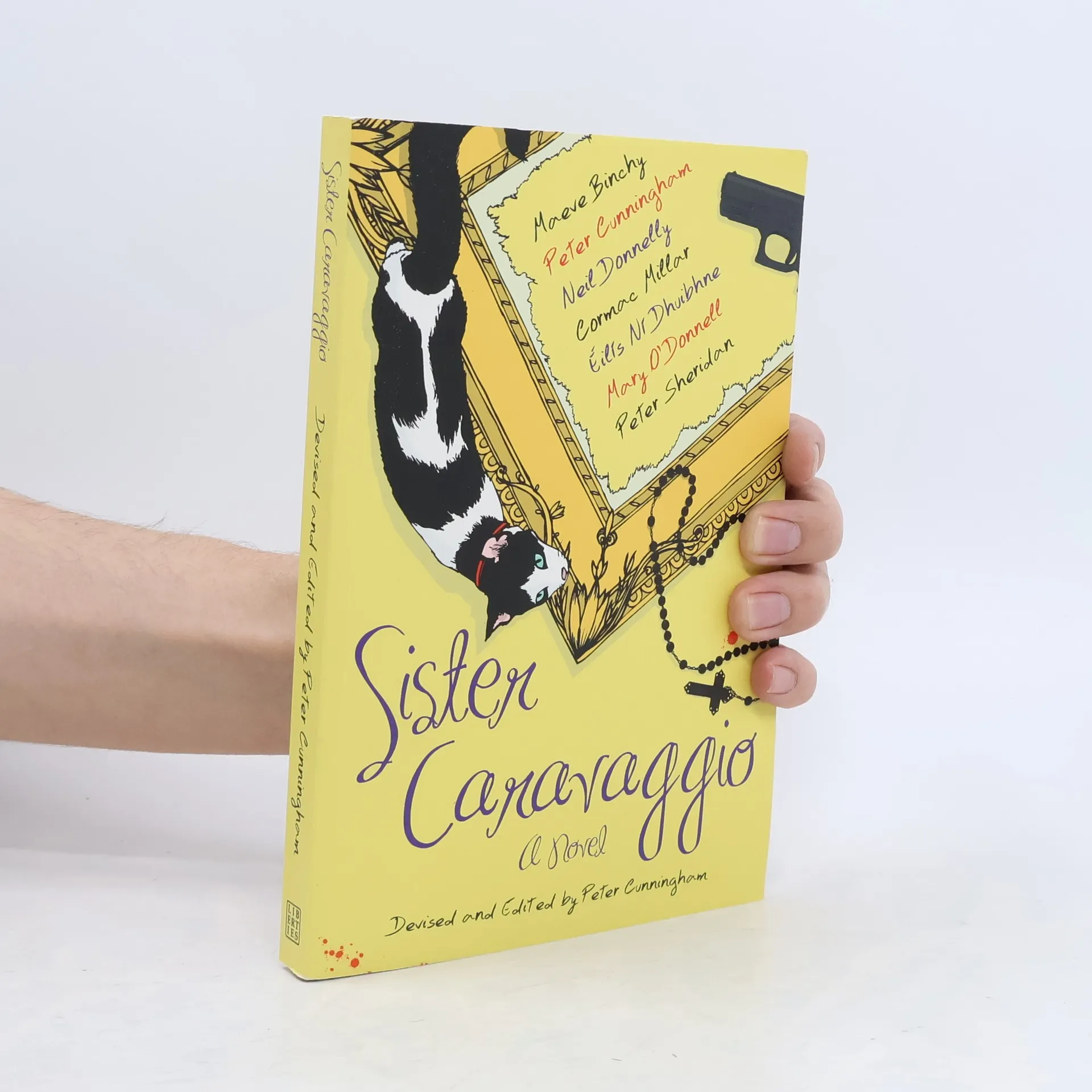
The small Caravaggio which hangs in the chapel of Doon Abbey in Kildare attracts visitors to the abbey from far and wide. One night, however, the painting disappears. The Sister Superior is unwilling to cooperate with the police, as this would compromise the abbey's silent-order ethos. Alice Dunwoody, a novitiate at the abbey who heard strange sounds on the night of the theft, persuades Sister Mercy Superior to allow her to investigate, with the help of the abbey's computer-savvy librarian, Sister Mary Magdalene. As the nuns try to track down the painting, the list of possible suspects - and the body count - multiplies.
Éilís Ní Dhuibhne Reihenfolge der Bücher (Chronologisch)

The Dancers Dancing
- 296 Seiten
- 11 Lesestunden
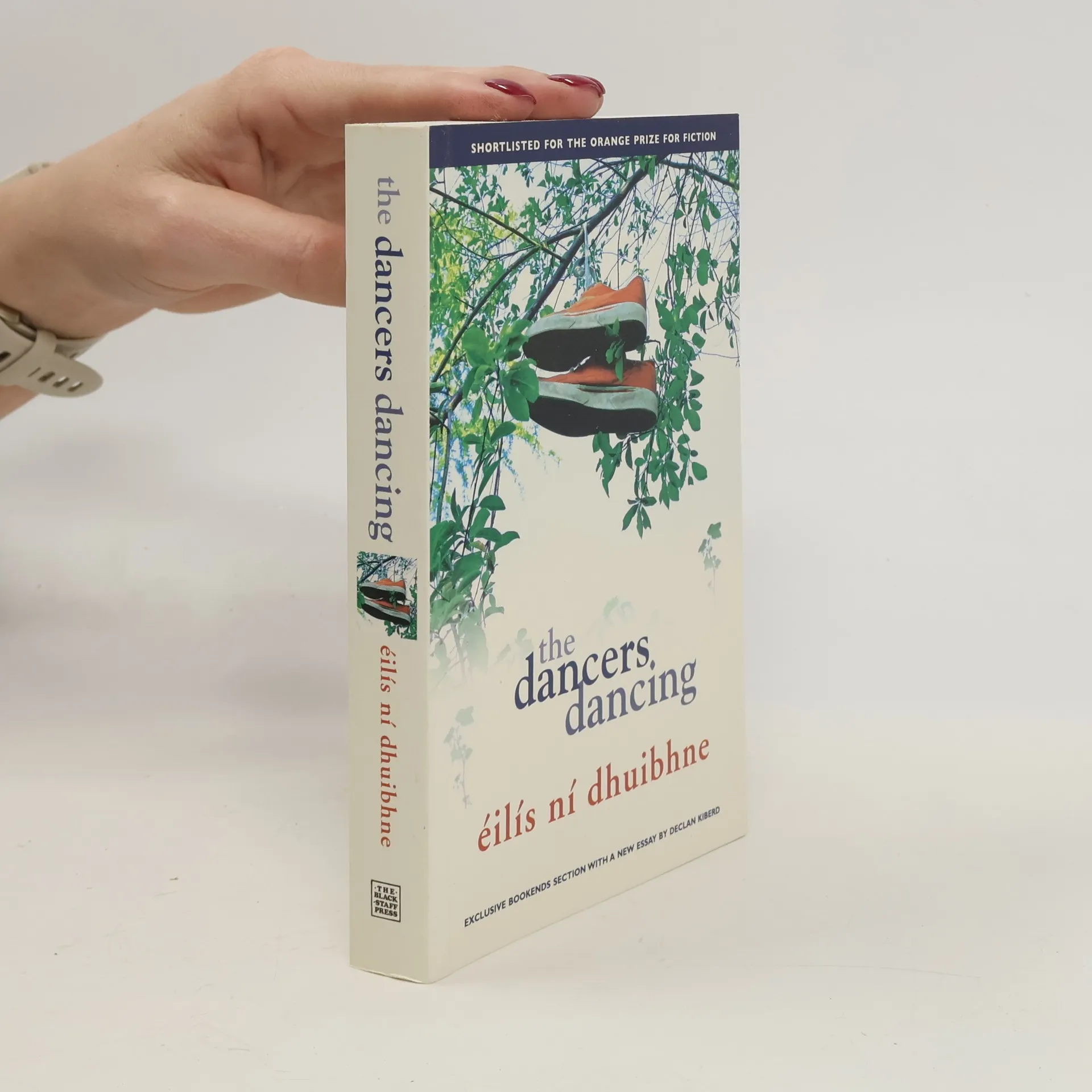
A group of teenage girls spend a month in the Irish speaking part of Donegal.
Fox, Swallow, Scarecrow
- 354 Seiten
- 13 Lesestunden
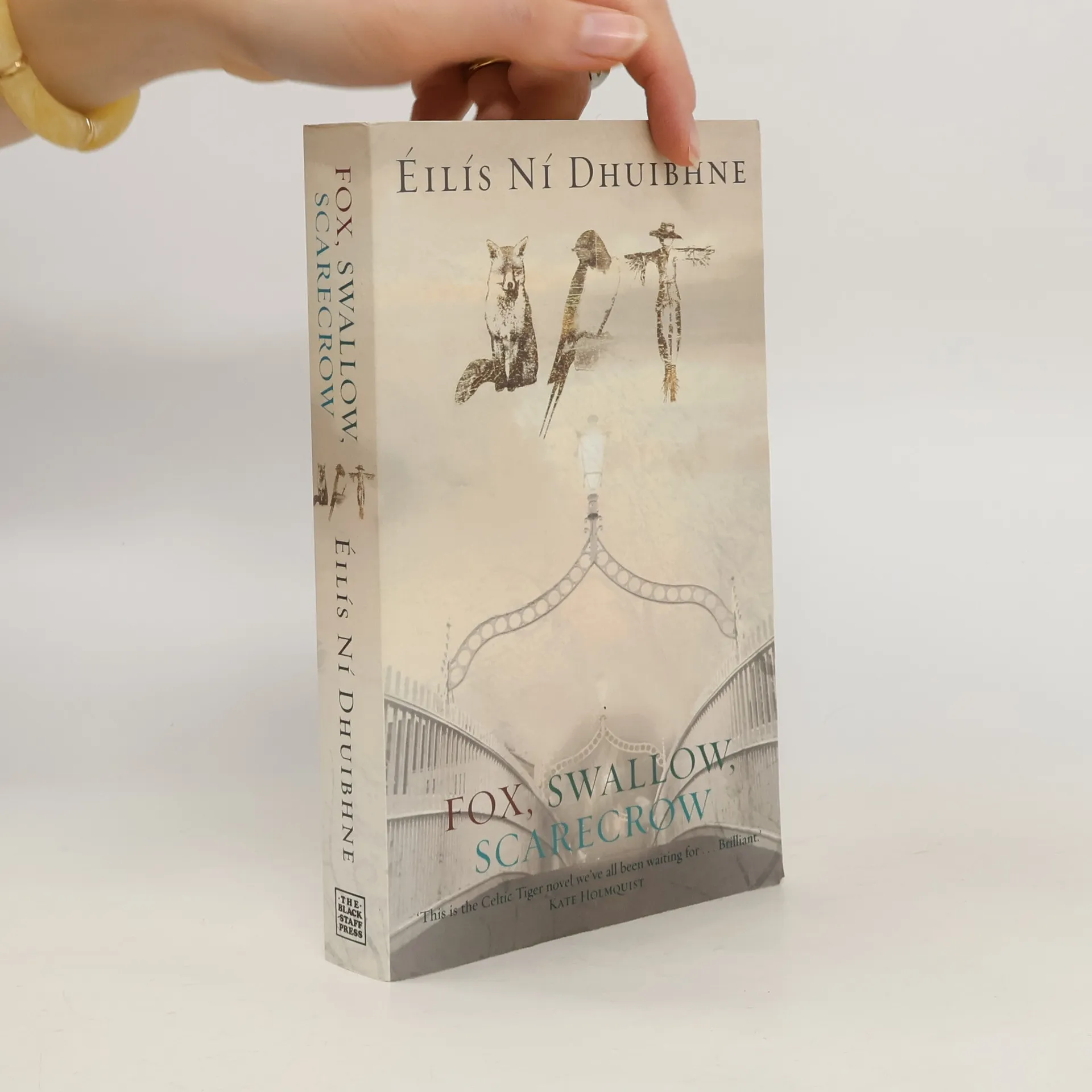
Anna Kelly Sweeney is a writer of popular fiction intent on worldly success. Leo is an idealist who lives in rural County Kerry and devotes himself to poetry, culture and innumerable worthy causes. When Anna falls in love with the handsome and enigmatic Vincy, and Leo with troubled publicist Kate, the consequences of their glimpsed happiness reverberate beyond their own insulated worlds. Inspired by Tolstoy's Anna Karenina, this panoramic and compulsively readable new novel is an intelligent, witty and fiercely humane insight into modern Ireland. ""In this modern take on Anna Karenina, Anna Kelly Sweeney is an affluent Dublin housewife whose vast literary and financial aspirations fail to match her talents. . . A bruising commentary on the new Irish culture conveyed with a grin."" --Booklist
The Thirteenth Room
- 227 Seiten
- 8 Lesestunden
It has been nine years since the death of a young girl on the Taggart farm near the quiet Irish village of Dromadden. But memories of the tragedy are vividly and powerfully called up when Niamh comes to Planten to nurse the dying Taggart, enraged and imprisoned in his wasting body. Niamh quickly becomes embroiled in the manipulations and deceptions of the Taggart family, but her questions about Miriam's death meet with a wall of silence from both the family and the villagers. As Niamh slowly and painfully uncovers the truth, it becomes apparent that her own fate is bound up with that of Miriam.. This bold and original novel by acclaimed Irish writer Siobhán Parkinson is a richly complex exploration of the often precarious nature of women's lives that resonates far beyond its Irish context. ""An original and beautifully written novel.""-Éilís Ní Dhuibhne. ""I thoroughly enjoyed this novel, for the fine writing and characterization, and for its sheer difference.""-Books Ireland
Cailíní beaga Ghleann na mBláth
- 180 Seiten
- 7 Lesestunden
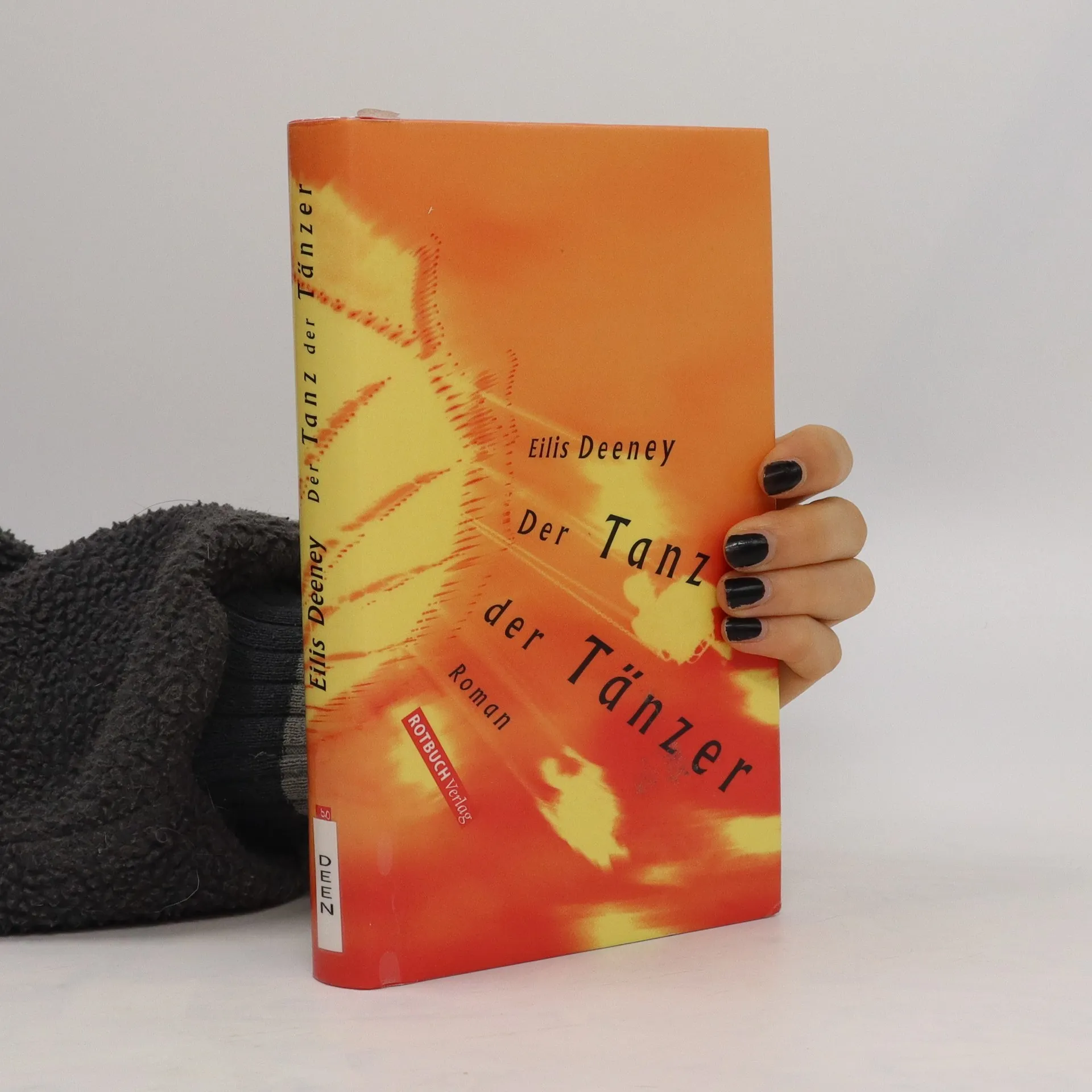
Der Tanz der Tänzer
- 235 Seiten
- 9 Lesestunden
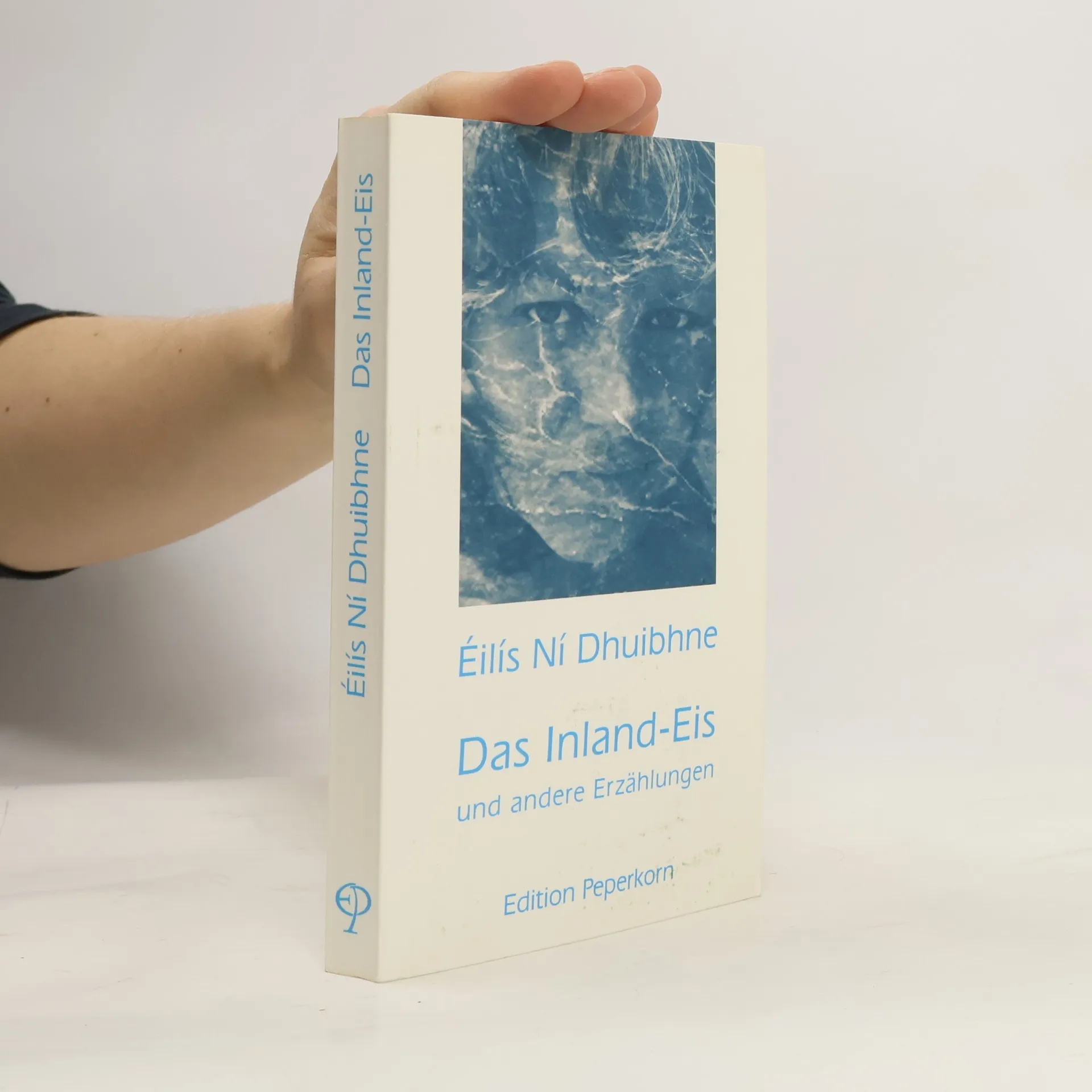
Das Inland-Eis und andere Erzählungen
- 274 Seiten
- 10 Lesestunden
Ladies Night in Finbars Hotel
- 352 Seiten
- 13 Lesestunden
Einst war Finbars Hotel ein vergammelnder Kasten in Dublin. Jetzt ist Finbars Hotel das feinste Haus am Platz. Sieben Gäste sind Nachbarn für eine Nacht. Da ist die Karrierefrau Sarah, bei der alle sicher sind, was es zu bedeuten hat, dass Padraic, der Ehemann von Sarahs bester Freundin, sie auf Zimmer 101 besucht. Ähnlichen Verdacht hegt nebenan die wohlverheiratete Emily, die gerade die Koffer ihres Mannes durchsucht, als der hereinstürzt und sagt, er müsse ihr jetzt endlich die Wahrheit sagen. Eine Stunde der Wahrheit ist es auch für Patsy, eine Nonne auf Abenteuerurlaub: sie möchte die Gültigkeit ihres Keuschheitsgelübdes überprüfen. Aber wie? Und was bedeutet der scharfe Tiergeruch, der den Gang zum Luxuspenthouse durchzieht? Derweil wird ein korrupter Steuereintreiber vermöbelt, ein Hollywoodstar erschreckt sich zu Tode und der Tierduft hat auf einen Gast ungeahnt stimulierende Wirkung. Höchst unterhaltsam verstricken sich die Schicksale der Figuren, turbulent entwickeln sich Überraschungen, und längst Vergangenes wird auf einmal lebendig. Wie schon in „Finbars Hotel“ knüpfen die Autorinnen einen Beziehungsteppich der besonderen Art und zeigen, dass nicht nur die Hotels in Dublin boomen, sondern auch die irische Erzähl- und Fabulierkunst.
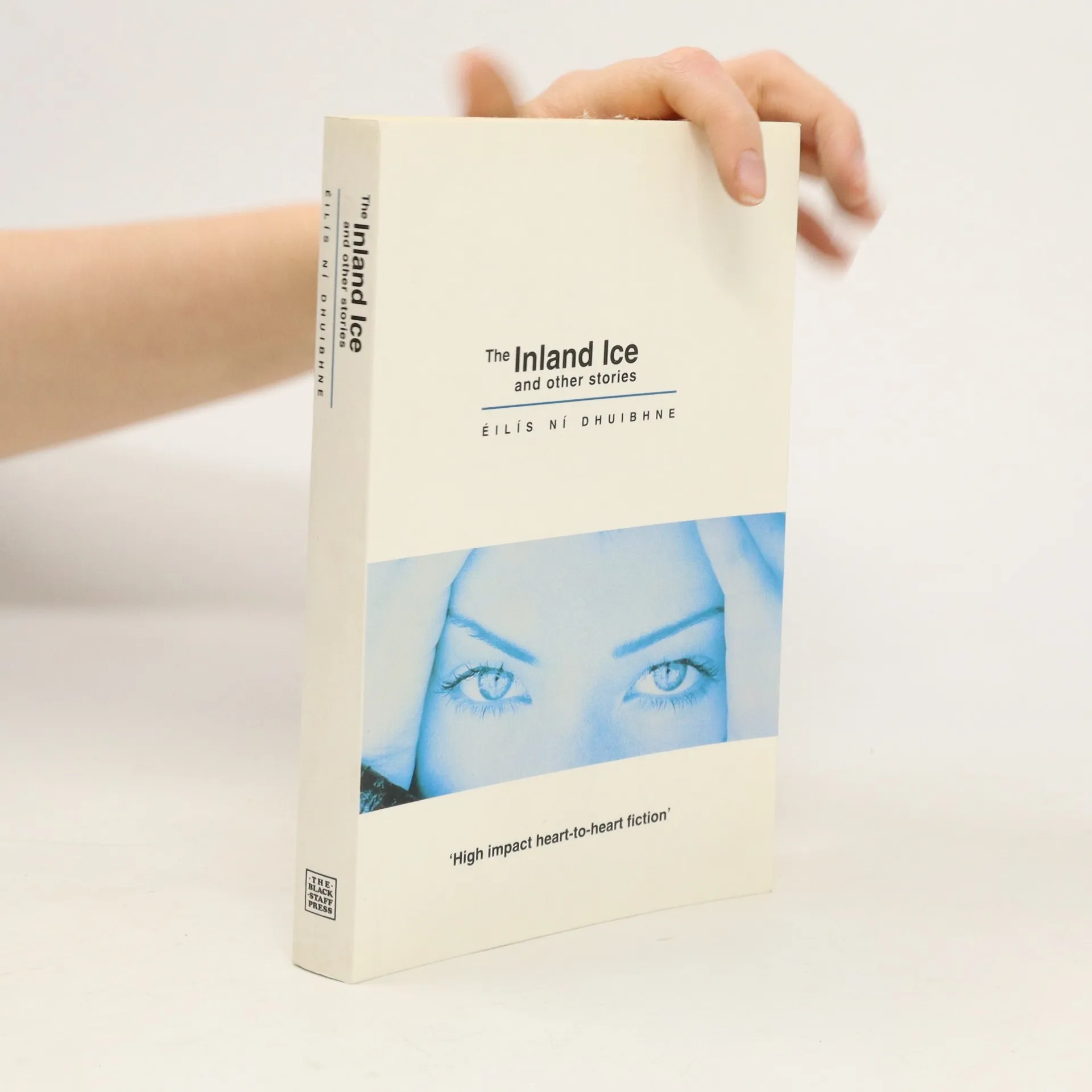
The Inland Ice and Other Stories
- 262 Seiten
- 10 Lesestunden
Exhilarated and bewildered by the relentless demands of overpowering emotion, the characters in these stories find themselves defenseless against its ultimately wrecking power. Breaking substantial new ground, both for her own work and for the short story form, this collection triumphantly confirms Ni Dhuibhne's place as one of the most questing and courageous voices in modem Irish fiction.