John Man Bücher
John Man ist ein britischer Historiker und Reiseschriftsteller, dessen Werk sich mit China, der Mongolei und der Geschichte der schriftlichen Kommunikation befasst. Er verbindet gekonnt historische Erzählungen mit persönlichen Erfahrungen und bietet den Lesern so eine fesselnde und einzigartige Perspektive auf die Vergangenheit. Sein literarischer Ansatz zeichnet sich durch akribische Recherche und originelle Interpretationen aus, die oft neue Verbindungen und Erkenntnisse aufdecken. Er hat sich intensiv mit Wendepunkten in der Geschichte des Schreibens beschäftigt, von seinen Anfängen bis zur Erfindung des Buchdrucks, und seine Werke werden für ihre Tiefe und Zugänglichkeit geschätzt.


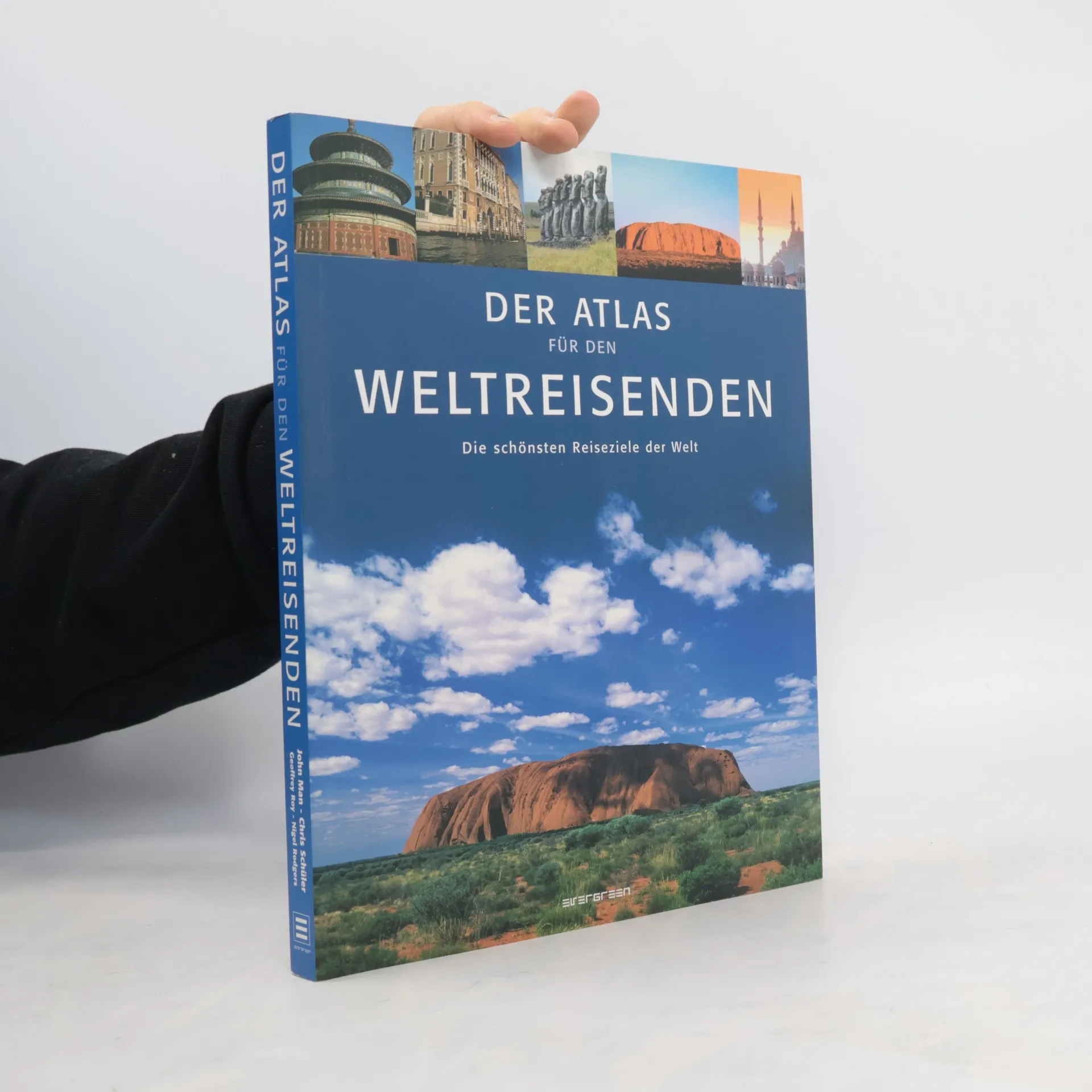
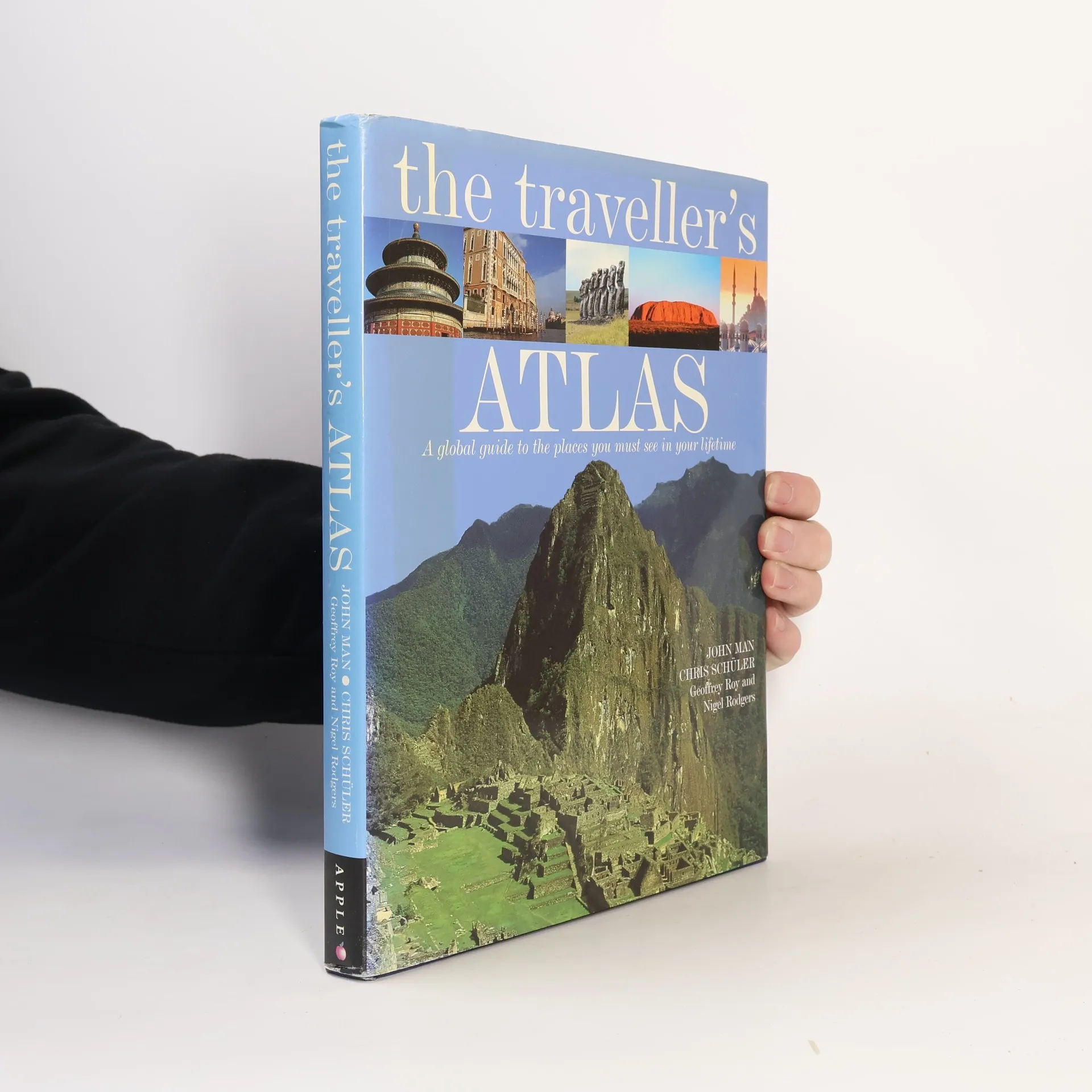
Der Atlas für den Weltreisenden
- 224 Seiten
- 8 Lesestunden
Hier in einem großen, ansprechenden Band sind mehr als 60 berühmte und faszinierende Orte versammelt, die jeder Weltreisende gesehen haben muss. Von den dramatischen Fjorden Norwegens bis zu den antiken Überresten der geheimnisvollen Inka-Stadt Machu Picchu führen die Autoren die Leser entlang von Straßen und rauen Pfaden zu den spektakulärsten Orten der Welt. Es ist eine Fundgrube an Inspiration und Ideen für abenteuerlustige Reisende, wohin sie als Nächstes reisen und wie sie dorthin gelangen können – aber die detaillierten Karten und lebendigen Farbfotografien machen es fast ebenso unterhaltsam für den Reisenden im Sessel. Karten werden mit Standortaufnahmen kombiniert, und wichtige Punkte von Interesse werden mit Tipps zu den besten Reiserouten, Hintergrundinformationen und den besten Möglichkeiten, Menschenmengen zu vermeiden, aufgelistet. Es enthält auch ein weltweites Verzeichnis nationaler Tourismusorganisationen, Botschaften und vieler anderer Adressen, um Weltreisenden zu helfen, das Beste aus ihren Abenteuern herauszuholen. Enthält mehr als 300 Fotos sowie 50 Karten.
Stark wie eine Frau
- 347 Seiten
- 13 Lesestunden
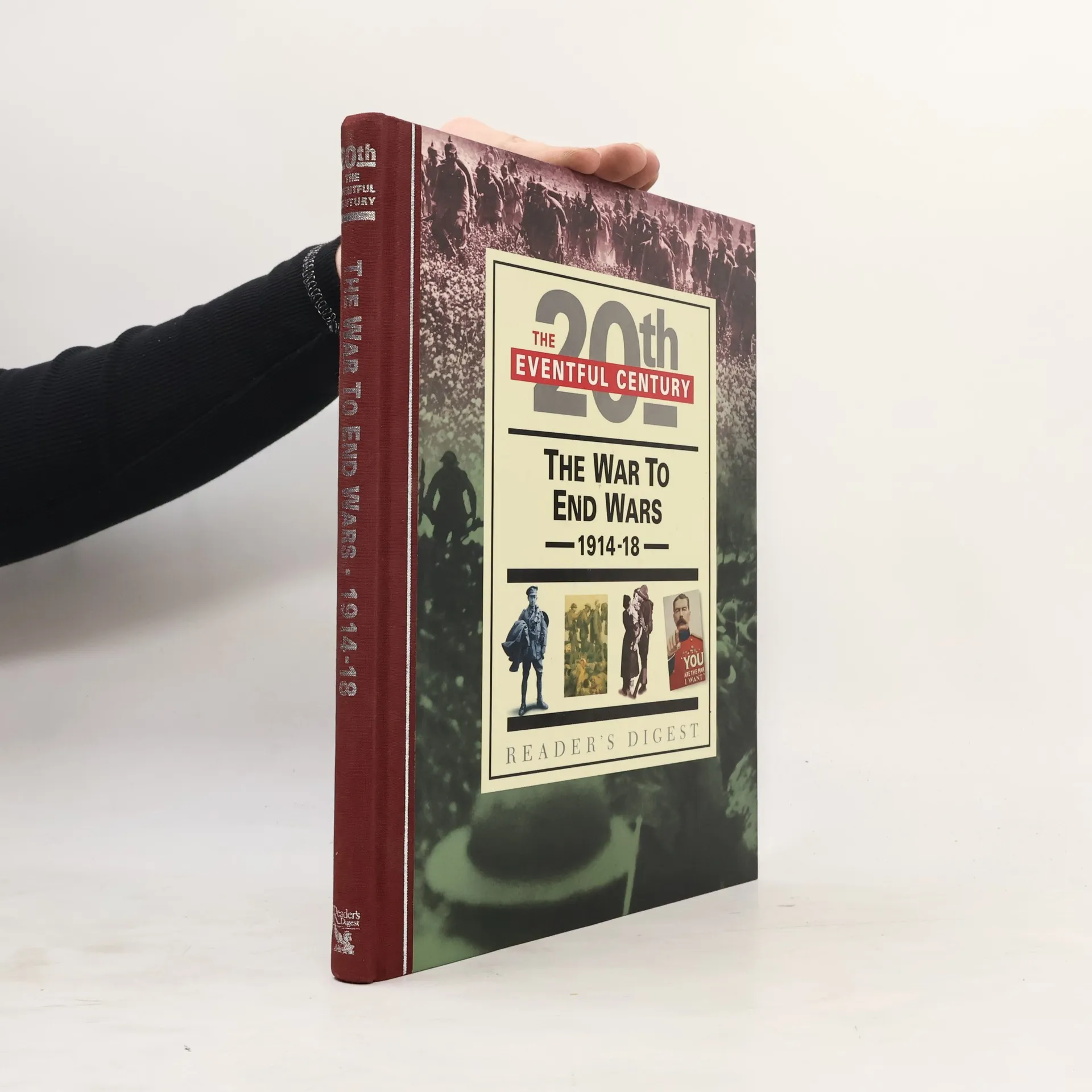
The War to End Wars 1914-18
- 160 Seiten
- 6 Lesestunden
Many colorful photographs! No history buff will want to miss this unique World War I synopsis.
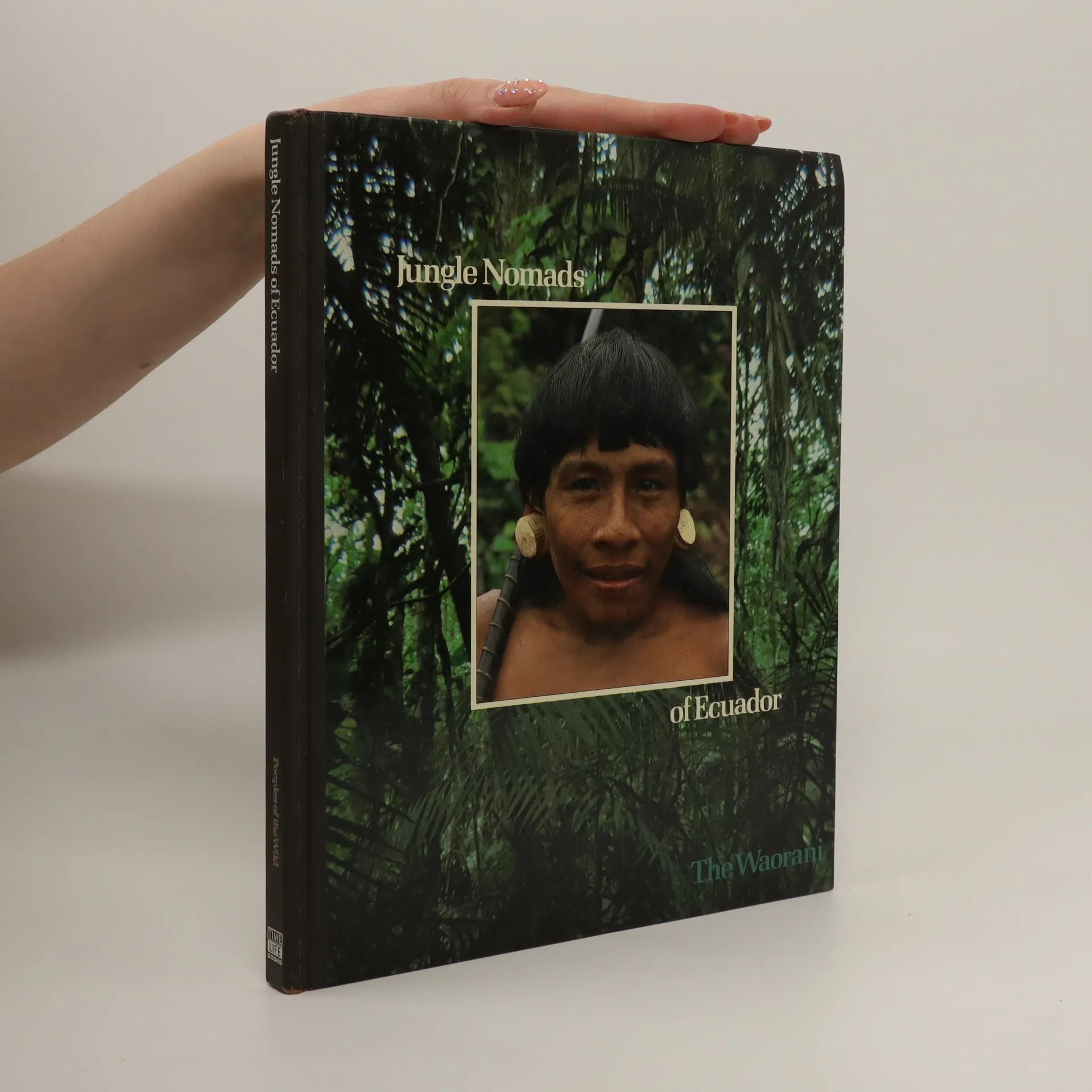
Jungle Nomads of Ecuador: The Waorani
- 168 Seiten
- 6 Lesestunden
Von McGregor, Craig Zahlr., meist farb. Abb. 184 S. N.-A. fPr
The Traveller's Atlas
A Global Guide to the World's Most Spectacular Destinations
- 224 Seiten
- 8 Lesestunden
L'ATLAS DU VOYAGEUR- Un condensé des plus beaux endroits de la planète pour vous aider à choisir votre prochaine destination.- Un guide des plus grandes merveilles naturelles et architecturales du monde, classés par continent - de la vallée du Rift jusqu'au Grand Canyon, en passant par les cités perdues des Incas en Amérique du Sud et les temples de la jungle du Cambodge.- Tous les hauts lieux à ne pas manquer et la meilleure période pour en profiter.- Un guide qui donnera au voyageur indépendant l'inspiration et la motivation de partir à l'aventure.- Tous les conseils pour éviter l'affluence touristique.- Des informations pointues sur la géographie locale.
The Great Wall
- 464 Seiten
- 17 Lesestunden
The Great Wall of China is a wonder of the world. Hundreds of thousands of tourists every year take the five-mile journey from Beijing to climb its battlements. It is instantly familiar to millions more from the myriad photographs of this extraordinary landmark.
Saladin remains one of the most iconic figures of his age. As the man who united the Arabs and saved Islam from Christian crusaders in the 12th century, he is the Islamic worldâe(tm)s preeminent hero. Ruthless in defence of his faith, brilliant in leadership, he also possessed qualities that won admiration from his Christian foes. He knew the limits of violence, showing such tolerance and generosity that many Europeans, appalled at the brutality of their own people, saw him as the exemplar of their own knightly ideals. But Saladin is far more than a historical hero. Builder, literary patron and theologian, he is a man for all times, and a symbol of hope for an Arab world once again divided. Centuries after his death, in cities from Damascus to Cairo and beyond, to the Arabian Peninsula and the Gulf, Saladin continues to be an immensely potent symbol of religious and military resistance to the West. He is central to Arab memories, sensibilities and the ideal of a unified Islamic state. In this authoritative biography, historian John Man brings Saladin and his world to life in vivid detail. Charting his rise to power, his struggle to unify the warring factions of his faith, and his battles to retake Jerusalem and expel Christian influence from Arab lands, Saladin explores the life and the enduring legacy of this champion of Islam, and examines his significance for the world today.
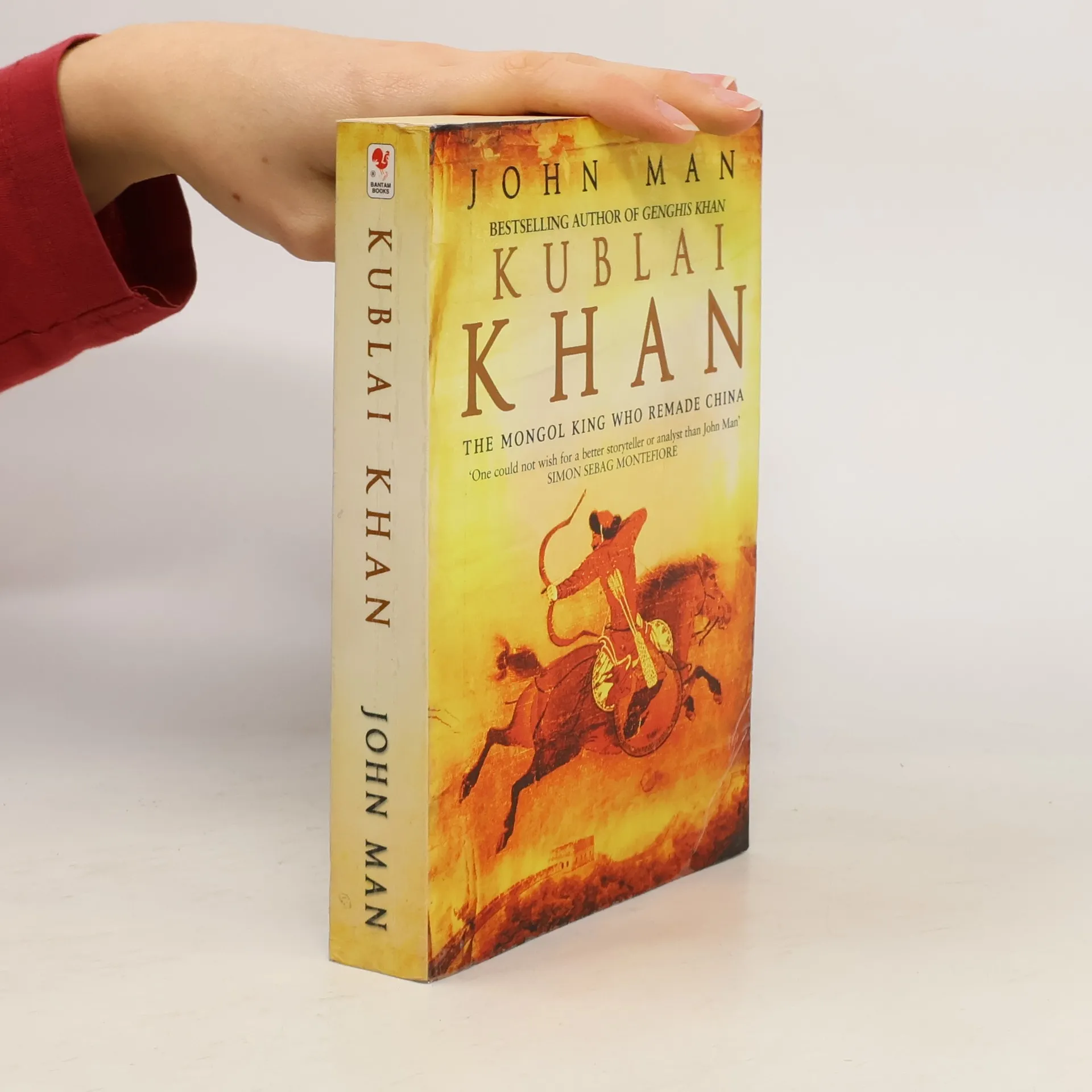
Kublai Khan
- 389 Seiten
- 14 Lesestunden
The authoritative biography of the great Mongol ruler, by the author of Genghis Khan and Attila.In Xanadu did Kubla KhanA stately pleasure dome decreeKublai Khan lives on in the popular imagination thanks to these two lines of poetry by Coleridge. But the true story behind this legend is even more fantastic than the poem would have us believe.Kublai Khan inherited the second largest land empire in history from his grandfather, Genghis Khan, and which he extended further, creating the biggest empire the world has ever seen; from China to Iraq, from Siberia to Afghanistan. His personal domain covered sixty-percent of all Asia, and one-fifth of the world’s land area.The West first learnt of this great Khan through the reports of Marco Polo. Kublai had not been born to rule, but had clawed his way to leadership, achieving power only in his 40s. He inherited Genghis Khan’s great dream of world domination but unlike his grandfather he saw China and not Mongolia as the key to controlling power, and turned Genghis’s unwieldy empire into a federation. Using China’s great wealth, coupled with his shrewd and subtle governance, he created an empire that was the greatest since the fall of Rome, and shaped the modern world as we know it today. He gave China its modern-day borders and his legacy is that country’s resurgence, and the superpower China of tomorrow.
The Leadership Secrets of Genghis Khan
- 192 Seiten
- 7 Lesestunden
What would Genghis have done? Lessons in leadership from history’s most successful (and ruthless) conqueror. Genghis Khan has a very strong claim to be the greatest leader the world has ever seen. As a teenager he was an outcast, fleeing enemies on a mountain in northern Mongolia, an exile, a nobody. Yet it took only twenty years for Genghis to build the largest land empire in history: four times the size of Alexander’s, twice the size of Rome’s. How did he do it? What lessons does his life reveal about the nature of leadership? What is “greatness” in leadership? What traits did Genghis possess exactly? Might they apply in other times and other places — even here and today? John Man re-examines the life of Genghis Khan to discover the qualities, characteristics and strategies that made him the great leader that he was. The answers are sometimes surprising. Far from being just the tyrant that history records, he was a leader of exceptional vision and modernity. And many of the secrets of his success are as useful in today’s competitive business world as they were in rallying the Mongol hordes.
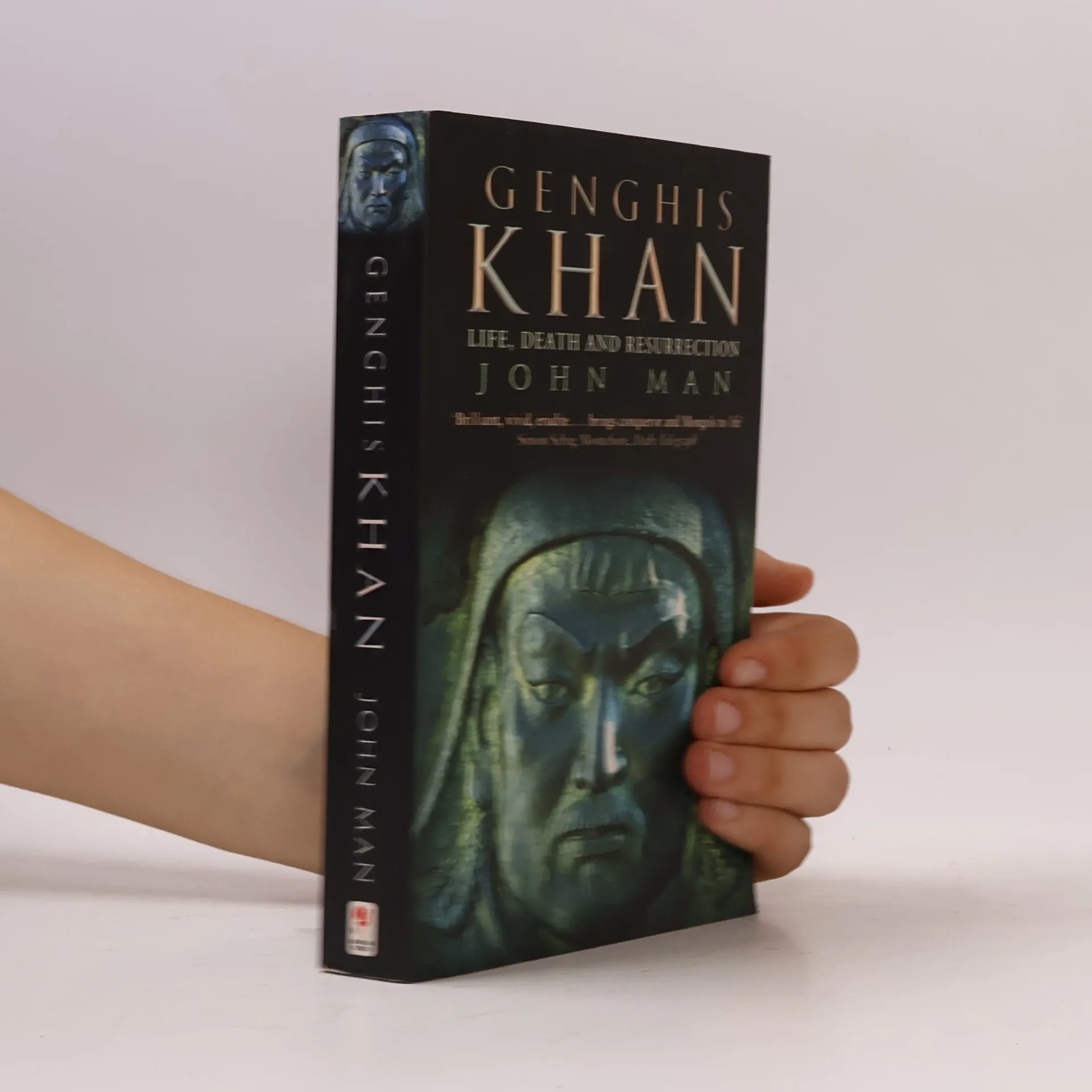
The creator of the world’s greatest empire is one of history’s immortals. He is also at the heart of one of the greatest mysteries -- how and where was he buried? Its solution might, conceivably, reveal a treasure on a scale not seen since the discovery of Tutankhamen’s tomb. From the Hardcover edition.
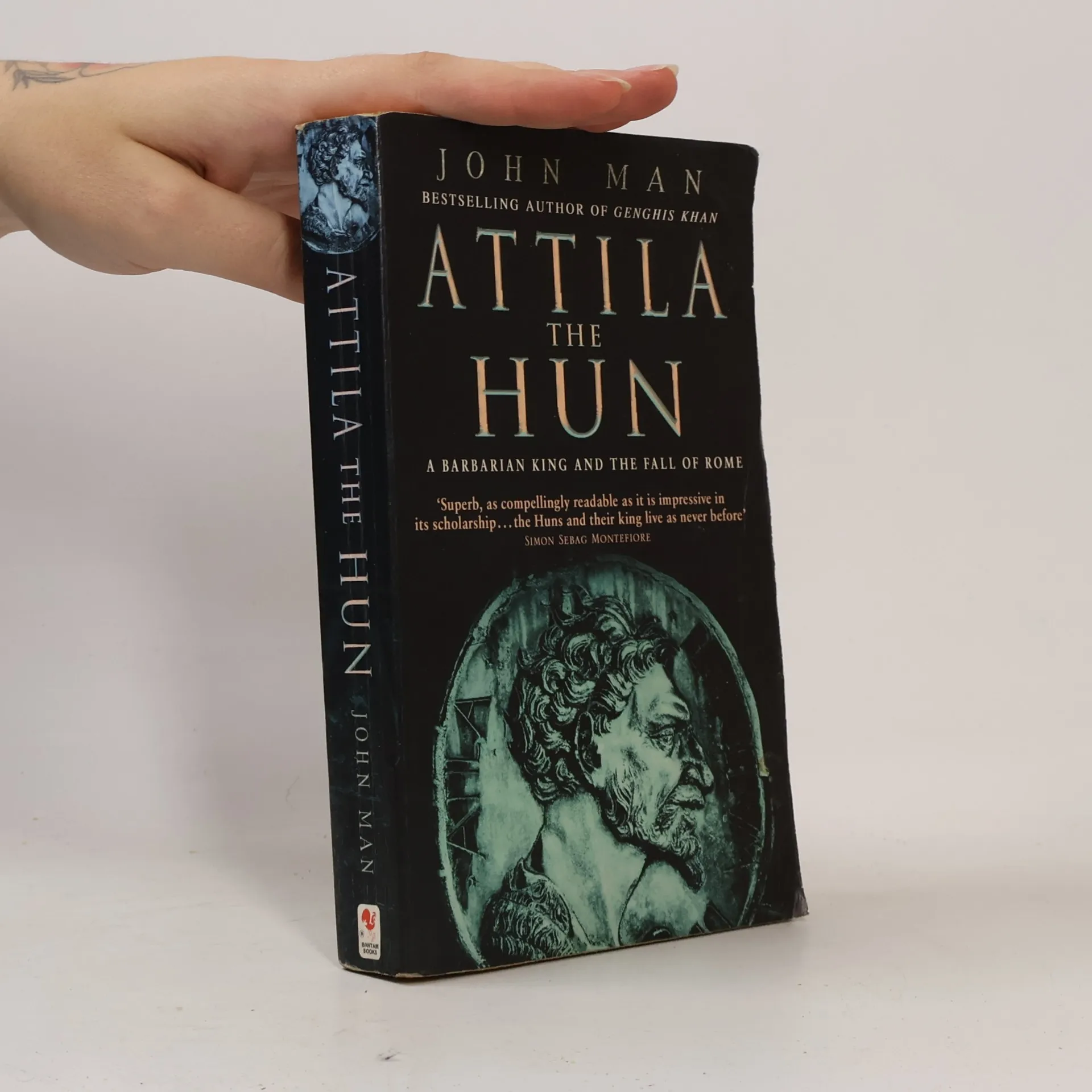
Attila the Hun : A Barbarian King and the Fall of Rome
- 400 Seiten
- 14 Lesestunden
In the years 434-454 AD, the fate of Europe hung upon the actions of one man, Attila, king of the Huns. He has become a byword for barbarism, savagery and violence. This biography reveals the man behind the myth.
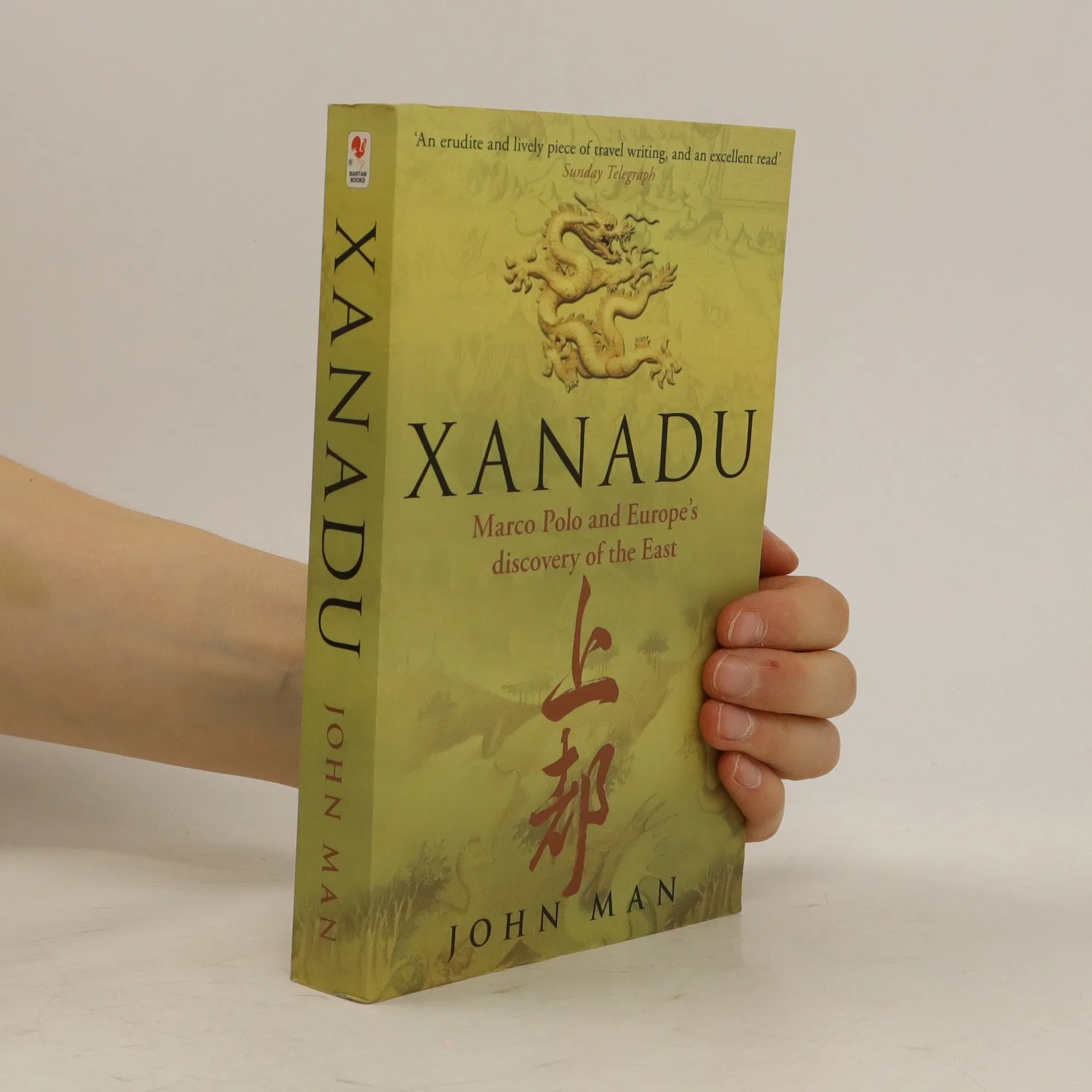
Xanadu. Marco Polo and Europe's Discovery of the East
- 352 Seiten
- 13 Lesestunden
The respected historian and travel writer, John Man, tells the remarkable story of the world's most famous traveller Marco Polo and the moment when East met West for the first time.
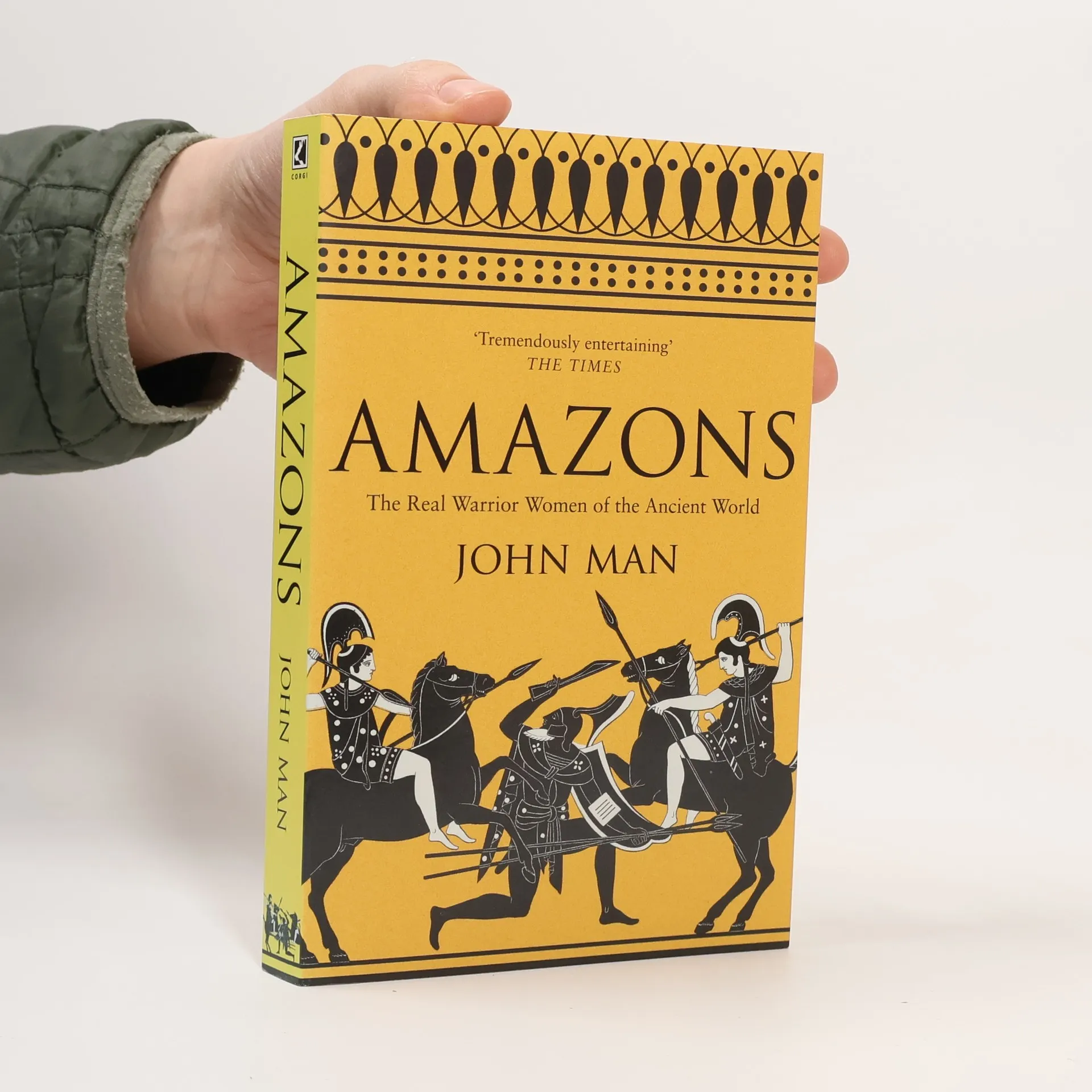
Amazons. The real warrior women of the ancient world
- 320 Seiten
- 12 Lesestunden
Since the time of the ancient Greeks, we have been fascinated by accounts of the Amazons, an elusive tribe of hard-fighting, horse-riding female warriors. Equal to men in battle, legends claimed they cut off their right breasts to improve their archery skills and routinely killed their male children to purify their ranks. For centuries people believed in their existence and attempted to trace their origins. Following decades of new research and a series of archeological discoveries, we now know these powerful warrior queens did indeed exist. In Amazons, John Man travels to the grasslands of Central Asia, from the edge of the ancient Greek world to the borderlands of China, to discover the truth about the warrior women mythologized as Amazons. In this well-researched book, Man redefines our understanding of the Amazons and their culture, tracking the ancient legend into the modern world and examining its significance today.
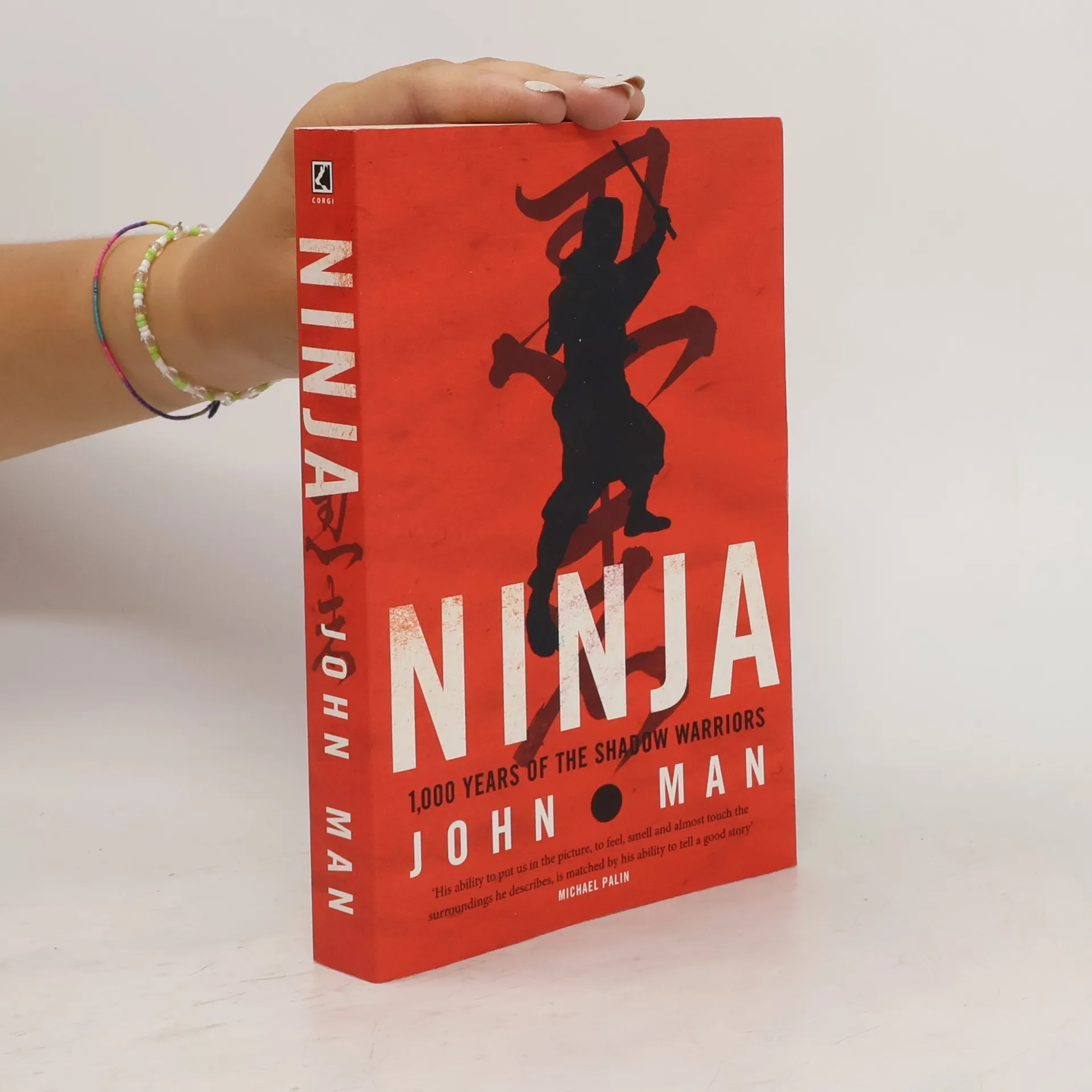
The ninja were the medieval equivalent of the SAS; the original men in black. They were Japan's spies, assassins, saboteurs and secret agents - and the subject of countless legends. In 'Ninja', John Man goes in search of the true history behind the myths and legends. Originally published: London: Bantam, 2012.
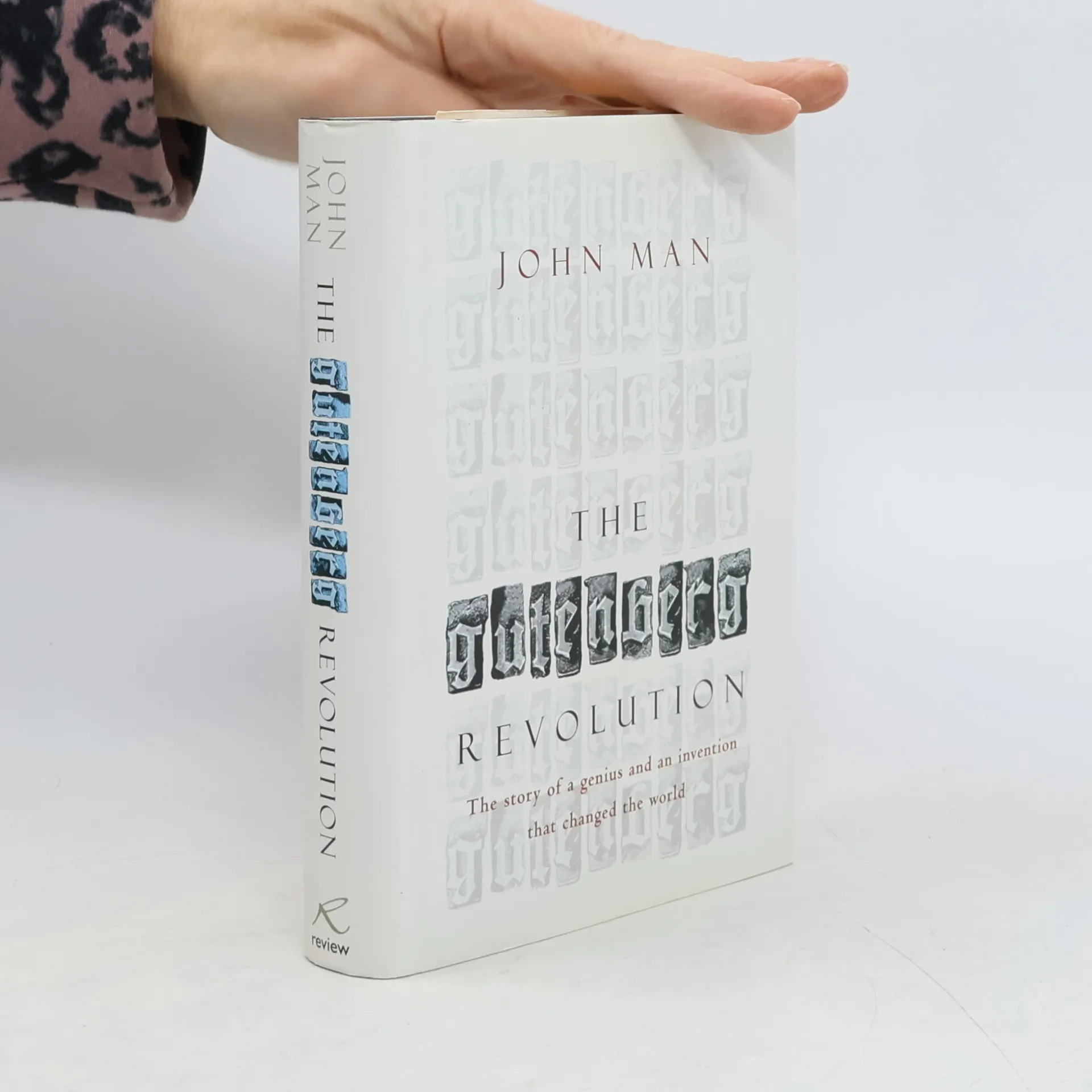
The Gutenberg revolution
The Story of a Genius and an Invention That Changed the World
- 312 Seiten
- 11 Lesestunden
"Gutenberg struggled against a background of plague, religious upheaval and legal battles to bring his remarkable invention to light but once the secret of printing with movable type was revealed, the world was never the same again."--BOOK JACKET.
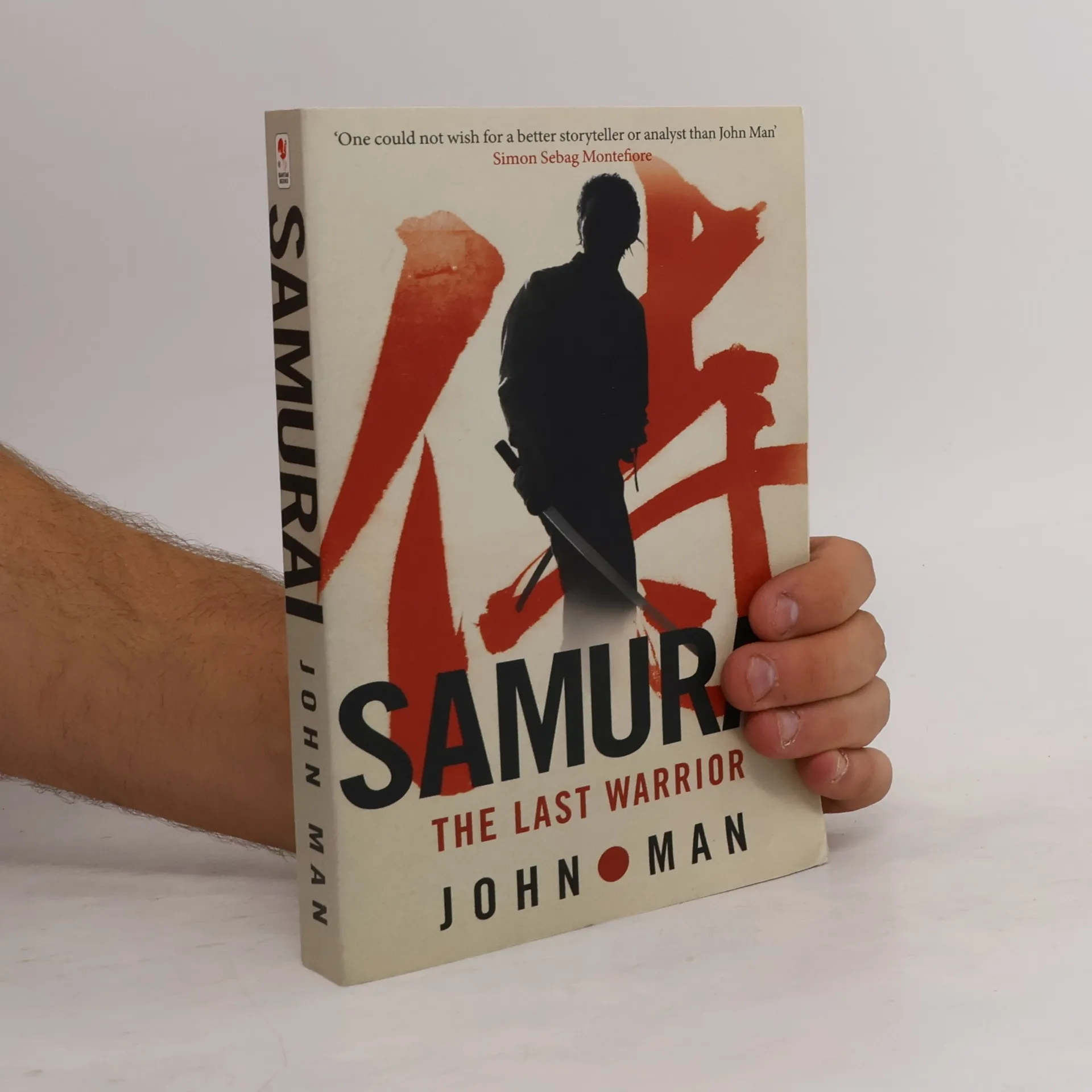
Samurai
- 416 Seiten
- 15 Lesestunden
With their elaborate armour, fierce swordsmanship and code of honour, the samurai have become iconic figures whose influence can still be felt today . From Kurosawa's epic Seven Samurai to the figure of Darth Vader in Star Wars, to Manga comics and video games, the figure of the fighting samurai still inspires us today.
Praise for Alpha Beta"This book comes at the perfect moment as we rediscover the importance in early reading of cracking the alphabetic code. The story of how that code came into being is a fascinating one, and Man is the ideal writer to tell it." Times Educational Supplement"A richly absorbing exploration, from B.C. to PCs, of the evolution of the most fundamental characters of our cultural history, the alphabet we so much take for granted. John Man writes with a compellingly restless curiosity and immediacy. The ever surprising, exotically detailed narrative in his informative book makes it as undryly enjoyable as a successful archaelogical dig of one of Alan Moorehead s colorful histories of African exploration." David Grambs, author of The Describer s Dictionary and The Endangered English Dictionary"Text that is crisp, taut, and as clear as a bell.... A fascinating story with many a beguiling subplot along the way." New Scientist"Letter perfect the best histories and mysteries of our ABC s!" Jeff McQuain, author of Never Enough Words and Power Language
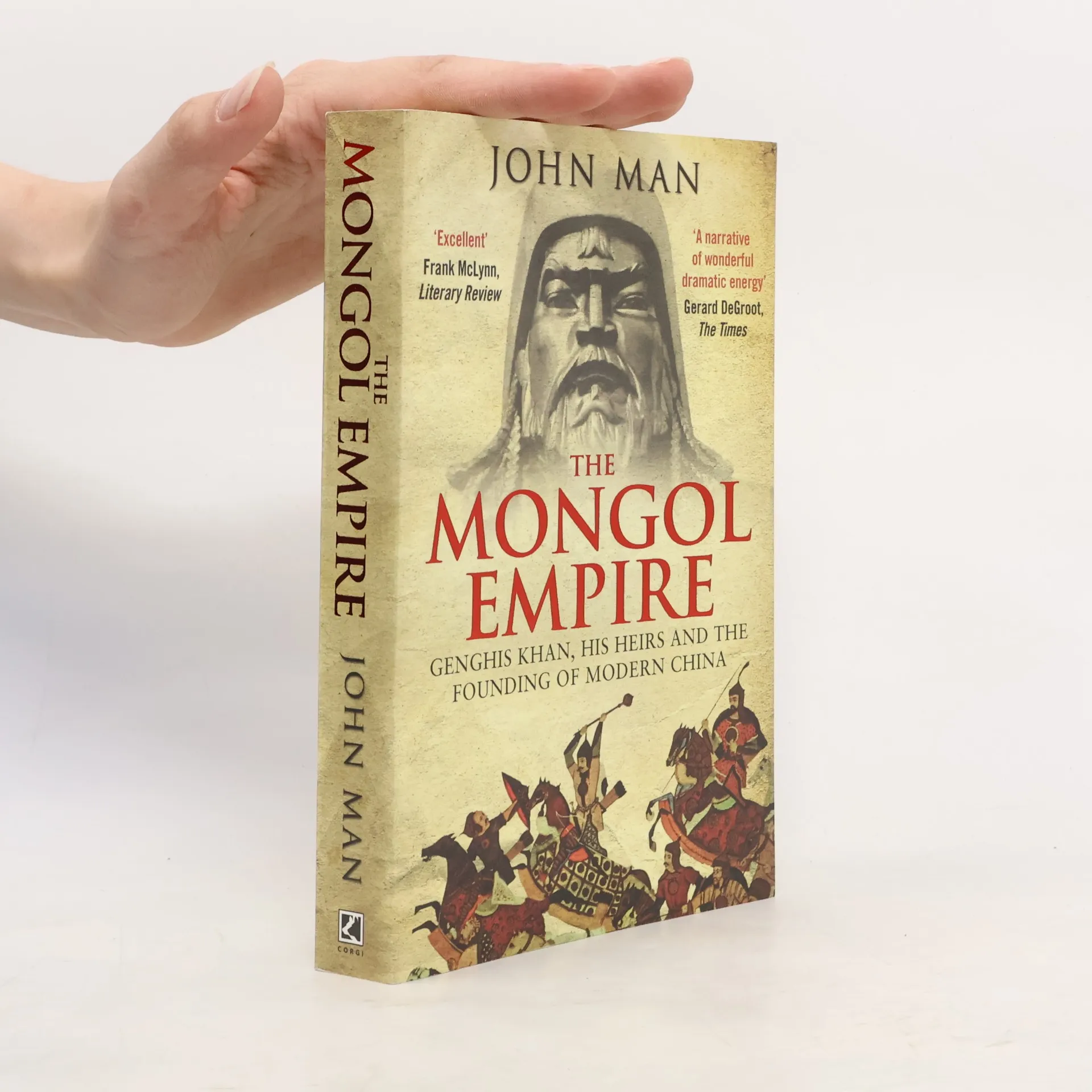
Genghis Khan is one of history's immortals: a leader of genius, driven by an inspiring vision for peaceful world rule. Believing he was divinely protected, Genghis united warring clans to create a nation and then an empire that ran across much of Asia. Under his grandson, Kublai Khan, the vision evolved into a more complex religious ideology, justifying further expansion. Kublai doubled the empire's size until, in the late 13th century, he and the rest of Genghis’s ‘Golden Family’ controlled one fifth of the inhabited world. Along the way, he conquered all China, gave the nation the borders it has today, and then, finally, discovered the limits to growth. Genghis's dream of world rule turned out to be a fantasy. And yet, in terms of the sheer scale of the conquests, never has a vision and the character of one man had such an effect on the world. Charting the evolution of this vision, John Man provides a unique account of the Mongol Empire, from young Genghis to old Kublai, from a rejected teenager to the world’s most powerful emperor.
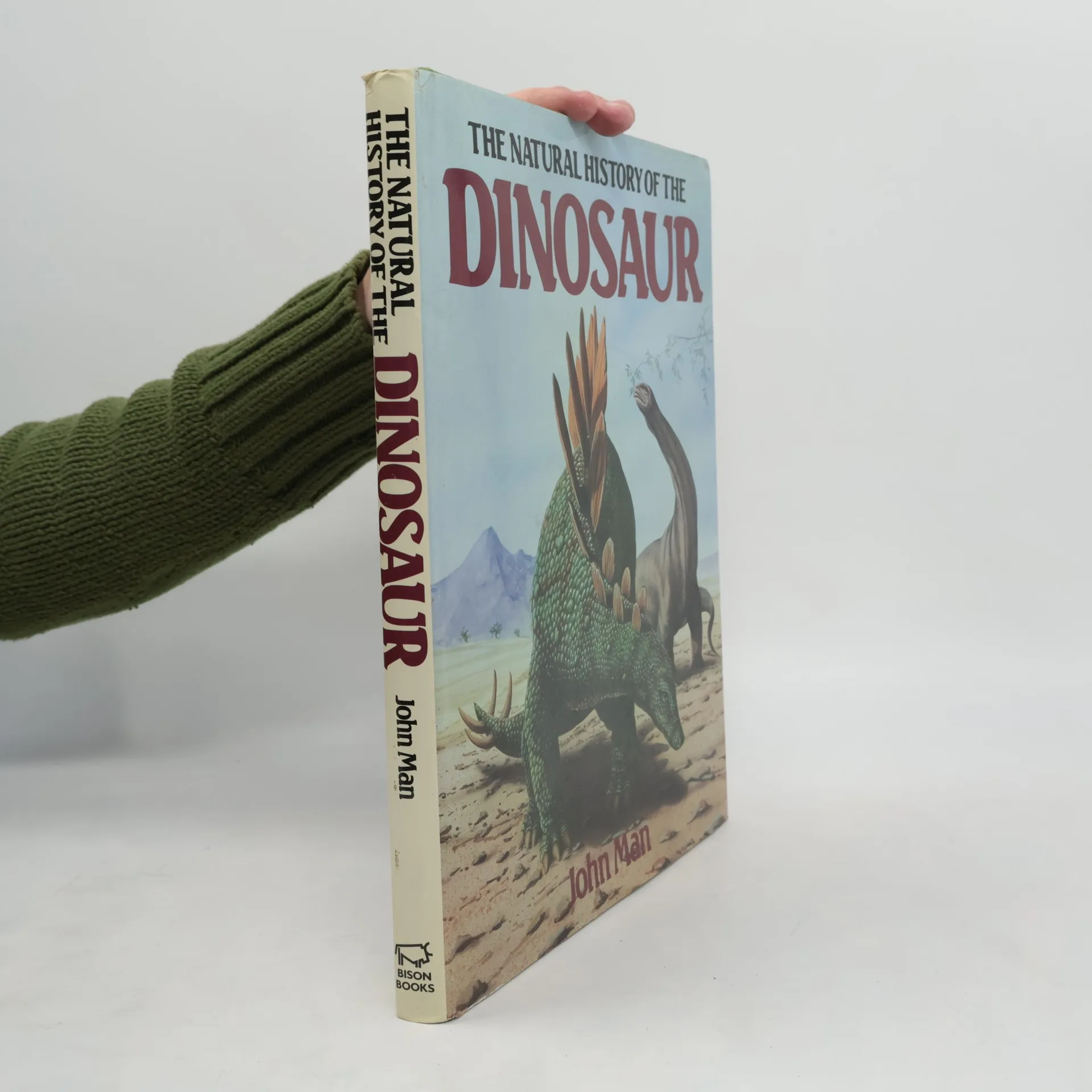
The Natural History of the Dinosaur
- 189 Seiten
- 7 Lesestunden
Profusely illustrated text describes the characteristics and environment of the dinosaurs and suggests reasons for their sudden demise.
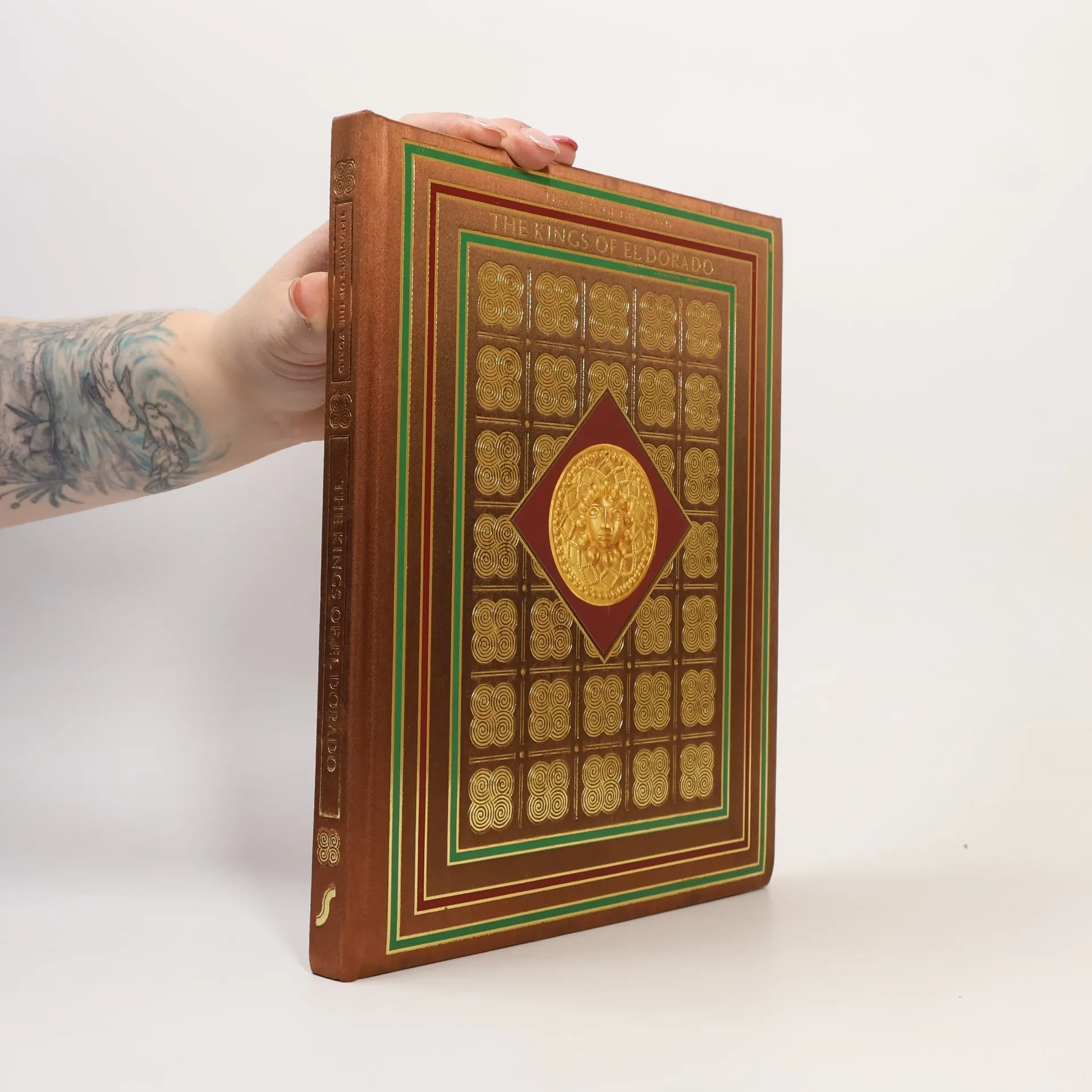
The Kings of El Dorado
- 176 Seiten
- 7 Lesestunden
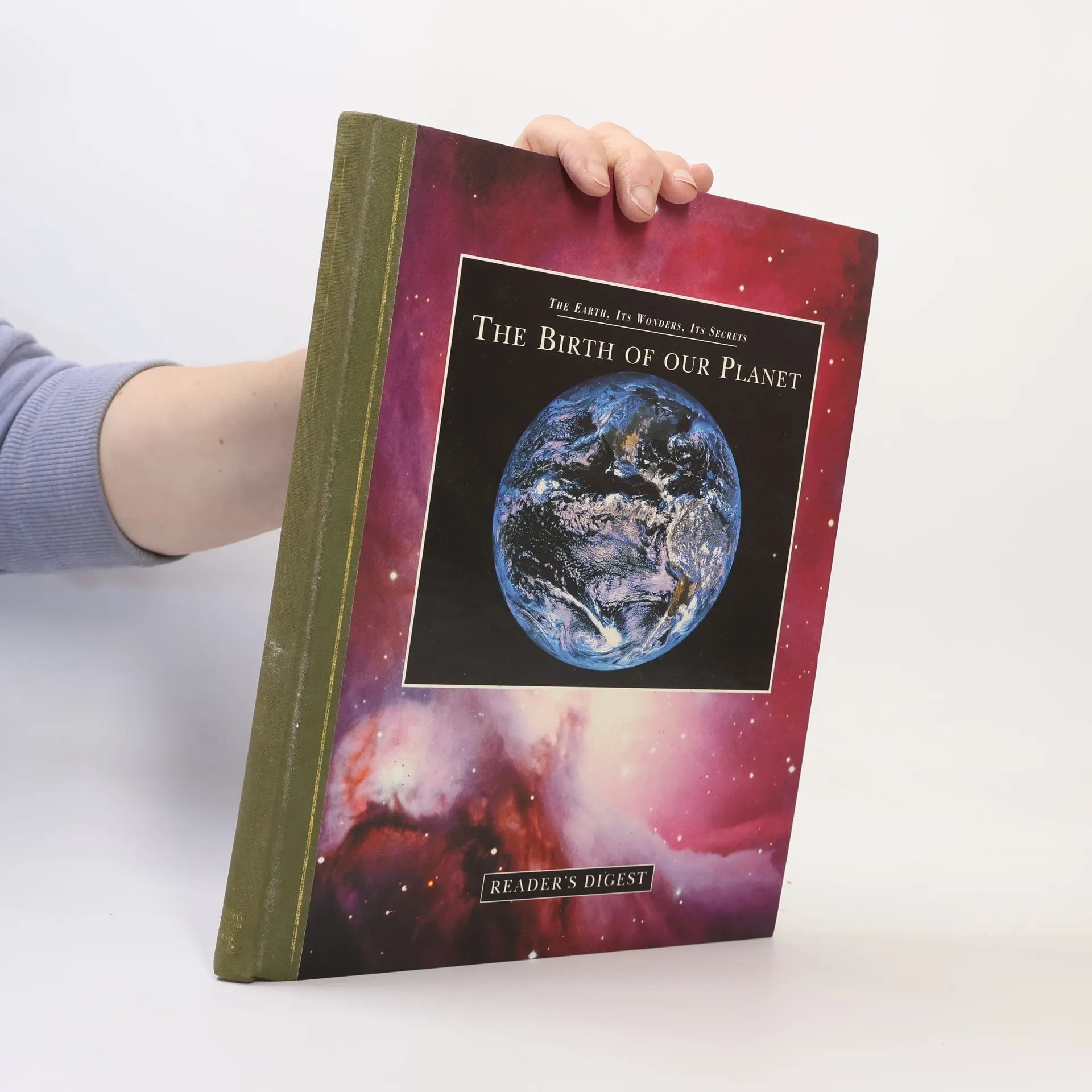
The Birth of Our Planet
- 160 Seiten
- 6 Lesestunden
Book by
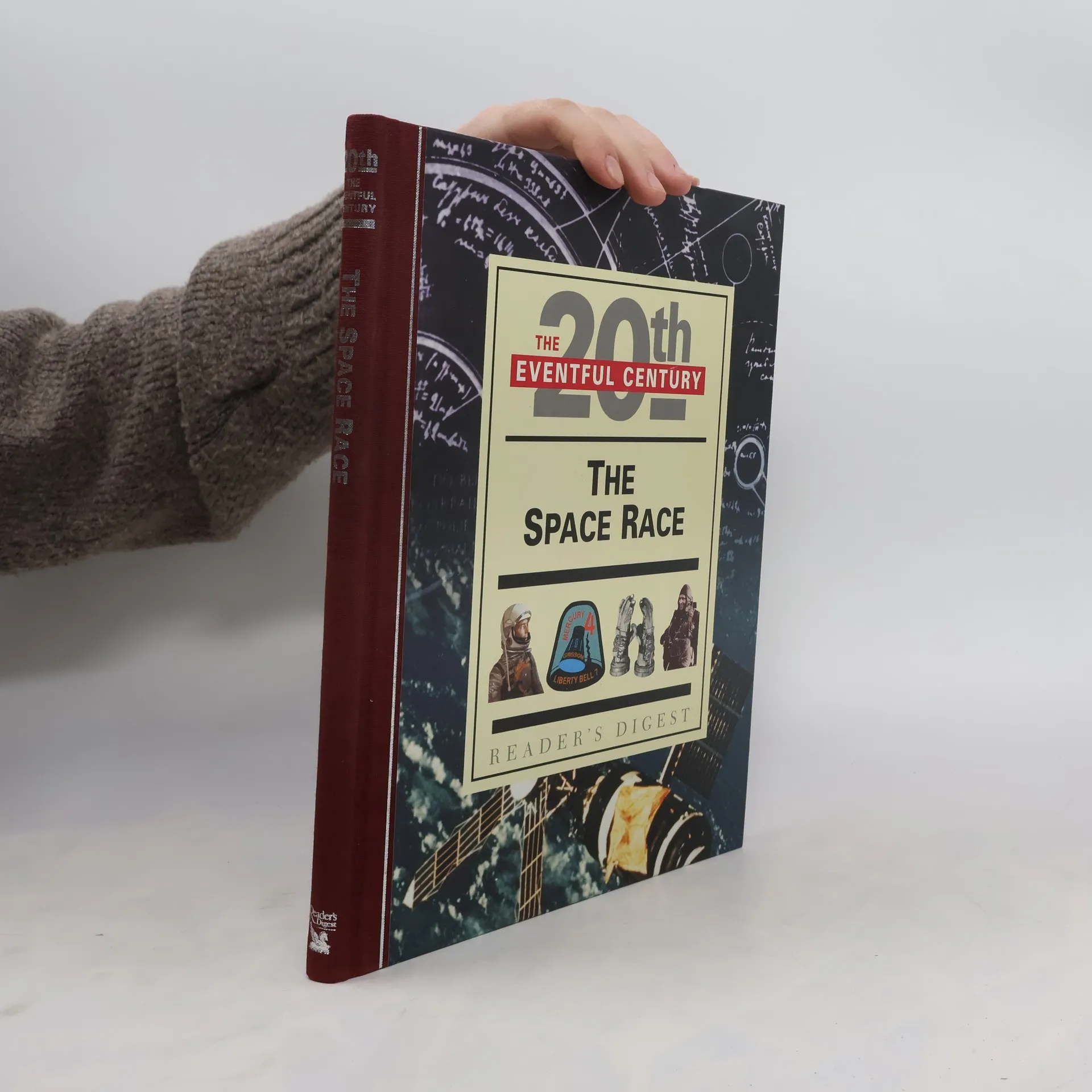
The 20th Eventful Century: The Space Race
- 160 Seiten
- 6 Lesestunden
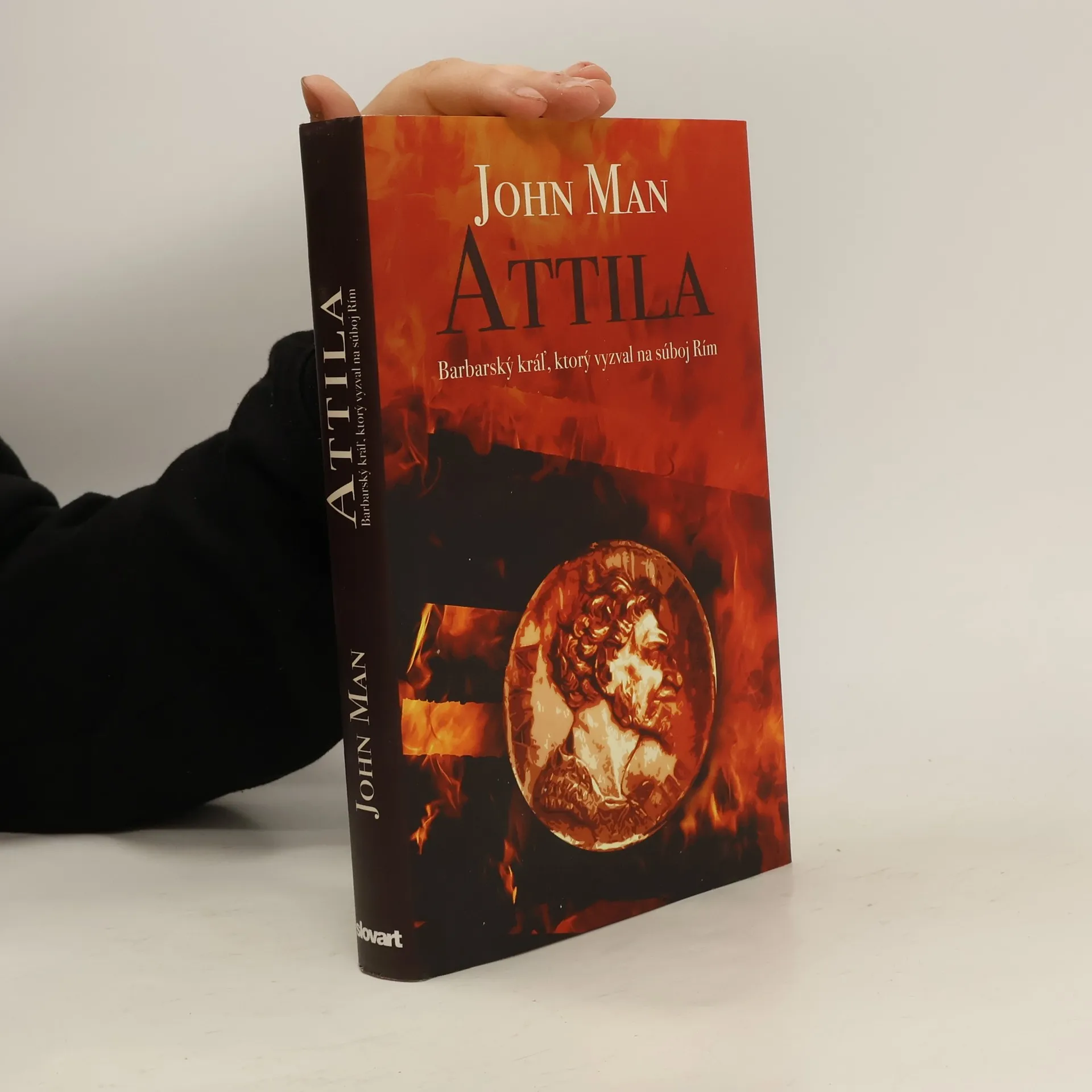
Attila: Barbarský kráľ, ktorý vyzval na súboj Rím
- 264 Seiten
- 10 Lesestunden
John Man sa na základe rozsiahlych ciest po stopách Attilových výbojov ako aj bohatých skúseností s výskumom nomádskych tradícií v Strednej Ázii usiluje odhaliť človeka stojaceho za mýtom a priblížiť nám Attilu takého, akým mohol byť v skutočnosti. Je to príbeh o človeku, ktorý bol náladový, arogantný a surový, no súčasne aj dostatočne dôvtipný, aby si získal oddanosť svojich bojových druhov.
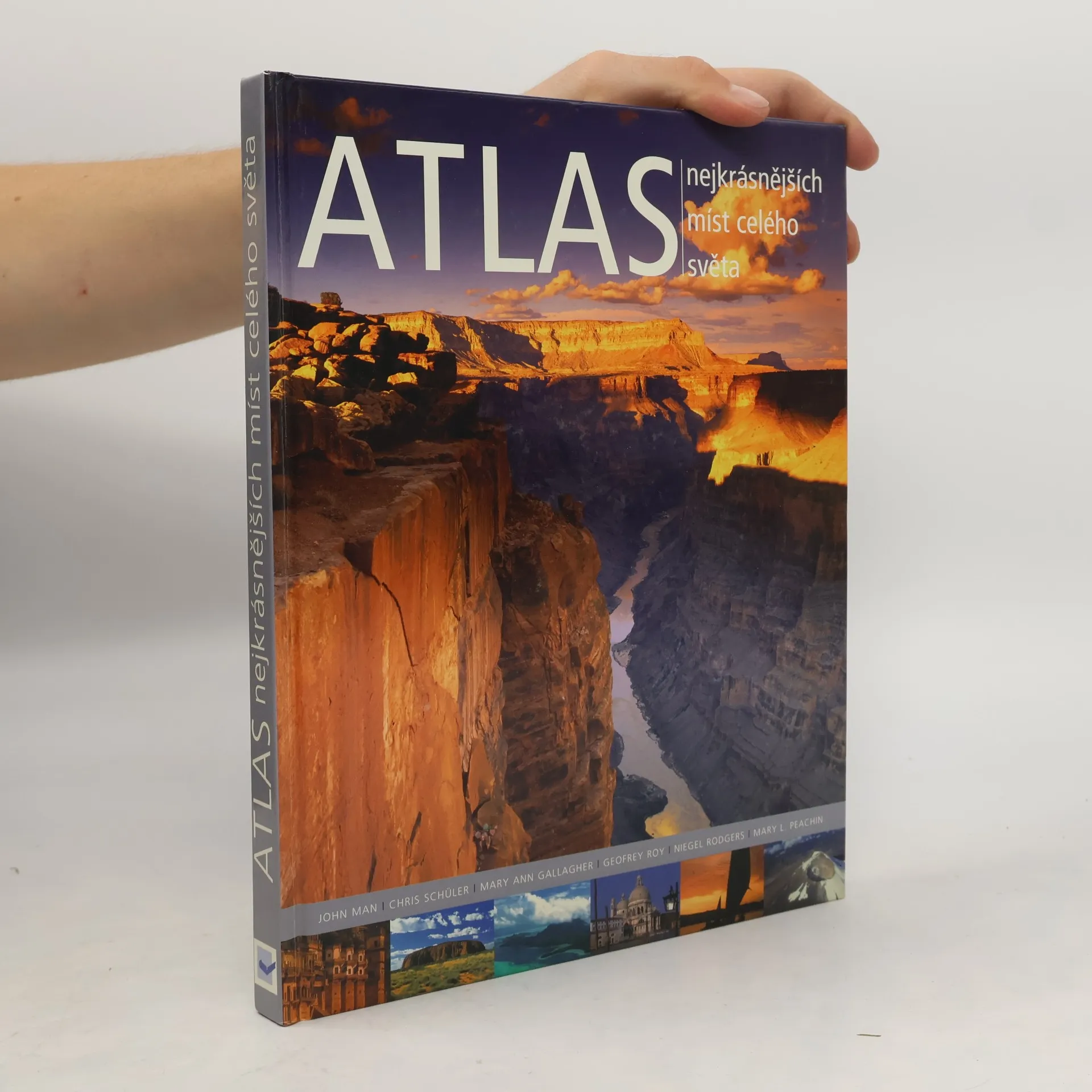
Atlas nejkrásnějších míst celého světa
- 224 Seiten
- 8 Lesestunden
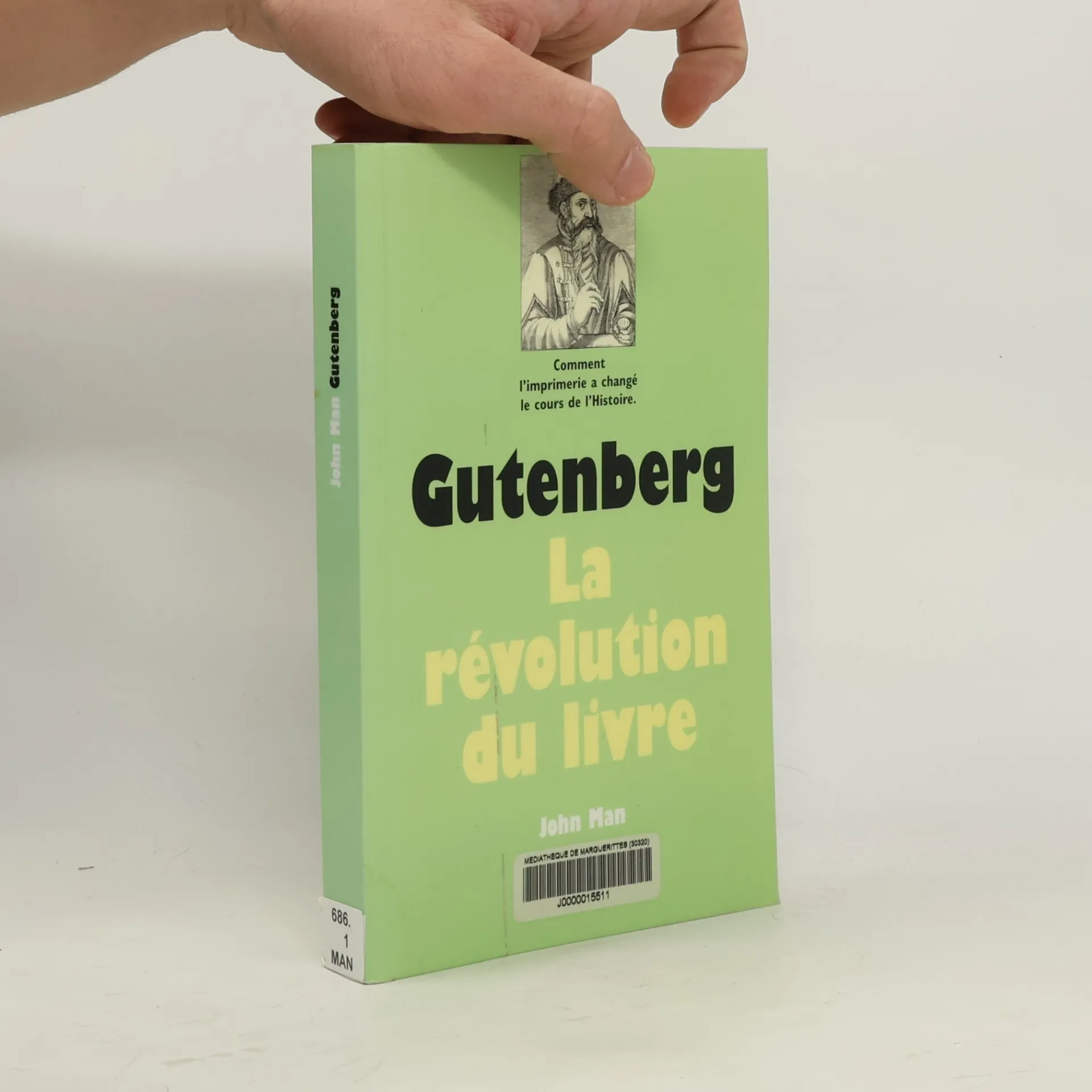
Gutenberg - La révolution du livre
- 276 Seiten
- 10 Lesestunden
En 1434, les livres sont manuscrits et ne circulent pas. Les gens vivent dans la crainte de Dieu. 80% d’entre eux sont analphabètes. En 1434, Johann Gutenberg a la trentaine. Il vit à Mayence et cela fait maintenant dix ans qu’il fabrique et poinçonne des pièces de monnaie. Il gagne peu d’argent, s’ennuie beaucoup et se lance dans la fabrique de reliques sacrées, un petit bout de métal frappé comme une pièce de monnaie qu’il vend une fortune aux milliers de pèlerins qui croient alors dur comme fer en ses vertus salvatrices. « Et si seulement il existait un moyen de produire des textes rapidement, en grande quantité, plutôt que des amulettes ? » Pour cela, il doit fabriquer des lettres à la place des amulettes, des milliers de lettres en plomb. Puis inventer une façon de les assembler pour former des lignes, des pages, et enfin des livres. Gutenberg était en train de concevoir l’imprimerie à caractères mobiles. Il lui faudra encore plusieurs années pour mettre en oeuvre son idée. Mais, pas à pas, obstinément, toujours à court d’argent, pressé par les créanciers, il parviendra à ouvrir la porte aux délices du savoir.
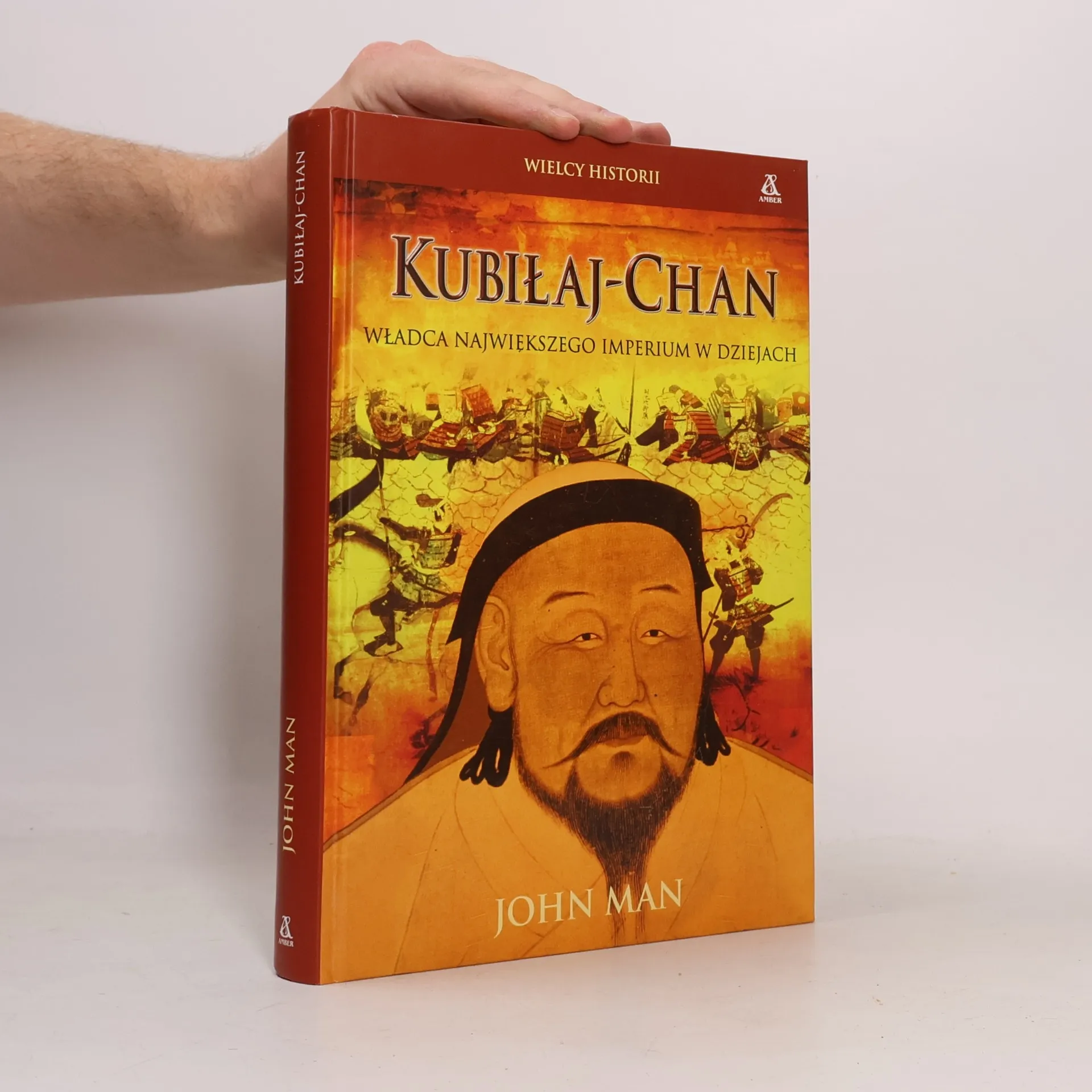
Kubiłaj-Chan
- 280 Seiten
- 10 Lesestunden
Partially sighted and half deaf, the mother of a three-year-old daughter, Jan met the strange and charismatic Harry Little in Mexico. For fifteen years they searched for their dream of an untouched wilderness and then found it deep in the Brazilian jungle, five days from the nearest settlement by canoe. Only Jan, now almost completely deaf and blind, would come out alive - having survived death, desolation and unimaginable horror.
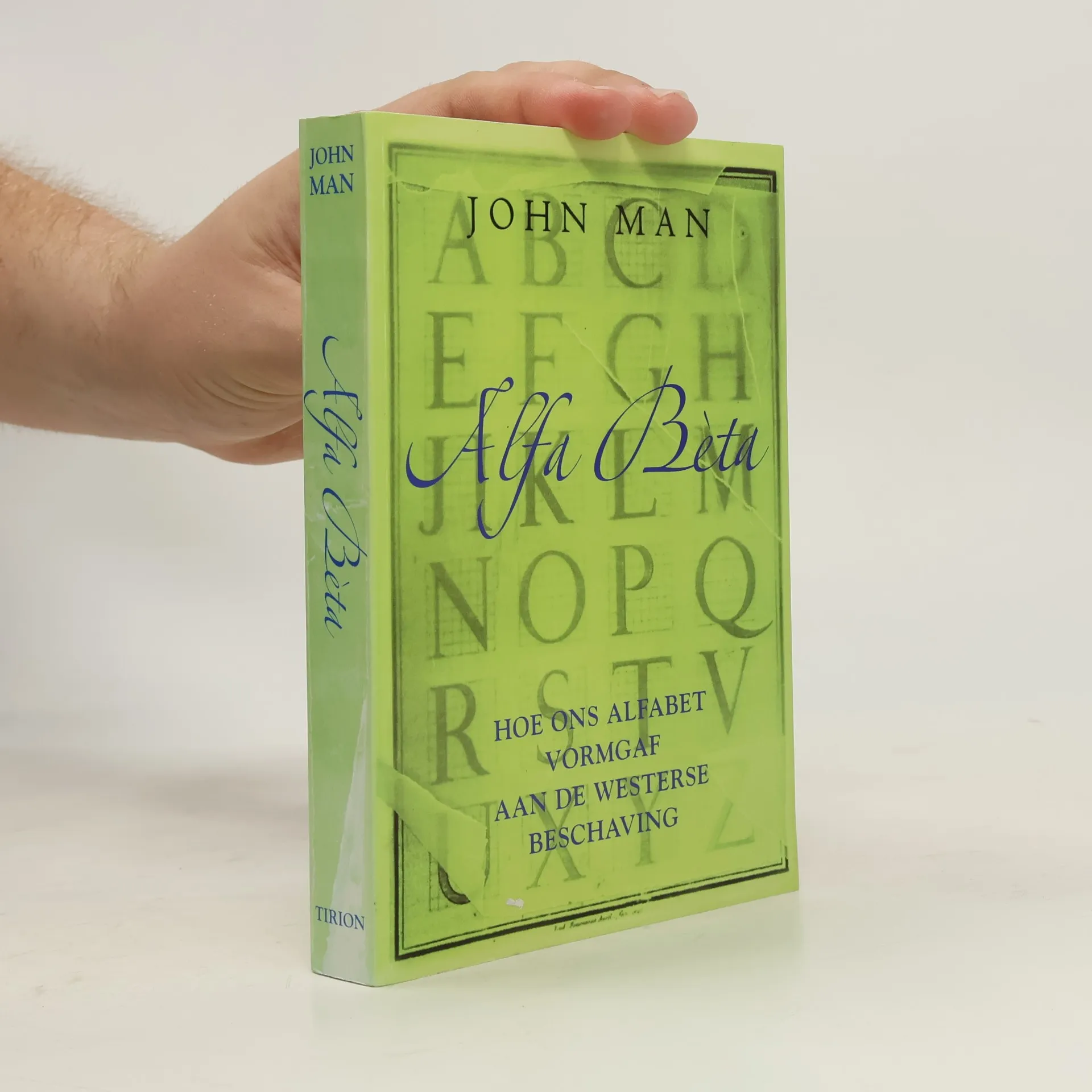
Alfa Beta
Hoe ons alfabet vormgaf aan de westerse beschaving
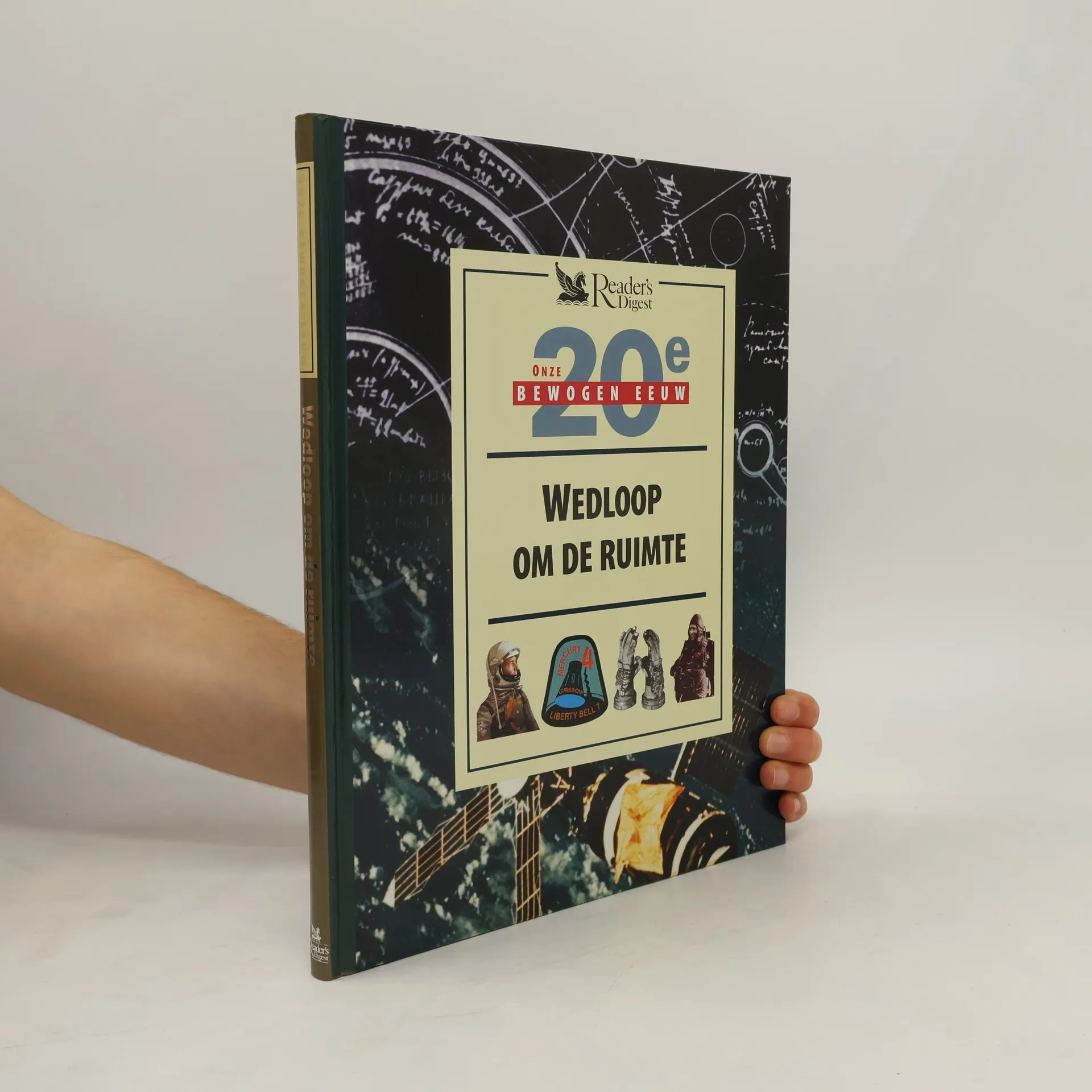
Wedloop om de ruimte
- 160 Seiten
- 6 Lesestunden
Overzicht in woord en beeld.
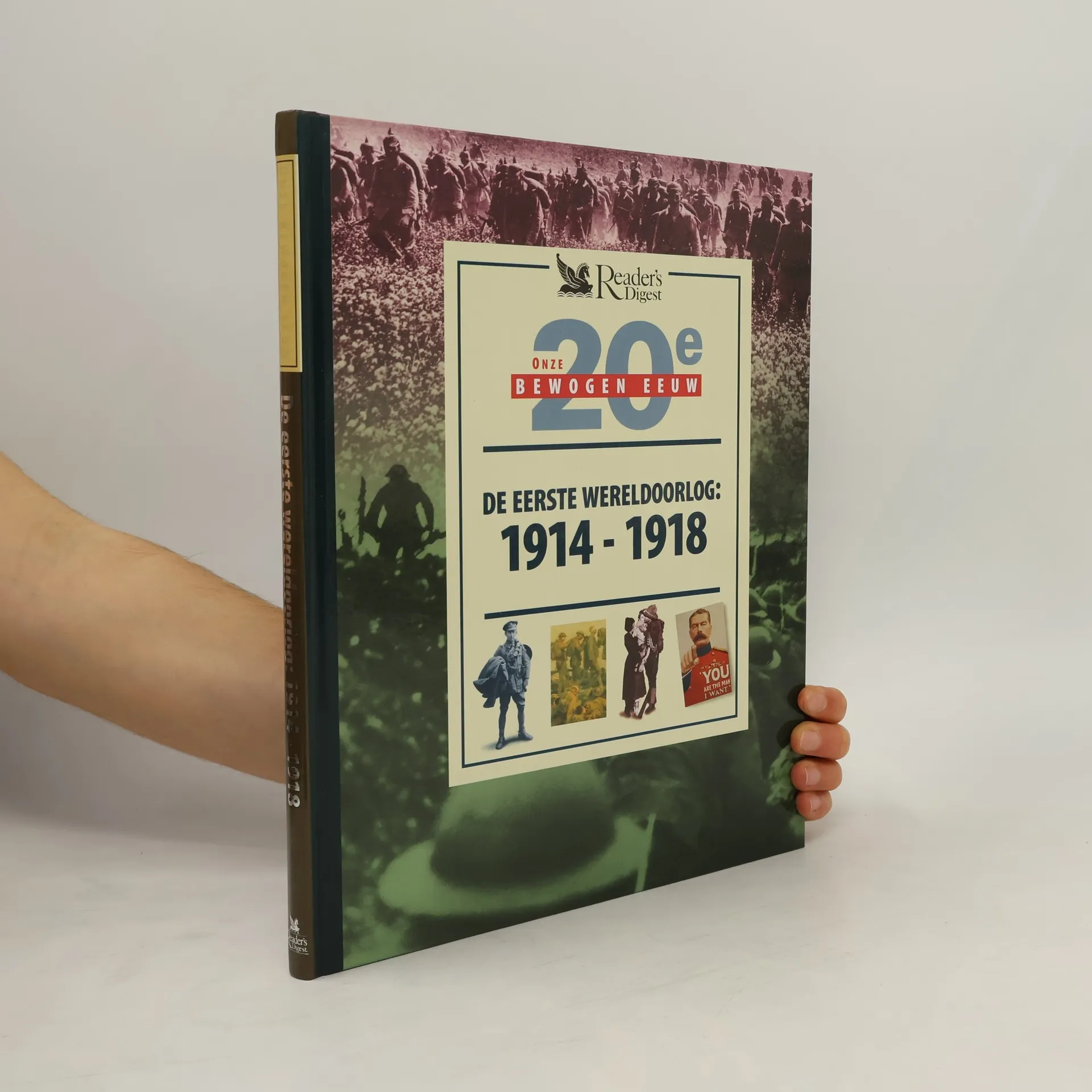
De Eerste Wereldoorlog: 1914-1918
- 160 Seiten
- 6 Lesestunden
Overzicht in woord en beeld.