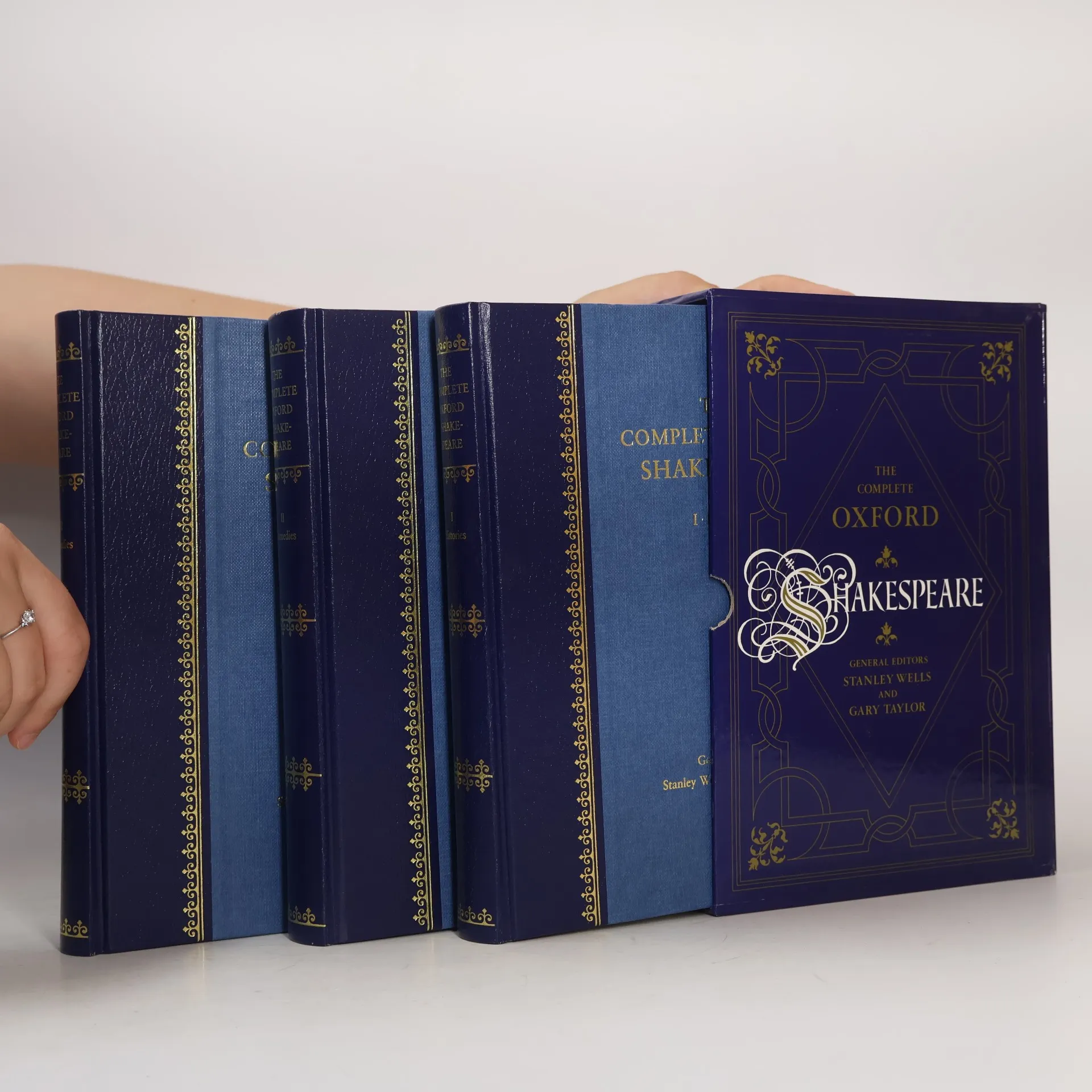
A compact edition of the complete works of William Shakespeare. It combines impeccable scholarship with beautifully written editorial material and a user-friendly layout of the text. Also included is a foreword, list of contents, general introduction, essay on language, contemporary allusions to Shakespeare, glossary, consolidated bibliography and index of first lines of Sonnets.
Stanley Wells Bücher
21. Mai 1930
Stanley Wells ist ein führender Shakespeare-Gelehrter. Seine Arbeit konzentriert sich auf die Authentizität von Shakespeares Stücken und den Entstehungskontext. Seine tiefen Einblicke in Shakespeares Werk bieten Lesern ein einzigartiges Verständnis eines der größten Dramatiker der Geschichte.


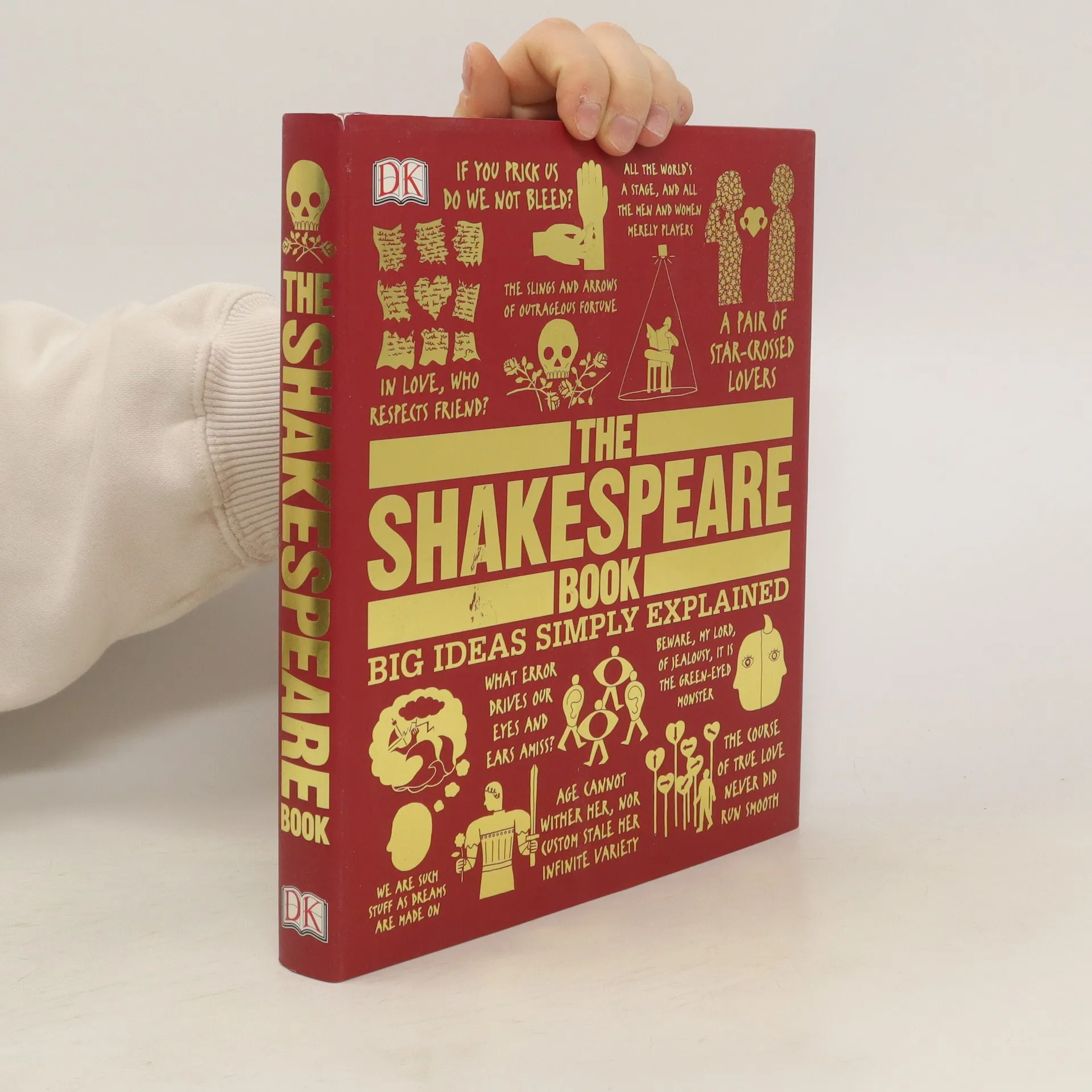
The Shakespeare Book
- 352 Seiten
- 13 Lesestunden
"Whether you are new to the poetry and proses of Shakespeare, and in need of a guide through the complex plots and unfamiliar language, or looking for a fresh perspective on his much-loved plays and sonnets, this book will shed light on the work of one of world literature's greatest figures"--Back cover.
Shakespeare's Bawdy
- 304 Seiten
- 11 Lesestunden
Focusing on the intricate sexual and scatological language in Shakespeare's works, this book serves as a comprehensive glossary. It provides alphabetical entries and cross-references, making it an invaluable resource for modern readers seeking to understand the bawdy elements in Shakespeare's plays and poetry.
»Was ist genau die Moral des ›Lear‹? Offenbar gibt es zwei. Die eine ist die gewöhnliche, die des gesunden Menschenverstandes, wie sie der Narr ausspricht: Verzichte nicht auf Macht! Gib dein Land nicht weg! Die andere Moral ist in der Geschichte implizit enthalten: Gib dein Land weg, wenn du willst; aber erwarte nicht, dass du dadurch glücklich wirst. Wahrscheinlich wirst du nicht glücklich. Wenn du für andere lebst, musst du für andere leben und darfst dir nicht auf diese Weise hintenherum selbst einen Vorteil verschaffen wollen.« George Orwell Sprachen: Deutsch, Englisch
Shakespeare and Co.
- 304 Seiten
- 11 Lesestunden
Shows that Shakespeare was a man of the theatre, one among a community of artists in the teeming world of Renaissance London. This book also sketches a gallery of Shakespeare's fellow playwrights.
Stanley Wells brings a lifetime of reflection to bear on some of the most tantalising questions about Shakespeare. How did he think, feel, and work? What were his relationships like? What made him laugh? What did he believe about death? Shakespeare's elusive personality now comes to vibrant life.
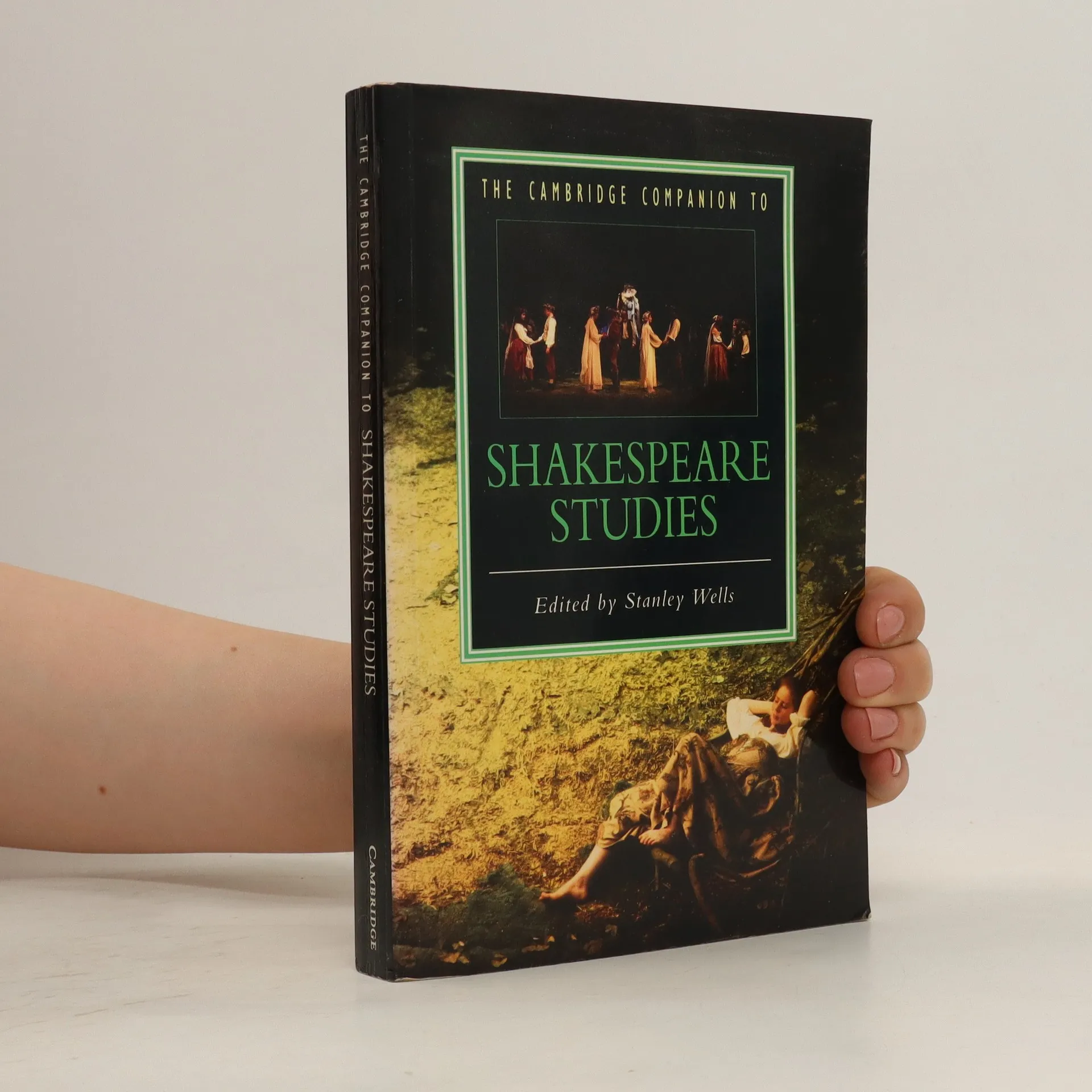
The Cambridge Companion to Shakespeare Studies offers a comprehensive introduction to the study of Shakespeare in a series of essays specially written by an international team of eminent scholars. Studies of Shakespeare's life, and of his relationship to the thought of his time, are followed by essays connecting his writings to the literary, dramatic, and theatrical conventions of his age. There are accounts of the transmission of his text, and of the theatrical and critical fortunes of his plays from his own time to ours. Particular attention is given to the twentieth century in studies of criticism, theatre history, the plays on film and television, new critical approaches, and reference books. Each essay is followed by a reading list. A successor to Cambridge's original Companion to Shakespeare Studies (1934) and the New Companion to Shakespeare Studies (1971) this attractively written and helpfully organized volume will be an indispensable companion to anyone with a serious interest in Shakespeare.
Great Shakespeare Actors
- 288 Seiten
- 11 Lesestunden
Great Shakespeare Actors is most impressive when quarrying the more remote past, and, although it is suitable for dipping into, reading it straight through conveys a sense of how acting styles and actors' careers have changed. Henry Hitchings, Spectator
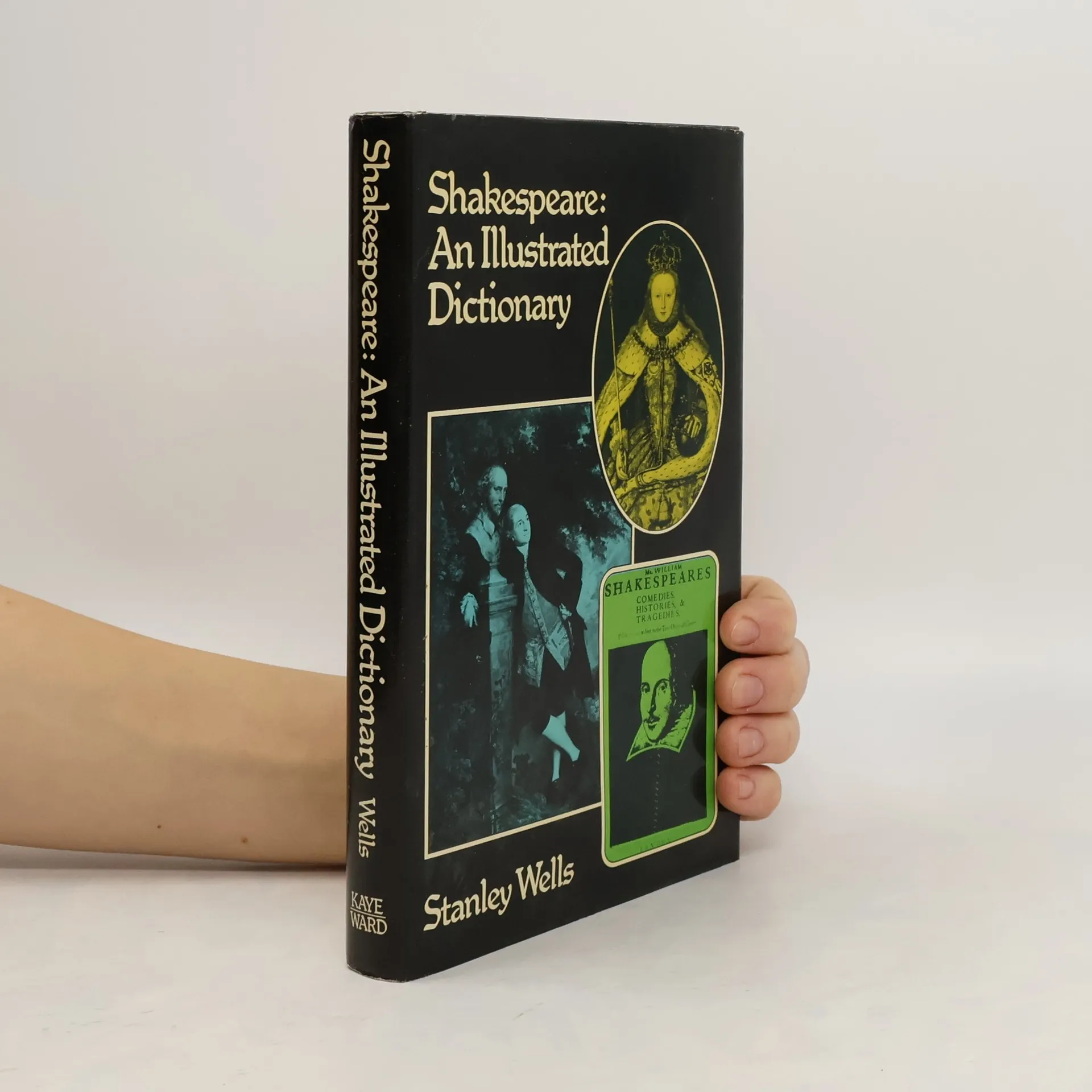
Shakespeare: An Illustrated Dictionary
- 224 Seiten
- 8 Lesestunden
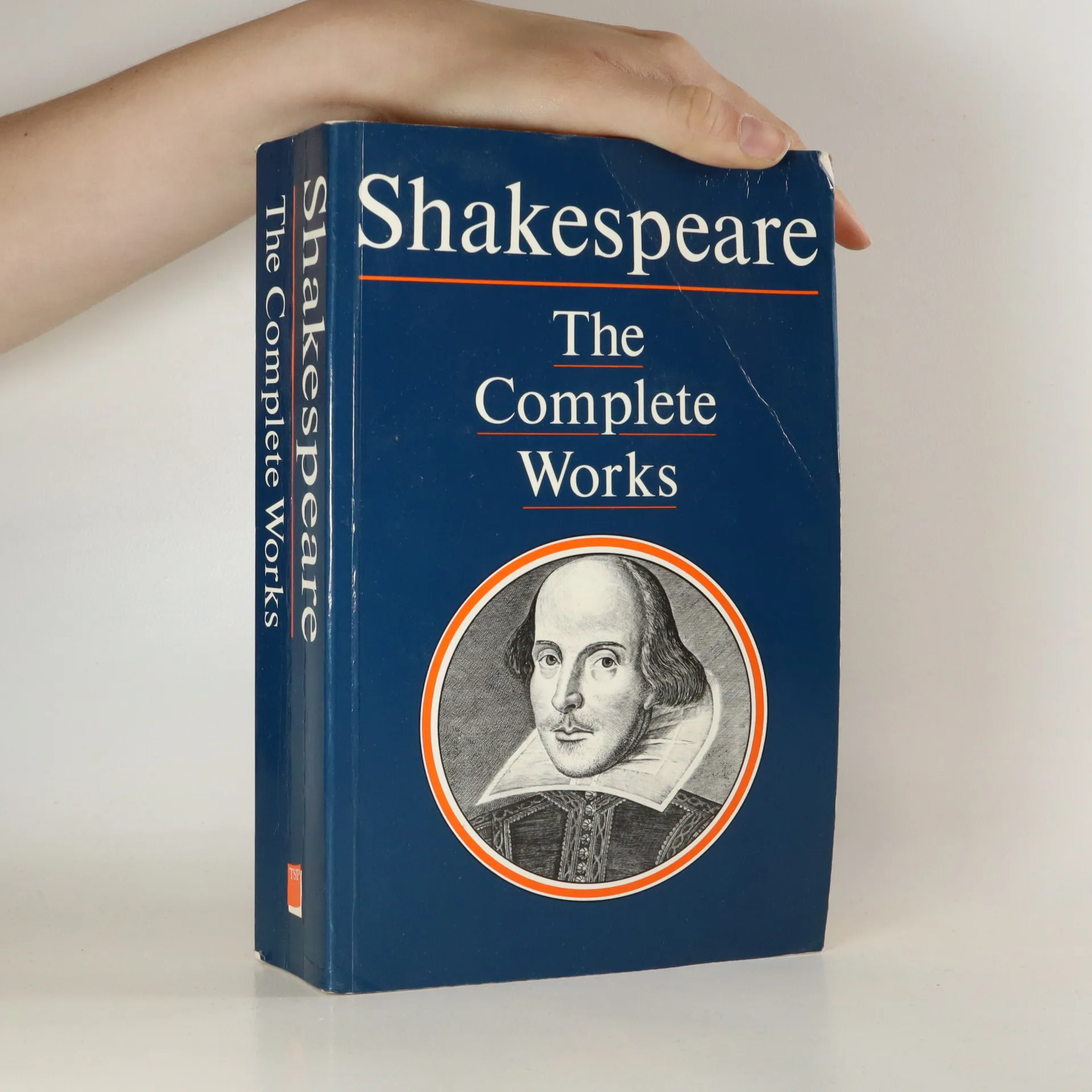
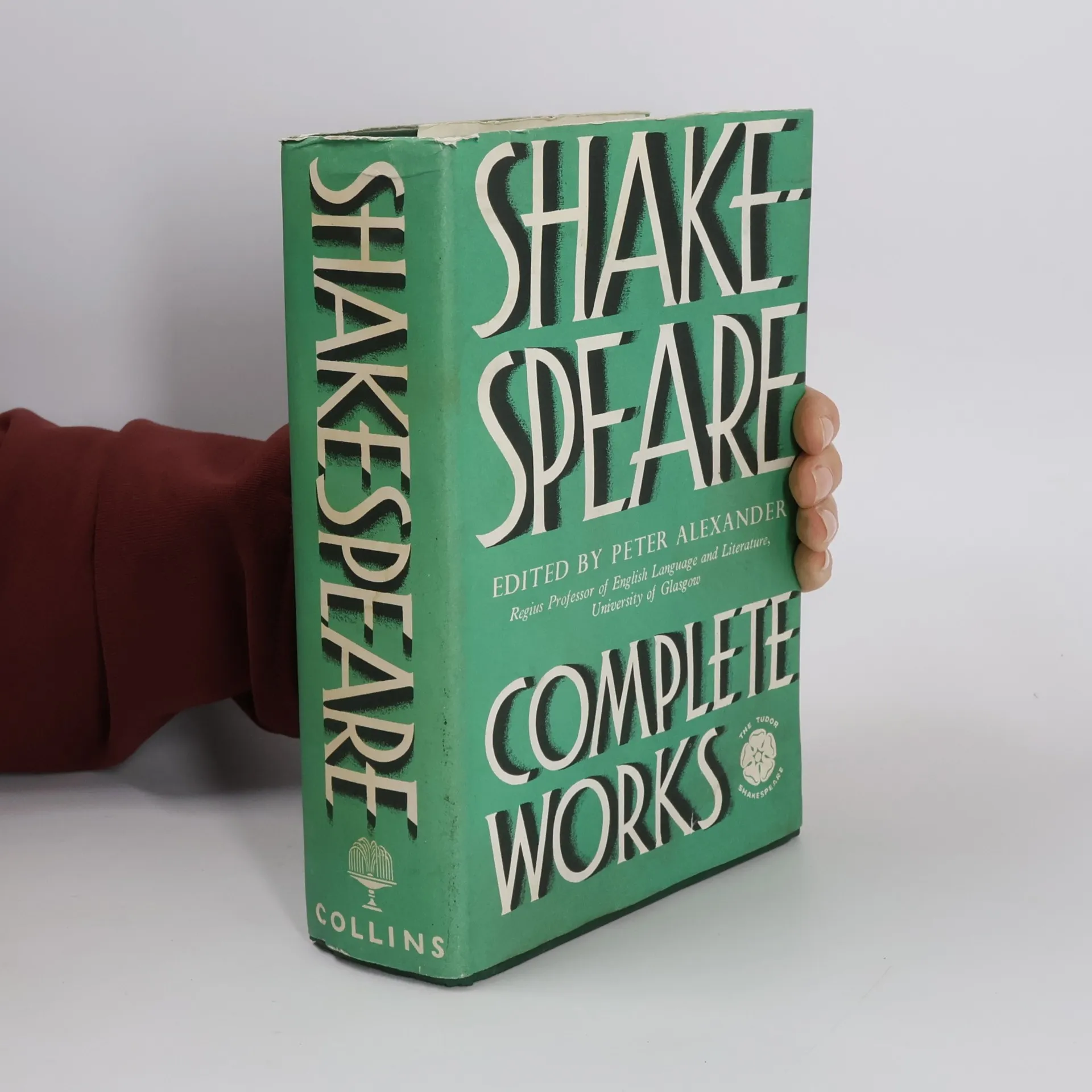
Shakespeare. The complete works
- 1022 Seiten
- 36 Lesestunden
A reference for the student or general reader, here are Shakespeare's complete works in one 1,032 page volume.
Shakespeare's Sonnets and A Lover's Complaint
- 208 Seiten
- 8 Lesestunden
The most famous collection of love poems in the English language, Shakespeare's Sonnets have spoken to generations of readers who have turned to them again and again when searching for supreme examples of expressions of love. Covering the whole range of emotions from joy to anguish, these sonnets reveal the beauty, power, inventiveness, and originality of Shakespeare's verse. The collection depicts in beautiful, poignant, and intriguing language the poet's celebration of his passionate friendship with a young man, his grief over a friend's seduction by his own mistress, his chagrin at the friend's relationship with a rival poet, and, in the final group of poems, his own humiliating infatuation with "a woman colored ill"--the Dark Lady who has tempted his "better angel" from him. Lyrically beautiful and psychologically fascinating, the sonnets both appeal as individual poems, and as an intricately related sequence. This volume presents all the sonnets in a freshly edited text, along with Shakespeare's wry, touching portrait of a forsaken maiden in A Lover's Complaint, a poem first printed with the sonnets in 1609. It also includes little-known alternative versions of four of the sonnets.
... probably never - against the backdrop of so much literary, and other noise, today - has there ever been a greater need for short summaries of such works in an attempt to reach new audiences. So, from King Lear, to Antony and Cleopatra to Macbeth and Hamlet, et. al, the rudiments of all ten tragedies are condensed into just half a dozen pocket-sized pages each. Probably not for the connoiseur but much more likely for reluctant newbies still mystified by all the fuss. Screentrade Magazine
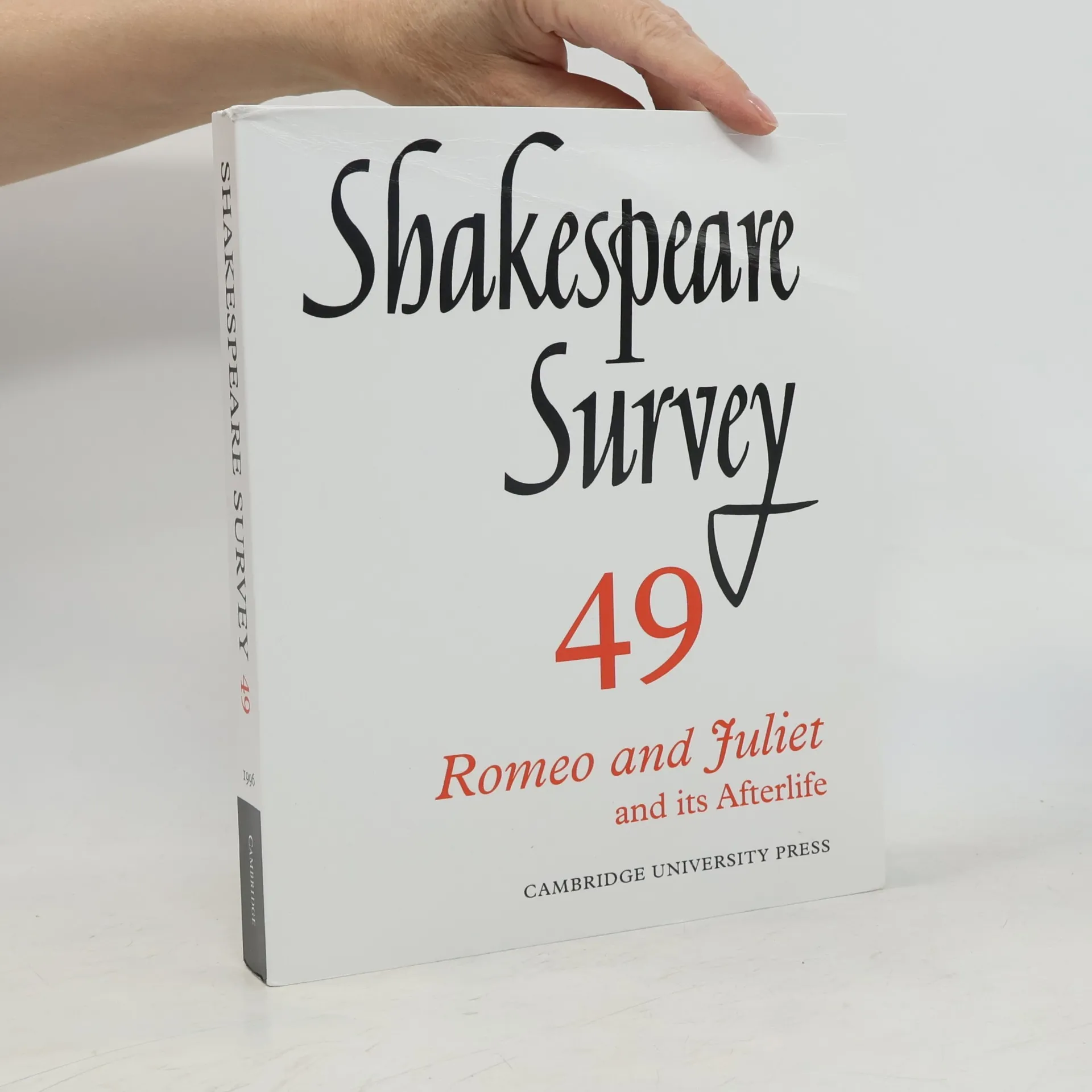
Shakespeare Survey is a yearbook of Shakespeare studies and production. Since 1948 Survey has published the best international scholarship in English and many of its essays have become classics of Shakespeare criticism. Each volume is devoted to a theme, or play, or group of plays; each also contains a section of reviews of the previous year's textual and critical studies and of major British performances. The books are illustrated with a variety of Shakespearean images and production photographs. The current editor of Survey is Peter Holland. The first eighteen volumes were edited by Allardyce Nicoll, numbers 19-33 by Kenneth Muir and numbers 34-52 by Stanley Wells. The virtues of accessible scholarship and a keen interest in performance, from Shakespeare's time to our own, have characterised the journal from the start. For the first time, numbers 1-50 are being reissued in paperback, available separately and as a set.
Bohatě faktograficky vybavená monografie, která shrnuje současné poznatky o Williamu Shakespearovi a odkazuje na významné, zejména britské divadelní inscenace.