Therapy 174
The Magazine of New Writing


Jonathan Lear befasst sich mit dem philosophischen Verständnis der menschlichen Psyche und den ethischen Implikationen, die sich aus unserer Natur als Wesen ergeben. Seine Arbeit konzentriert sich hauptsächlich auf philosophische Konzeptionen des menschlichen Geistes, die von der sokratischen Zeit bis heute reichen. Lear verbindet Philosophie mit Psychoanalyse und bietet tiefe Einblicke in die menschliche Verfassung. Seine Schriften untersuchen, wie unsere inneren Motivationen und unser Charakter unser ethisches Handeln prägen.


The Magazine of New Writing
Jonathan Lear's insightful meditation joins the end of the world to the end- that is, the purpose-of living. How to persist in the face of planetary catastrophe and the realization that even cultures can die? Lear sees in mourning an avenue of thriving and turns to a handful of moral exemplars to refine our sense of the good we can yet achieve.
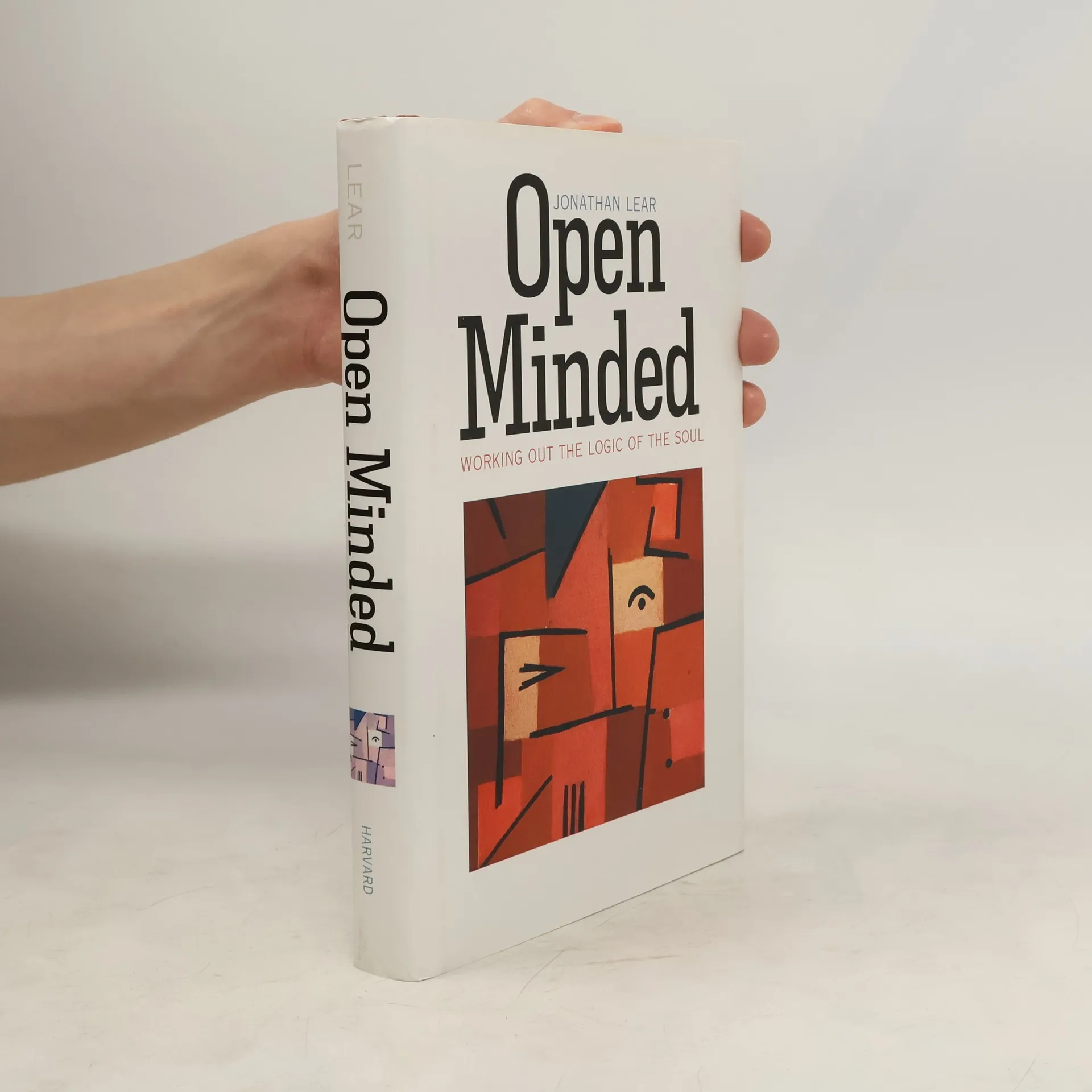
Exploring the intersection of psychoanalysis and moral philosophy, the book examines whether reason can integrate the nonrational aspects of the psyche into a comprehensive understanding of humanity. Jonathan Lear argues that without addressing this integration, philosophy loses its connection to real human experiences. The work serves as a foundation for ethical considerations on how to live, emphasizing the importance of understanding both rational and nonrational elements of the human condition.
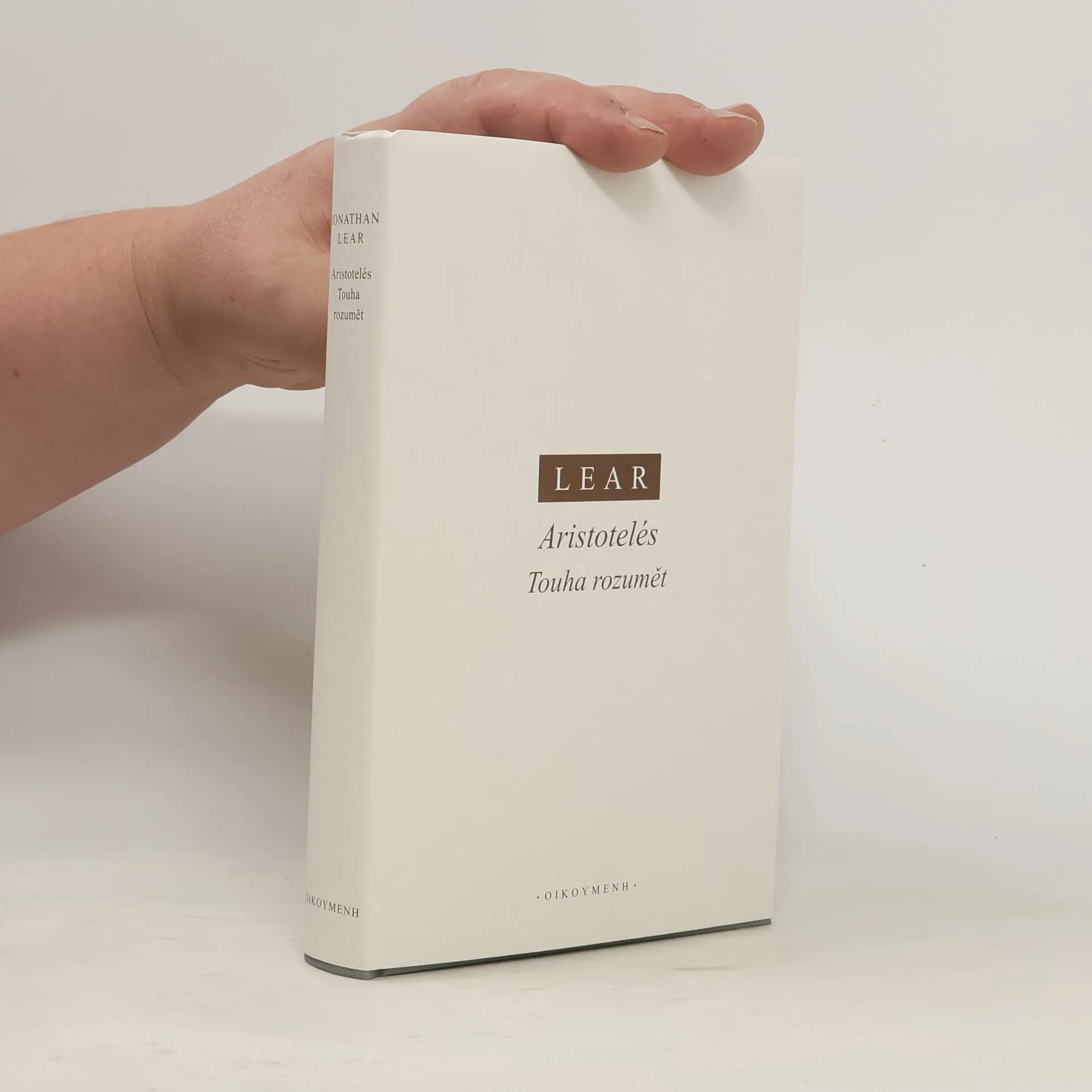
Filosofický úvod do Aristotelova myšlení. Jeho autor si volí stejné východisko jako sám Aristotelés, který v první větě své Metafysiky tvrdí, že všechny lidské bytosti touží svojí přirozeností po porozumění. Avšak co pro nás znamená, že jsme v tomto světě vedeni touto touhou? Co znamená, že nějaký tvor má svoji přirozenost? Co je naše, lidská, přirozenost? Jaký musí být svět, je-li poznáván rozumem, a jací musíme být my, máme-li mu systematicky porozumět? Zkoumáním těchto otázek nás Jonnathan Lear uvádí do podstaty Aristotelovy filosofie a prová-zí nás ústředními pasážemi jeho Fyziky, Metafyziky, Etiky, Poli-tiky, jeho biologických a logických spisů. Kniha je psána jasným stylem, jímž chce autor přimět čtenáře k aktivní účasti. Může se stát podnětným úvodem pro všechny studenty filosofie a pro široký okruh zájemců o Aristotela, tohoto giganta západních duchovních dějin.
Guerrilla Teaching is a revolution. Not a flag-waving, drum-beating revolution, but an underground revolution, a classroom revolution.
Vanity Fair has declared the Age of Irony over. Joan Didion has lamented that Obama s United States is an irony-free zone. Here Jonathan Lear argues that irony is one of the tools we use to live seriously, to get the hang of becoming human. It forces us to experience disruptions in our habitual ways of tuning out of life, but comes with a cost.
Ethik im Angesicht kultureller Zerstörung
Auf Grundlage der Anthropologie und Geschichte der nordamerikanischen Ureinwohner sowie mittels Philosophie und psychoanalytischer Theorie erforscht Jonathan Lear die Geschichte des Volkes der Crow im Angesicht der kulturellen Zerstörung. Sein Buch ist eine tiefschürfende und höchst originelle philosophische Studie über eine eigentümliche Verletzlichkeit, die den Kern der conditio humana betrifft. Wie sollen wir mit der Möglichkeit umgehen, dass unsere eigene Kultur zusammenbrechen könnte, wie mit dieser Verwundbarkeit leben? Ist es sinnvoll, sich einer solchen Herausforderung mutig zu stellen?
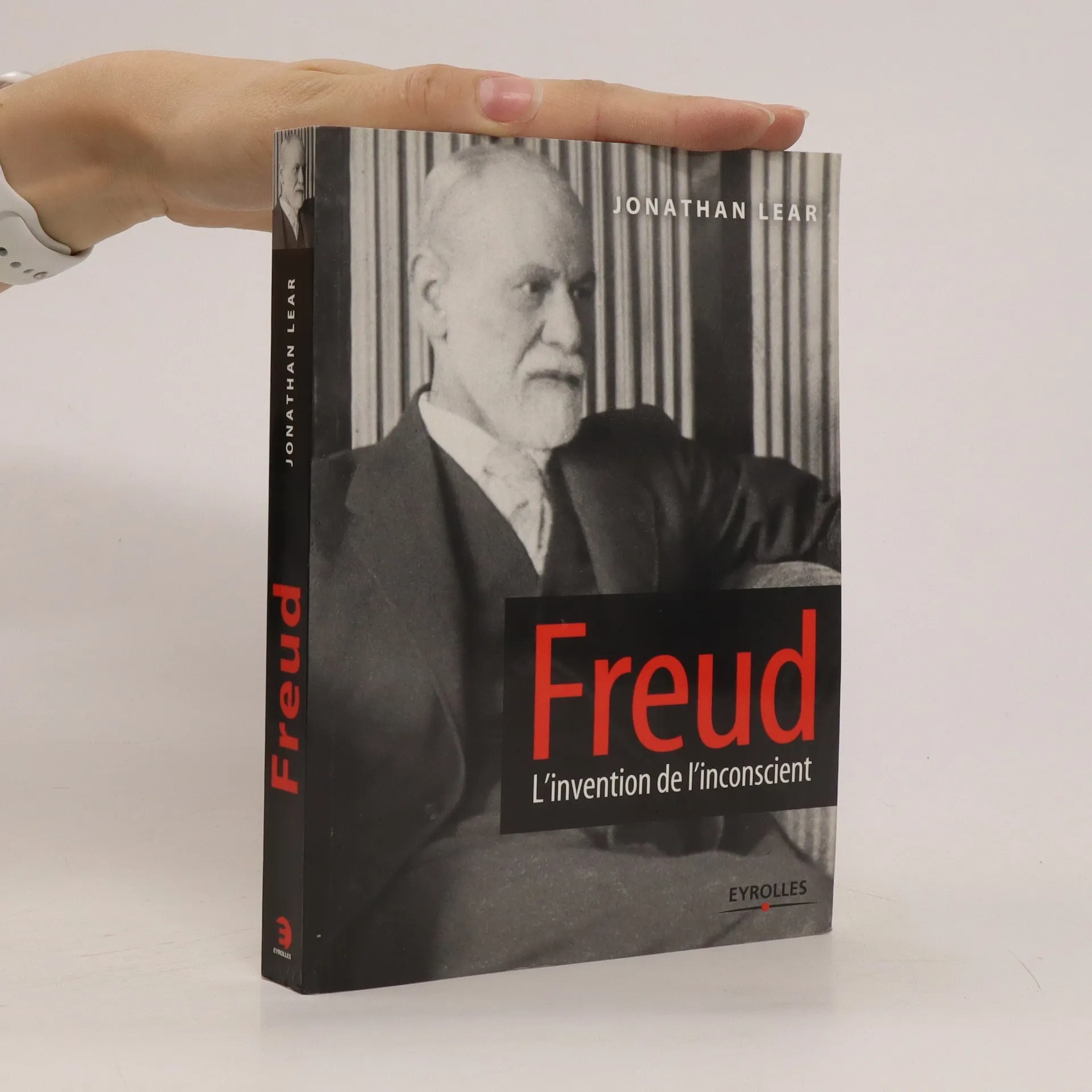
Notre époque est dominée par le mythe de la transparence : de la sociologie aux neurosciences en passant par l'économie, tout concourt à réduire nos comportements à des explications rationnelles. Pourtant, à trop vouloir rationaliser, ne perdons-nous pas de vue l'humain ? Au-delà des schémas de la raison, demeure pour nous une question essentielle : "Comment vivre ?", ainsi que la nécessité d'y répondre. C'est justement l'objet de la psychanalyse : en renonçant à la rationalité, Freud a relevé le pari de nous aider à mieux vivre. Loin d'être invalidées, ses intuitions sur l'inconscient sont aujourd'hui en passe d'être confirmées par les découvertes de la neurobiologie. C'est pourquoi nous ne pouvons pas ignorer Freud. Par son approche transversale, parfois iconoclaste, ce livre s'applique à nous montrer comment les concepts de la psychanalyse gardent toute leur actualité. À travers cette introduction philosophique, Jonathan Lear nous ramène à l'essentiel de nos préoccupations sur le bonheur, la liberté et les valeurs.
In this fully revised and updated second edition, the author clearly introduces and assesses all of Freud's thought, focusing on those areas of philosophy on which Freud is acknowledged to have had a lasting impact. Essential reading for anyone in the humanities, social sciences and beyond.
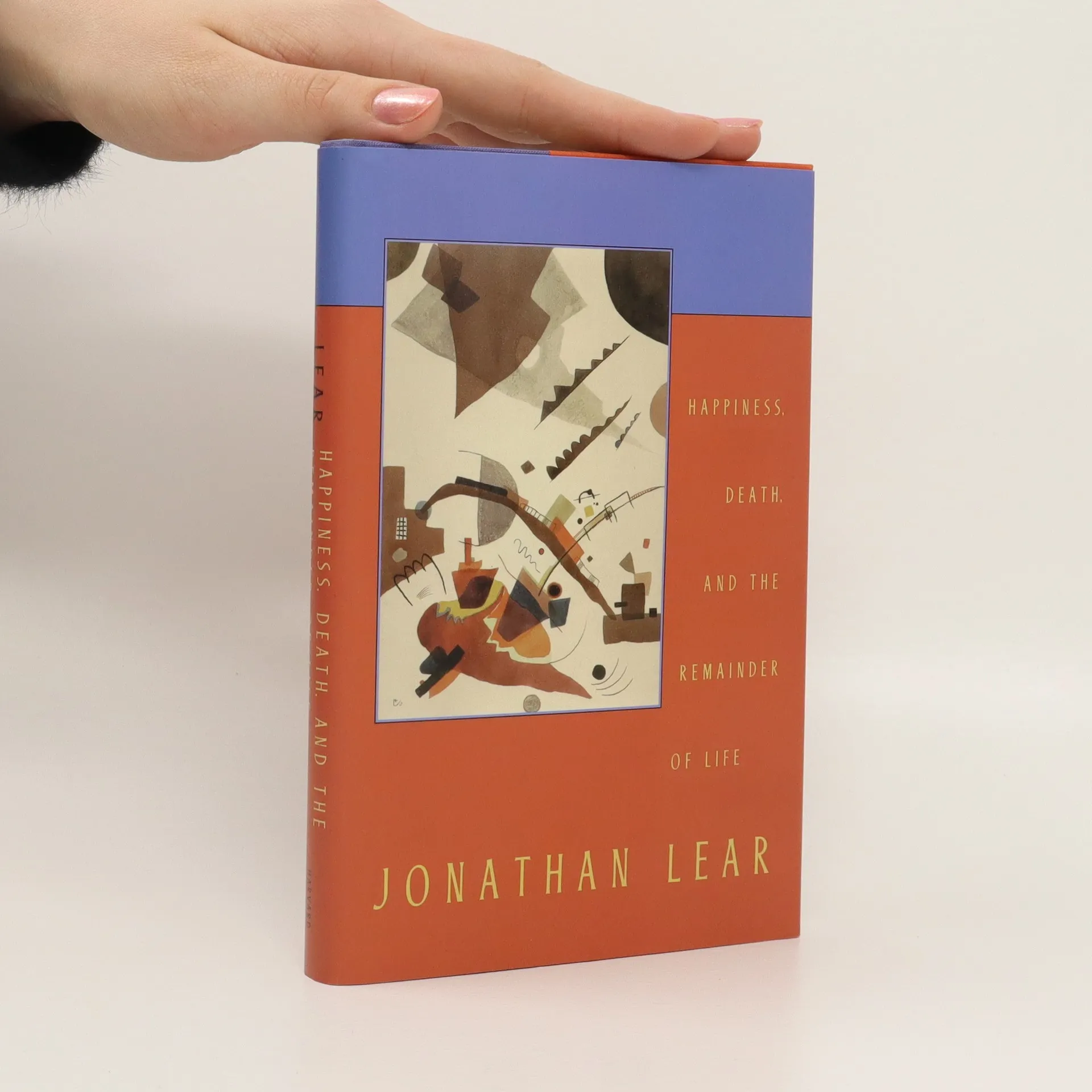
"Aristotle and Sigmund Freud gave us disparate but compelling pictures of the human condition. But if, with Jonathan Lear, we scrutinize these thinkers' attempts to explain human behavior in terms of a higher principle - whether happiness or death - the pictures fall apart. Aristotle attempted to ground ethical life in human striving for happiness, yet he didn't understand what happiness is any better than we do. Freud fared no better when he tried to ground human striving, aggression, and destructiveness in the death drive."--Jacket
Offers an examination of Freud's thought as it applies to the development of the individual and the power of love
Professor Lear introduces Aristotle's philosophy and guides us through the central Aristotelian texts - selected from the Physics, Metaphysics, Ethics, Politics and from the biological and logical works. This 1988 book is written in a direct, lucid style which engages the reader with the themes in an active, participatory manner.
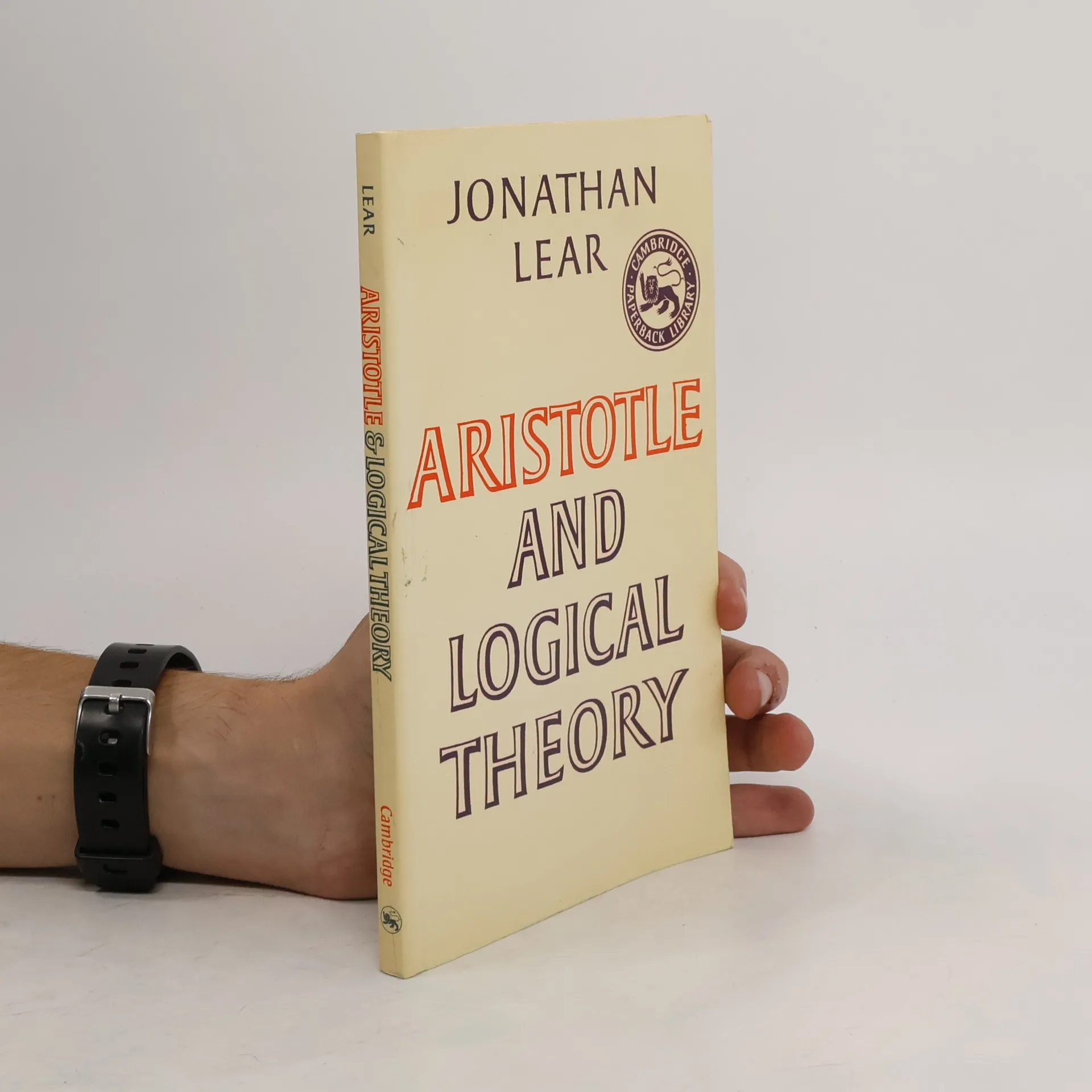
Aristotle was the first and one of the greatest logicians. He not only devised the first system of formal logic, but also raised many fundamental problems in the philosophy of logic. In this book, Dr Lear shows how Aristotle's discussion of logical consequence, validity and proof can contribute to contemporary debates in the philosophy of logic. No background knowledge of Aristotle is assumed.