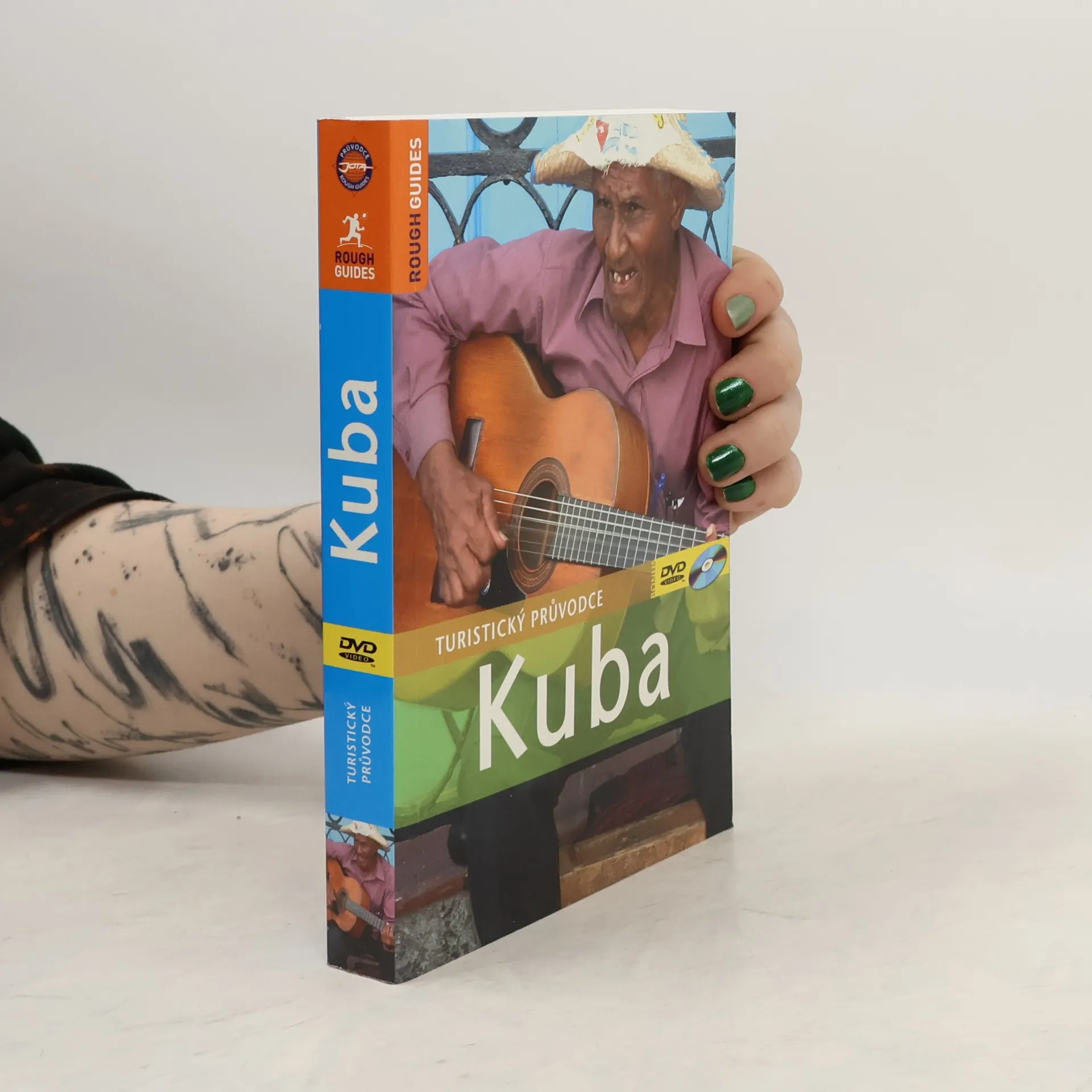
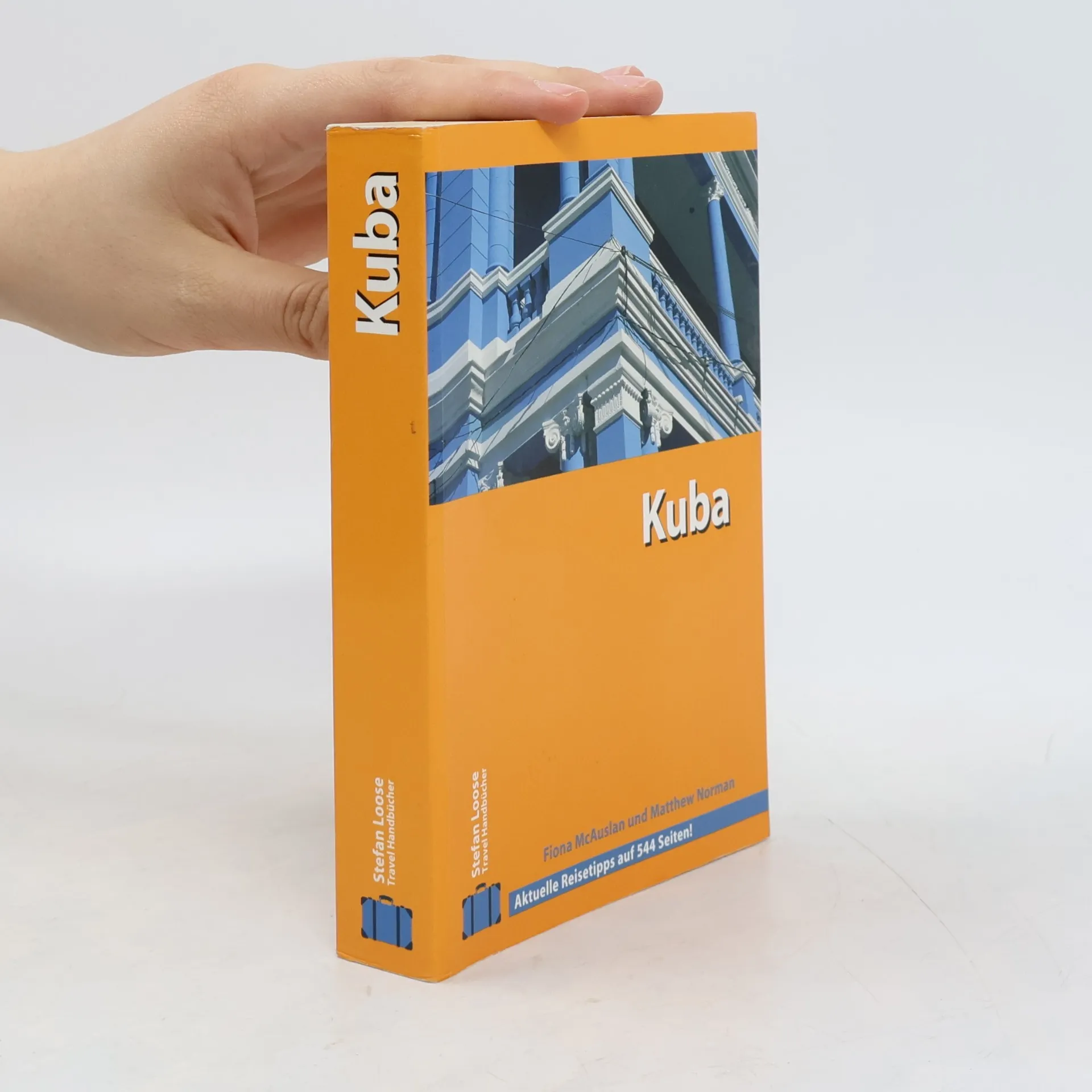
Die andere Karibik - Kuba bezaubert und belohnt seine Besucher mit malerischen Kolonialstädten, faszinierender afro-kubanischer Kultur, hinreißender Musik, Bilderbuchstränden, herrlichen Landschaften und seinen liebenswerten Menschen. Das Travel Handbuch gibt wertvolle und verlässliche Tipps für die individuelle Reiseplanung, auch für Entdeckungstouren abseits der Touristenzentren. Selbst Privatunterkünfte werden ausführlich beschrieben.
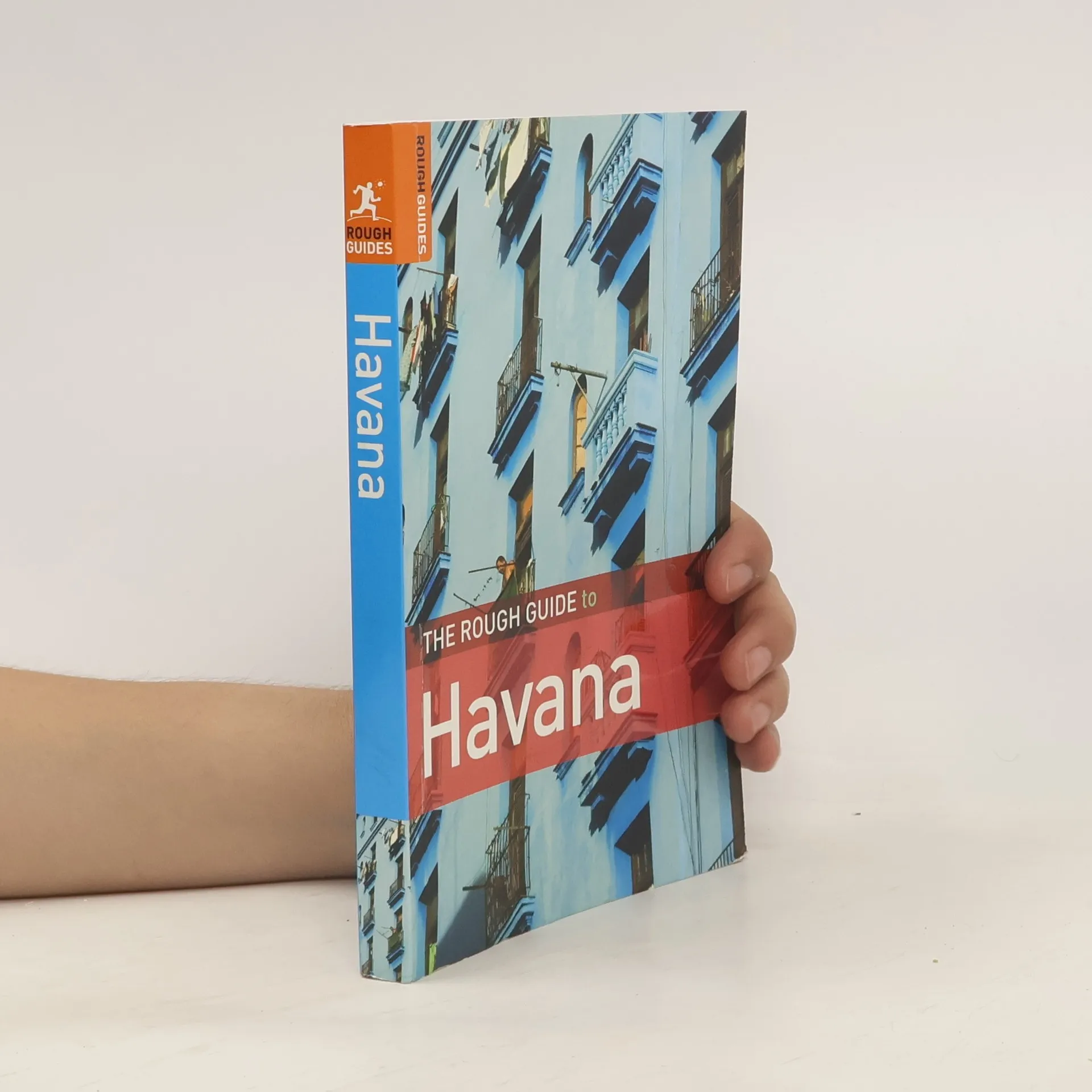
The Rough Guide to Havana is the ultimate guide to this lively city in Cuba. The full-color section introduces the best Havana has to offer. This first edition is full of informed descriptions and accurate listings of the best bars, restaurants and music venues to be seen at with maps and plans for every area. This guide also takes a detailed look at the history of Havana.From the Museo de la Revolución and other must-visit museums and galleries to splendid architectural gems including the Catedral de San Cristóbal,the Rough Guide steers you to the best restaurants, stylish bars & cafés, and hottest nightlife across every price range. The guide provides comprehensive coverage of hotels as well as private homestays, the best places to stay for an up-close experience of life in Cuba. Extensive coverage of the outer boroughs La Lisa and Marianao complements an unprecedented level of detail for the main four city neighborhoods, Habana Vieja, Centro Habana, Vedado and Miramar.
Isolated from the Western world for over thirty years, Cuba re-emerged as a tourist destination in the early 1990s, transitioning from a socialist stronghold to a major Caribbean hotspot fueled by capitalist dollars. Despite this transformation, visitors often perceive Cuba as a time capsule, with classic American cars, cigar-smoking farmers, and colonial architecture seemingly untouched by modernization. The country is marked by a unique blend of change and stasis, reflecting its complex history and contradictions.
While taxi drivers may earn more than doctors and capitalist reforms aim to preserve socialist ideals, Cubans remain welcoming to tourists, despite challenges like food rationing and restrictions on free speech. Visitors frequently engage with locals through home rentals and private restaurants, gaining deeper insights into the culture. Music and dance are integral to Cuban life, with the island being the birthplace of influential Latin music styles, including salsa.
However, navigating the bureaucratic landscape can be tricky, especially when issues arise, revealing Cuba's distinct logic. While major resorts are well-equipped and violent crime is low, exploring less touristy areas requires patience due to limited facilities and transport. Improvements in services and consumer goods signal a shift away from Cuba's unique charm, making now an ideal time to experience the island before it changes further.