This book paints a vivid picture of what life was like for the ordinary but exceptional men, women and children of Britain. Over 850 photographs from the archives of the Daily Mail present a true-life record of Britain's 'finest hour'.
Maureen Hill Bücher
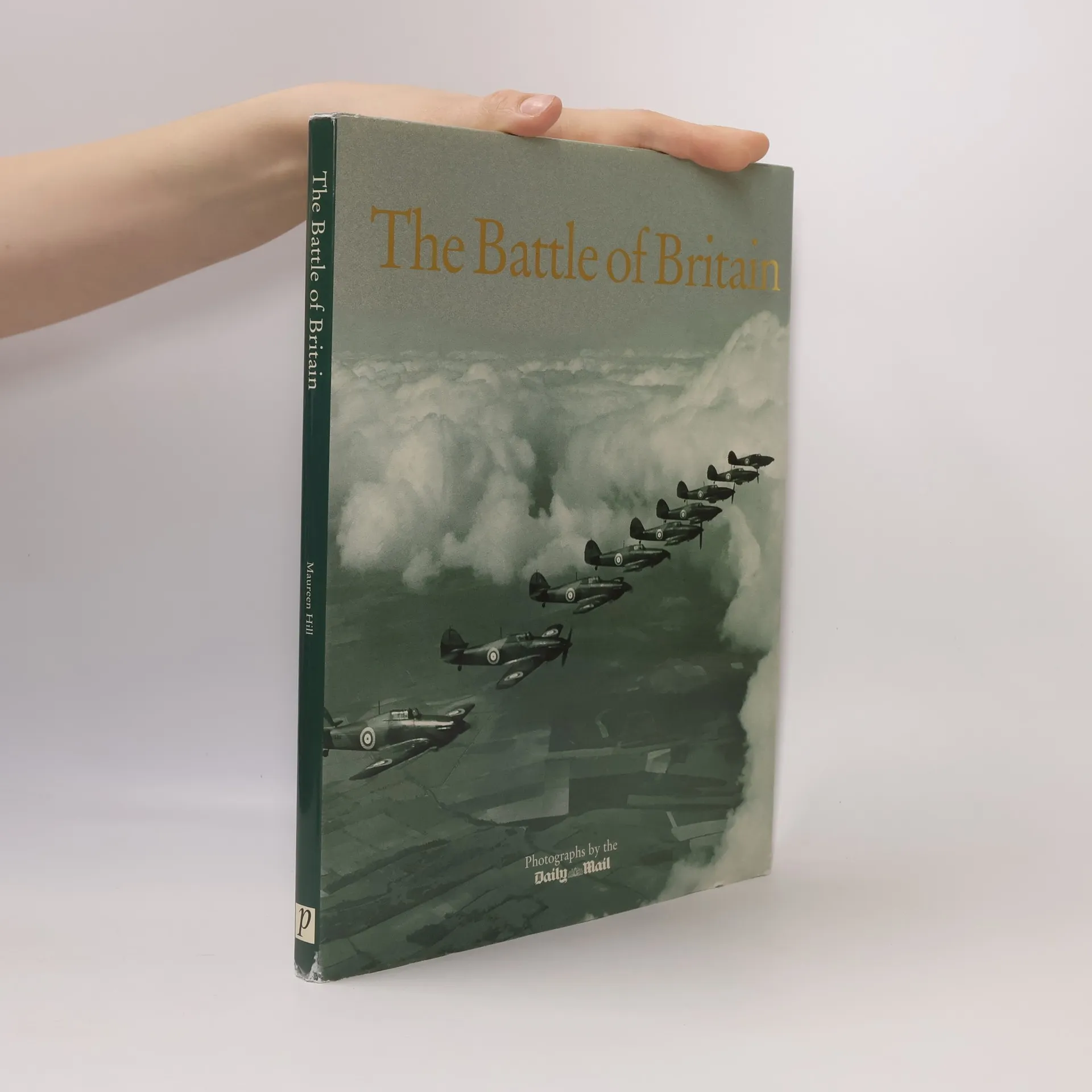
The Battle of Britain
- 95 Seiten
- 4 Lesestunden
'Never n the field of human conflict was so much owed by so many to so few.' Churchill's famous line sums up the magnitude of the importance of the victory in the 'Battle of Britain'.Over 170 splendid photographs from the Daily Mail archives shows much of how this was achieved both on the ground and in the air.
Photographs from the Daily Mail.
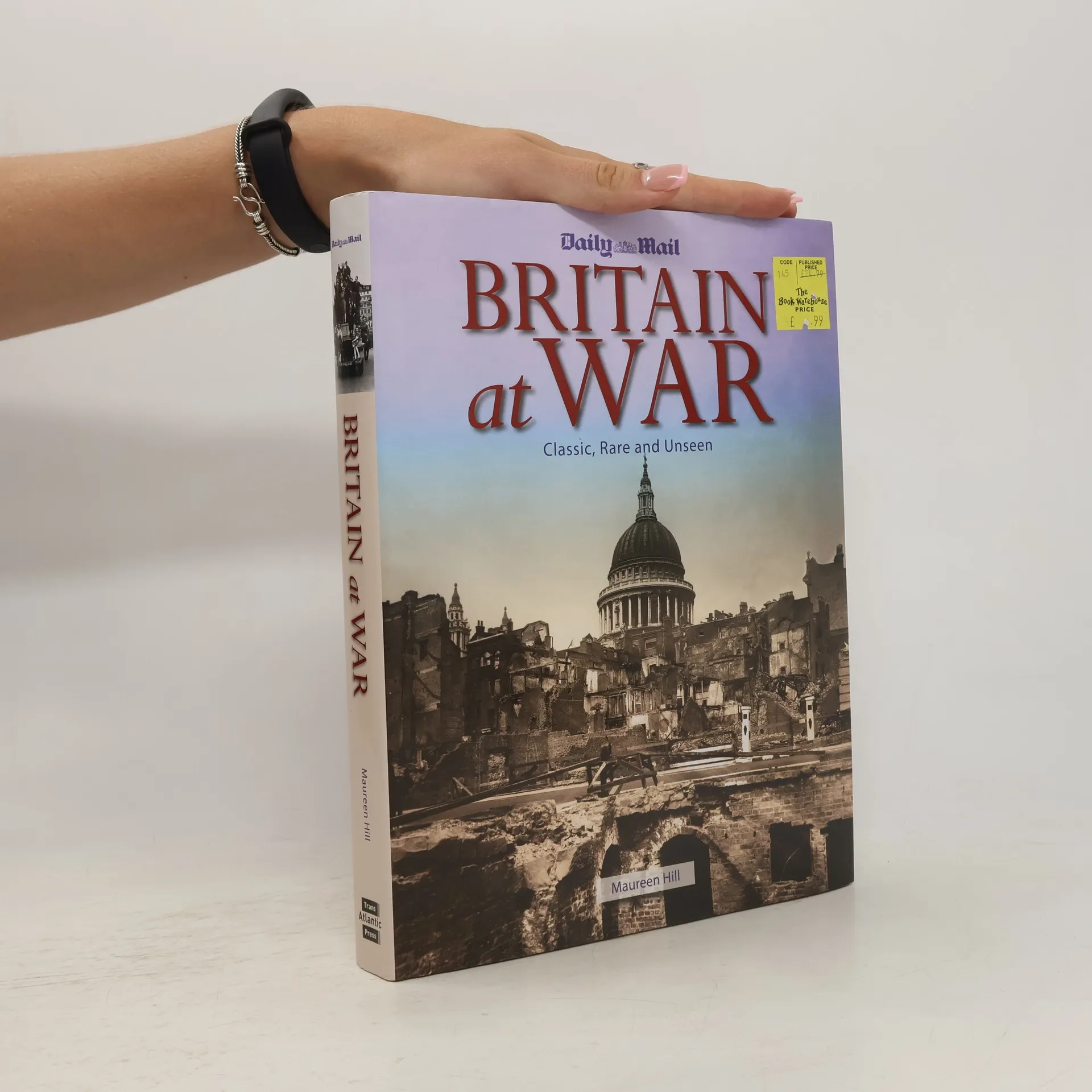
Britain at War
- 384 Seiten
- 14 Lesestunden
More than 750 original photographs from the archives of the Daily Mail.
The London Blitz. September 1940 - May 1941
- 176 Seiten
- 7 Lesestunden
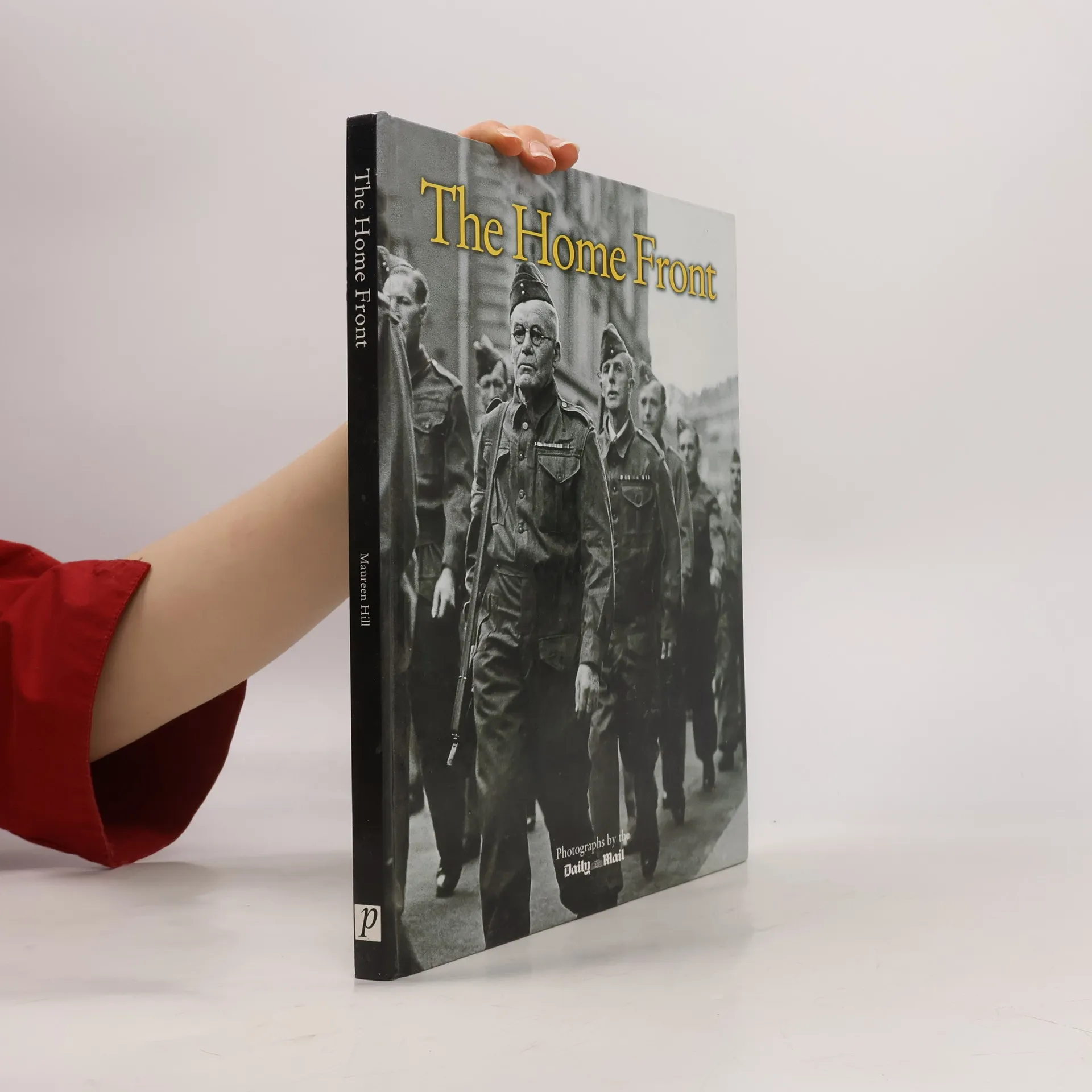
The Home Front
- 96 Seiten
- 4 Lesestunden
As of eleven o'clock this morning, Britain is at war with Germany. Neville Chamberlain's announcement on September 3, 1939, confirmed widespread fears about the conflict's inevitability. What remained uncertain was the war's duration and the extent to which the British population would need to engage in the effort. Life quickly transformed into a relentless struggle, with everyone—men, women, and children—contributing to the war effort. Manufacturing shifted entirely to war production, leaving little for domestic needs. By January 1940, food shortages necessitated rationing, and efforts to increase domestic food production intensified due to the risks of importing supplies. Just a week after Chamberlain's address, British troops were dispatched to France, consisting of well-trained yet poorly equipped soldiers, later joined by conscripts. Families faced the emotional toll of separation and the fear of losing loved ones while grappling with a dwindling workforce and the need for increased armament production. This situation prompted the mobilization of women into various forms of war work. Children's lives were similarly disrupted, with evacuations implemented to protect them from potential aerial bombardments. Although initial bombing was minimal, the onset of the Blitz a year later exposed British civilians to unprecedented attacks. The nation itself became the front line, with every citizen playing a crucial role in defen
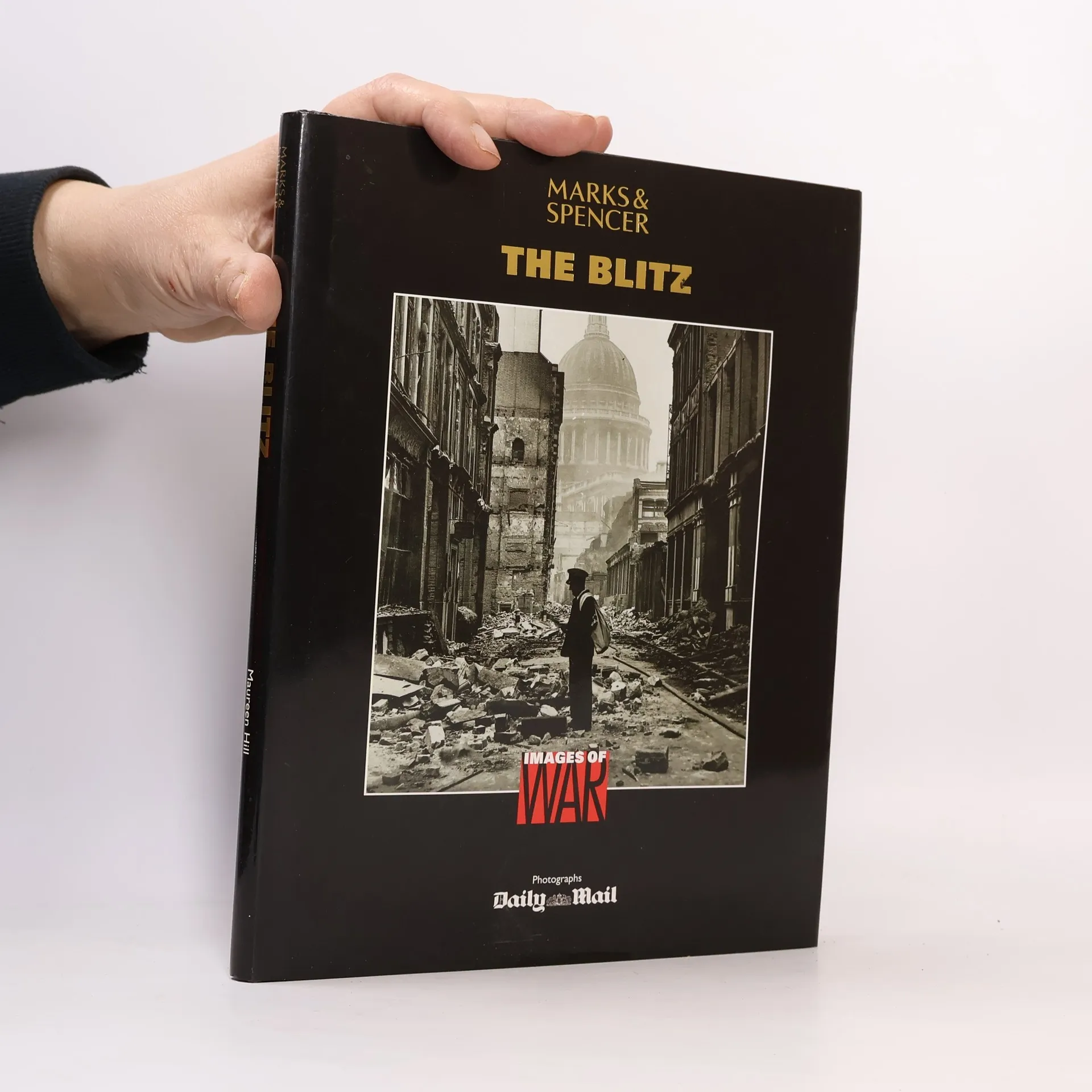
Images of War: The Blitz
- 95 Seiten
- 4 Lesestunden
On September 3, 1939, Britain listened as Prime Minister Neville Chamberlain announced that the nation was at war with Germany. This declaration followed months of escalating tensions and was triggered by Germany's invasion of Poland, which Britain had pledged to protect. The Second World War quickly engulfed much of Europe and evolved into a global conflict that profoundly impacted the lives of those who heard Chamberlain's words. Unlike previous wars, this conflict would see civilians directly involved in the war effort, facing not only the anxiety of loved ones at the front but also the harsh realities of life on the home front. Britain's geographical isolation offered some protection from invasion, yet it complicated the import of essential supplies for its sophisticated economy. Citizens had to adapt creatively to shortages, embracing the ethos of "make do and mend." The most daunting challenge, however, was the fear and destruction brought by aerial bombardment, a new and terrifying tactic of warfare. This collection presents restored photographs that capture the devastation of the Luftwaffe's assaults, while also highlighting the resilience and spirit of those who endured such extreme adversity.
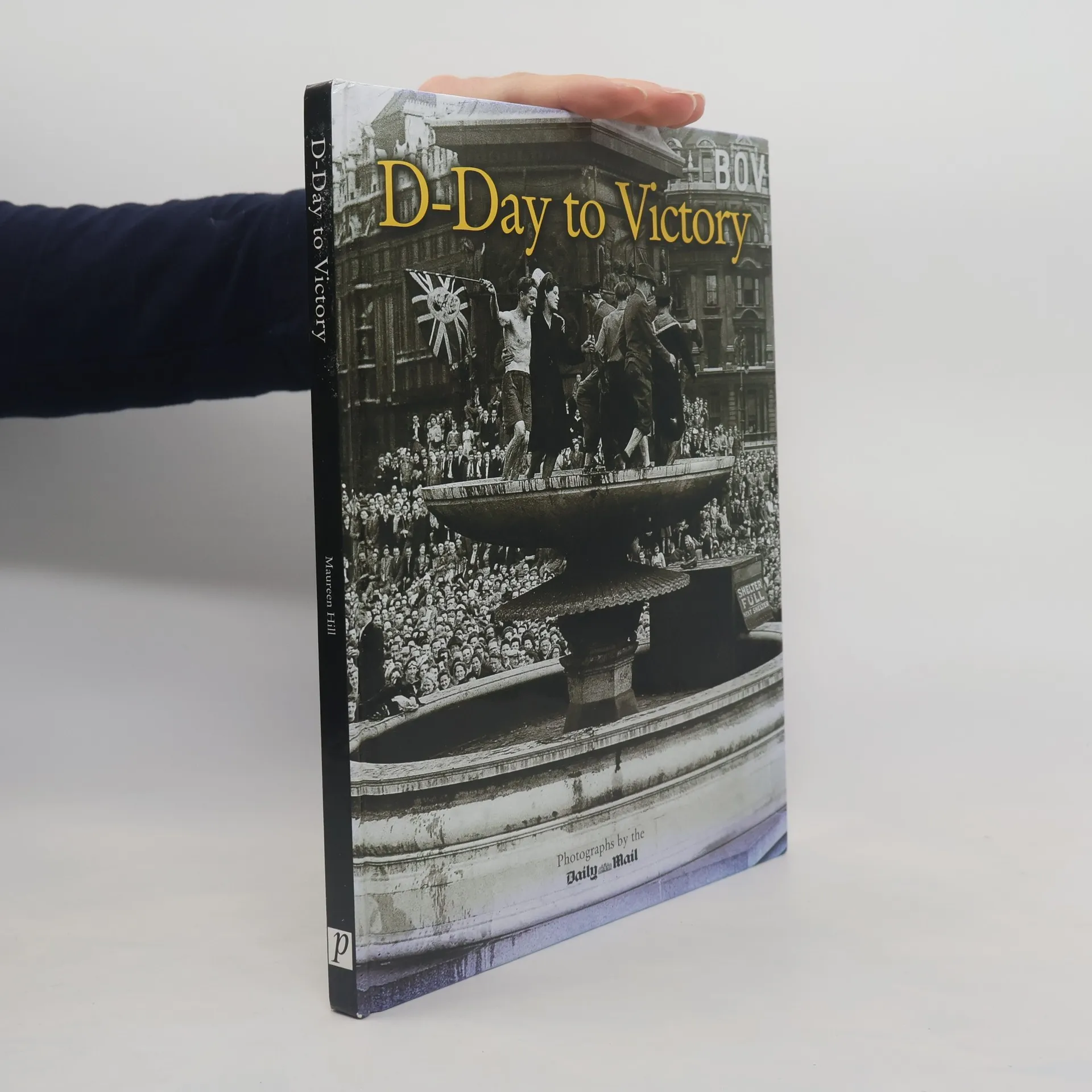
Glossy photo albumn of the campaign in Western Europe.
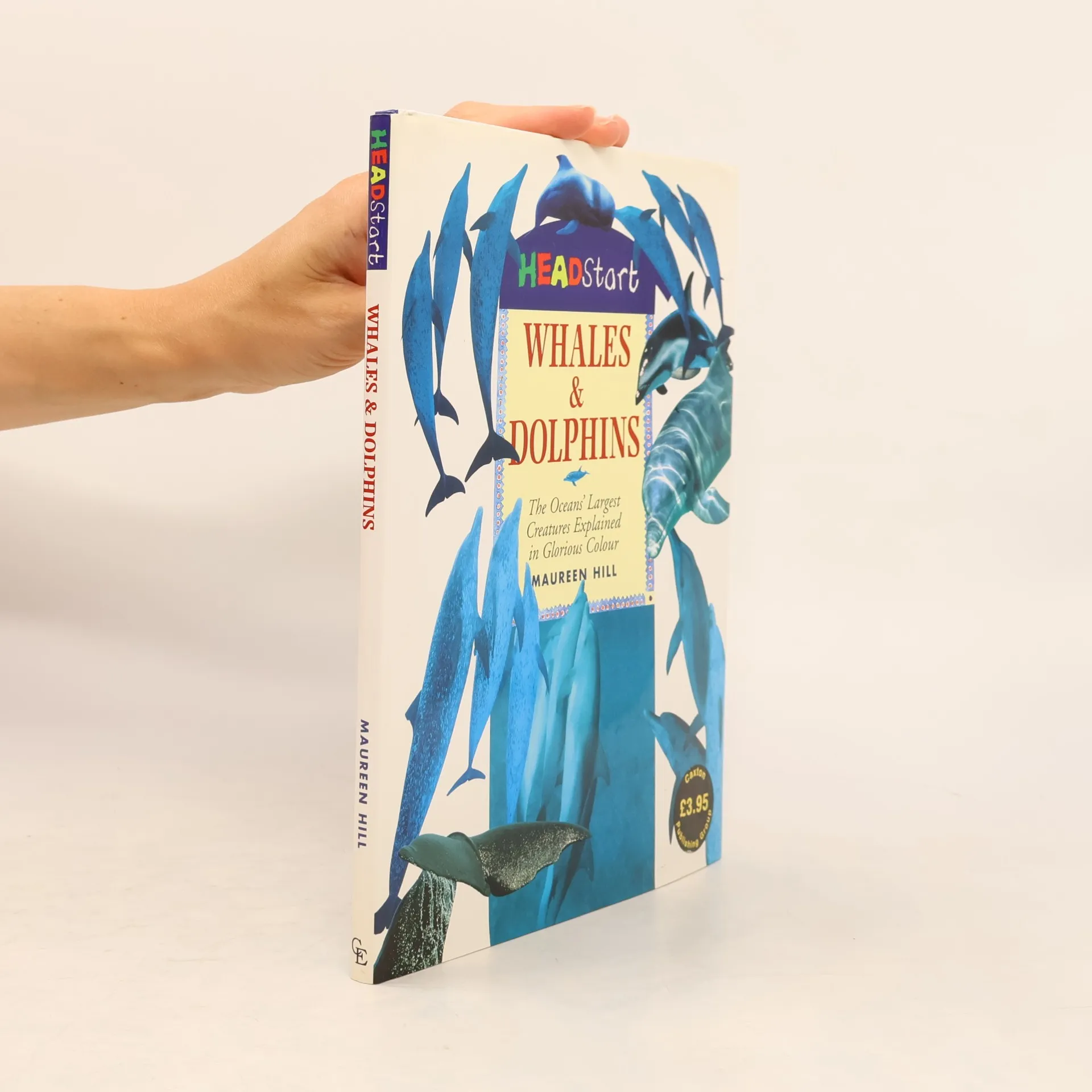
Headstart: Whales & Dolphins
- 48 Seiten
- 2 Lesestunden
Part of a new series of fun and educational reference books for children, Whales and Dolphins is a fascinating journey through the magical world of some of the ocean's largest inhabitants. This fascinating, informative and colourful guide explains the environment, characteristics and habits of these beautiful and intelligent creatures.
Images of War: The Home Front
- 96 Seiten
- 4 Lesestunden
Album fotografii Wielkiej Brytanii z czasów II wojny światowej opatrzony komentarzami.