Henry Wiencek Bücher
Henry Wiencek ist ein angesehener amerikanischer Historiker und Herausgeber, dessen Werk sich mit historisch bedeutender Architektur, den Gründervätern und verschiedenen Themen im Zusammenhang mit der Sklaverei befasst. Er ist besonders für seine aufschlussreichen Untersuchungen zu George Washington und der Sklaverei bekannt, die die komplexen Verbindungen zwischen historischen Persönlichkeiten und den von ihnen geprägten gesellschaftlichen Strukturen aufzeigen. Wienceks Schreibstil zeichnet sich durch sorgfältige Recherche und eine fesselnde Erzählweise aus, die die vielschichtigen Realitäten der Vergangenheit lebendig werden lässt.

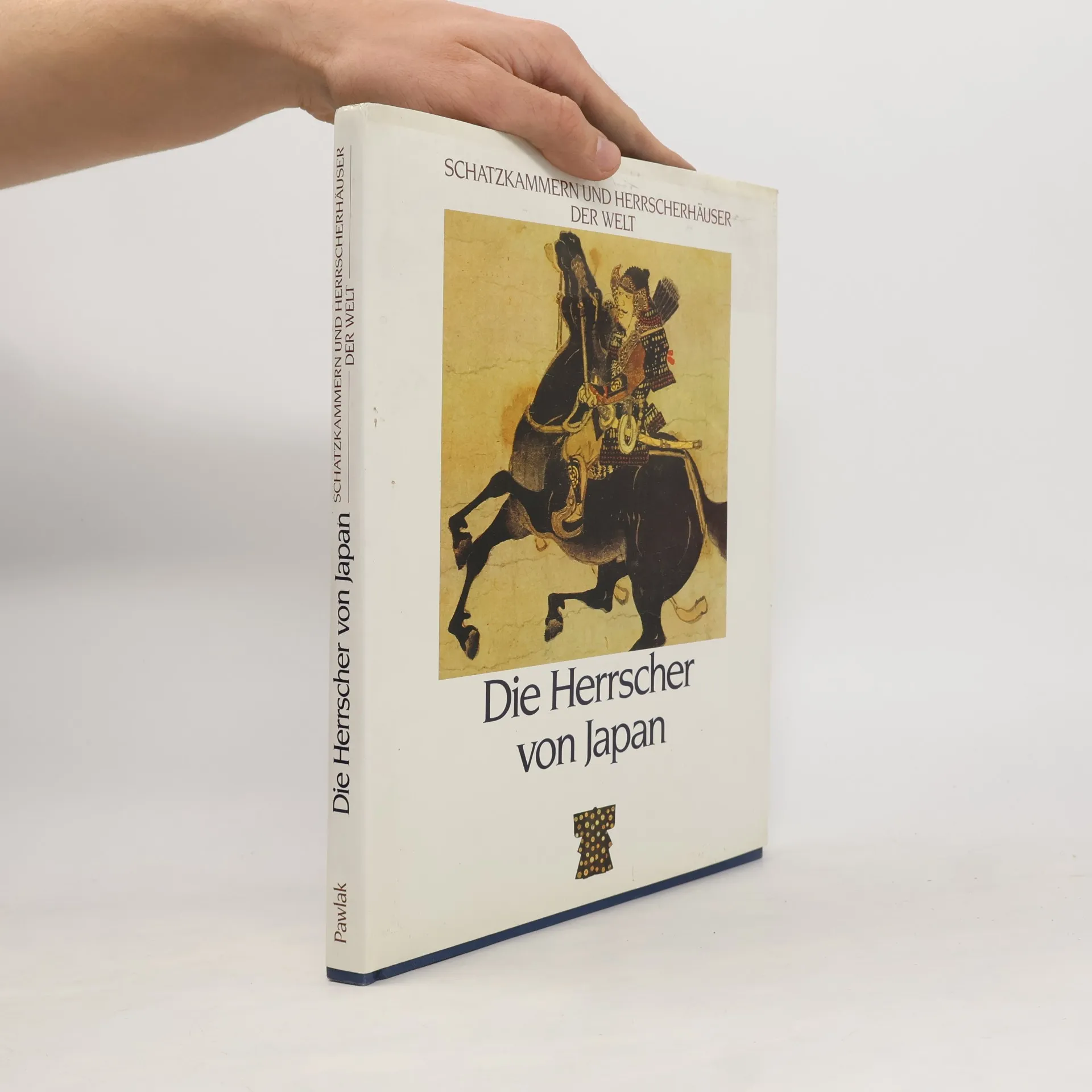
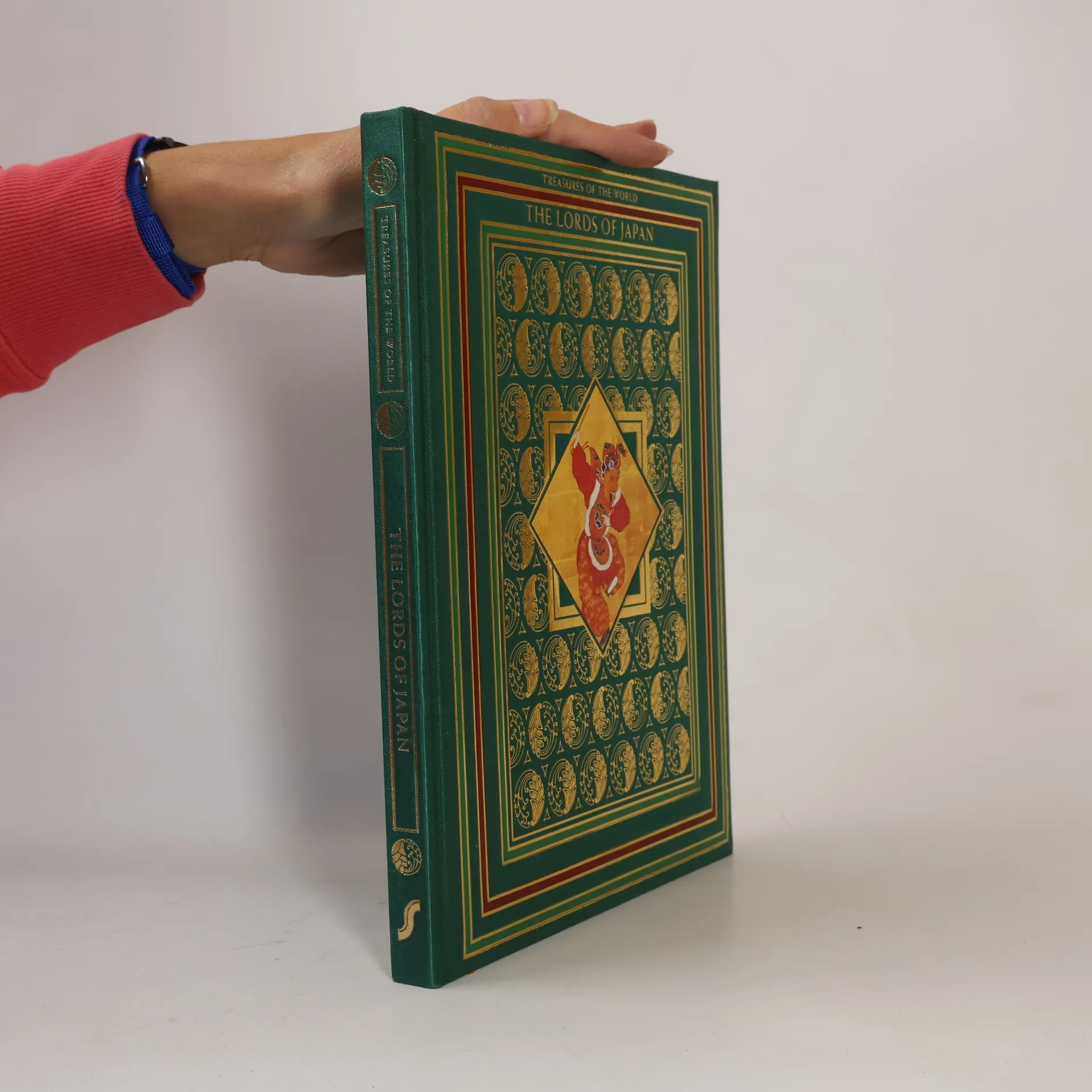
Die Herrscher von Japan
- 176 Seiten
- 7 Lesestunden
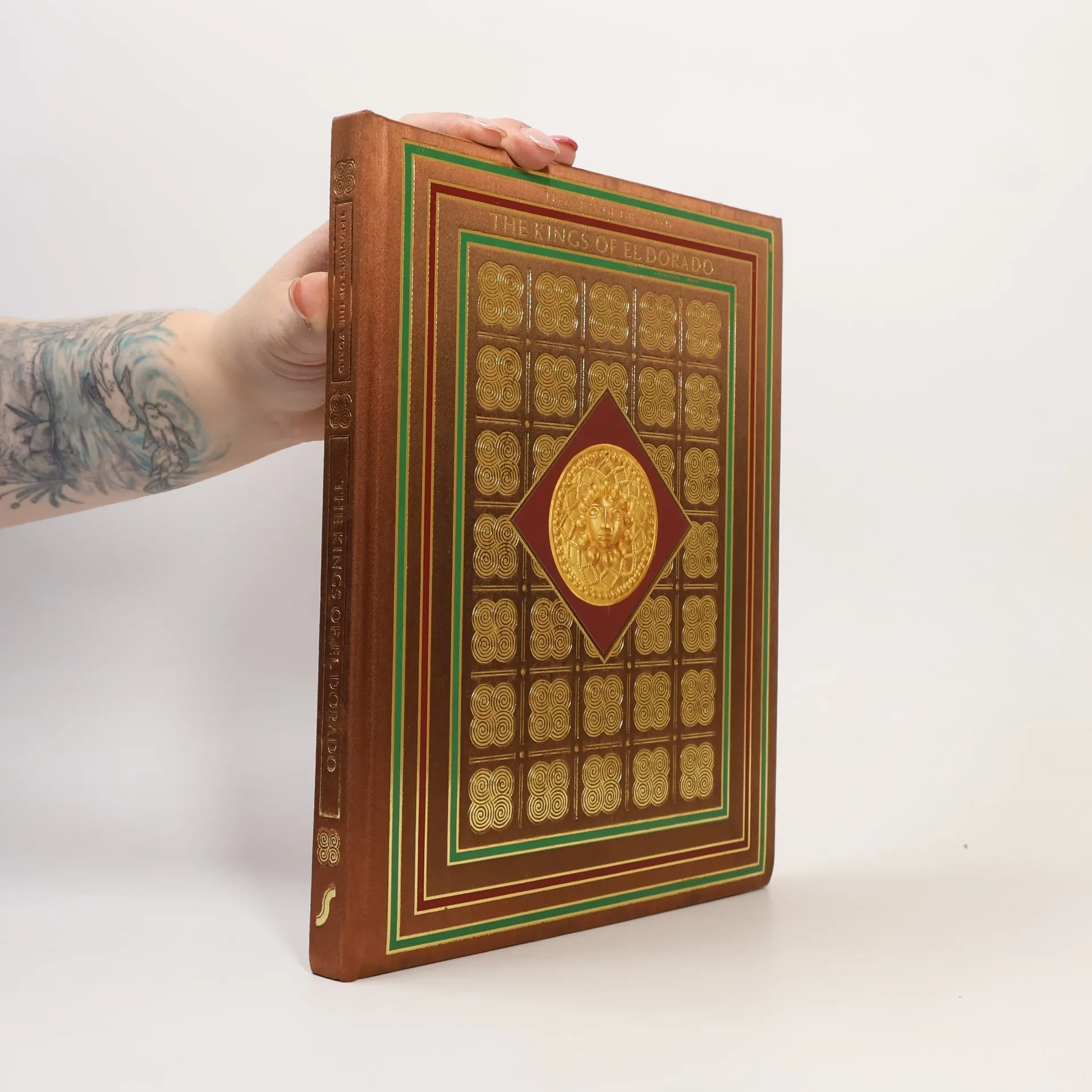
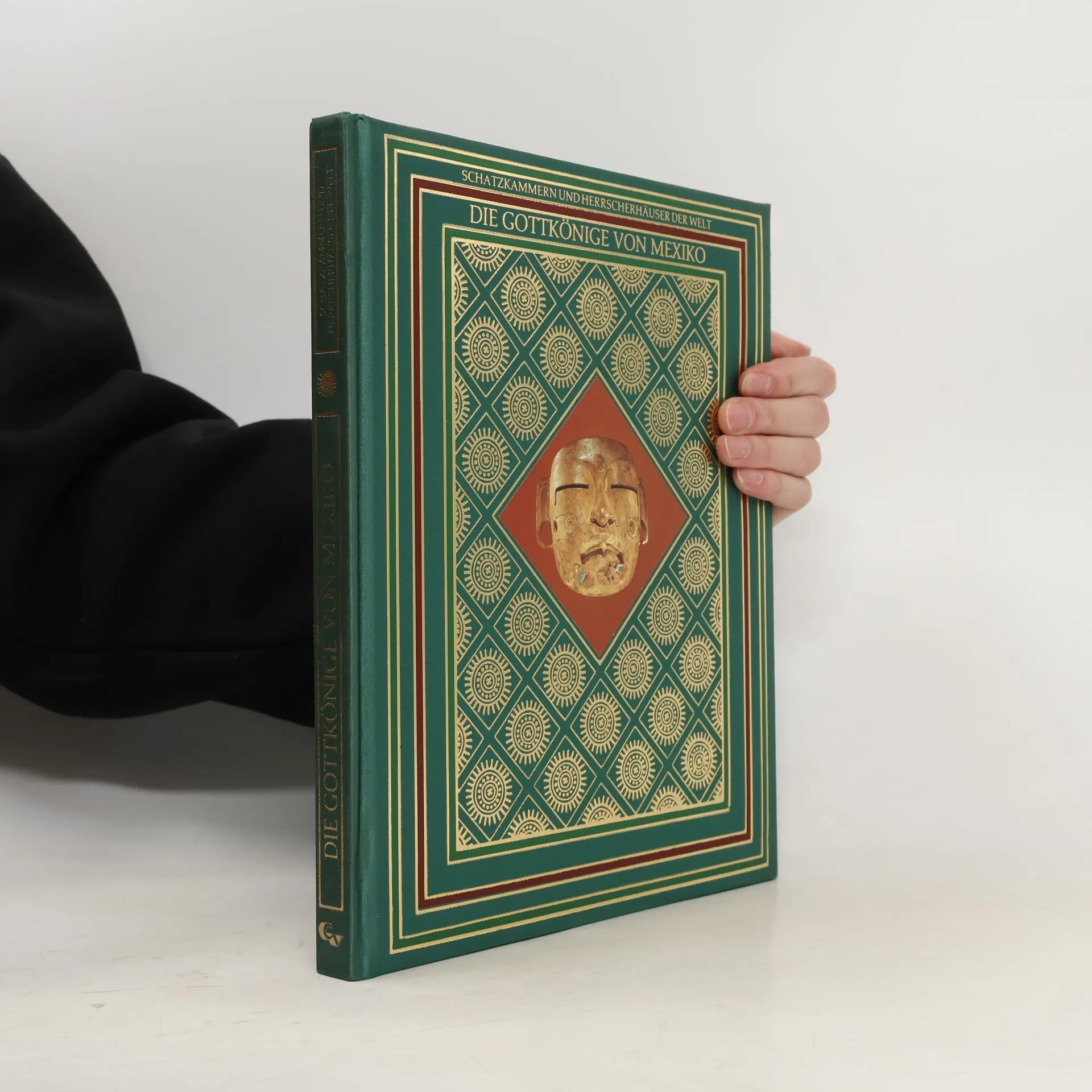
Die Gottkönige von Mexiko
- 176 Seiten
- 7 Lesestunden
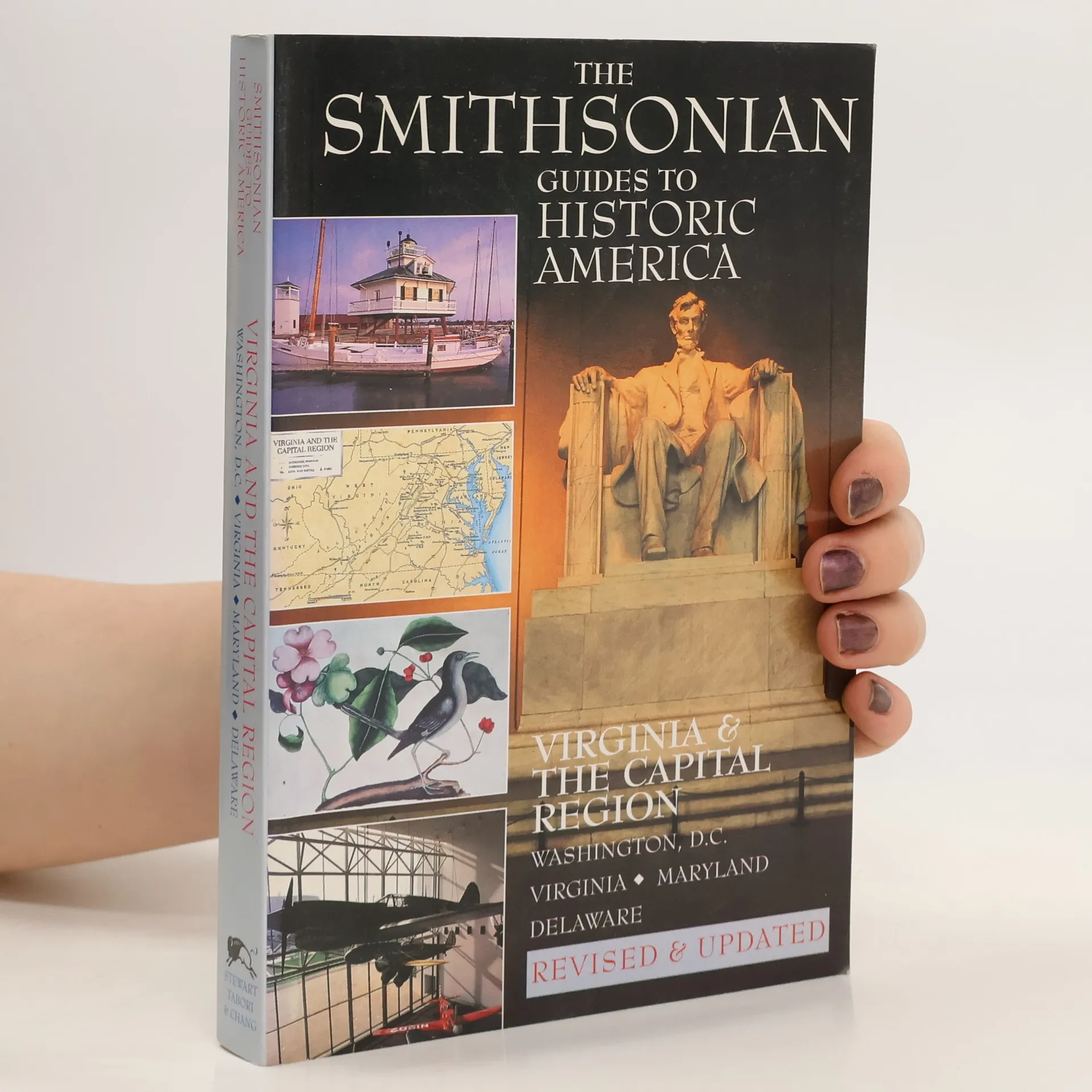
A beautifully illustrated guide to museums and historical sites in Connecticut, Rhode Island, and Massachusetts.
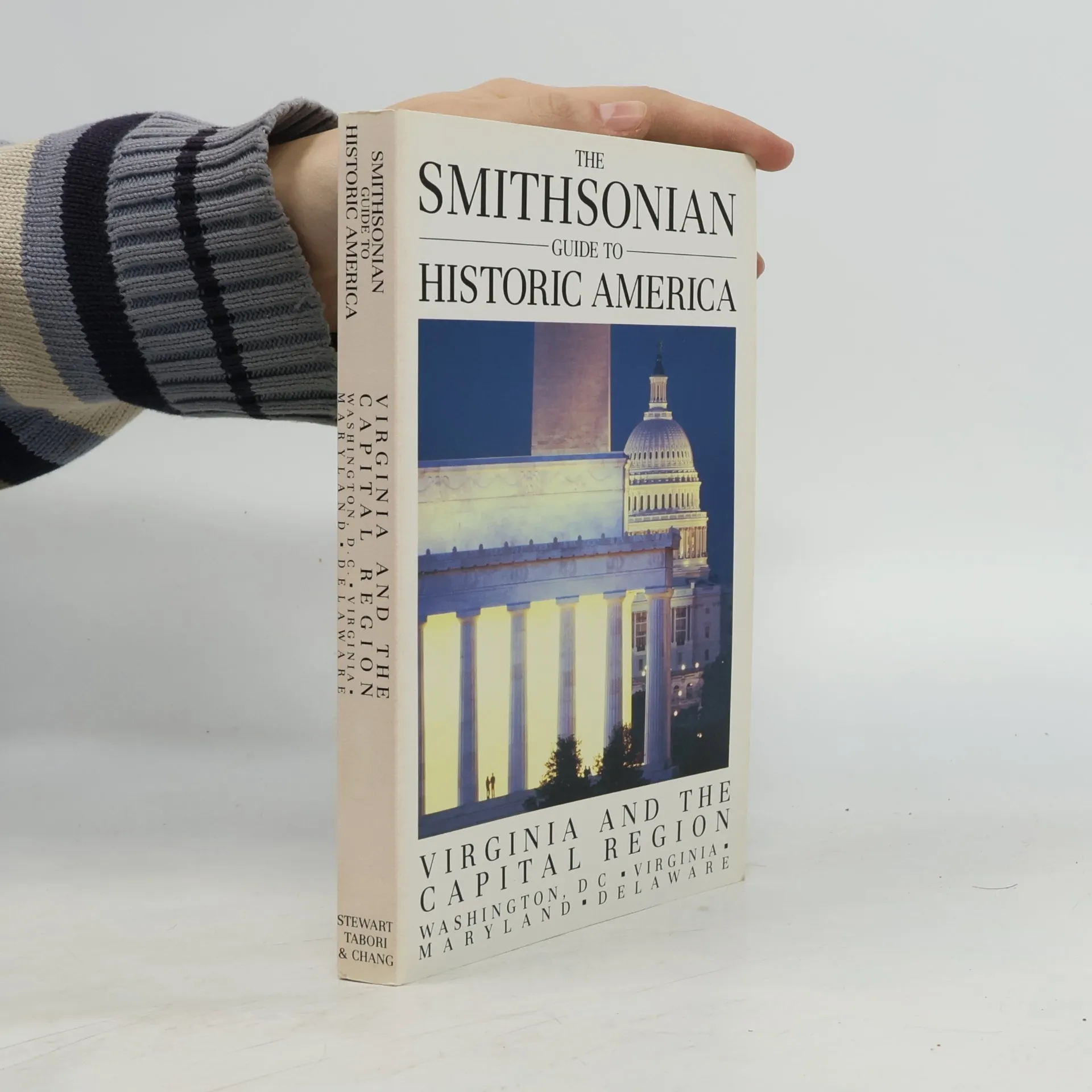
Covers Delaware, Maryland, Virginia, and Washington, D.C.
In the SMITHSONIAN GUIDES TO HISTORIC AMERICA series. Includes up-to-date site information, maps and colour illustrations of the region. The revised edition includes new sites and museums as well as being expanded to include other historic and cultural attractions.
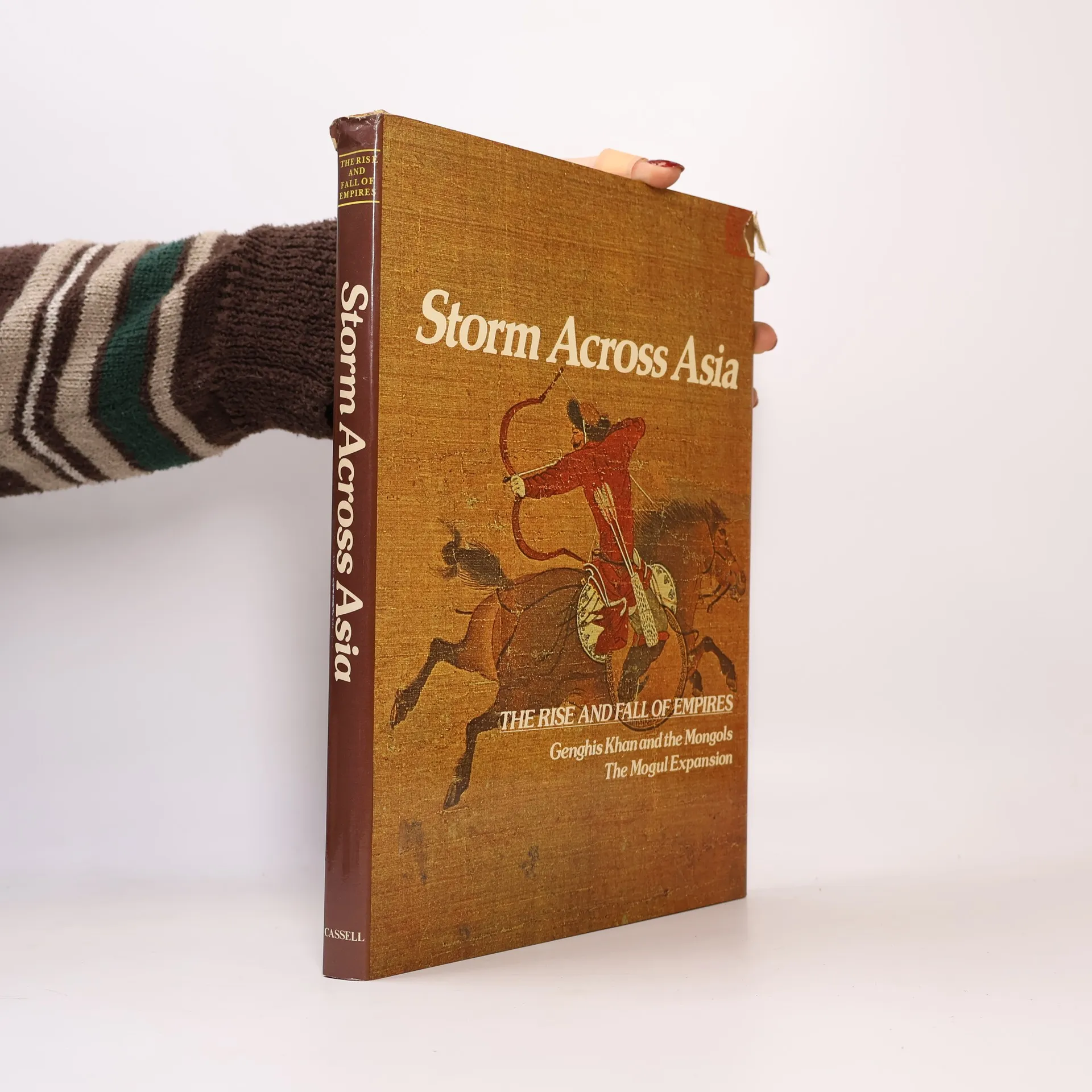
The Rise and Fall of Empires: Storm Across Asia
Genghis Khan and the Mongols, The Mogul Expansion
- 168 Seiten
- 6 Lesestunden
From its earliest beginnings thousands of years ago, the course of man’s progress has been measured by his empires. Large, dynamic flows of power, people, and culture that merge, thrive, then break apart - the pieces only to merge again in a new configuration, the process to be repeated. Through pictures and words, " Their Rise and Fall" brings the reader face to face with many of the world’s greatest empires. Full-color photographs are combined with an absorbing narrative in a lively historical account of each empire and an examination of the period’s most enduring cultural achievements. This volume in the series focuses on Genghis Khan and the Mongols, and on The Mogul Expansion. In the first half of the 13th Century, mention of the Mongol hordes - "the scourge of God" - struck fear in the hearts of all who knew them. They were considered the instrument of God's punishment for the sins of mankind; yet the legacy the Mongols bequeathed to India in literature, music, architecture and painting, remains one of the most notable accomplishments of any civilization.
The Lords of Japan
Treasures of the World
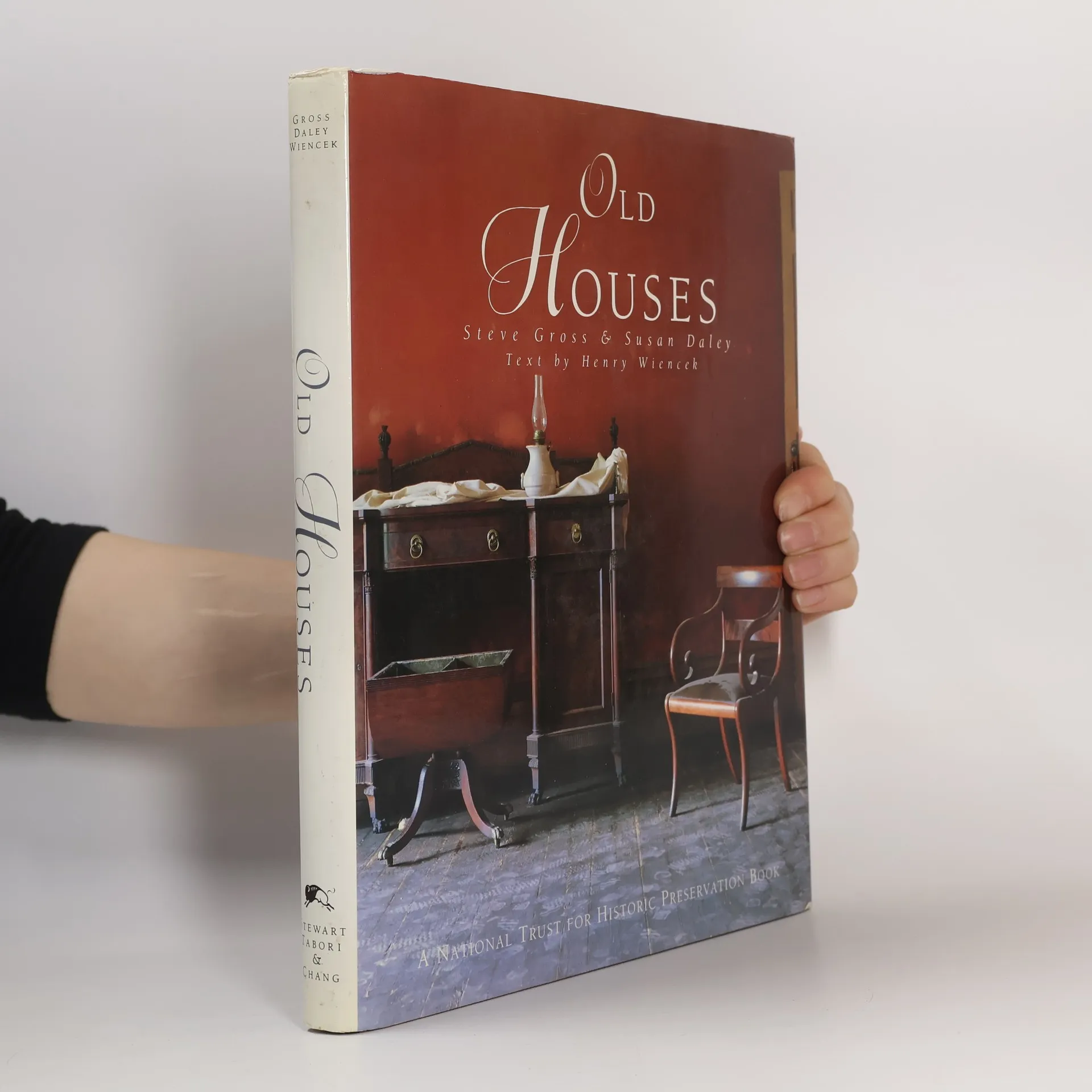
Old Houses
- 256 Seiten
- 9 Lesestunden
This book captures the beauty and history of 20 American houses that have survived the ravages of time. The dilapidated elegance imparted by old wallcoverings and faded or peeling paint, antique furniture in varying stages of repair and a respect for "how things were" is revealed in photographs. The visual impact of these houses is enhanced by text that explores the history of the architecture and "who" the houses are - the stories of the family dynasties, hauntings and elderly eccentrics who maintain the houses.
The Kings of El Dorado
- 176 Seiten
- 7 Lesestunden