

Gratis Versand ab € 14,99. Mehr Infos.
Bookbot

Allan Bloom

    14. September 1930 – 7. Oktober 1992

    Allan Bloom war ein amerikanischer Philosoph und Essayist, der für seine Befürwortung der "Great Books"-Bildung bekannt ist. Er wurde berühmt für seine Kritik am zeitgenössischen amerikanischen Hochschulwesen, die er in seinem Bestseller-Buch darlegte.

    Come and Hear - What I Saw in My Seven-and-a-Half-Year Journey through the Talmud
    Der Staat
    The Discarded Life
    The Blessing and the Curse
    The Revolt Against Humanity
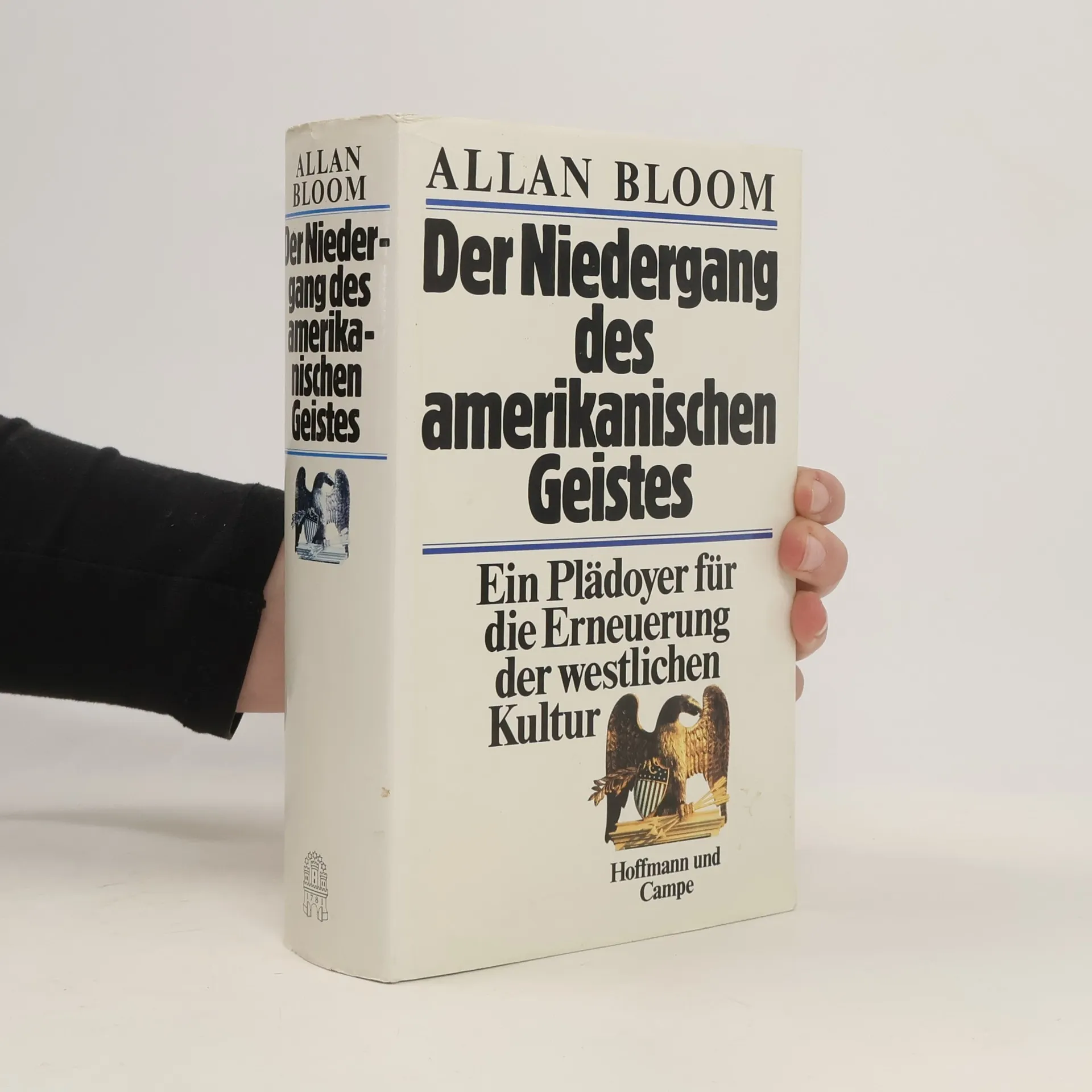
    Der Niedergang des amerikanischen Geistes
    • The Revolt Against Humanity

      • 104 Seiten
      • 4 Lesestunden

      "From Silicon Valley boardrooms to rural communes to academic philosophy departments, a seemingly inconceivable idea is being seriously discussed: that the end of humanity's reign on earth is imminent, and that we should welcome it"--

      The Revolt Against Humanity
      4,9
    • The Blessing and the Curse

      • 304 Seiten
      • 11 Lesestunden

      An erudite and accessible survey of Jewish life and culture in the twentieth century, as reflected in seminal texts.

      The Blessing and the Curse
      4,6
    • The Discarded Life

      • 56 Seiten
      • 2 Lesestunden

      A collection of moving and meditative poems that richly evoke a Gen X childhood in Los Angeles, exploring how our early recognitions shape our lives.

      The Discarded Life
      3,0
    • Der Staat

      • 519 Seiten
      • 19 Lesestunden

      Gerechtigkeit und Staatswesen Unter den Dialogen Platons hat kein zweiter so große Wirkungen entfaltet wie »Der Staat«. Platon, aufgewachsen zur Zeit des Peloponnesischen Krieges, der Athen in schwere innenpolitische Krisen warf, hatte sich bereits in seinen ersten Schriften mit Problemen des Staatswesens befasst. Um 370 v. Chr. schrieb er dann jenes große, alle Aspekte seines Denkens umfassende Buch, dem er den Namen »Politeia« gab. Ausgehend von der Frage, was Gerechtigkeit sei und wie sie verwirklicht werden könne, entwirft er darin ein Staatsgebäude, in dessen Mittelpunkt ein Programm politisch-philosophischer Erziehung steht: jene Hinführung zur Idee des Guten, die im »Höhlengleichnis« ihre berühmteste Darstellung gefunden hat. »Der Staat« ist zugleich eine der streitbarsten Schriften dieses Philosophen. Sie enthält heftige Angriffe auf Rhetorik und Sophistik, außerdem die radikalste und folgenreichste Kritik der Kunst, die es in Europa je gegeben hat. »Wenn nicht entweder die Philosophen Könige werden oder die, die man heute Könige und Machthaber nennt, echte und gründliche Philosophen, und wenn dies nicht in eines zusammenfällt, so wird es mit dem Elend kein Ende haben, nicht für die Staaten und auch nicht, meine ich, für das menschliche Geschlecht.«

      Der Staat
      4,1
    • Jacob El Hanani

      • 120 Seiten
      • 5 Lesestunden

      The recent work of this New York-based artist who works with extraordinary painterly and calligraphic artistic detail.

      Jacob El Hanani
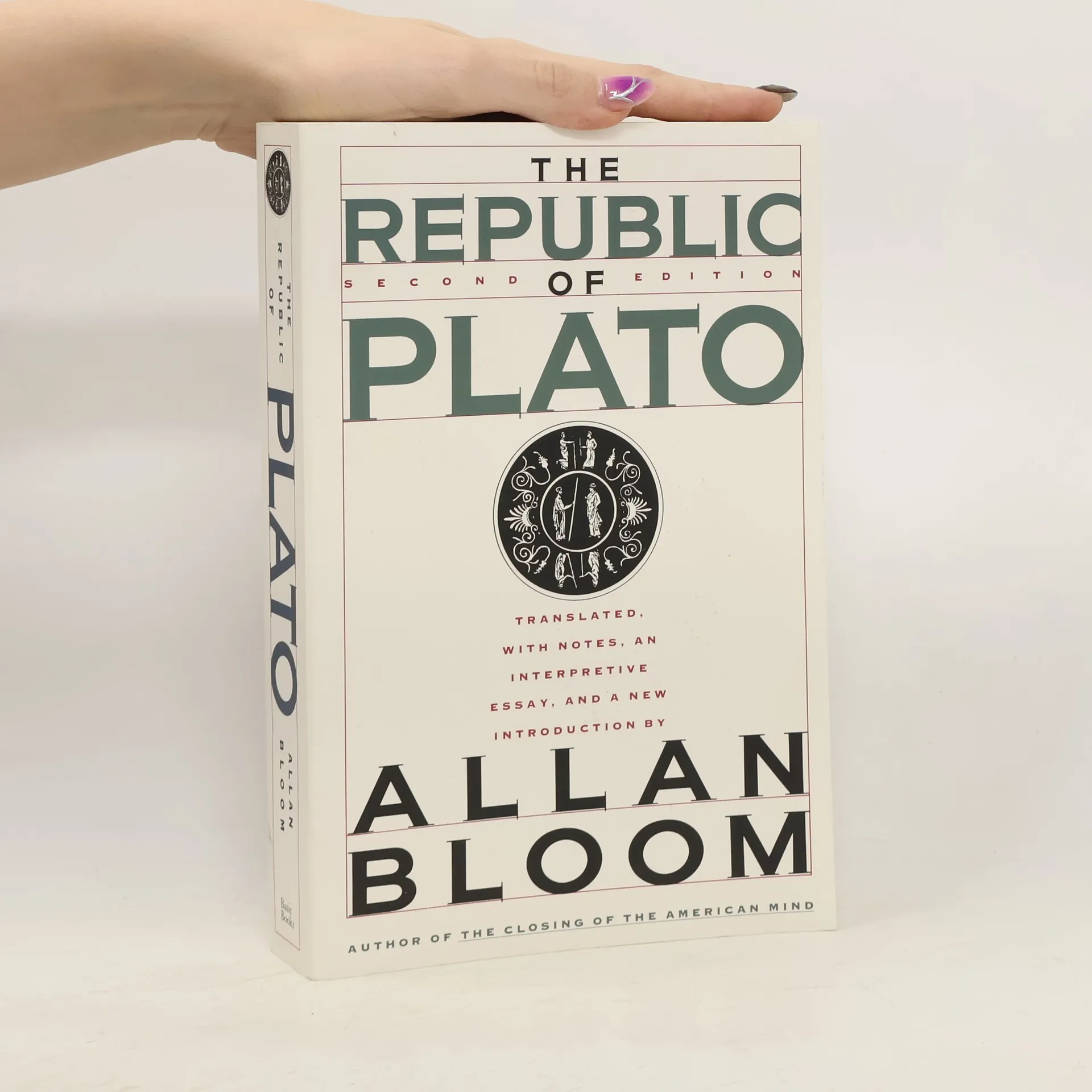
    • Long regarded as the most accurate rendering of Plato's Republic that has yet been published, this widely acclaimed work is the first strictly literal translation of a timeless classic. This second edition includes a new introduction by Professor Bloom, whose careful translation and interpretation of The Republic was first published in 1968. In addition to the corrected text itself there is also a rich and valuable essay—as well as indexes—which will better enable the reader to approach the heart of Plato's intention.

      The Republic of Plato
    • This volume brings together Seth Benardete’s studies of Hesiod, Homer, and Greek tragedy, eleven Platonic dialogues, and Aristotle’s Metaphysics. The Argument of the Action spans four decades of Seth Benardete’s work, documenting its impressive range. Benardete’s philosophic reading of the poets and his poetic reading of the philosophers share a common ground, guided by the key he found in the Platonic dialogue: probing the meaning of speeches embedded in deeds, he uncovers the unifying intention of the work by tracing the way it unfolds through a movement of its own. Benardete’s original interpretations of the classics are the fruit of this discovery of the “argument of the action.”

      The Argument of the Action