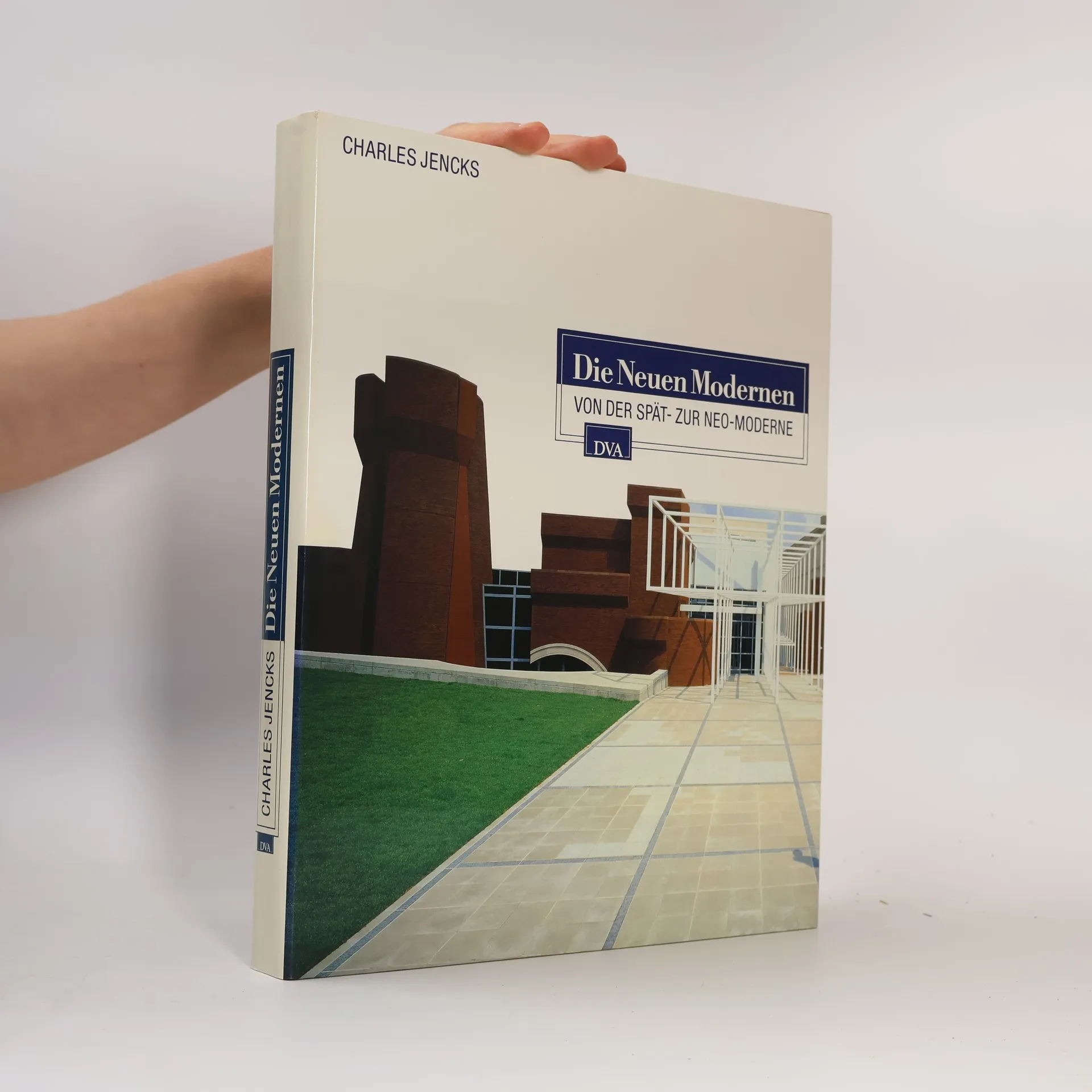
Die neuen Modernen
- 299 Seiten
- 11 Lesestunden


Charles Alexander Jencks ist ein amerikanischer Architekturtheoretiker und -kritiker, Landschaftsarchitekt und Designer. Seine Werke zur Geschichte und Kritik von Modernismus und Postmodernismus werden in Architektenkreisen weithin gelesen. Er konzentriert sich auf die Analyse von Architekturstilen und deren kulturellen Auswirkungen. Sein Ansatz im Design, beeinflusst durch das Studium bei einflussreichen Historikern, spiegelt sich in seinen Landschaftsskulpturen wider.

Die Entstehung einer alternativen Tradition
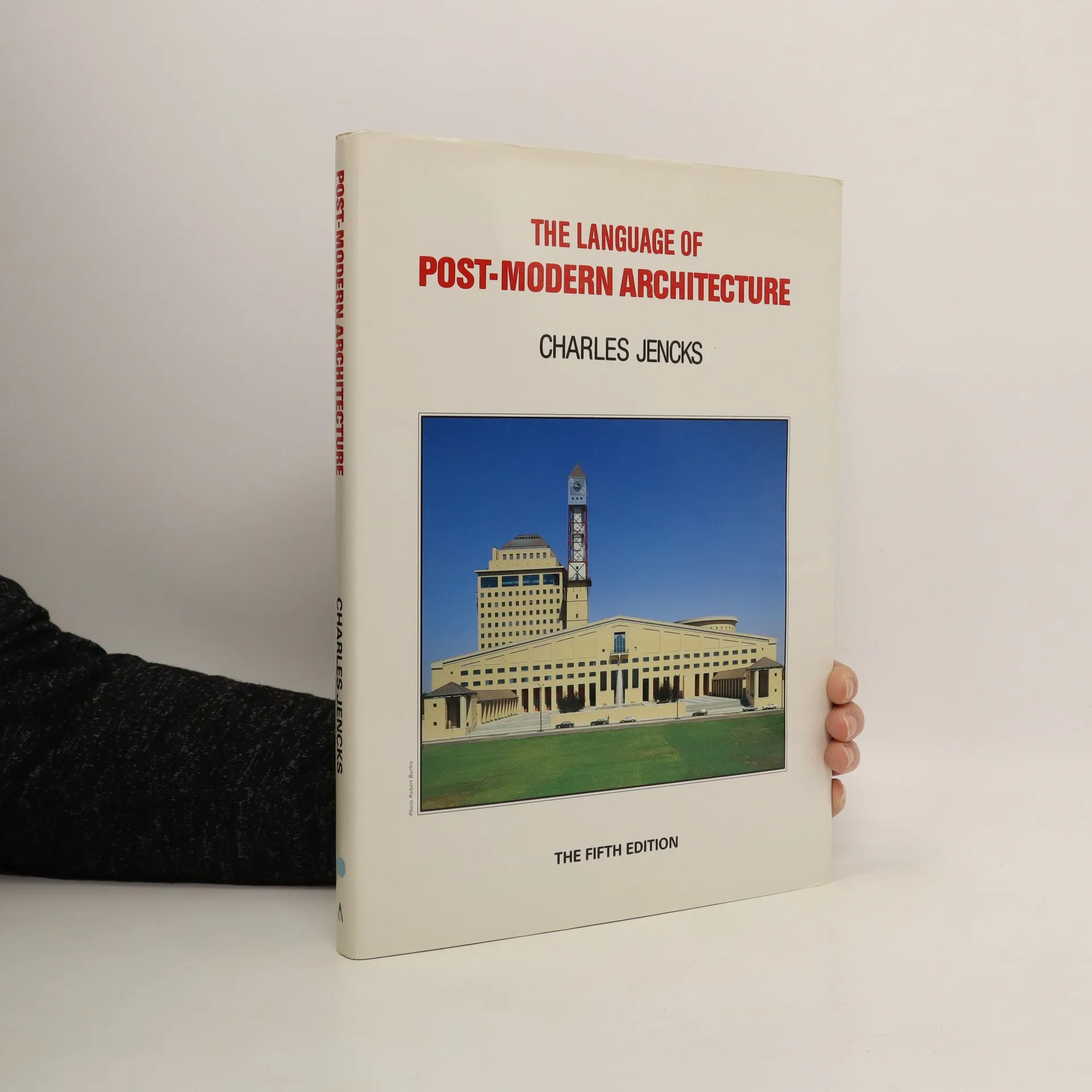
In The Story of Post-Modernism, Charles Jencks, the authority on Post-Modern architecture and culture, provides the defining account of Post-Modern architecture from its earliest roots in the early 60s to the present day.
Traces the modern architect's career, and examines his view of truth and the human condition as evidenced in his architectural designs, paintings, and writings.
When this book first appeared in 1972, it heralded a new era in architecture and design, moving beyond the rigid doctrines of modernism. Charles Jencks and Nathan Silver presented a manifesto for a generation that embraced improvisation and resourcefulness to tackle real-world challenges. The book quickly became a DIY guide for disillusioned citizens of the 1970s, introducing the term "adhocism" into the design lexicon and establishing it as a cult classic. Now re-released, it includes new reflections by Jencks and Silver on four decades of adhocism, along with fresh illustrations highlighting its ongoing relevance. Adhocism has always existed, exemplified by figures like Robinson Crusoe, who improvised tools from his surroundings. As a design principle, it encourages everyday creativity—transforming a bottle into a candleholder or a tractor seat into a chair. More broadly, adhocism influences various activities, from play to architecture and political movements. Engagingly written and richly illustrated with examples from diverse fields, the book advocates for a focus on practical solutions over strict adherence to rules, emphasizing that problem-solving often arises from trial and error rather than sudden insights.
a polemic : how complexity science is changing architecture and culture
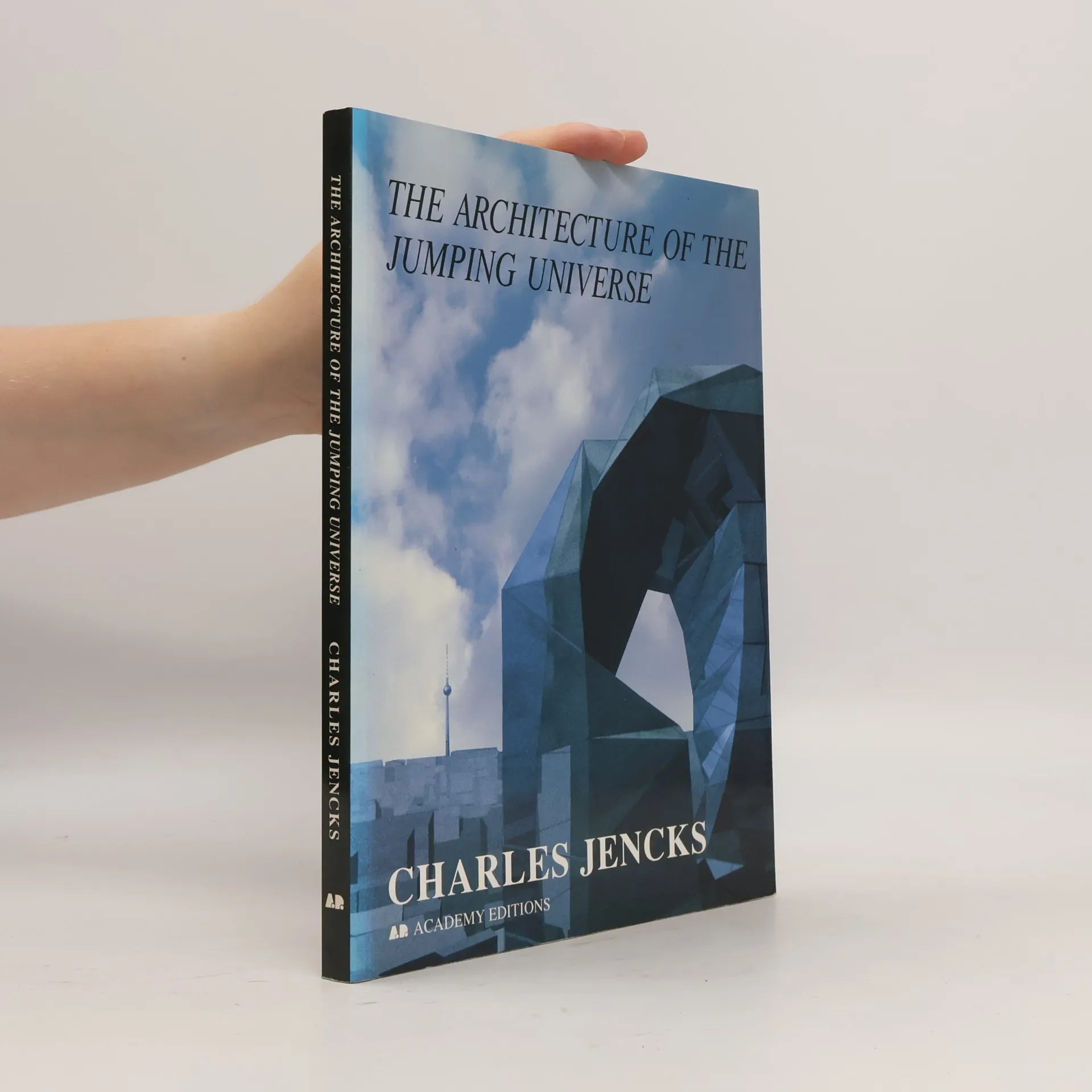
This text discusses the basic ideas of complexity and chaos theories and presents many examples of architecture based on these ideas in the work of leading architects - Peter Eisenman, Frank Gehry, Renzo Piano, Charles Correa and Itsuko Hasegawa - along with ecological and organic designs. Charles Jenck's own recent work is used to illustrate concepts in physics and an architecture based on waves and twists. This work both advocates and criticizes as it seeks to define a new direction for the contemporary arts.
This book tells the story of one of the most important gardens in Europe, created by the architectural critic and designer Charles Jencks and his late wife, the landscape architect and author Maggie Keswick. The Garden of Cosmic Speculation is a landscape that celebrates the new sciences of complexity and chaos theory and consists of a series of metaphors exploring the origins, the destiny and the substance of the Universe. The book is illustrated with year-round photography, bringing the garden's many dimensions vividly to life.
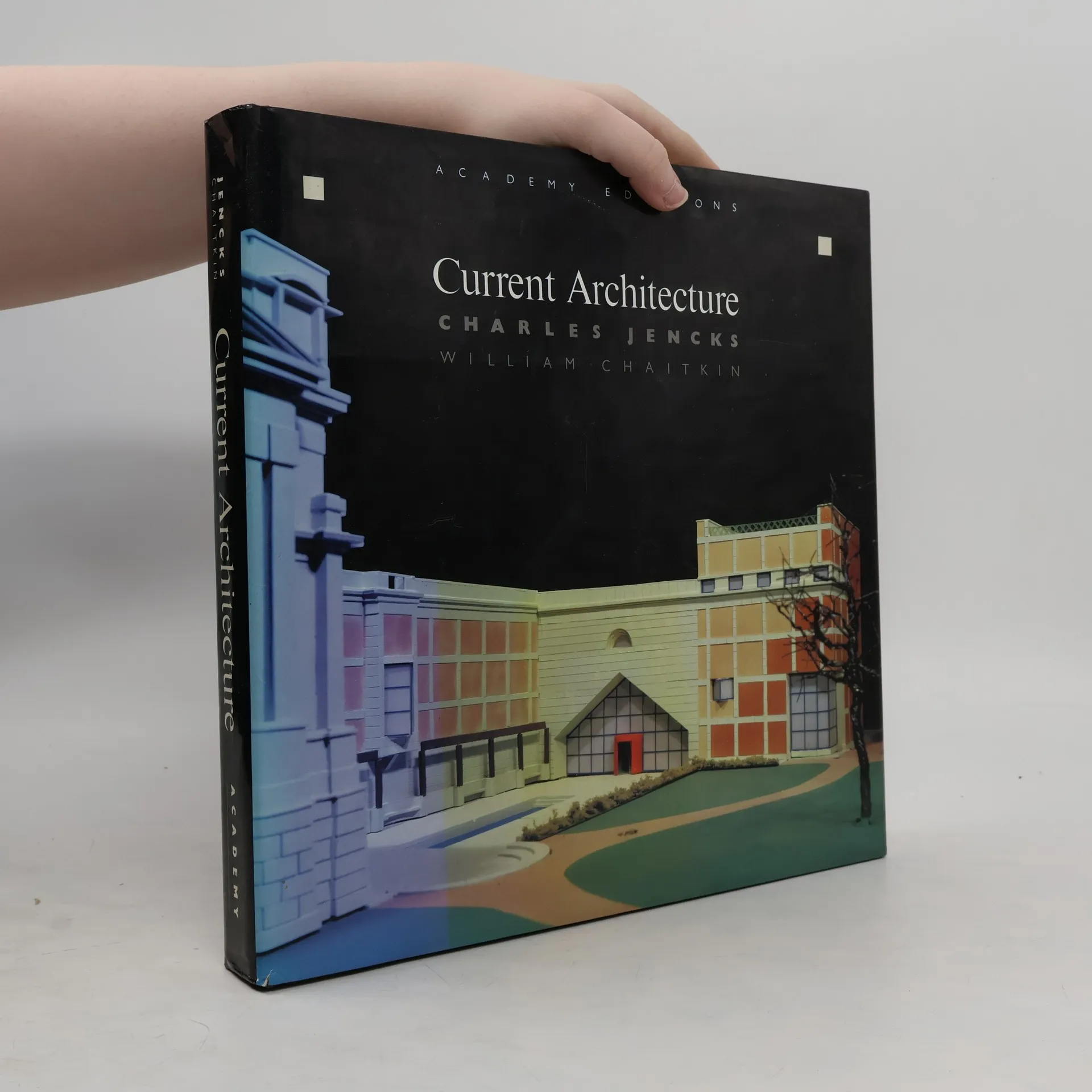
"The New Paradigm in Architecture tells the story of a movement that has changed the face of architecture over the last forty years. Starting with the counter culture of the 1960s and the call for a complex urbanism by Jane Jacobs and a complex architecture by Robert Venturi, it shows how such demands started to be realised by the 1990s, aided by computer design. Often curved, warped and fractal in shape, it is more convivial, sensuous and articulate than the modern architecture it challenges. Carried forward by architects such as Frank Gehry, Daniel Libeskind and Peter Eisenman, it has also become a leading approach in many schools and offices around the world. The computer is now at its heart but its history, which Charles Jencks traces, is built on the desire for an architecture that communicates with its users, and one based on the heterogeneity of our cities and global culture." "The New Paradigm in Architecture shows the key projects defining Post-Modernism and concentrates on the major protagonists, Robert Venturi, James Stirling, Mans Hollein, Aldo Rossi, Rem Koolhaas, Peter Eisenman, Daniel Libeskind and Frank Gehry." The book is comprehensively illustrated with over 390 photographs, plans, diagrams and evolutionary trees describing the major trends.
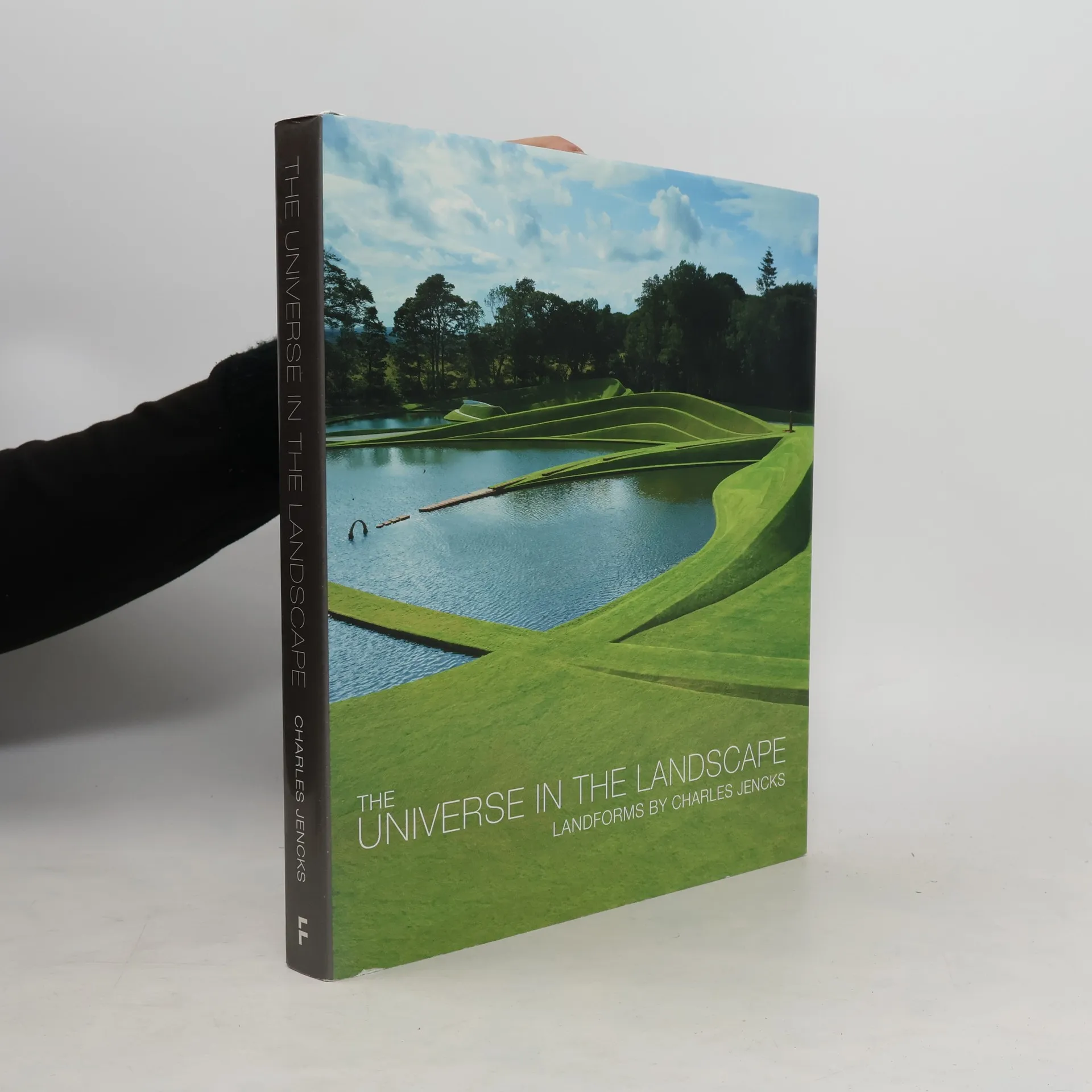
Landforms are a rapidly evolving art form, celebrated for their beauty and diverse applications. Often created from necessity—like repurposing coal sites or utilizing excess earth—these landscapes invite exploration. In this collection, Charles Jencks shares his unique perspective on landforms, drawing inspiration from Britain's prehistoric earthworks, such as Stonehenge. His works embody cosmic symbolism and integrate elements like sculpture, water, gardens, and architecture, addressing themes of identity, nature, death, and life's power through a contemporary lens informed by scientific insights. Jencks's designs also include poignant commentary, such as a water garden critiquing the 2003 Iraq invasion with interactive features like 'waterpults' and 'hose-guns.' Another installation—a white garden of birch trees and computer graphics—explores modernity's fatal consequences. With humor and irony, he examines the implications of large-scale landforms, exemplified by Northumberlandia, the largest human figure ever created, prompting questions about which parts are safe to traverse. This sequel to The Garden of Cosmic Speculation aims to establish a new landscape iconography, reflecting eternal forms and themes that resonate with nature's laws. Jencks connects spiritual quests from history with scientific perspectives, revealing the underlying patterns that unify our planet and the cosmos within a landscape.
De-confusing and Re-constructing the Postmodern World
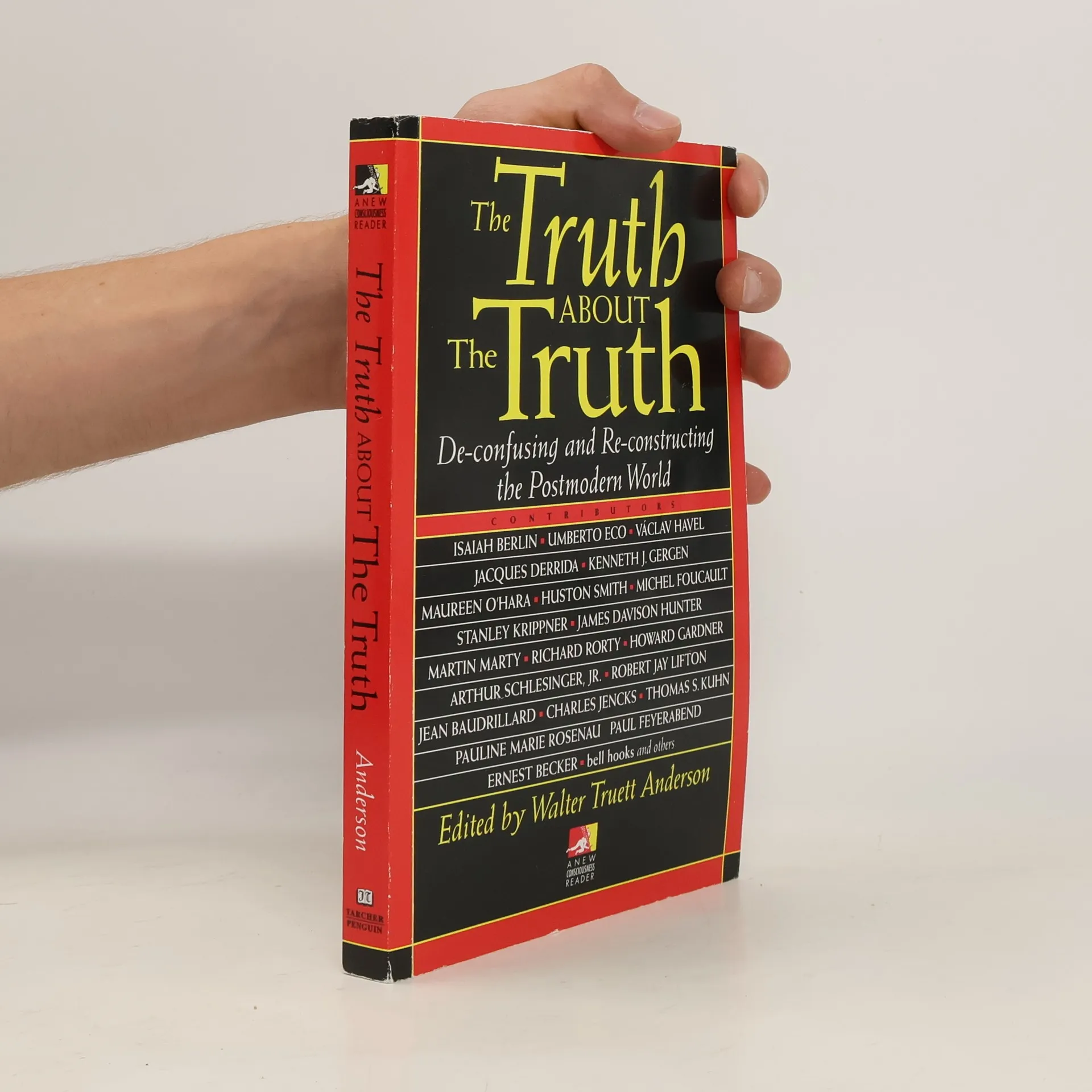
Includes essays and excerpts from the works of prominent modern thinkers such as Umberto Eco, Jacques Derrida, and Isaiah Berlin among others.
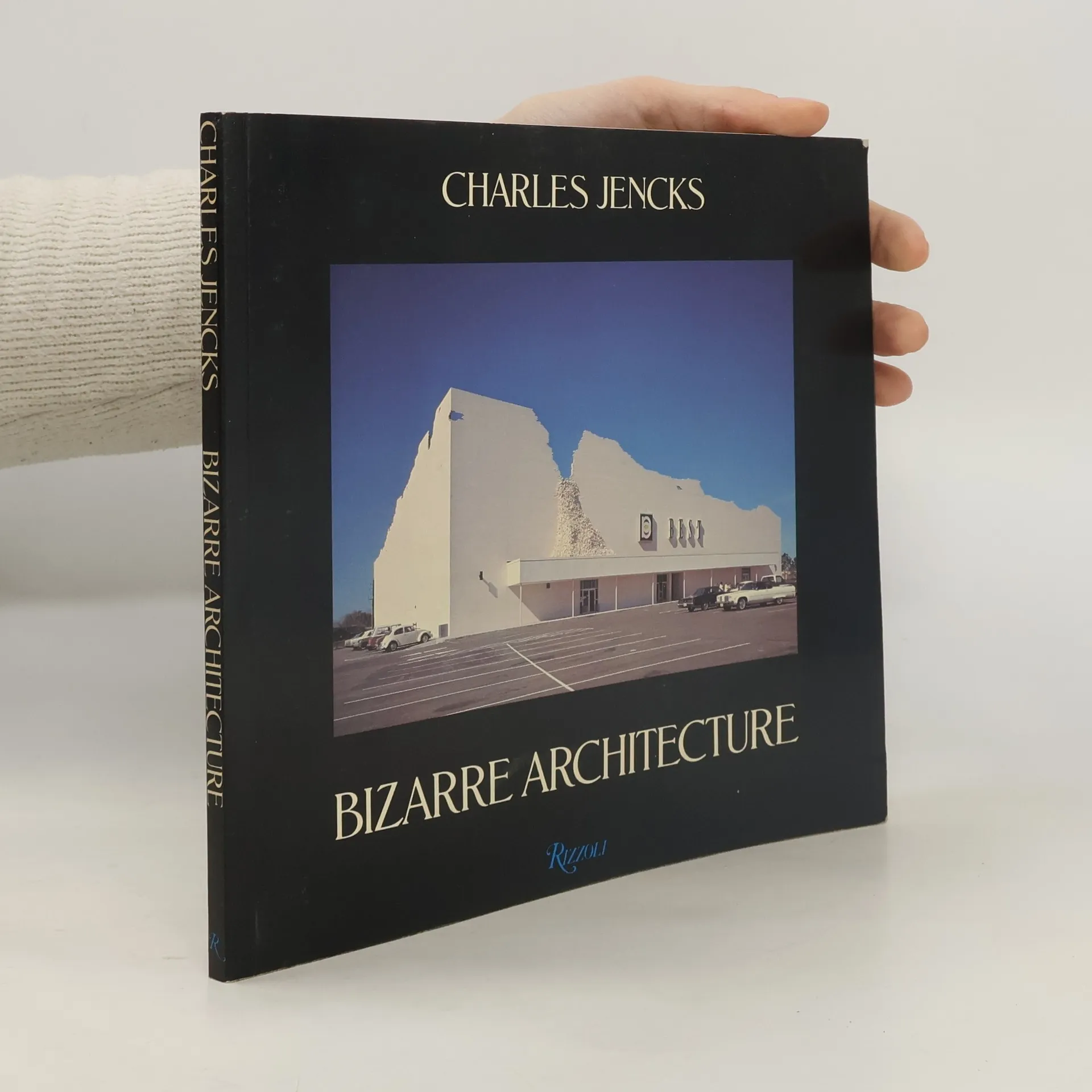
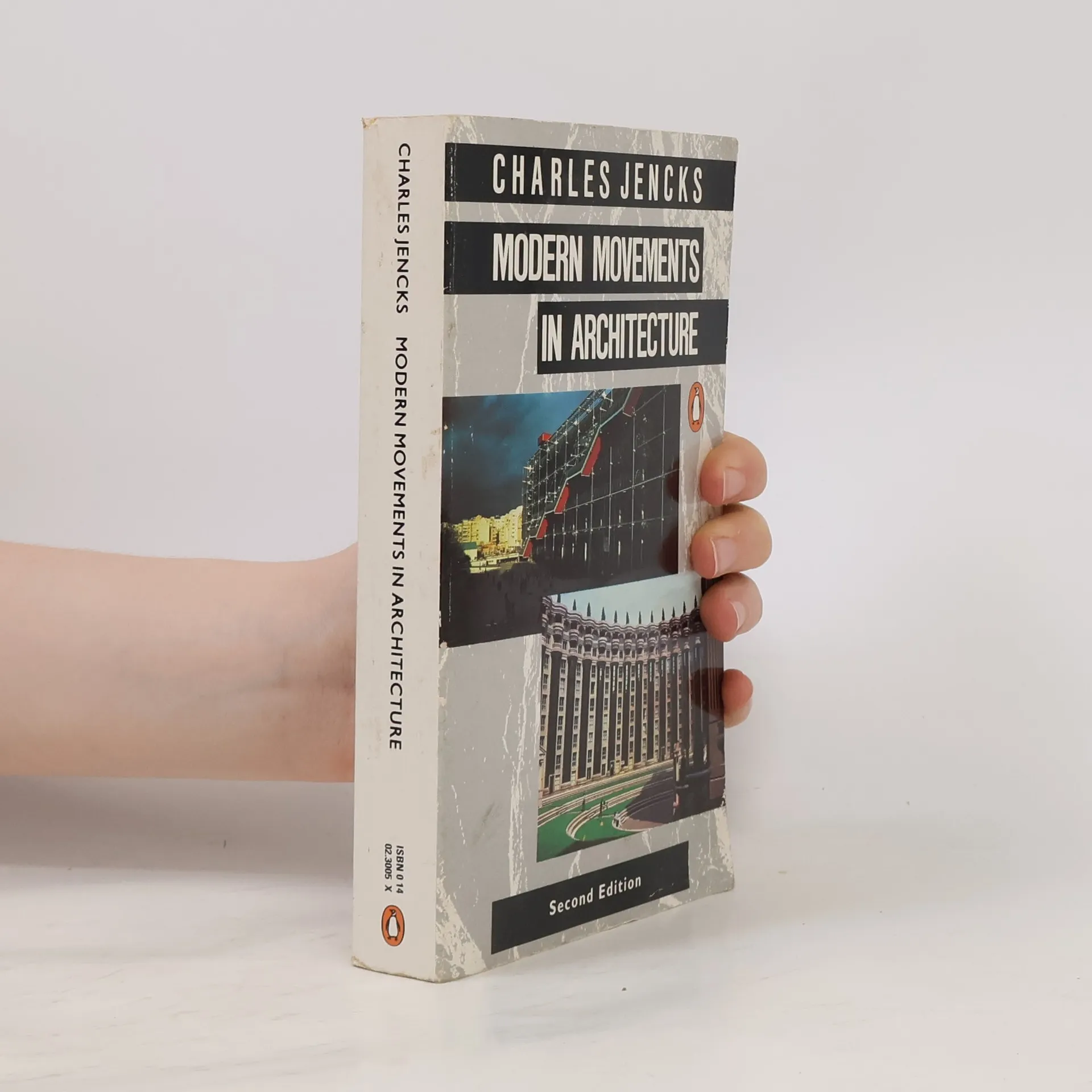
This introduction to modern architecture, from 1920 to the present, includes a section on late- and post-modernism. The book describes a critical point in the history of modern architecture.
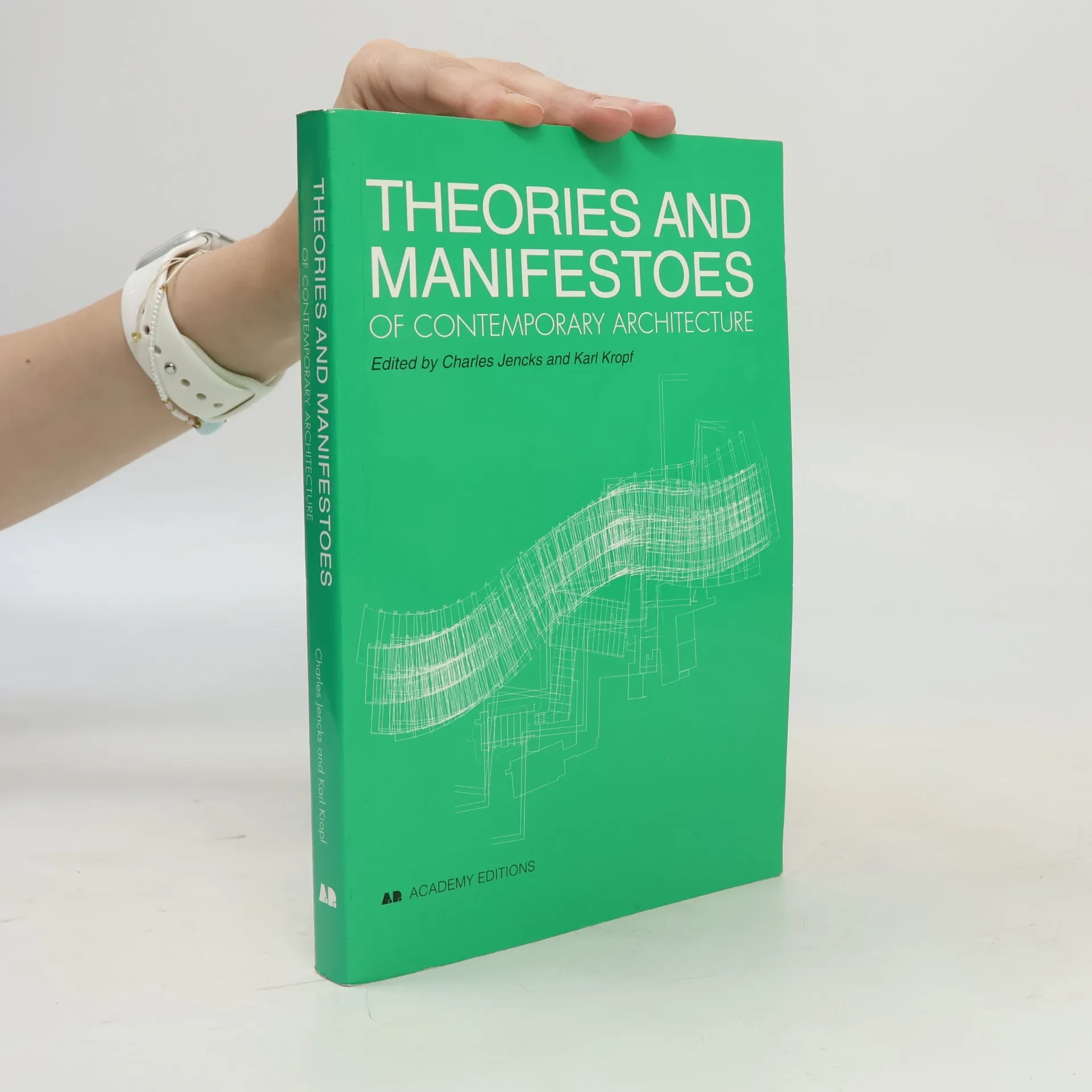
The last forty years have witnessed a surge of theories and manifestoes exploring architecture's language, evolution, and social relevance. Amid numerous 'crises in architecture' and pressing urban and ecological issues, Modernism has faced extensive critique and transformation, leading to a dynamic period of architectural thought and production. This anthology, edited by Charles Jencks and Karl Kropf, compiles key texts that encapsulate these shifts. It serves as an essential resource for students and practitioners, presenting over 120 pivotal arguments from contemporary architectural philosophers and theorists. The anthology reveals that early 21st-century Modern architecture has evolved into three primary traditions: critical and ecological Post-Modernism, High-Tech and sculptural Late Modernism, and deconstructive New Modernism. It includes seminal works from influential figures such as James Stirling, Robert Venturi, and Frank Gehry, alongside anti-Modern perspectives from traditionalists like Leon Krier and Prince Charles. Many texts are concise, edited excerpts from significant books, and the volume is richly illustrated with over forty drawings and photographs, making it a vital resource for anyone interested in contemporary architectural philosophies.