
Gratis Versand ab € 16,99. Mehr Infos.
Bookbot

Denis E. Cosgrove

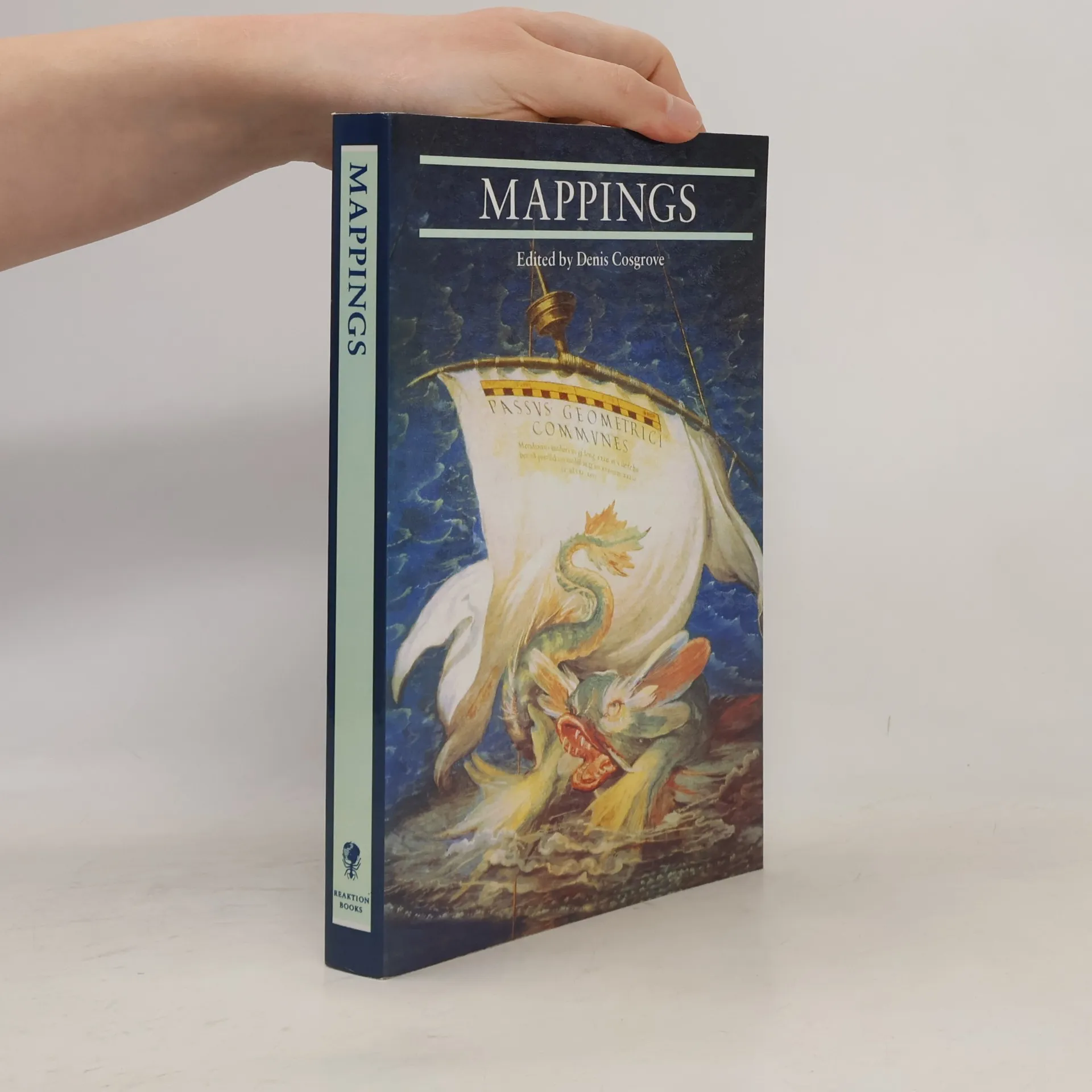
    Mappings
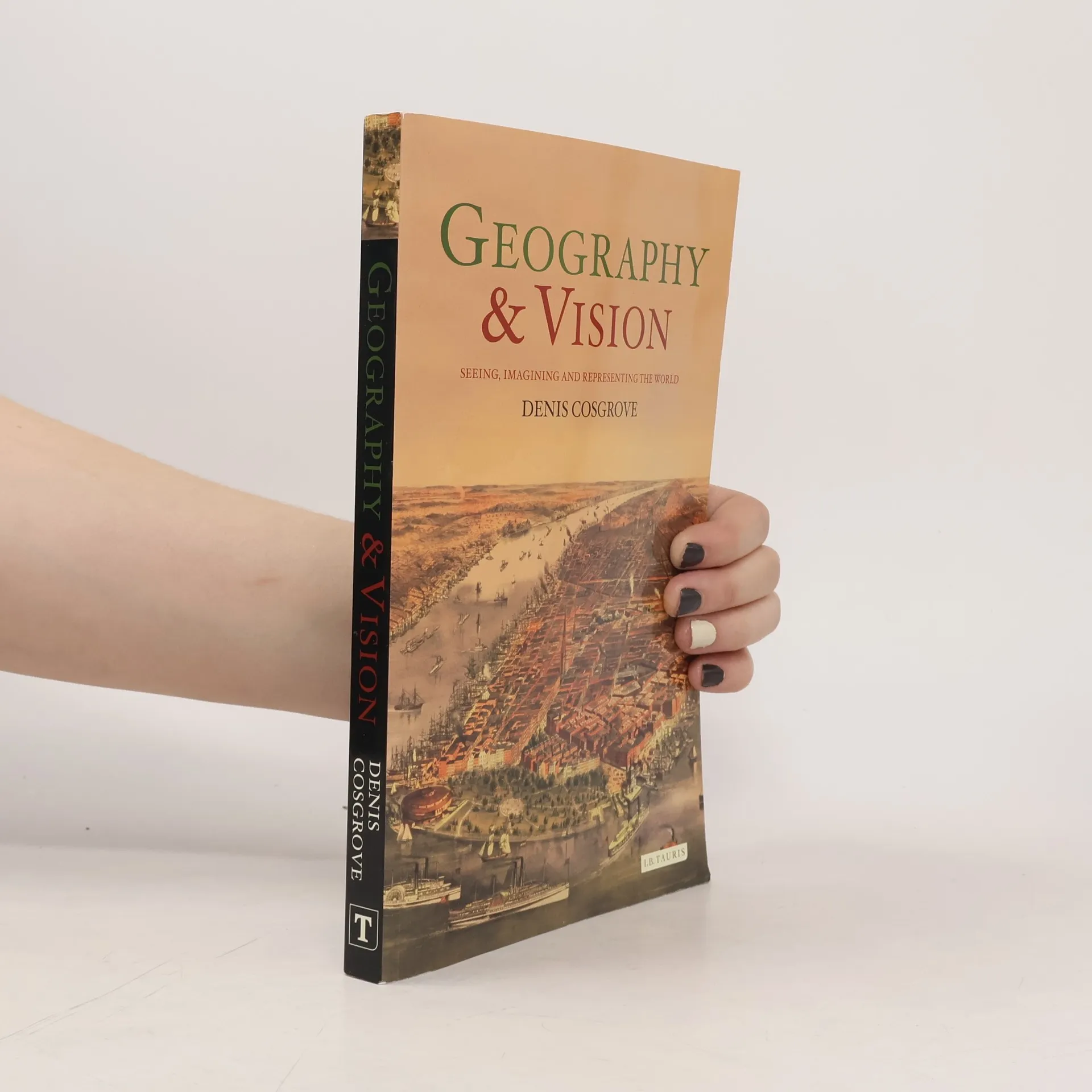
    International Library of Human Geography: Geography and Vision
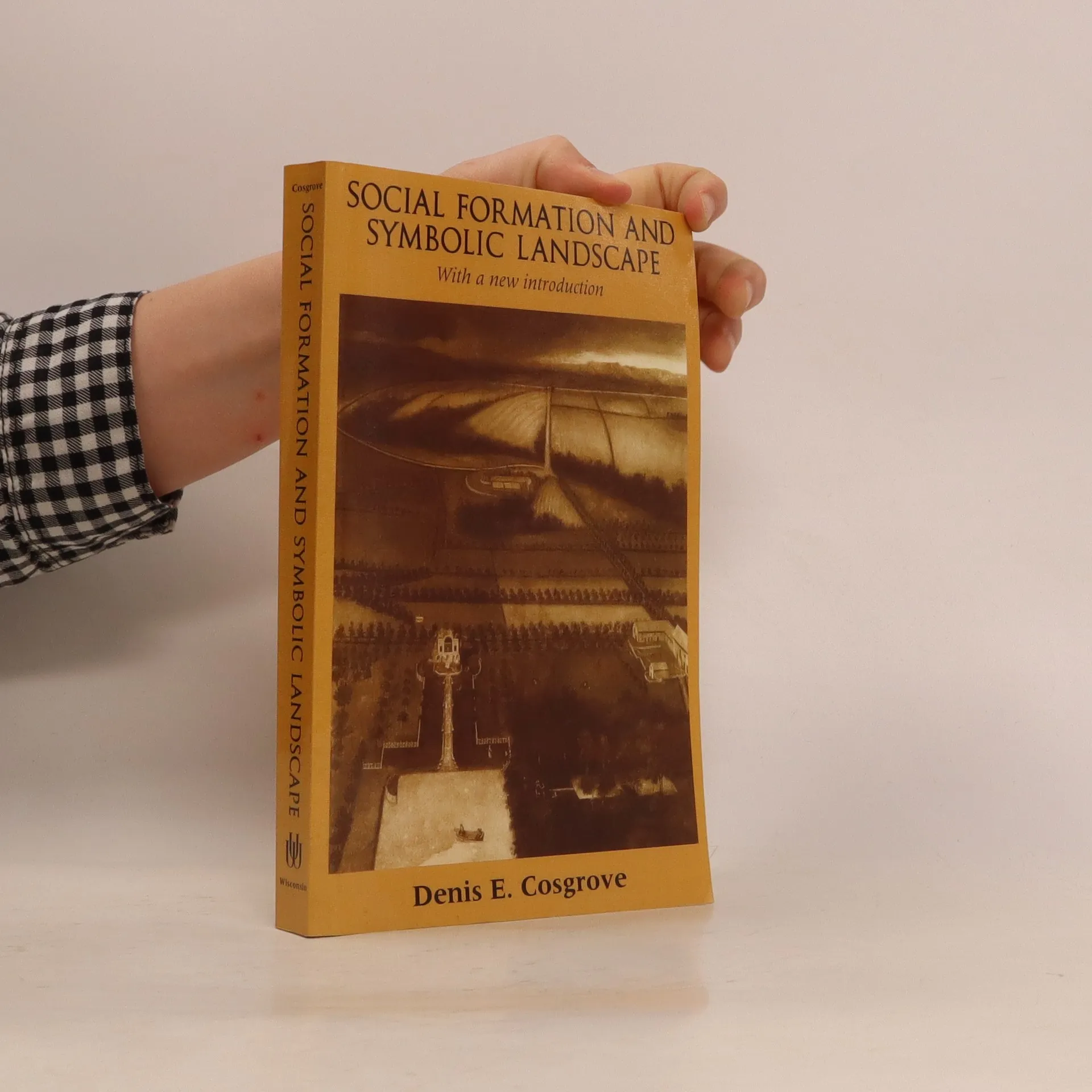
    Social formation and symbolic landscape
    • Hailed as a landmark in its field since its first publication in 1984, Denis E. Cosgrove's Social Formation and Symbolic Landscape has been influential well beyond geography. It has continued to spark lively debate among historians, geographers, art historians, social theorists, landscape architects, and others interested in the social and cultural politics of landscape.

      Social formation and symbolic landscape
      3,9
    • International Library of Human Geography: Geography and Vision

      Seeing, Imagining and Representing the World

      • 272 Seiten
      • 10 Lesestunden

      Geography and Vision is a series of personal reflections by leading cultural geographer, Denis Cosgrove, on the complex connections between seeing, imagining and representing the world geographically. Ranging historically from the sixteenth century to the present day, the essays include reflections upon discovery and the role of imagination in giving it meaning; colonisation and sixteenth century gardening; the shaping of American landscapes; wilderness, imperial mappings and masculinity; urban cartography and utopian visions; conceptions of the Pacific; the cartography of John Ruskin; and the imaginative grip of the Equator. Extensively illustrated, this engaging work reveals the richness and complexity of the geographical imagination as expressed over the past five centuries.

      International Library of Human Geography: Geography and Vision
    • Mappings

      • 320 Seiten
      • 12 Lesestunden

      Mappings explores what mapping has meant in the past and how its meanings have altered. How have maps and mapping served to order and represent physical, social and imaginative worlds? How has the practice of mapping shaped modern seeing and knowing? In what ways do contemporary changes in our experience of the world alter the meanings and practice of mapping, and vice versa?In their diverse expressions, maps and the representational processes of mapping have constructed the spaces of modernity since the early Renaissance. The map's spatial fixity, its capacity to frame, control and communicate knowledge through combining image and text, and cartography's increasing claims to scientific authority, make mapping at once an instrument and a metaphor for rational understanding of the world.Among the topics the authors investigate are projective and imaginative mappings; mappings of terraqueous spaces; mapping and localism at the 'chorographic' scale; and mapping as personal exploration.With essays by Jerry Brotton, Paul Carter, Michael Charlesworth, James Corner, Wystan Curnow, Christian Jacob, Luciana de Lima Martins, David Matless, Armand Mattelart, Lucia Nuti and Alessandro Scafi

      Mappings