


Gratis Versand ab € 14,99. Mehr Infos.
Bookbot

Ronald De Sousa

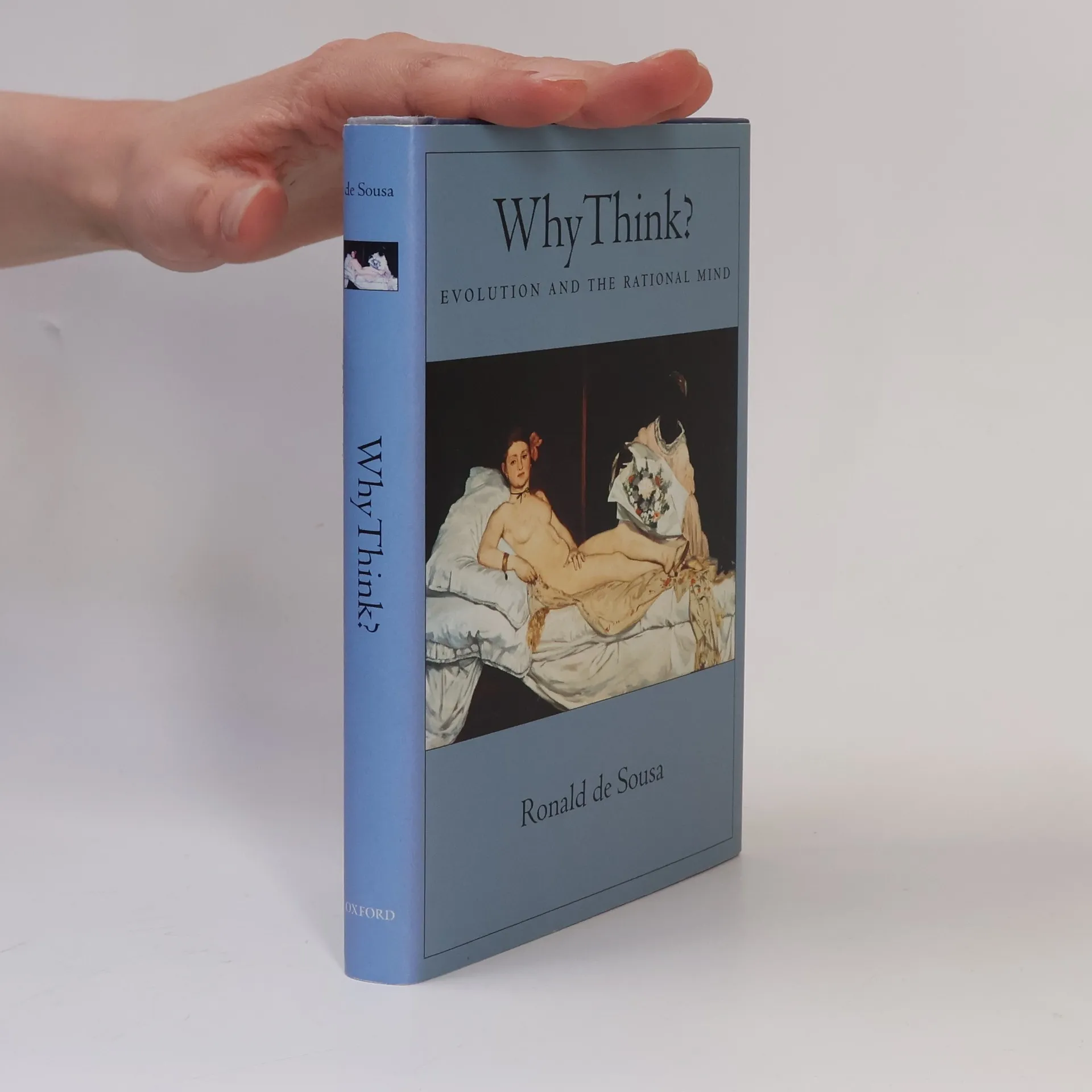
    Why Think? The Evolution of the Rational Mind
    Love : a very short introduction
    Why It's OK to Be Amoral
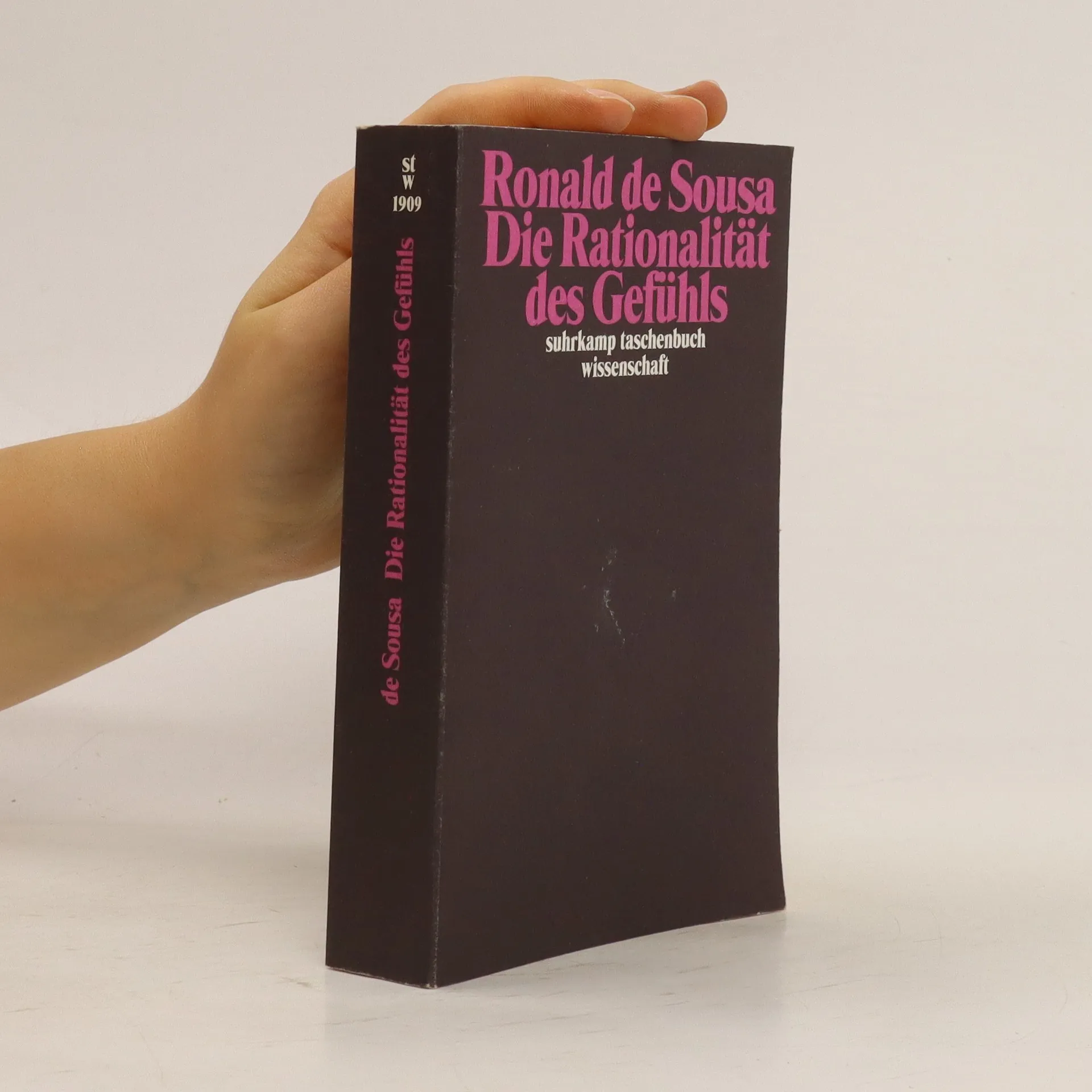
    Die Rationalität des Gefühls
    • Die Rationalität des Gefühls

      • 568 Seiten
      • 20 Lesestunden

      Ronald de Sousas bereits klassische Untersuchung über den Zusammenhang zwischen Rationalität und Gefühl geht der Frage nach, welche Rolle das Gefühl bei der Ausübung der traditionell als vernunftgeleitet beschriebenen Vermögen spielt oder spielen sollte: beim Entstehen von Wünschen und Überzeugungen, beim Übergang zwischen ihnen und bei deren Umformung in Handlungen und Taktiken. Gefühle, insofern sie als Teil des Lebens und der Erfahrung aufgefaßt werden, können aber auch ihrerseits rationaler Bewertung unterworfen werden. Ein wichtiges Ergebnis von de Sousas umfassender Studie besteht darin, daß gerade das, was oft irrational erscheint – die eigensinnige Unabhängigkeit des Fühlens –, die Rationalität der endlichen menschlichen Vernunft überhaupt erst ermöglicht.

      Die Rationalität des Gefühls
      3,0
    • Why It's OK to Be Amoral

      • 208 Seiten
      • 8 Lesestunden

      The book critiques the rise of self-righteous moralism as a substitute for religion, suggesting that it fosters unfounded certainties. It explores how high-minded moral convictions claim to be based on sacred truths, while in fact, these morals stem from primitive emotions and societal norms rather than objective truths. The author challenges readers to reconsider the foundations of their moral beliefs and the implications of this shift in societal values.

      Why It's OK to Be Amoral
      4,0
    • Love : a very short introduction

      • 152 Seiten
      • 6 Lesestunden

      Explores the philosophical notion of love, and argues that love is more complex than conventional thought would have us believe.

      Love : a very short introduction
      3,7
    • In a world shaped by natural selection, philosopher Ronald de Sousa examines the unique power of rational thinking. This concise exploration addresses the dual issues of natural selection mimicking rational design and rational thinking as a product of evolution. While we often consider ourselves superior to other species, natural selection does not guarantee optimal outcomes. The pursuit of rationality raises questions about its effectiveness as a strategy. Language, including mathematics and science, plays a crucial role in enhancing our intelligence compared to our closest primate relatives. Instinctual responses can sometimes outperform conscious reasoning, as seen in the swift movements of trained athletes. However, language allows for abstract thinking and precise calculations, enabling remarkable achievements like space exploration. Moreover, it facilitates the formulation of diverse values that may conflict with each other and with our instincts. This engaging book illustrates the intricate relationship between our rational and irrational tendencies, drawing on a wide range of evidence to explore the implications of being human within the natural world.

      Why Think? The Evolution of the Rational Mind