Gordon Kerr ist Autor zahlreicher Bücher in verschiedenen Genres, darunter Kunst, Geschichte, wahre Kriminalfälle, Reisen und Humor. Sein vielfältiges Werk erforscht ein breites Themenspektrum und zeigt eine einzigartige literarische Stimme. Kerrs Schreibansatz befasst sich mit unterschiedlichen Themen und zielt darauf ab, Leser mit seinem unverwechselbaren Stil zu fesseln. Seine Erzählungen bieten oft neue Perspektiven auf bekannte und weniger erforschte Aspekte der menschlichen Erfahrung.
The Pre-Raphaelites, earlier known as the Pre-Raphaelite Brotherhood, were a
society of English artists. Their name was a reference to their rejection of
the Renaissance master Raphael and the immensely popular classical poses.
Their integral and controversial movement is explored in this beautifully
illustrated new book.
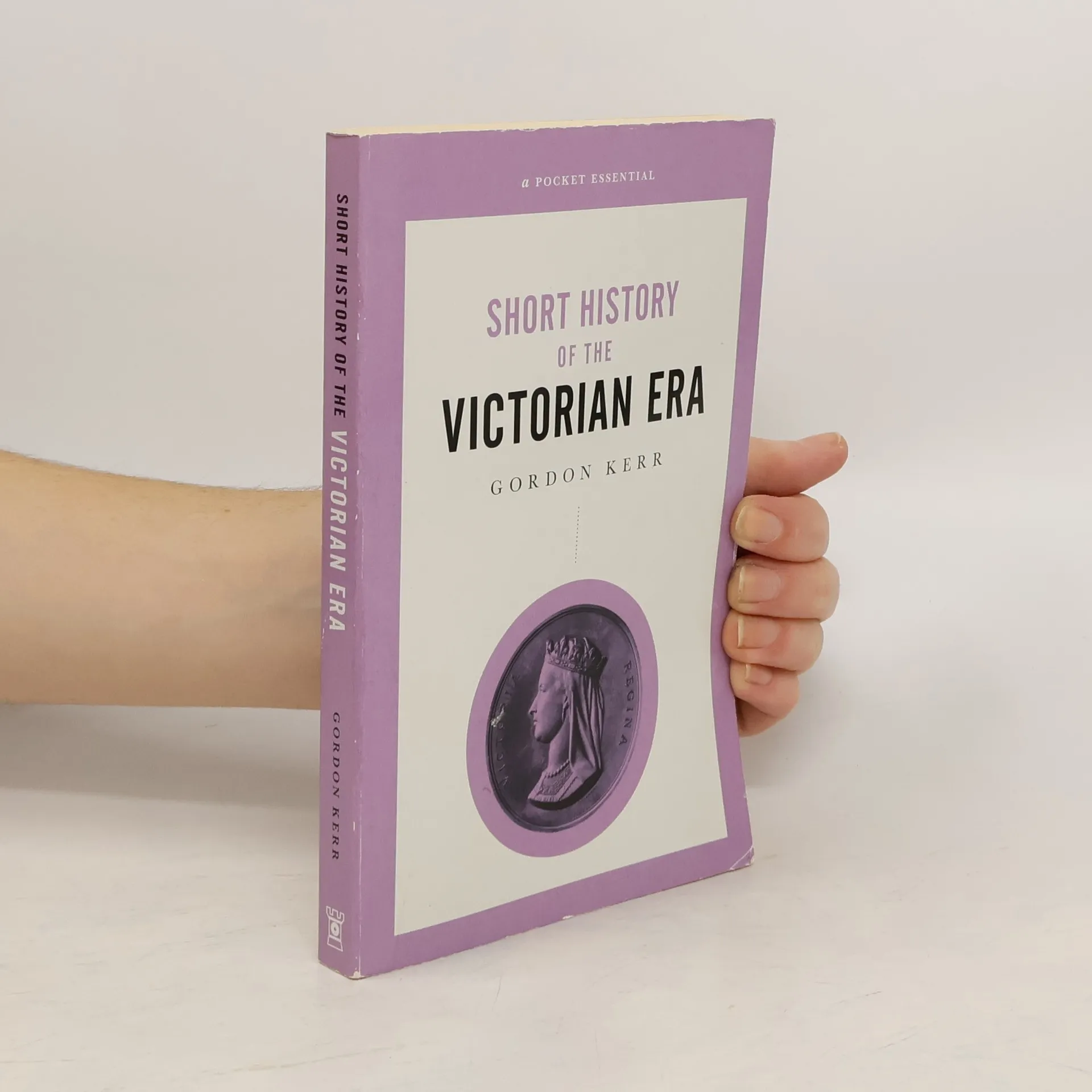
Beginning in the 1830s and ending with the death of Queen Victoria in 1901, the Victorian Era saw the British Empire—the largest the world had seen—dominate the world. British ingenuity in the fields of technological development and the heavy industry of its Industrial Revolution led to Britain being dubbed "the workshop of the world" while its Royal Navy policed the world’s oceans helping to create what has become known as a "Pax Britannica." This book details the sweeping social and economic changes that took place during this period but also examines the events of the time and the lives of the eminent Victorians who contributed so much to British success—men and women such as Florence Nightingale, Isambard Kingdom Brunel, Charles Dickens, Elizabeth Garrett Anderson and Charles Darwin. This is the story of the greatest period in British history, a period that still resonates in today’s Britain.
Having conquered the world's taste buds and established itself as a staple in
our daily lives, coffee has mirrored the moods and movements of society for
centuries - yet, how much do we know about its history? A Short History of
Coffee lifts the lid on the business of coffee, as well as the pleasures that
it brings its...
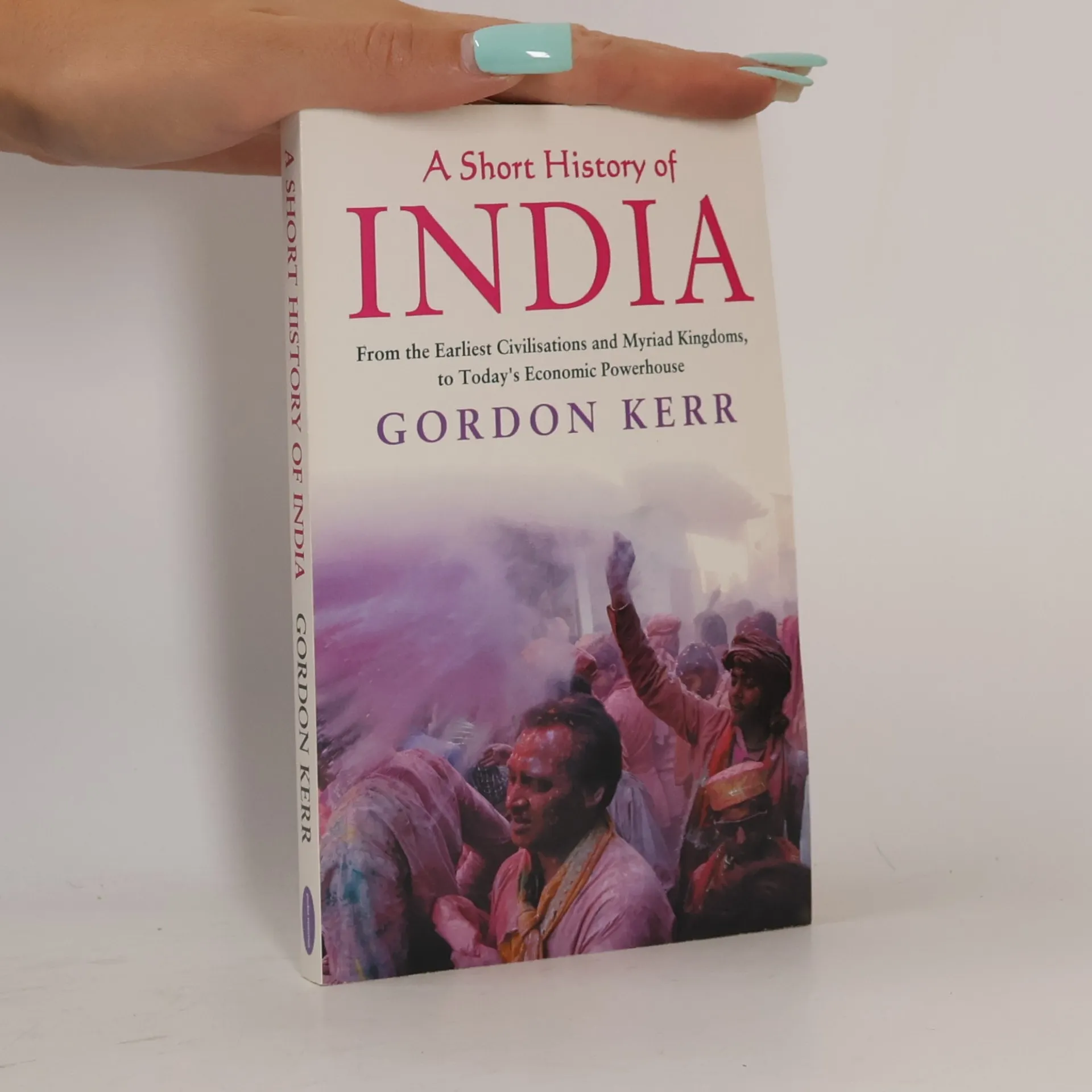
The world's largest democracy and second most populous country, 21st century India is a dynamic nation with a thriving economy, made up of a variety of beliefs and peoples united under one flag. Its history is a unique story of ancient empires and civilisations, some dating back to humankind's earliest times. A Short History of India traces this fascinating path from the India of ancient and powerful kingdoms to the flourishing, vibrant nation that it is today.
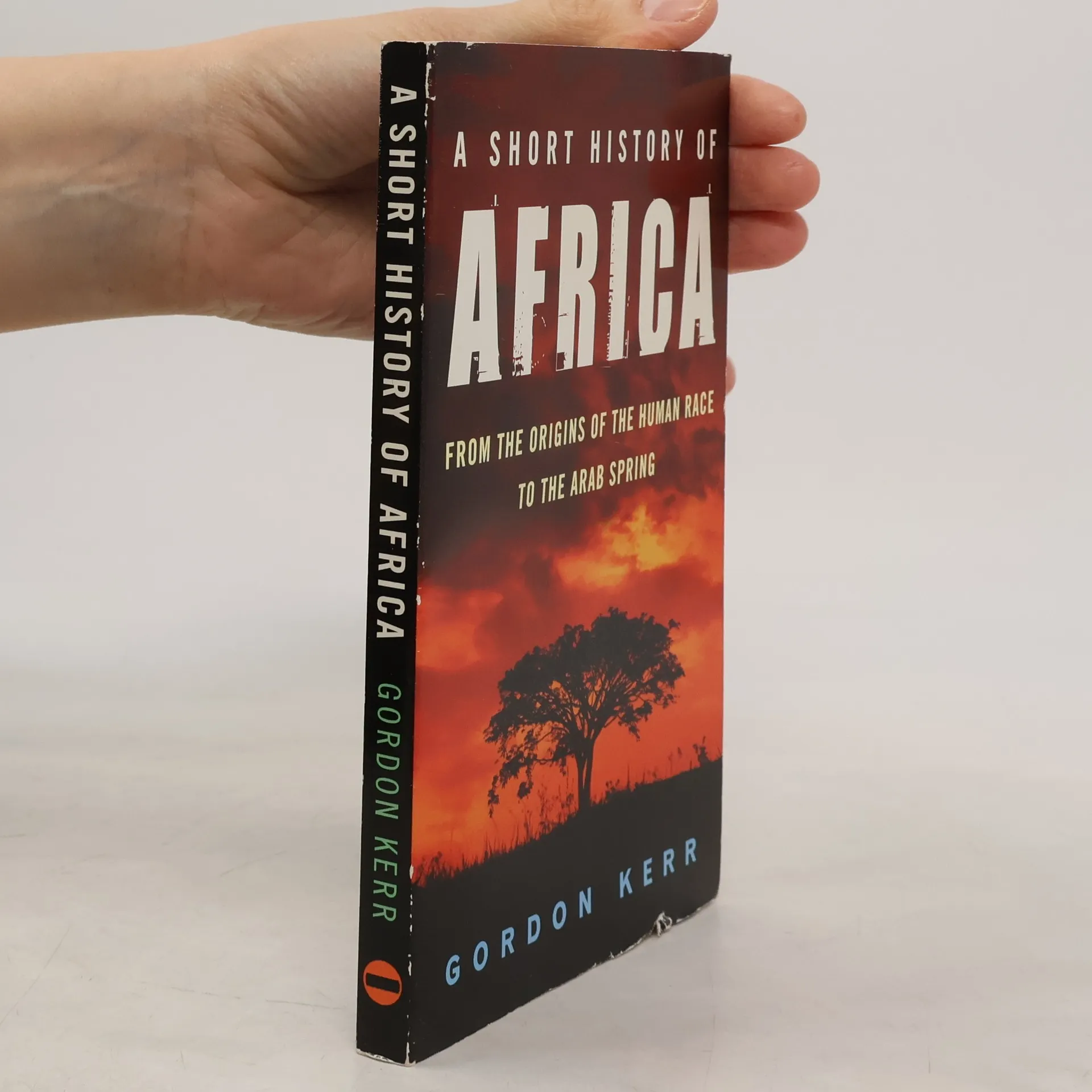
From the Origins of the Human Race to the Arab Spring
160 Seiten
6 Lesestunden
A comprehensive introduction to the sprawling history of this enormous continent, from the dawn of human time in prehistoric Africa right through to Arab Spring Beginning with the origins of the human race and the development of stone age technology, this history of the cradle of civilization moves through ancient and medieval times, the significance of the Arab presence, the Muslim states, and the trans-Saharan trade. It continues with the rise and fall of nation states and kingdoms prior to the arrival of Europeans, Ghana, the Kingdoms of the Forest and Savanna, Yoruba, Oyo, Benin, Asante, Luba, Lunda, Lozil, and many others, on to the beginning of the slave trade, and the European conquest and colonization of sub-Saharan Africa, the "Scramble for Africa." Finally moving onto the often bitter struggles for independence from that period of colonization and exploitation, it concludes with an assessment of Africa in the 21st century.
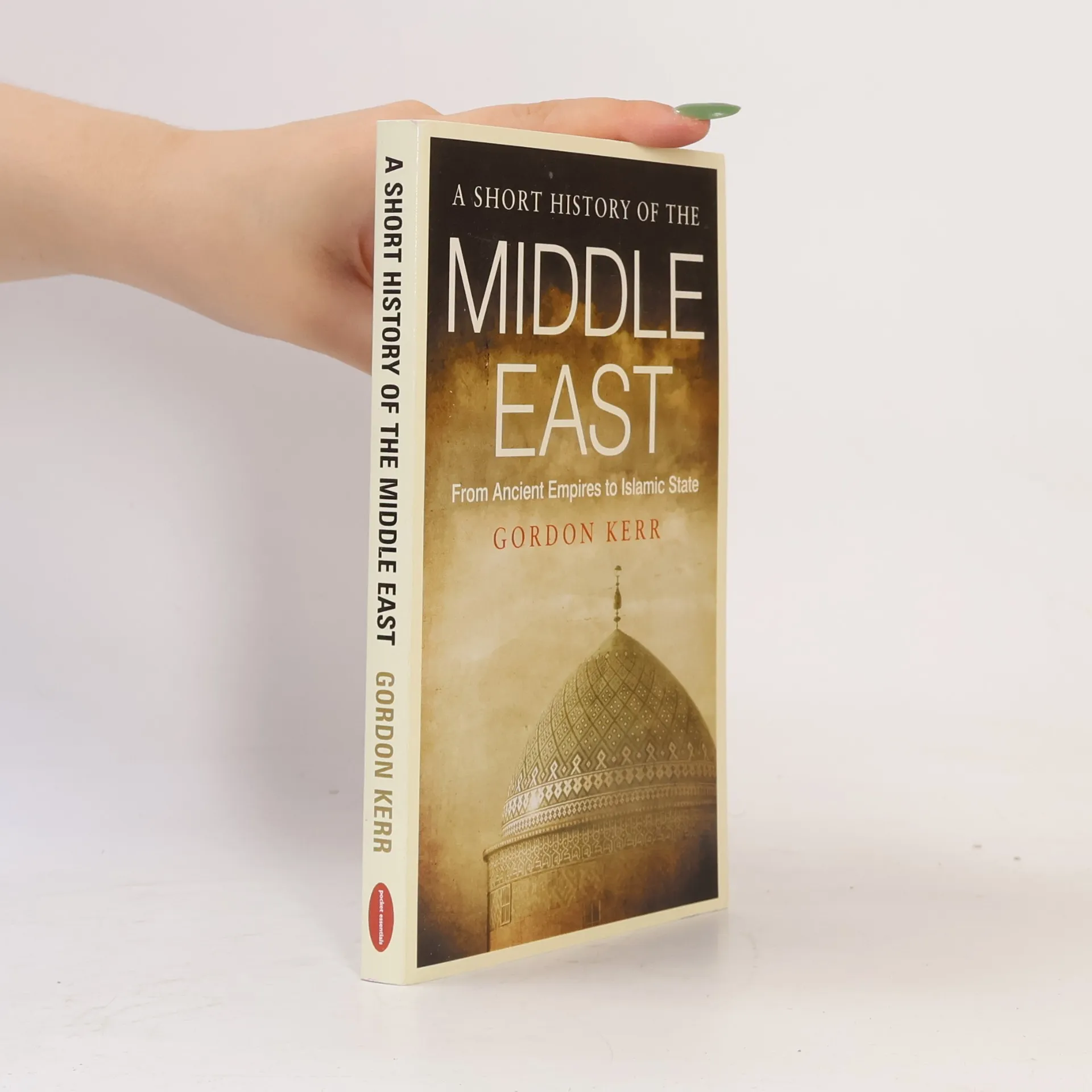
Situated at the crossroads of three continents, the Middle East has confounded the ambition of conquerors and peacemakers alike. Christianity, Judaism and Islam all had their genesis in the region but with them came not just civilization and religion but also some of the great struggles of history. This book makes sense of the shifting sands of Middle Eastern history, beginning with the early cultures of the area and moving on to the Roman and Persian Empires; the growth of Christianity; the rise of Islam; the invasions from the east; Genghis Khan's Mongol hordes; the Ottoman Turks and the rise of radicalism in the modern world symbolized by Islamic State.
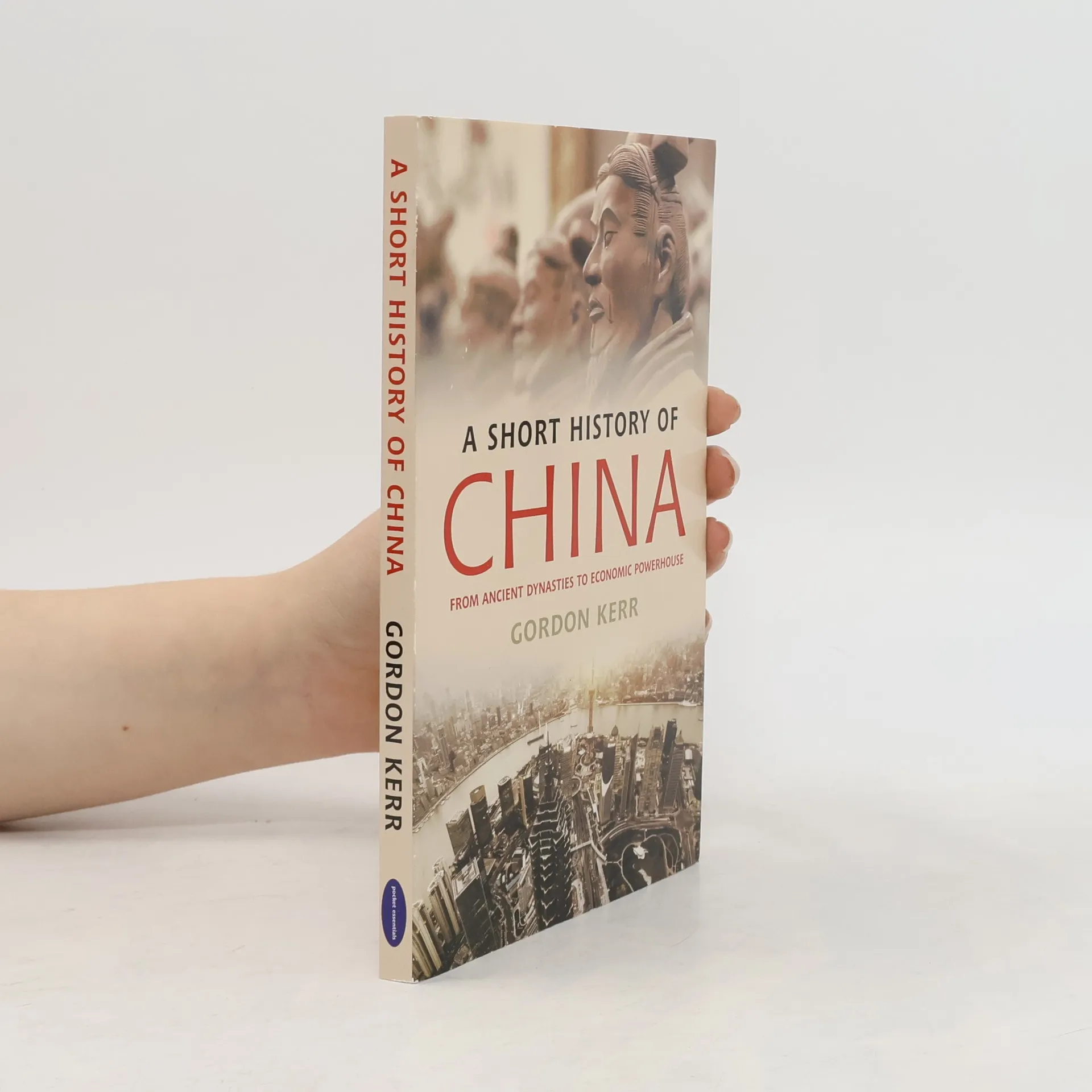
An absorbing introduction to more than 4000 years of Chinese history, telling the stories of the tyrants, despots, femmes fatales, artists, warriors and philosophers who have shaped this fascinating and complex nation. It describes the amazing technological advances that her scientists and inventors made many hundreds of years before similar discoveries in Europe. It also investigates the Chinese view of the world and examines the movements, aspirations and philosophies that moulded it and, in so doing, created the Chinese nation.