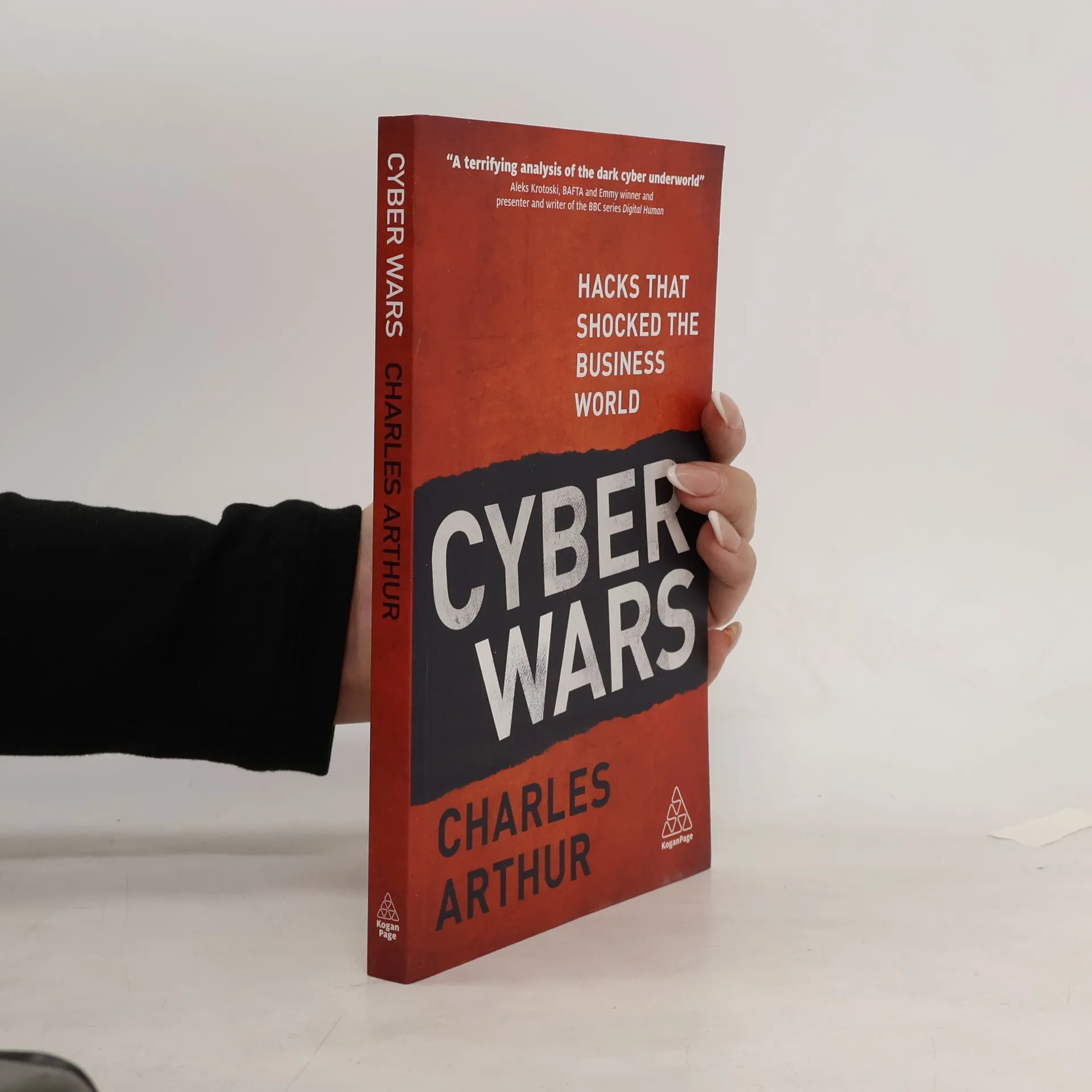
Reveals the gripping stories of the most significant cyber attacks of recent
years and gives you a fascinating insight into the hackers' techniques, the
dramatic consequences and the lessons we should all learn from them.
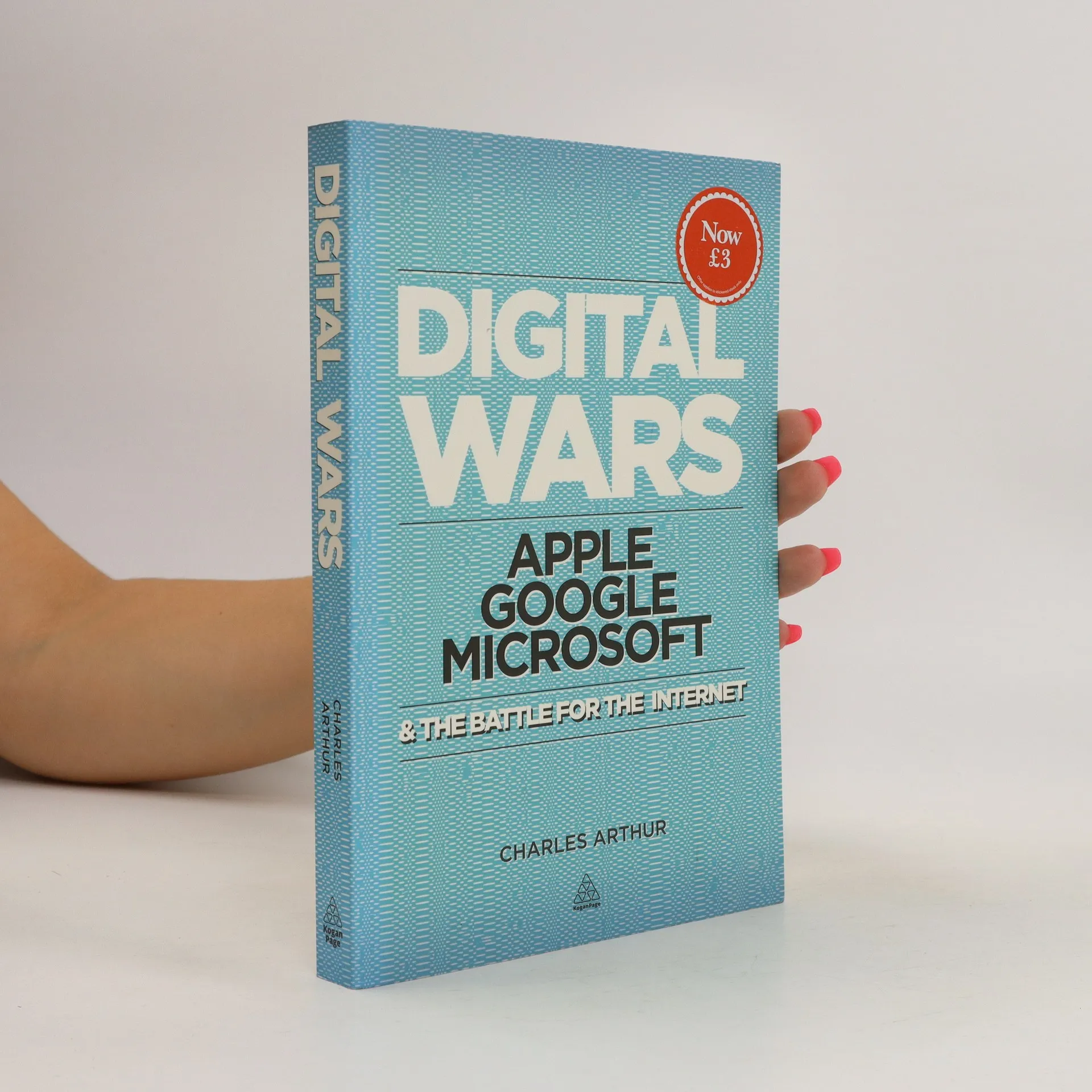
Which of Apple, Google, and Microsoft had a "drawer of broken dreams," and what real objects were inside? When did Microsoft have a chance to catch Google in search revenue, and who vetoed it? Why did Google test 40 shades of blue on users? How long did developers wait to write apps for Apple's iPhone after its announcement? Who suggested Microsoft should have its own music player, and why did it fail? The answers to these questions and more are explored in this insightful book by Charles Arthur, technology editor of The Guardian.
Beginning in 1998, the narrative chronicles the upheaval in the internet and computing landscape driven by an antitrust case, a fledgling startup, and a tech giant's resurgence. It examines the strategies of the three leading tech companies through the perspectives of their former and current employees. Microsoft, once a titan, was on the verge of becoming the highest-valued company, while Apple was a small player and Google just emerging. By February 2012, Apple surpassed both Microsoft and Google combined in market value.
To secure their positions, Apple emphasized design and customer focus; Microsoft relied on its programming talent and software monopolies; Google prioritized speed and data analysis. Exclusive insights from interviews with key figures, including former executives from all three companies, reveal the evolution of the tech industry and the fierce competition among them.
An impassioned exploration of the ways in which social media has manipulated us all ‘Witty, rigorous, and as urgent as a fire alarm’ Dorian Lynskey ‘Cooly prosecutorial’ Guardian Nobody meant for this to happen. Facebook didn’t mean to facilitate a genocide. Twitter didn’t want to be used to harass women. YouTube never planned to radicalise young men. But with billions of users, these platforms need only tweak their algorithms to generate more ‘engagement’. In so doing, they bring unrest to previously settled communities and erode our relationships. Social warming has happened gradually – as a by-product of our preposterously convenient digital existence. But the gradual deterioration of our attitudes and behaviour on- and offline – this vicious cycle of anger and outrage – is real. And it can be corrected. Here’s how.
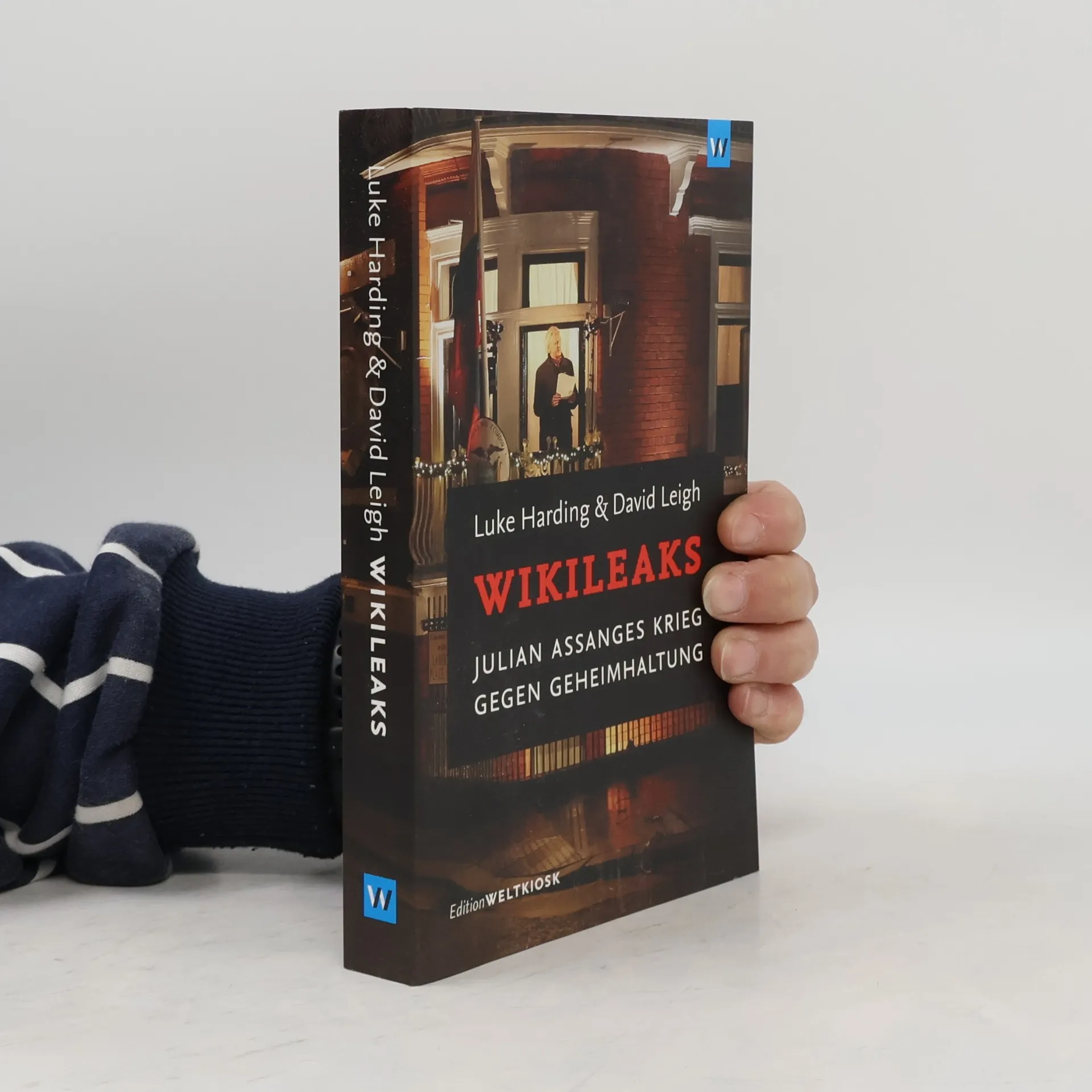
Es war das größte Geheimnis-Leck der Geschichte: Am 28. November 2010 begann die Enthüllungsplattform WIKILEAKS - in Zusammenarbeit mit der britischen Tageszeitung „The Guardian“, der „New York Times“, dem „Spiegel“ und anderen - eine Viertelmillion geheimer Berichte amerikanischer Botschaften und des US-Außenministeriums zu veröffentlichen. Die größten Mächte der Welt waren außer sich. Hinter all dem stand ein Mann, der Australier Julian Assange - eine der seltsamsten Figuren, die jemals weltweite Prominenz erlangte: Internet-Messias oder Cyber-Terrorist? Kämpfer für die Informationsfreiheit oder Sexualverbrecher? Die Debatte über WIKILEAKS und Assange, der sich im Juni 2012 in die ecuadorianische Botschaft in London flüchtete, um der Auslieferung an Schweden zu entgehen, hält bis heute an. Luke Harding (Autor von MAFIASTAAT) und David Leigh waren von Anfang an in die Saga involviert. Assange versteckte sich zeitweise sogar vor der CIA in Leighs Londoner Wohnung. Ihre gründlich recherchierte, vollständig aktualisierte Schilderung ist die bislang beste Darstellung dieses Schlüsselereignisses des Internetzeitalters - und Vorlage für den Dreamworks-Film „The Fifth Estate“ (Arbeitstitel) mit Benedict Cumberbatch und Daniel Brühl in den Hauptrollen, der Weihnachten 2013 in die deutschen Kinos kommt (Verleih: Constantin Film).