

Depuis deux siècles, Paris est le carrefour des révolutions mondiales, attirant des révolutionnaires de tous horizons. La ville est devenue le symbole des luttes pour la liberté, notamment grâce à son rôle central lors des révolutions de 1789, 1830, 1848 et 1870, et à son statut de refuge pour ceux qui fuient un Europe réactionnaire. Des figures emblématiques comme Marx, Bakounine, Lénine, Trotski, et Hô Chi Minh ont trouvé à Paris un lieu d'apprentissage politique, de complots et de terrorisme, souvent marqués par des destins tragiques. D'autres, tels qu'Eugen Fried, Boris Holban, et Henri Curiel, ont également suivi ce parcours de révolte et d'exil, chacun ayant laissé sa marque sur l'histoire. Les réseaux terroristes palestiniens, iraniens et libanais, ainsi que les brigadistes italiens, ont également traversé cette ville, ajoutant à son héritage complexe. Même les djihadistes contemporains, bien que nés parmi nous, incarnent une forme de révolte qui les rend à la fois proches et étrangers. Rémi Kauffer, avec son talent d'écrivain et sa rigueur d'historien, nous plonge dans cette histoire fascinante à travers des chapitres captivants.
Rémi Kauffer Reihenfolge der Bücher (Chronologisch)


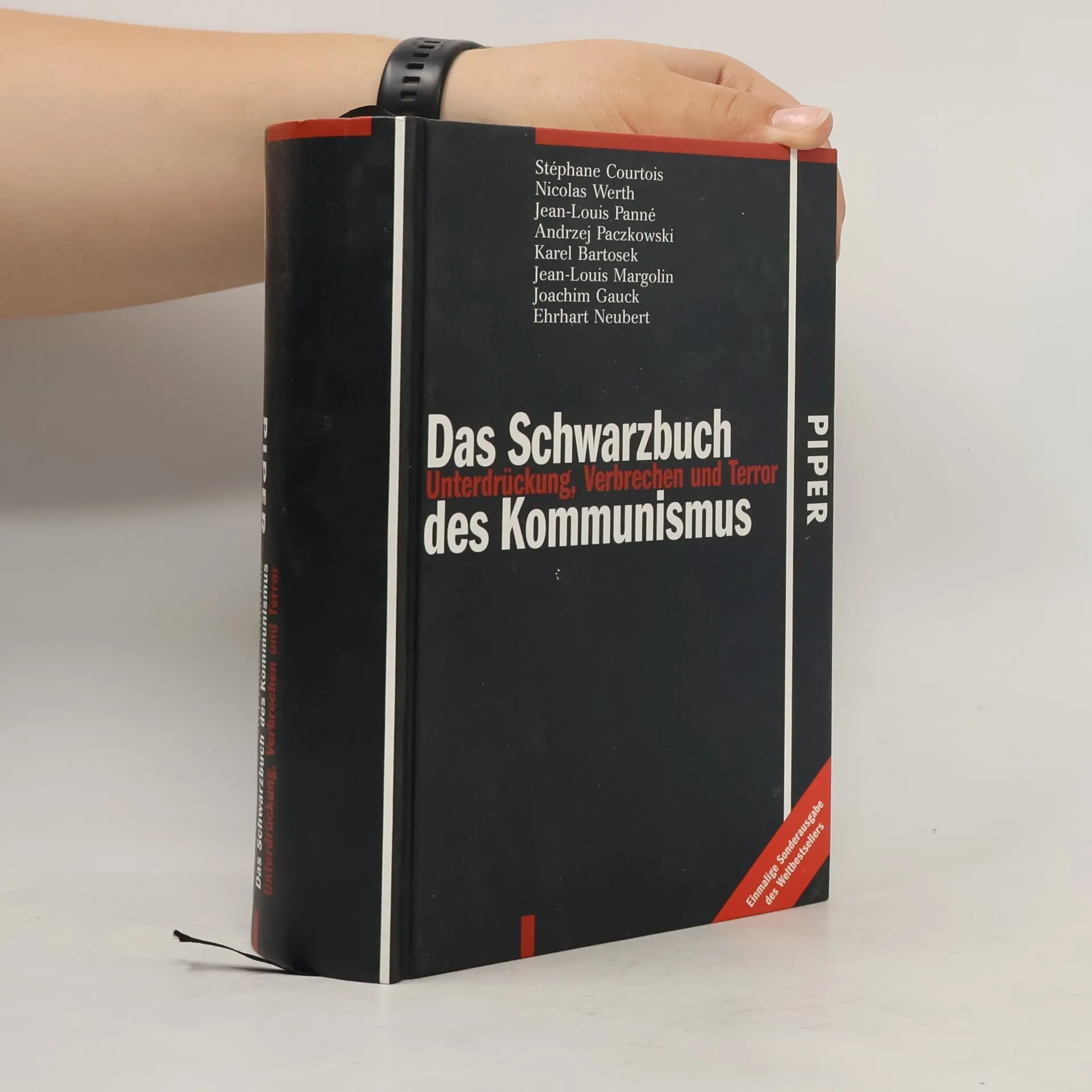
Das Schwarzbuch des Kommunismus
- 1001 Seiten
- 36 Lesestunden
Das 'Schwarzbuch des Kommunismus' hat den Blick auf das 20. Jahrhundert tiefgreifend verändert. Von den Autoren minutiös recherchiert, zieht es die grausige Bilanz des Kommunismus, der prägenden Idee unserer Zeit. Mehr als 80 Millionen Tote, so rechnen die Autoren vor, hat die Vision der klassenlosen Gesellschaft gekostet – mehr als der Nationalsozialismus zu verantworten hat. Das Buch hat eine beispiellose Kontroverse ausgelöst, denn es beläßt es nicht bei einer Generalinventur des roten Terrors, es benennt auch Mitwisser und intellektuelle Mittäter im Westen: 'Das Schwarzbuch ist auch eine Unglücksgeschichte jener ›willigen Helfer‹ im Westen, die sich 90 Jahre lang blind und taub machten.' Frankfurter Allgemeine
Aus dem Franz. von Irmela Arnsperger ... Sonderausgabe 1999 987, [32] S. : Ill. ; 23 cm gebundene Ausgabe, Hardcover, Lesebändchen, ohne OSU Buch sehr gut u. sauber, themenbezogener Zeitungsartikel beiliegend