

Gratis Versand ab € 14,99. Mehr Infos.
Bookbot

George Long

    George Long war ein englischer Klassischer Gelehrter, dessen Lebenswerk darauf abzielte, antike Texte für moderne Leser zugänglich zu machen. Seine editorische Arbeit an der Reihe Bibliotheca Classica stellte einen bahnbrechenden Versuch dar, wissenschaftliche Ausgaben klassischer Texte mit englischen Kommentaren zu erstellen. Damit bereicherte er die literarische Welt und ermöglichte einem breiteren Publikum ein tieferes Verständnis antiker Literatur und des Rechts. Sein Beitrag lag in der Zugänglichmachung und Interpretation antiken Denkens.

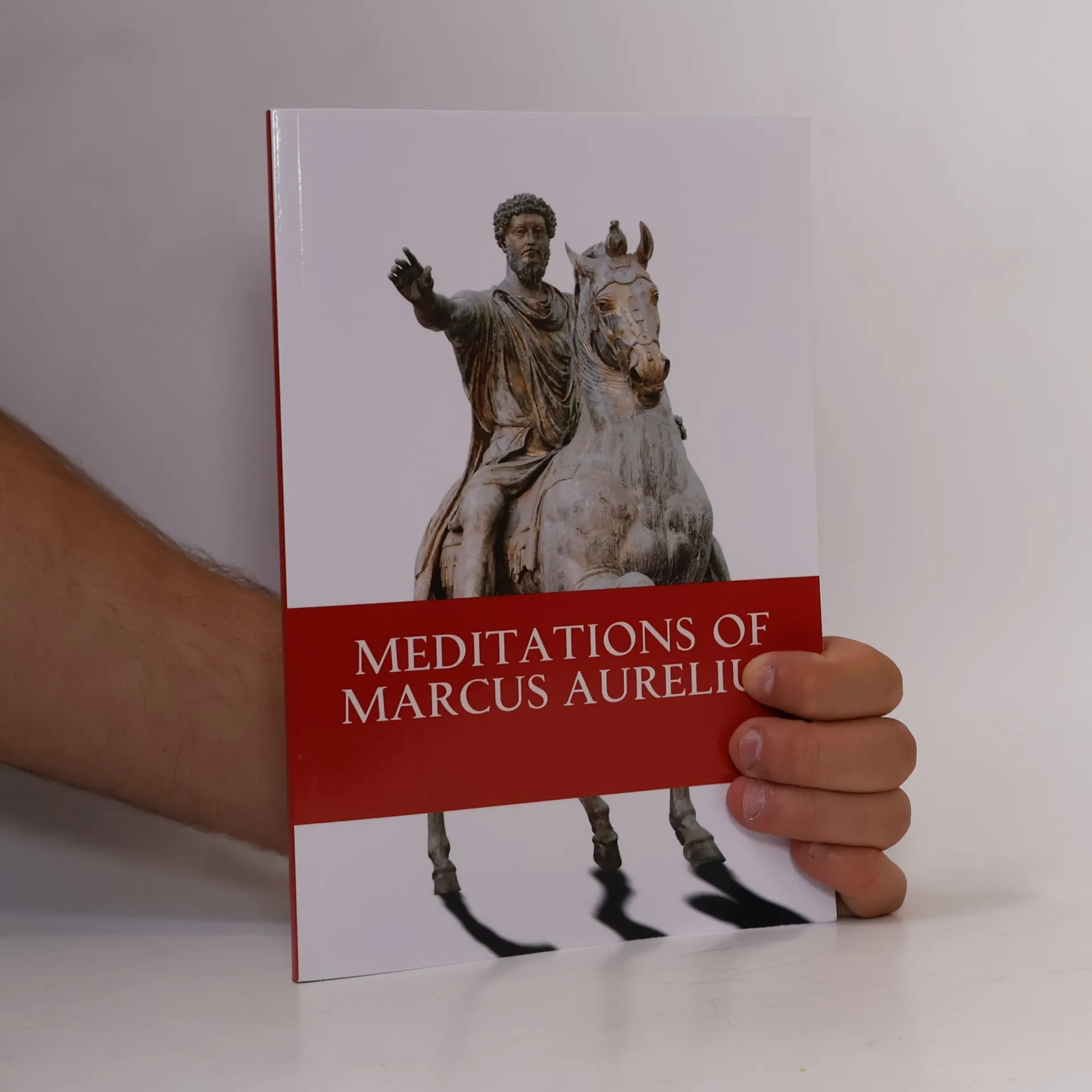
    Meditations: Philosophical Contemplations of a Roman Emperor
    The Egyptian Antiquities in the British Museum: Monuments, Obelisks, Temples, Sphinxes, Sculpture, Statues, Paintings, Pyramids, Mummies, Papyrus, and
    Parallel Lives Vol. 1
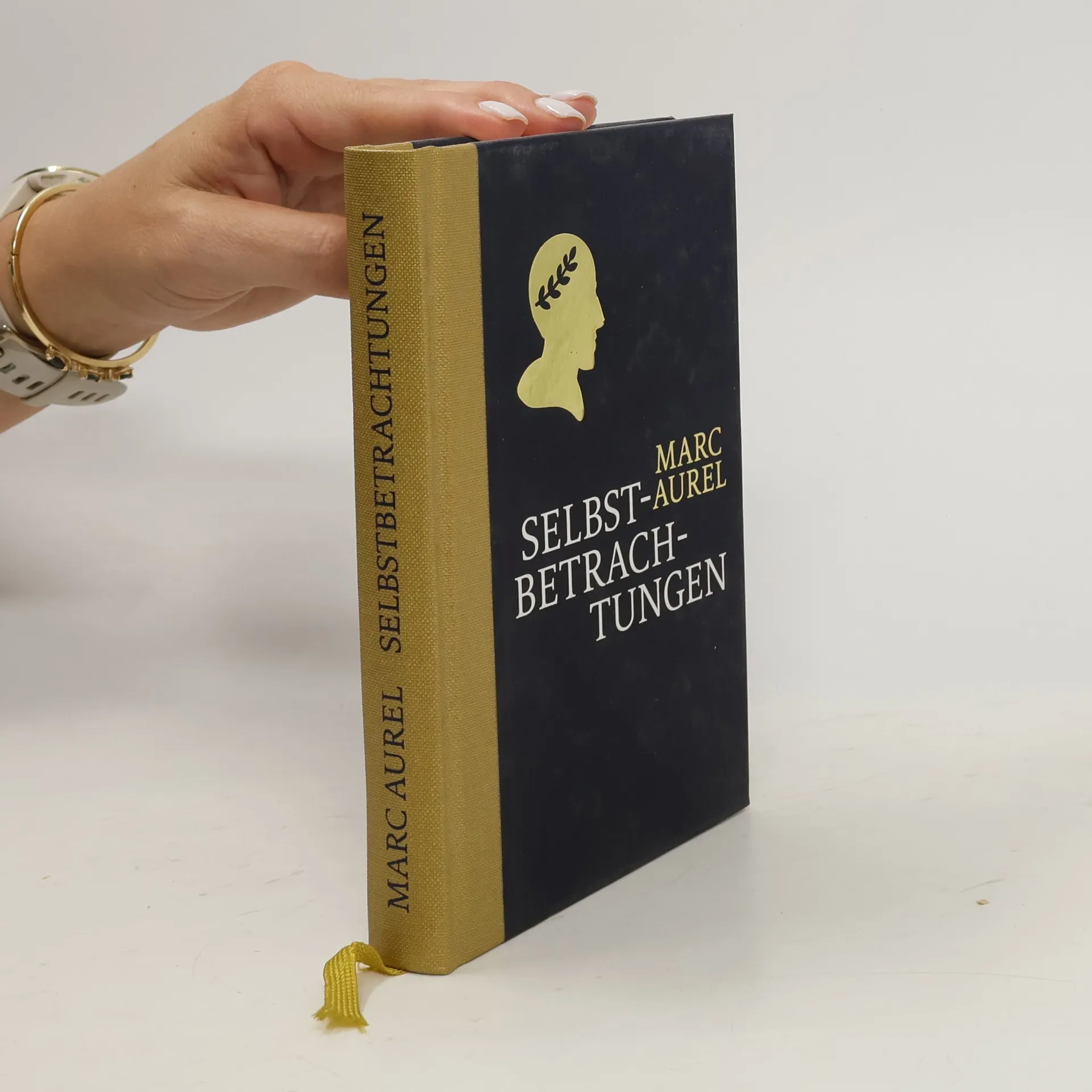
    Selbstbetrachtungen
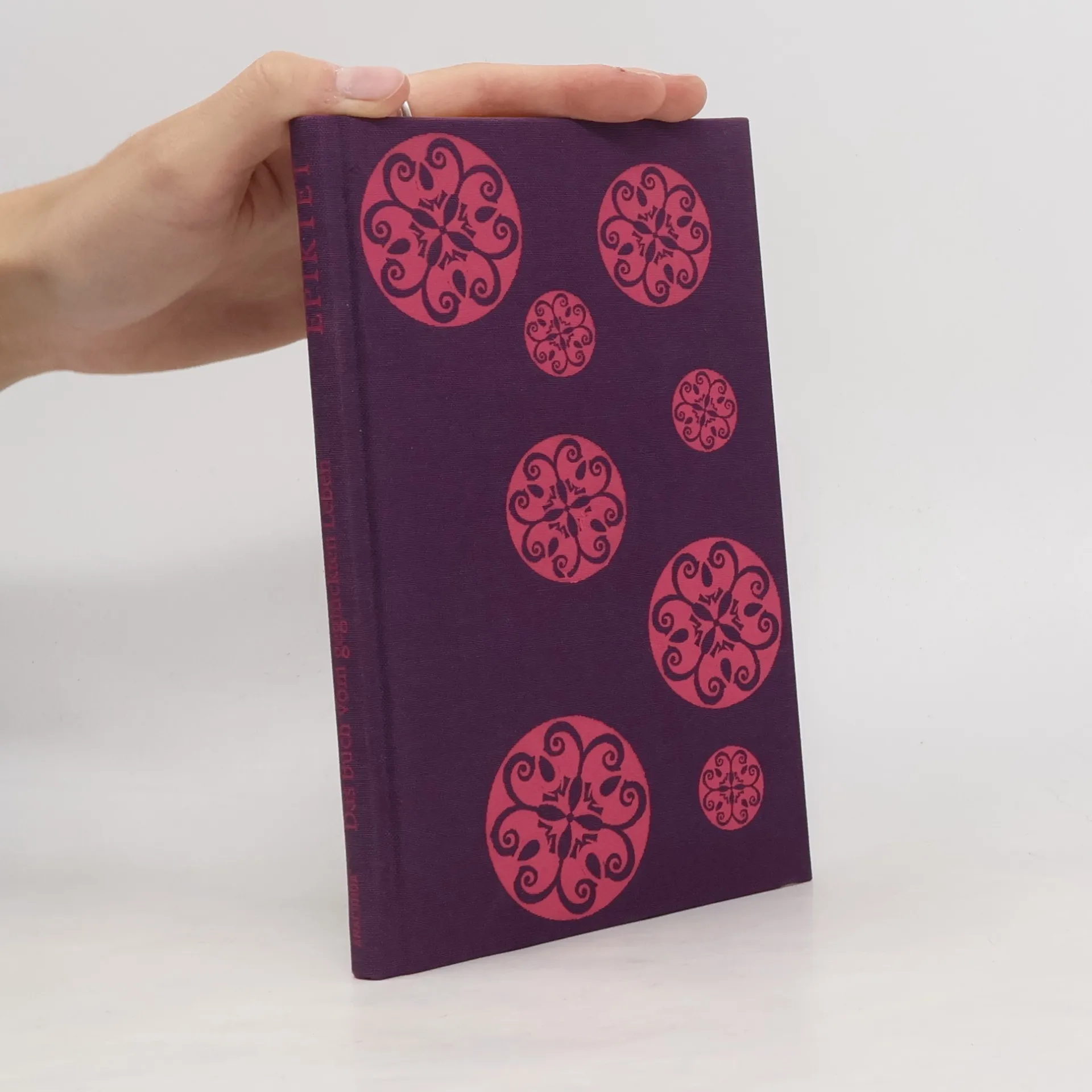
    Handbüchlein der stoischen Moral
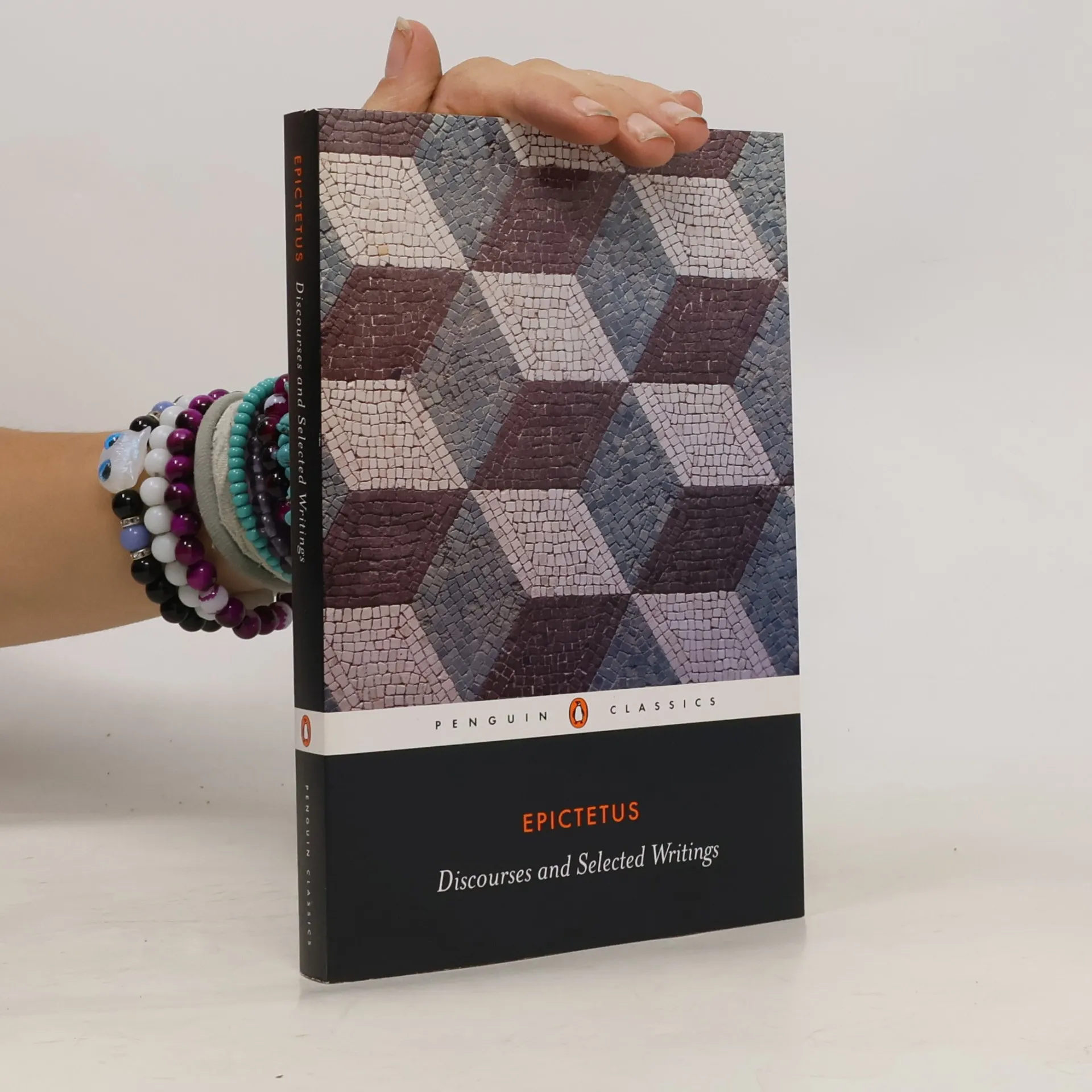
    Discourses and Selected Writings
    • Discourses and Selected Writings

      • 400 Seiten
      • 14 Lesestunden

      Epictetus, a Greek stoic and freed slave, ran a thriving philosophy school in Nicropolis in the early second century AD. His animated discussions were celebrated for their rhetorical wizardry and were written down by Arrian, his most famous pupil. Together with the Enchiridion, a manual of his main ideas, and the fragments collected here, The Discourses argue that happiness lies in learning to perceive exactly what is in our power to change and what is not, and in embracing our fate to live in harmony with god and nature. In this personal, practical guide to the ethics of stoicism and moral self-improvement, Epictetus tackles questions of freedom and imprisonment, illness and fear, family, friendship and love, and leaves an intriguing document of daily life in the classical world.

      Discourses and Selected Writings
      4,4
    • Epiktet: Handbüchlein der stoischen Moral Von Epiktets Schüler Flavius Arrianus um 120 notierte und aus Epiktets »Diatribai« (Unterhaltungen) zusammengestellte Sammlung. Erstdruck (in lateinischer Übersetzung durch Angelus Politianus) unter dem Titel »Epicteti Stoici Enchiridion«: Bologna 1497. Erstdruck der griechischen Textes, herausgegeben von G. Haloander: Basel 1529. Erste deutsche Übersetzung (anonym) in: Griechischer Sprach- Übung, 2. Bd., Köthen 1620. Der Text folgt der Übersetzung durch Karl Philipp Conz von 1864. Vollständige Neuausgabe mit einer Biographie des Autors. Herausgegeben von Karl-Maria Guth. Berlin 2016. Textgrundlage ist die Ausgabe: Epiktet's Handbüchlein der stoischen Moral. Übersetzt und erklärt von Carl Conz. Berlin: Langenscheidt, o. J. Die Paginierung obiger Ausgabe wird in dieser Neuausgabe als Marginalie zeilengenau mitgeführt. Umschlaggestaltung von Thomas Schultz-Overhage unter Verwendung des Bildes: Marco Ricci, Römische Ruinen. Gesetzt aus der Minion Pro, 12 pt.

      Handbüchlein der stoischen Moral
      4,2
    • „(…) notwendig unglücklich werden müssen diejenigen, welche den Bewegungen ihrer eigenen Seele nicht mit ihren Gedanken folgen.“ Marc Aurel. Fast zweitausend Jahre nach seinem Tod bleibt die Faszination seiner Selbstbetrachtungen ungebrochen. Aurel, einer der ersten Denker der abendländischen Geschichte, erkundete in aphoristischen Überlegungen offen die Vorgänge in seinem Inneren. So legte er den Grundstein für die Moralistik der Renaissance, die menschliches Denken und Handeln detailliert beschrieb. Bedeutende Denker wie Schopenhauer und Nietzsche stehen in der Tradition des „Philosophenkaisers“, deren Maximen ohne Aurels einfühlsame Beobachtungen schwer vorstellbar wären. Aurel wird nicht nur als angesehener römischer Kaiser erinnert, sondern vor allem durch seine um 170 n. Chr. im Feldlager verfassten Selbstbetrachtungen. Diese zählen zu den frühesten schriftlichen Zeugnissen und thematisieren den inneren Dialog eines Ichs mit sich selbst. Seine Aphorismen versuchen, auf die „ewigen Fragen“ nach Vergänglichkeit, der Rolle des Individuums im Kosmos sowie nach Selbstvervollkommnung und innerer Freiheit Antworten zu finden. Sie sind im philosophischen Lehrgebäude der Stoa verankert, die ein universelles göttliches Prinzip – den Logos – als Grundlage aller Lebenszusammenhänge postuliert.

      Selbstbetrachtungen
      4,2
    • Parallel Lives Vol. 1

      • 386 Seiten
      • 14 Lesestunden

      Plutarch's Lives of the Noble Greeks and Romans, commonly called Parallel Lives or Plutarch's Lives, is a series of biographies of famous men, arranged in tandem to illuminate their common moral virtues or failings. The surviving Parallel Lives, contain twenty-three pairs of biographies, each pair consisting of one Greek and one Roman, as well as four unpaired, single lives. It is a work of considerable importance, not only as a source of information about the individuals biographized, but also about the times in which they lived.

      Parallel Lives Vol. 1
      3,0
    • "Meditations" is a series of personal writings by Marcus Aurelius, Roman Emperor from second century, recording his private notes to himself and ideas on Stoic philosophy. Marcus Aurelius wrote the Meditations as a source for his own guidance and self-improvement. The Meditations is divided into 12 books that chronicle different periods of Marcus' life. A central theme to Meditations is the importance of analyzing one's judgment of self and others and the development of a cosmic perspective. The style of writing that permeates the text is one that is simplified, straightforward, and perhaps reflecting Marcus' Stoic perspective on the text.

      Meditations: Philosophical Contemplations of a Roman Emperor
    • The hardcover edition of Meditations presents the profound insights and philosophical spirit of Roman Emperor Marcus Aurelius, skillfully translated by George Long. This work delves into themes of stoicism, self-reflection, and the human condition, offering timeless wisdom that remains relevant today. The translation captures the essence of Aurelius's thoughts, inviting readers to explore his meditative reflections on life, virtue, and resilience.

      The Meditations of Marcius Aurelius (Hardcover)
    • The edition of Meditations highlights the profound philosophy and introspective spirit of Marcus Aurelius, offering readers a deep insight into the thoughts of the Roman Emperor. Translated by George Long, this version captures the essence of Aurelius's reflections on life, virtue, and the human experience, making it accessible for contemporary audiences.

      The Meditations of Marcius Aurelius
    • This volume presents a faithful reprint of the original 1891 edition of Marcus Aurelius Antoninus's reflections. It offers insights into the Stoic philosophy of the Roman Emperor, emphasizing themes such as self-discipline, virtue, and the nature of the human experience. Readers can explore Aurelius's personal thoughts, which remain relevant and thought-provoking, providing guidance on how to navigate life's challenges with wisdom and resilience.

      The Thoughts of the Emperor Marcus Aurelius Antoninus