
Gratis Versand ab € 14,99. Mehr Infos.
Bookbot

Robin J. DiAngelo

    Robin J. DiAngelo ist eine amerikanische Akademikerin und Autorin, die für ihre Forschung im Bereich der kritischen Diskursanalyse und Weißseinsstudien bekannt ist. Sie prägte den Begriff der „weißen Fragilität“, der die Abwehrreaktionen von Weißen beschreibt, wenn sie mit ihren rassischen Vorteilen konfrontiert werden. Ihre Arbeit untersucht, wie diese Reaktionen rassische Ungleichheiten aufrechterhalten und schützen. DiAngelo konzentriert sich darauf, wie Sprache und Diskurs unser Verständnis von Rassenfragen formen und zur Aufrechterhaltung gesellschaftlicher Strukturen beitragen.

    White Fragility (Adapted for Young Adults)
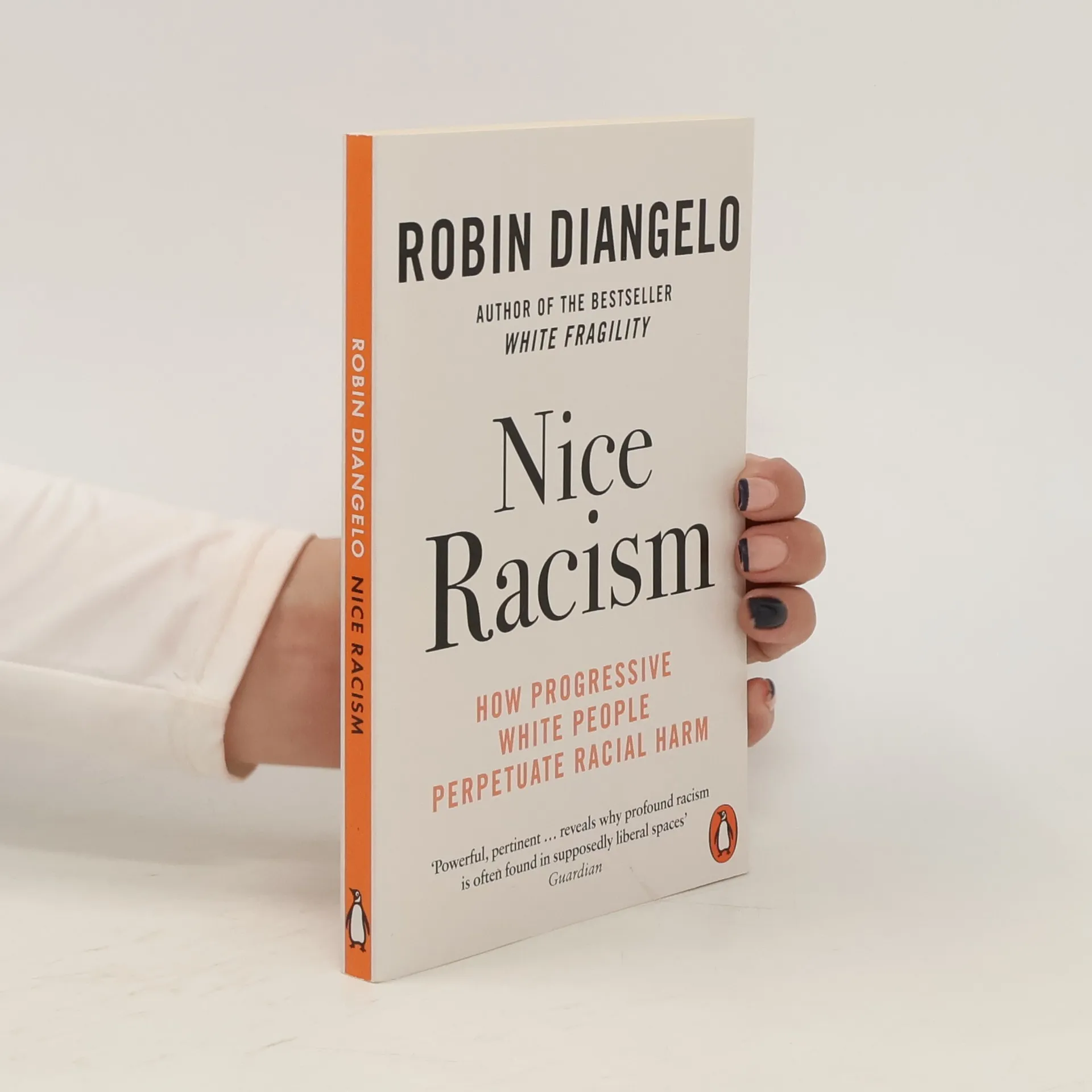
    Nice Racism
    White fragility : why it's so hard for white people to talk about racism
    Nice racism : how progressive white people perpetuate racial harm
    What Does It Mean to Be White?
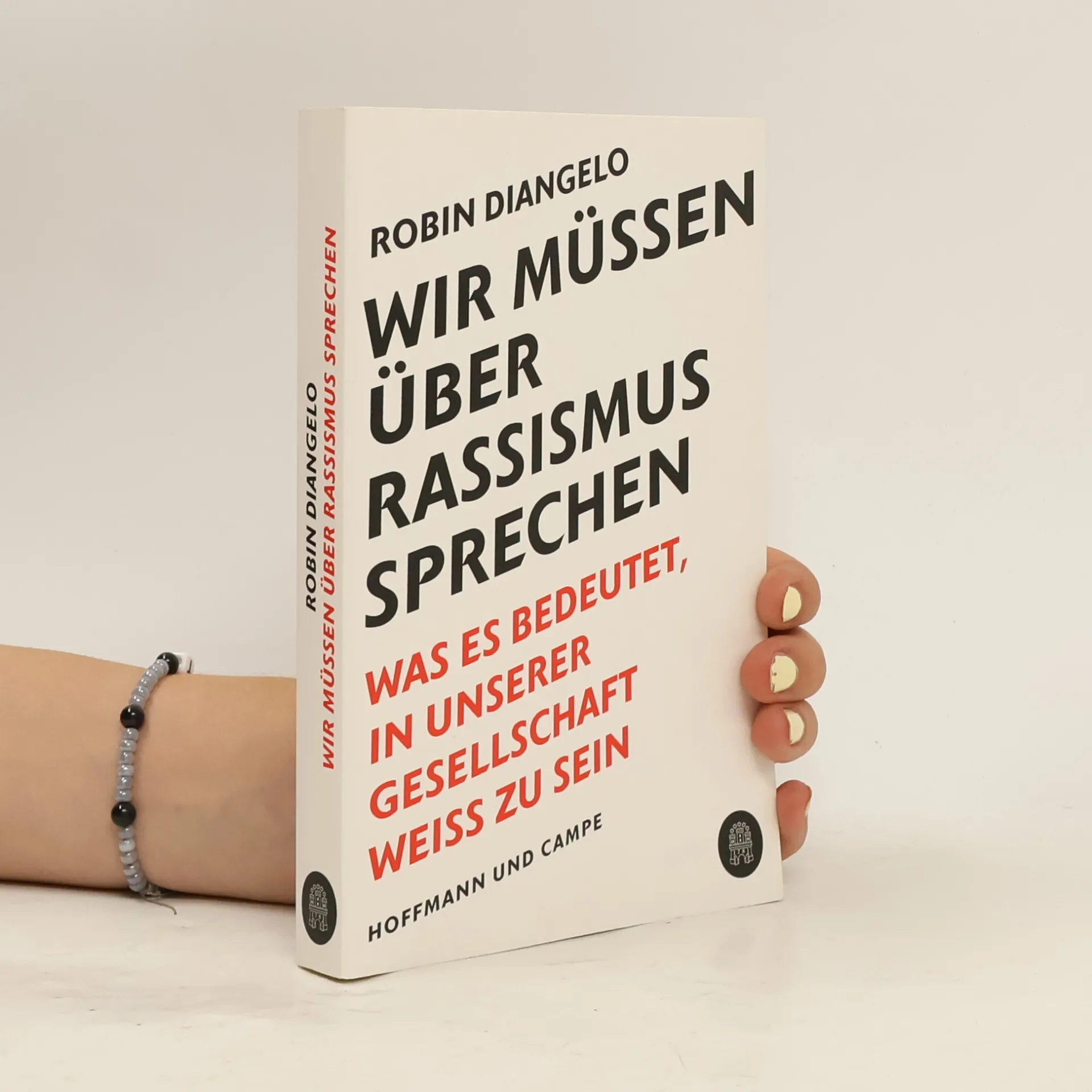
    Wir müssen über Rassismus sprechen
    • Wir müssen über Rassismus sprechen

      Was es bedeutet, in unserer Gesellschaft weiß zu sein (New York Times-Bestseller - Deutsche Ausgabe von "White Fragility")

      • 224 Seiten
      • 8 Lesestunden

      »Rassismus ist ein Konstrukt unserer weißen Gesellschaft – also müssen wir auch dafür sorgen, dass er wieder verschwindet!« Robin DiAngeloRassismus ist ein gesellschaftliches Problem unserer Zeit. In diesem wegweisenden Buch zeigt Robin DiAngelo, welche Privilegien damit einhergehen, in einer von Weißen dominierten Gesellschaft weiß zu sein - und wie wir unbewusst Menschen aufgrund ihres Aussehens und ihrer Herkunft strukturell benachteiligen. Für das Phänomen, nicht über Rassismus sprechen zu wollen, hat DiAngelo den Begriff "weiße Fragilität" geprägt. Ausgehend davon erklärt sie den großen Riss in unserer Gesellschaft, die Gefahr, die von ihm ausgeht, und was wir tun können, um das System zu durchbrechen. Ein neues und hochaktuelles Standardwerk zum Thema Rassismus. Der New York Times-Bestseller der bekanntesten Rassismus-Expertin der USA

      Wir müssen über Rassismus sprechen
      3,9
    • What Does It Mean to Be White?

      • 380 Seiten
      • 14 Lesestunden

      In "What Does It Mean to Be White?", Robin DiAngelo explores the complexities of white identity in a racially divided society. She addresses white racial illiteracy, the impact of segregation, and challenges popular narratives that deny racism. This revised edition includes new chapters and discussion tools, making it a vital resource for anti-racism education.

      What Does It Mean to Be White?
      4,2
    • DiAngelo identifies racial patterns and breaks down how well-intentioned white people unknowingly perpetuate racial harm. These patterns include rushing to prove that we are 'not racist'; downplaying white advantage; romanticizing Black, Indigenous and other peoples of colour; pretending white segregation 'just happens'; expecting BIPOC people to teach us about racism; carefulness; and shame

      Nice racism : how progressive white people perpetuate racial harm
      4,1
    • Anger. Fear. Guilt. Denial. Silence. These are the ways in which ordinary white people react when it is pointed out to them that they have done or said something that has - unintentionally - caused racial offence or hurt. After, all, a racist is the worst thing a person can be, right? But these reactions only serve to silence people of colour, who cannot give honest feedback to 'liberal' white people lest they provoke a dangerous emotional reaction. Robin DiAngelo coined the term 'White Fragility' in 2011 to describe this process and is here to show us how it serves to uphold the system of white supremacy. Using knowledge and insight gained over decades of running racial awareness workshops and working on this idea as a Professor of Whiteness Studies, she shows us how we can start having more honest conversations, listen to each other better and react to feedback with grace and humility. It is not enough to simply hold abstract progressive views and condemn the obvious racists on social media - change starts with us all at a practical, granular level, and it is time for all white people to take responsibility for relinquishing their own racial supremacy.

      White fragility : why it's so hard for white people to talk about racism
      4,1
    • Racism is not a simple matter of good people versus bad. In White Fragility, Robin DiAngelo explained how racism is a system into which all white people are socialized. She also made a provocative claim: that white progressives cause the most daily harm to people of colour. In Nice Racism, her follow-up work, she explains how they do so. Drawing on her background as a sociologist and over twenty-five years working as an antiracist educator, she moves the conversation forward. Writing directly to white people as a white person, DiAngelo identifies many common racial patterns and breaks down how well-intentioned white people unknowingly perpetuate racial harm. Writing candidly about her own missteps and struggles, she models a path forward, encouraging white readers to continually face their complicity and embrace courage, lifelong commitment and accountability. Nice Racism is an essential work for any white person who wants to take steps to align their values with their actual practice, and offers people of colour an 'insider's' perspective which may be helpful for navigating whiteness.

      Nice Racism
      4,1
    • A reimagining of the best-selling book that gives young adults the tools to ask questions, engage in dialogue, challenge their ways of thinking, and take action to create a more racially just world. “I was taught to treat everyone the same.” “I don’t see color.” “My parents voted for Obama.” When white people have the opportunity to think and talk about race and racism, they more often than not don’t know how. In this adaptation of Dr. Robin DiAngelo’s best-selling book White Fragility, anti-racist educators Toni Graves Williamson and Ali Michael explain the concept of systemic racism to young adult readers and how to recognize it in themselves and the world around them. Along the way, Williamson and Michael provide tools for taking action to challenge systems of inequity and racism as they move into adulthood. Throughout the book, readers will find the following: · A dialogue between the adaptors that models anti-racist discussions · Definitions of key terms · Personal stories from this multiracial team · Discussion prompts to encourage readers to journal their reactions and feelings · Illustrations to help concepts of white fragility and systemic racism come alive · Portraits of scholars and activists, including Carol Anderson, Ta-Nehisi Coates, and Ijeoma Oluo, whose work is amplified throughout Dr. DiAngelo’s theory of white fragility.

      White Fragility (Adapted for Young Adults)
      3,9
    • "A first of its kind, accessible, in-depth resource for leading effective white racial affinity groups-an essential tool for building the skills and perspectives needed for white people to challenge racism"-- Provided by publisher

      The Facilitator's Guide for White Affinity Groups
      3,3