

Das Enzyklopädische Wörterbuch der Sprachwissenschaften umfasst nicht nur die Linguistik im engeren Sinne, sondern behandelt auch grundlegende Konzepte wie das Zeichen und berücksichtigt die Produktionen der Sprache, was der Poetik einen besonderen Platz einräumt. Es gliedert sich in vier Hauptteile: die Schulen (von den Anfängen im 17. Jahrhundert bis zu Chomsky), die Bereiche (einschließlich der psycho- und soziolinguistischen Ansätze), die methodologischen Konzepte (vom grundlegendsten - dem Zeichen - bis zu den abgeleiteten - den literarischen Gattungen) und die deskriptiven Konzepte (von den einfachsten - den bedeutungslosen Einheiten - bis zu den komplexesten - Sprache und Handlung). In fünfundfünfzig Artikeln werden etwa achthundert Definitionen angeboten, die dank des abschließenden Indexes sowie eines Autorenverzeichnisses leicht auffindbar sind. Dieses Werk stellt eine unverzichtbare Darstellung dar und ist ein äußerst praktisches Arbeitsinstrument.
Catherine Porter Bücher



Das Geschlecht, das nicht eins ist
- 224 Seiten
- 8 Lesestunden
„. erste Ansätze einer feministischen Theorie, die überhaupt den Namen Theorie verdient.“ (Marlies Gerhardt, Kursbuch)
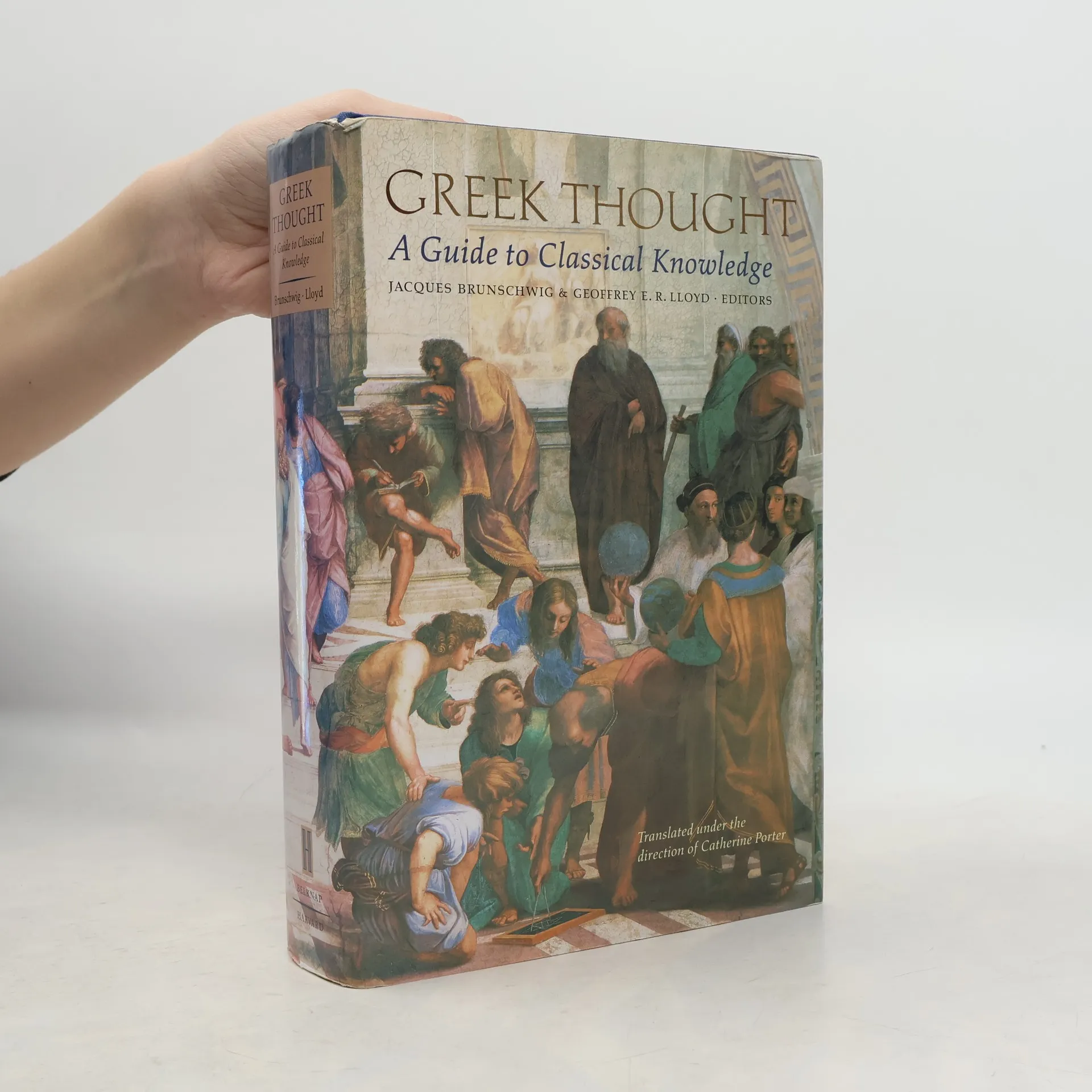
Harvard University Press Reference Library: Greek Thought
A Guide to Classical Knowledge
- 1056 Seiten
- 37 Lesestunden
Ancient Greek thought serves as a foundational source for Western intellectual, ethical, and political civilization, influencing contemporary reflections. This volume features over sixty essays by international scholars, examining the scope of Greek thought, including their knowledge, beliefs, inventions, and understanding of knowledge itself. It highlights the reflexivity inherent in Greek thought, reminding us of our intellectual debts to them. Divided into sections on philosophy, politics, the pursuit of knowledge, major thinkers, and schools of thought, the work illustrates how the Greeks engaged in self-examination, defining the frameworks for understanding life, language, production, and action. The authors focus not just on historical facts but on the narratives the Greeks created about their history, their poetic expressions, and rhetorical practices. Essays cover a range of topics, from political and philosophical ideas to specific fields like Astronomy, History, Mathematics, and Medicine. They provide fresh insights on key figures from Anaxagoras to Zeno of Elea and explore core traditions from the Milesians to various interpretations of Platonism. Collectively, these contributions reflect the Greeks' insatiable thirst for knowledge, a trait Aristotle deemed universal among humans. Accompanied by thirty-two pages of color illustrations, this work captures the richness and dynamism of the Greek intellectual journey
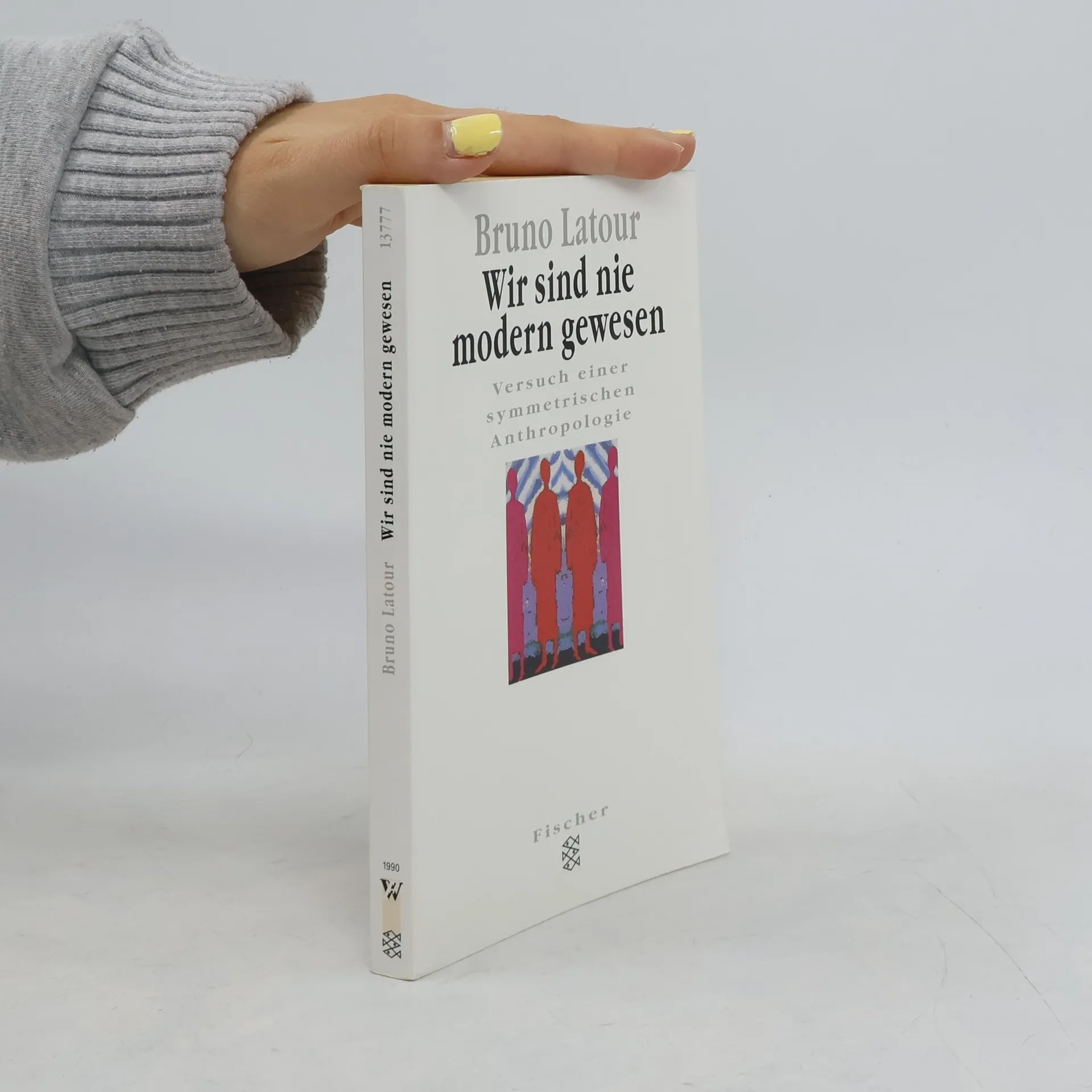
Wir sind nie modern gewesen
- 208 Seiten
- 8 Lesestunden
Am Beginn der modernen Naturwissenschaft steht die strikte Trennung von Natur und Gesellschaft, von „natürlichen“ und „gesellschaftlichen“ Instanzen. Bruno Latour, einer der prominentesten und eigenwilligsten Vertreter der neueren französischen Wissenschaftsforschung, optiert in seinem Buch dafür, sich diese Trennung etwas genauer anzusehen. Seine These lautet: je strikter und gründlicher diese Trennung in der Moderne vollzogen wurde, um so besser konnten sich zwischen den getrennten Bereichen „Quasiobjekte“ ausbreiten, die sowohl natürlich wie gesellschaftlich determiniert sind. Diese hybriden „Quasiobjekte“, welche die Moderne ausgeblendet hat, gilt es anzuerkennen. Nur dann nämlich kann das zweifelhaft gewordene Credo der Moderne, daß ökonomische Rationalität, wissenschaftliche Wahrheit und Technik bereits Garanten eines sinnvollen Fortschritts sind, verabschiedet werden, ohne gleich in den Katzenjammer der Postmoderne zu verfallen.
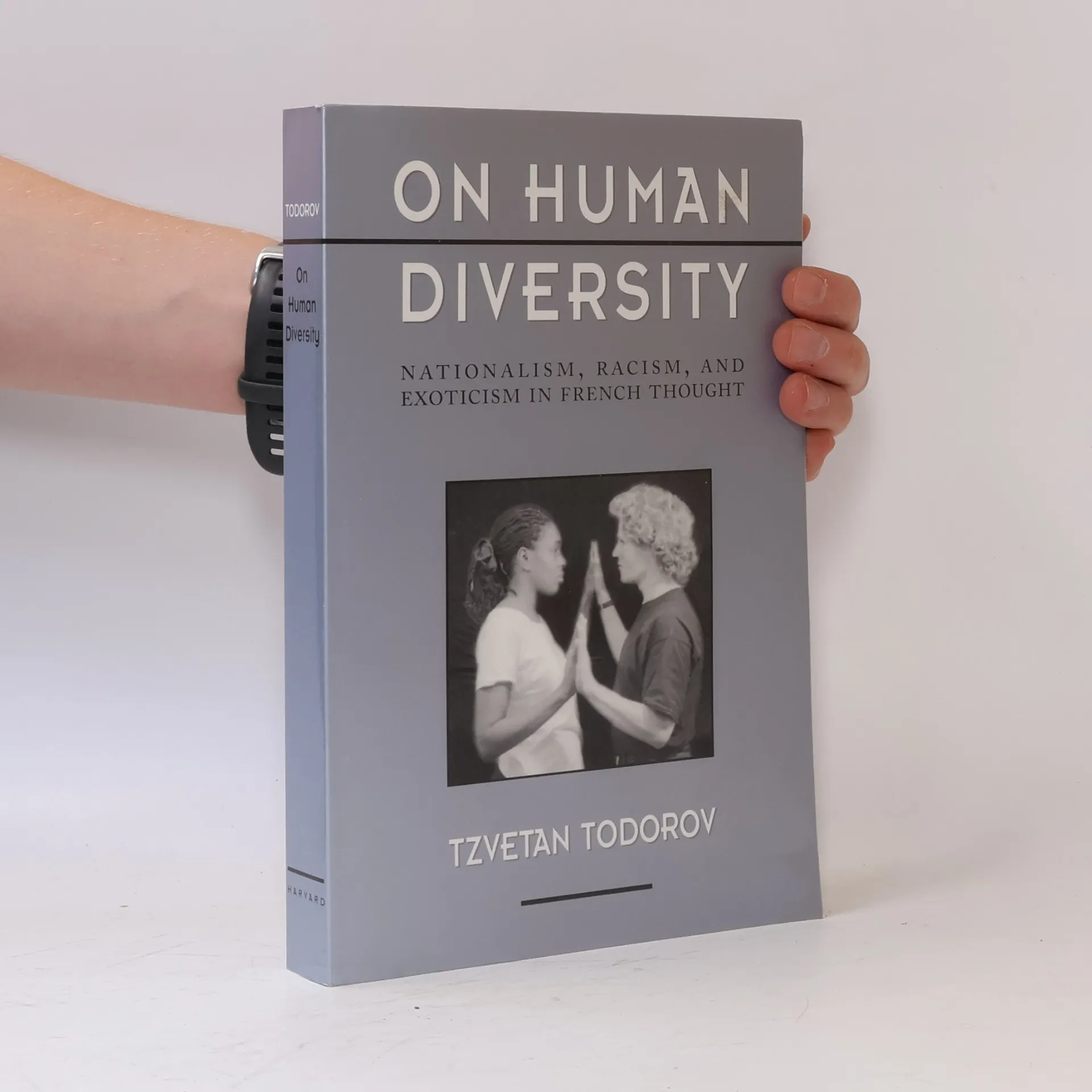
Convergences: Inventories of the Present: On Human Diversity
Nationalism, Racism, and Exoticism in French Thought
- 448 Seiten
- 16 Lesestunden
How can we understand cultures different from our own? In the early modern period, Europeans viewed human diversity through a lens of assumed superiority. However, the eighteenth century marked a shift, as thinkers began to recognize that other peoples possessed reason and deserved respect. Despite this progress, Enlightenment beliefs in universal human nature have faced criticism, particularly for their role in the prejudices and atrocities of the twentieth century. Tzvetan Todorov seeks to rehabilitate Enlightenment ideals, arguing that they can inspire humane thought and action today. He poses critical questions about how to navigate the dangers of distorted universalism and relativism. Focusing on the French intellectual tradition, Todorov analyzes key figures from Montaigne to Lévi-Strauss, illustrating how theories of human diversity emerged and were later misappropriated. The virtues of Enlightenment thought turned into vices due to the influences of racism, nationalism, and exoticism. Todorov advocates for a renewed acceptance of human diversity through a "critical humanism," echoing the ideas of Rousseau and Montesquieu. This work offers profound insights and a synthesis that can enhance our understanding of contemporary racial and ethnic tensions.
Describes the parts of a book and how books are produced, and provides advice on collecting early printed books, modern first editions, books notable for their typography, bindings, or illustrations, children's books, and books on specific subjects