Die Entdeckung des Chaos
- 336 Seiten
- 12 Lesestunden
Immer und überall herrschen Turbulenzen. Unvorhersagbarkeiten und Unregelmäßigkeiten, kurz: Chaos


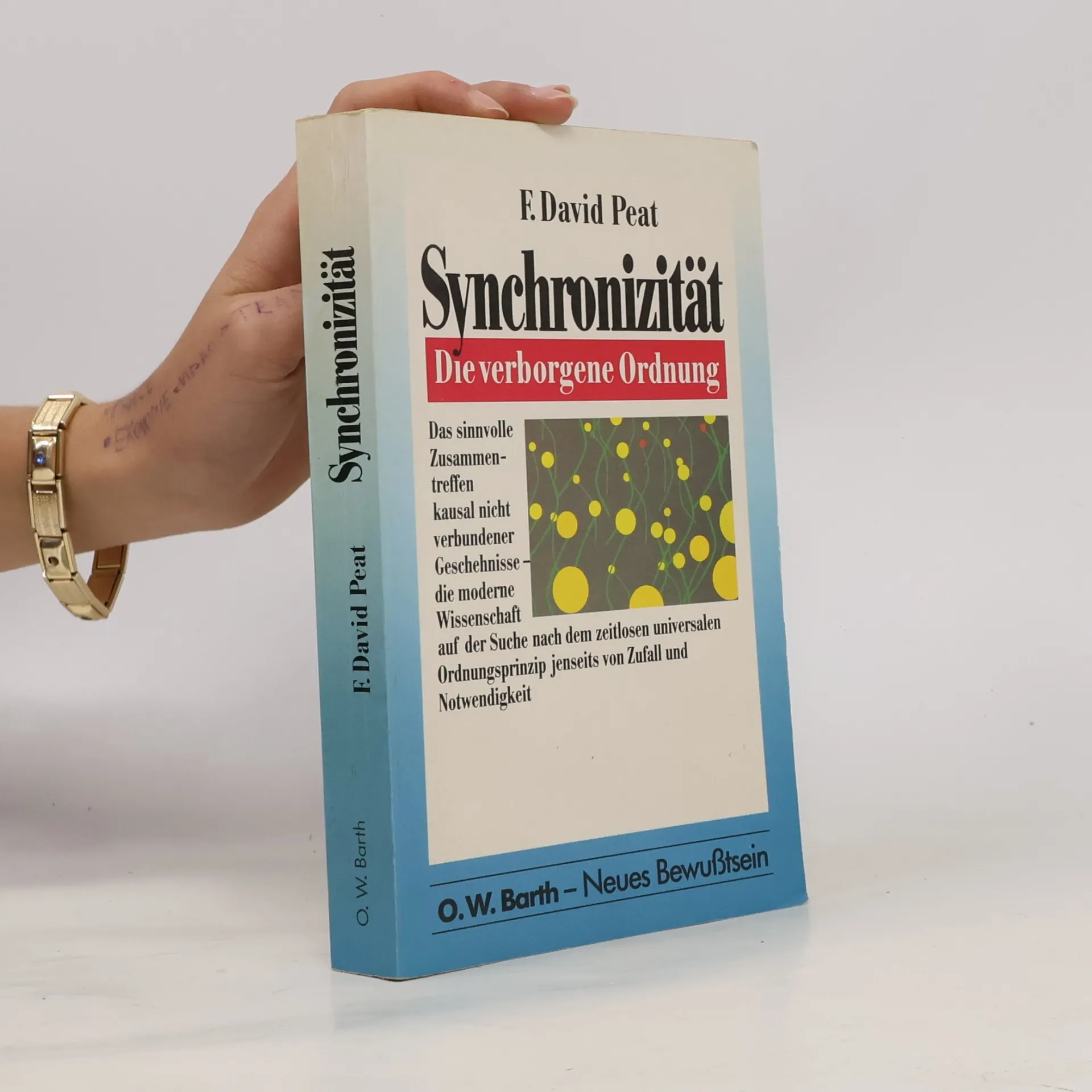
Peats Interessen erstrecken sich über die theoretische Physik hinaus und umfassen Psychologie, insbesondere die von Carl Jung, Kunst und allgemeine kulturelle Aspekte, einschließlich der nordamerikanischen Ureinwohner. Er arbeitete mit David Bohm zusammen und verfasste Werke zur Quantentheorie, Chaostheorie sowie eine Studie über Synchronizität. Nach seinem Umzug in das Dorf Pari in Italien gründete Peat das Pari Center for New Learning. Seine Schriften erforschen die Vernetzung von Wissenschaft, Psychologie und Kultur.



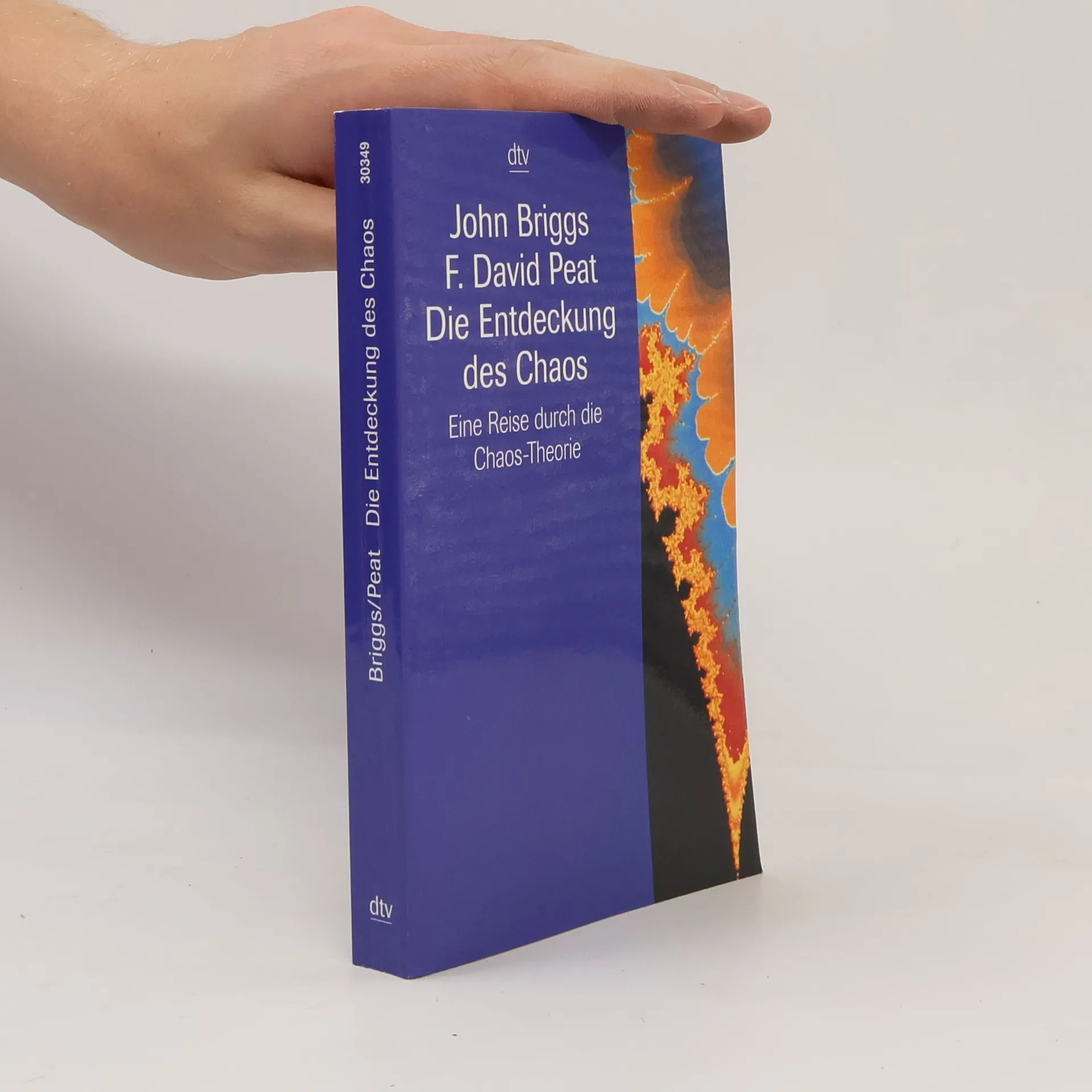
Immer und überall herrschen Turbulenzen. Unvorhersagbarkeiten und Unregelmäßigkeiten, kurz: Chaos
Dieses Werk handelt von einer neuen Wissenschaft des Universums. Es präsentiert eine Sichtweise, in der Geist und Materie, Objektivität und Subjektivität in einem einzigen Ganzen vereint sind, sodass jede Zelle und jedes Atom in unserem Körper an diesem kreativen Prozess teilnimmt. Die betreffende Sichtweise behauptet, dass das Universum auf jeder Ebene unendlich komplex ist und dass seine feine Struktur durch keine Theorie oder wissenschaftliche Forschung vollständig erklärt werden kann. Ziel dieses Buches ist es, die traditionellen Trennungen und Grenzen zwischen der materiellen oder "realen" Welt und dem Wesen oder der Innerlichkeit der Dinge sowie ihrem Äußeren zu überwinden, indem die tiefen Verbindungen zwischen der Welt, die der Mensch erlebt, und diesen Aspekten erforscht werden. Darüber hinaus untersucht es die Integrität unserer Körper, Gedanken und Gefühle sowie die Verbindungen zwischen uns, unserer Gesellschaft und der Welt. Schließlich weckt dieses Buch das Verständnis, dass die gesamte Natur lebendig ist und dass es eine tiefe Verbindung zwischen allen Wesen gibt.
Mit faszinierenden historischen Anekdoten und scharfsinniger wissenschaftlicher Analyse verbindet dieses wichtige Werk antikes Denken mit moderner Theorie, um eine neue Sichtweise auf unser Universum zu offenbaren. Diese Perspektive kann unser Bewusstsein und unser Leben erweitern und möglicherweise den Weg zu einer neuen Wissenschaft für das einundzwanzigste Jahrhundert weisen.
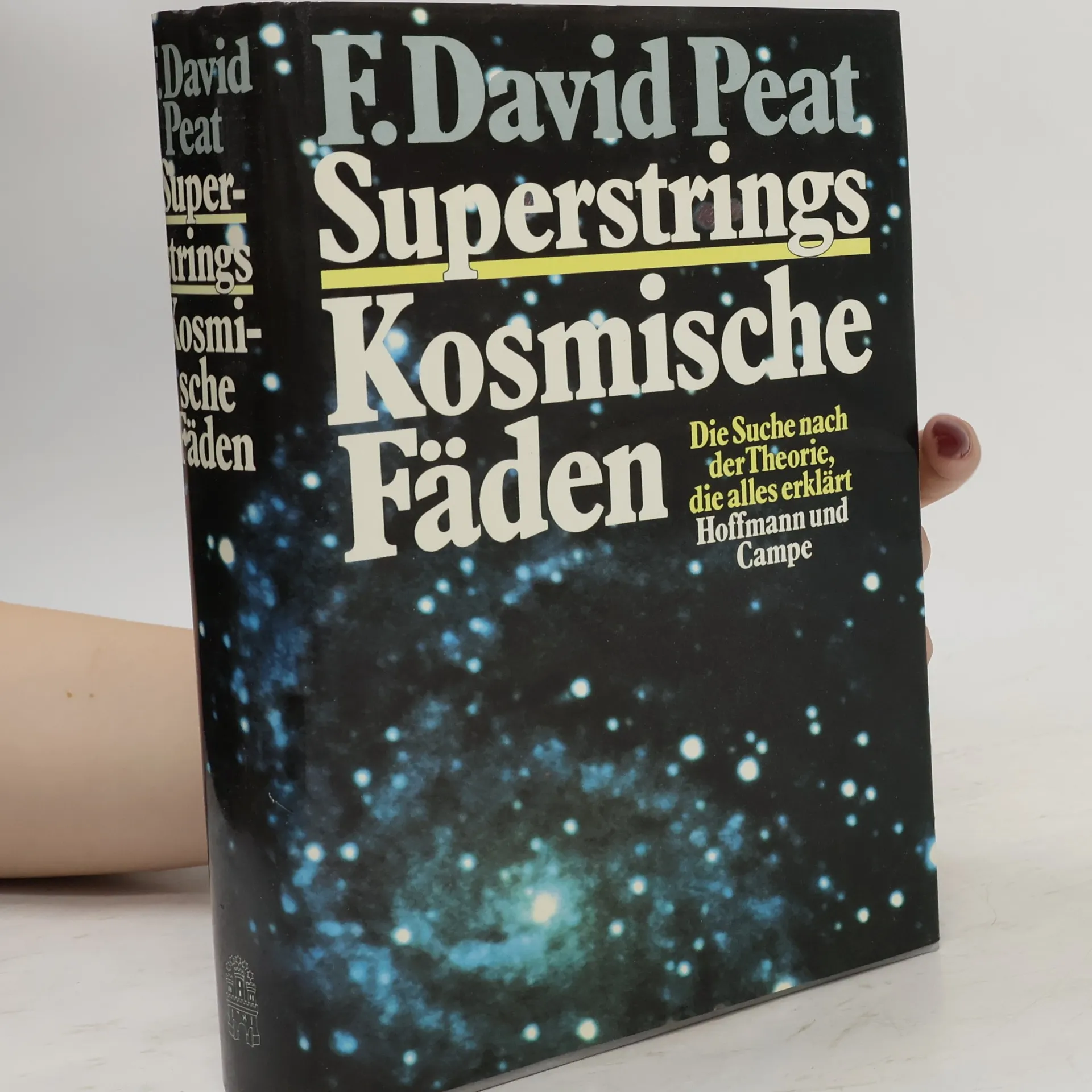
F. David Peat erläutert die Entwicklung und Bedeutung der Superstring-Theorie auf eine anschauliche und dramatische Weise, die auch für Laien ohne mathematische Vorkenntnisse zugänglich ist. Die Folgen der Superstring-Theorie sind nichts weniger als erstaunlich.
Klassiker des modernen Denkens
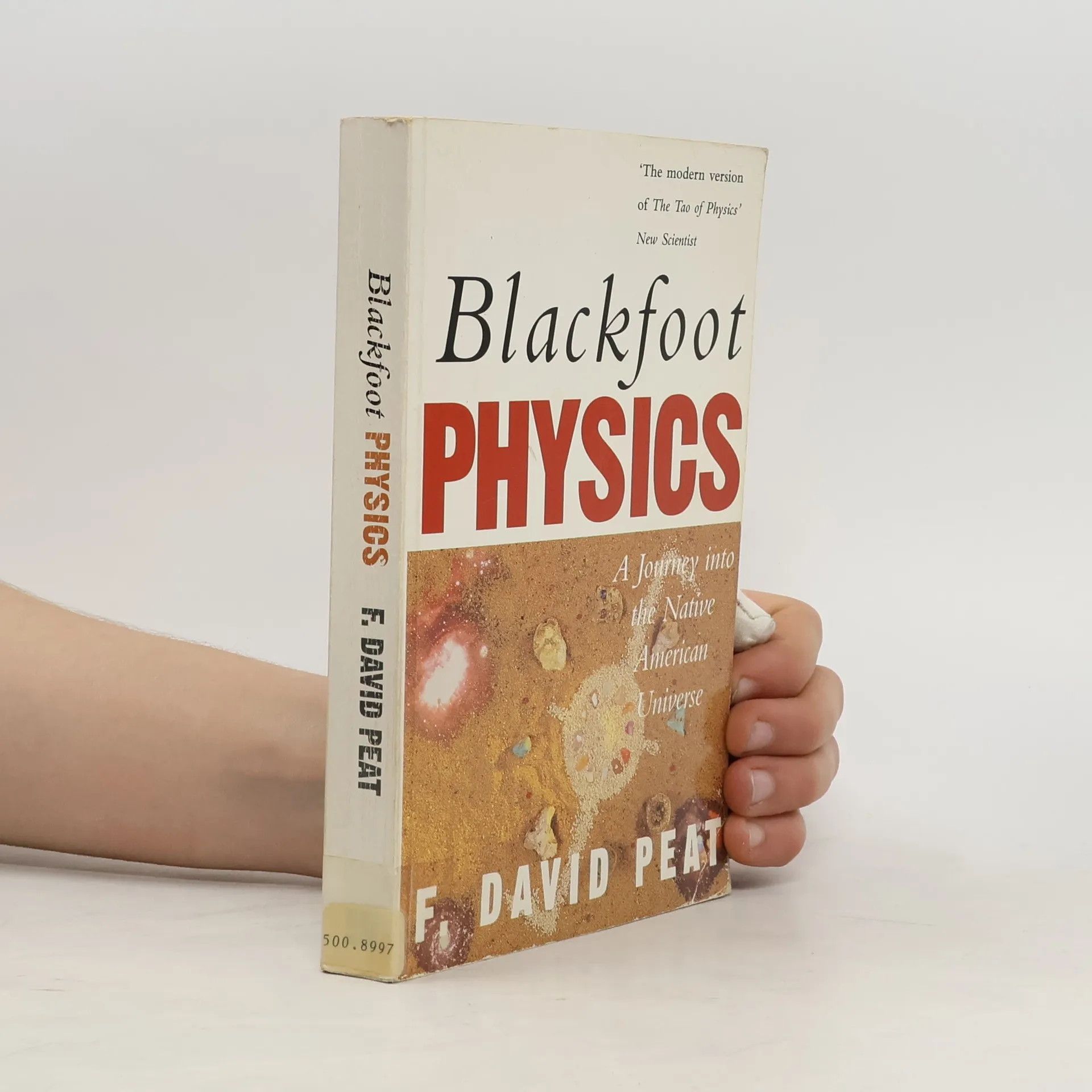
One summer in the 1980s, theoretical physicist F. David Peat went to a Blackfoot Sun Dance ceremony. Having spent all of his life steeped in and influenced by linear Western science, he was entranced by the Native American worldview and, through dialogue circles between scientists and native elders, he began to explore it in greater depth. Blackfoot Physics is the account of his discoveries. In an edifying synthesis of anthropology, history, metaphysics, cosmology, and quantum theory, Peat compares the medicines, the myths, the languages--the entire perceptions of reality of the Western and indigenous peoples. What becomes apparent is the amazing resemblance between indigenous teachings and some of the insights that are emerging from modern science, a congruence that is as enlightening about the physical universe as it is about the circular evolution of humanity's understanding. Through Peat's insightful observations, he extends our understanding of ourselves, our understanding of the universe, and how the two intersect in a meaningful vision of human life in relation to a greater reality.
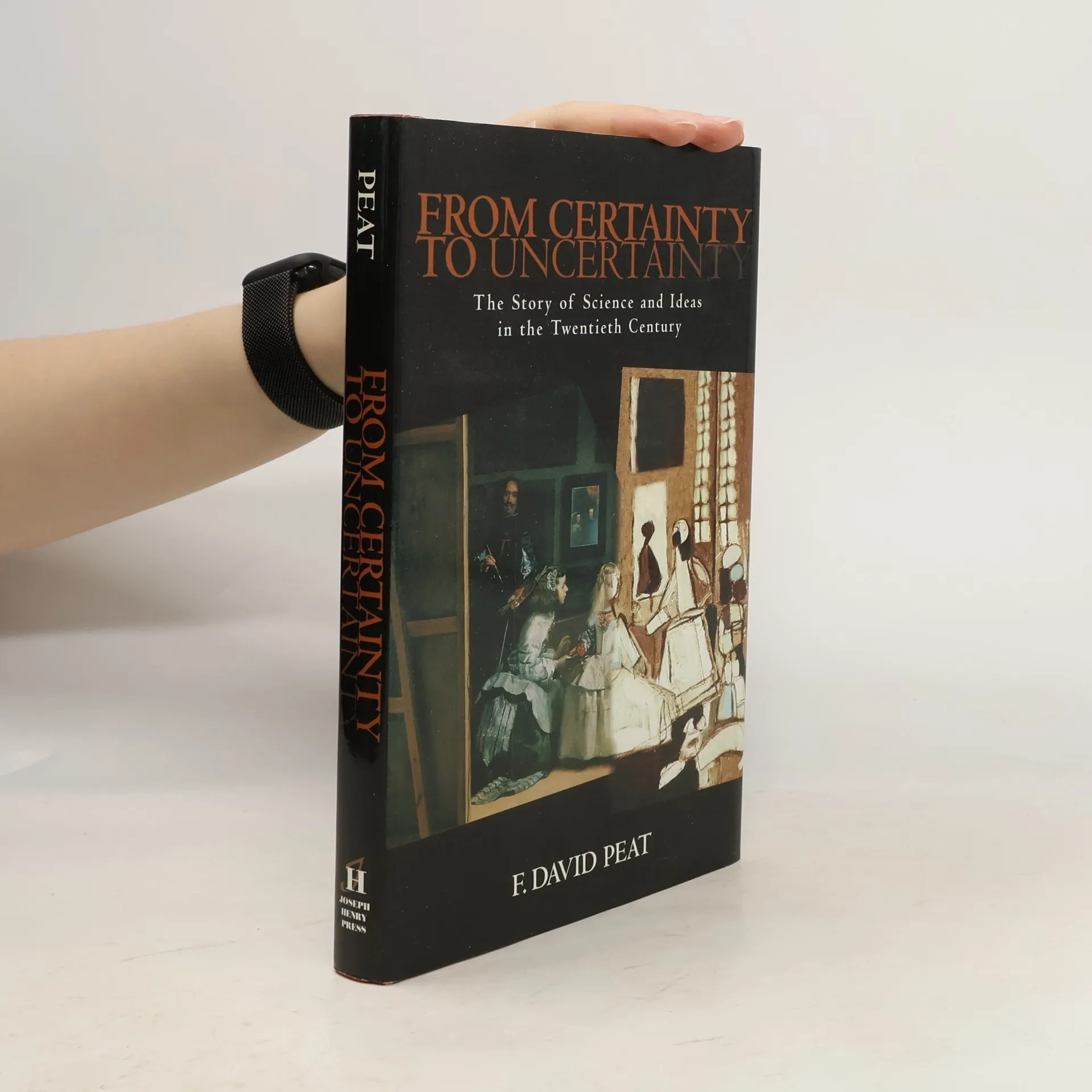
The Story of Science and Ideas in the Twentieth Century
About the Author F. David Peat was born in Liverpool, England. He completed his Ph.D. at the University of Liverpool. He was engaged in research in theoretical physics at the National Research Council of Canada for many years and had ongoing discussions on the foundations of physics with the late David Bohm. In 1996, Peat moved to the medieval village of Pari, Italy, where he created the Pari Center for New Learning, where people can explore the new paradigms created by science and think about society's meanings and values. Peat is a Fellow of the World Academy of Art and Science and a Corresponding Member of the European Academy of Arts, Science, and the Humanities. He is author of over 20 books including: The Blackwinged Night: Creativity in Nature and Mind and Infinite Potential: The Life and Times of David Bohm.
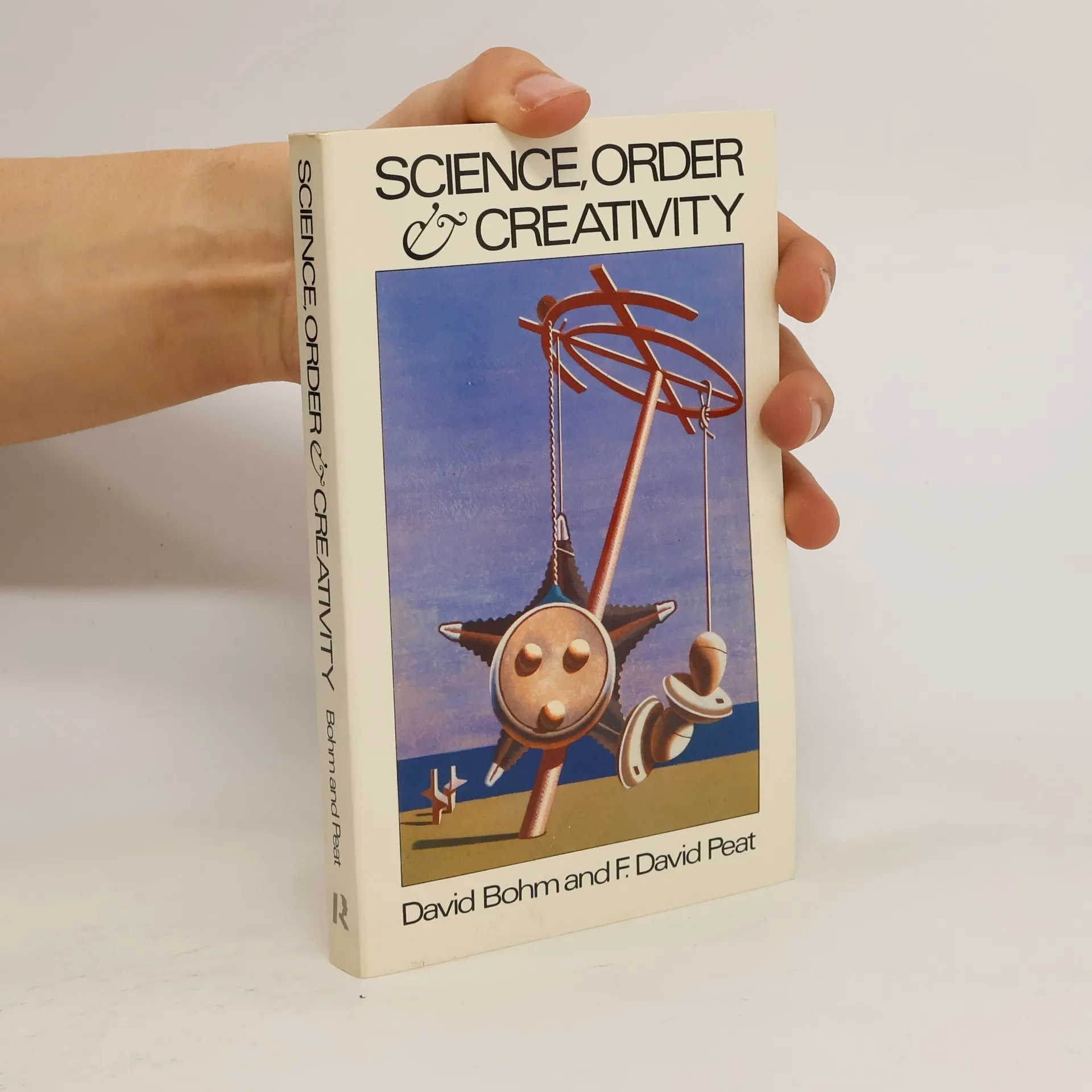
In Science, Order and Creativity, David Bohm and F. David Peat argue that science has lost its way in recent years and needs to go beyond a narrow and fragmented view of nature and embrace a wider holistic view that restores the importance of creativity and communication for all humanity - not just scientists. The result of a close collaboration by one of the 20th century's greatest physicists and thinkers, David Bohm, with leading science writer F. David Peat, provides a rare combination of profound reflection and clear exposition that can be appreciated by anyone concerned with science and its importance in our lives. This new edition includes a new preface and an extended additional chapter by Peat which draws upon further discussions with David Bohm before the latter's death in 1992. A fascinating diagnosis and considered proposal for a cure for science's ills, it is also very accessible entry point to the work of David Bohm. Bohm and Peat contend that science has lost its bearings in the last century in favour of a narrow, abstracted, fragmented approach to nature and reality. Tracing the history of science, Bohm and Peat offer intriguing new insights into how scientific theories come into being, how to eliminate blocks of creativity and how science can lead to a deeper understanding of society, the human condition and the human mind itself.
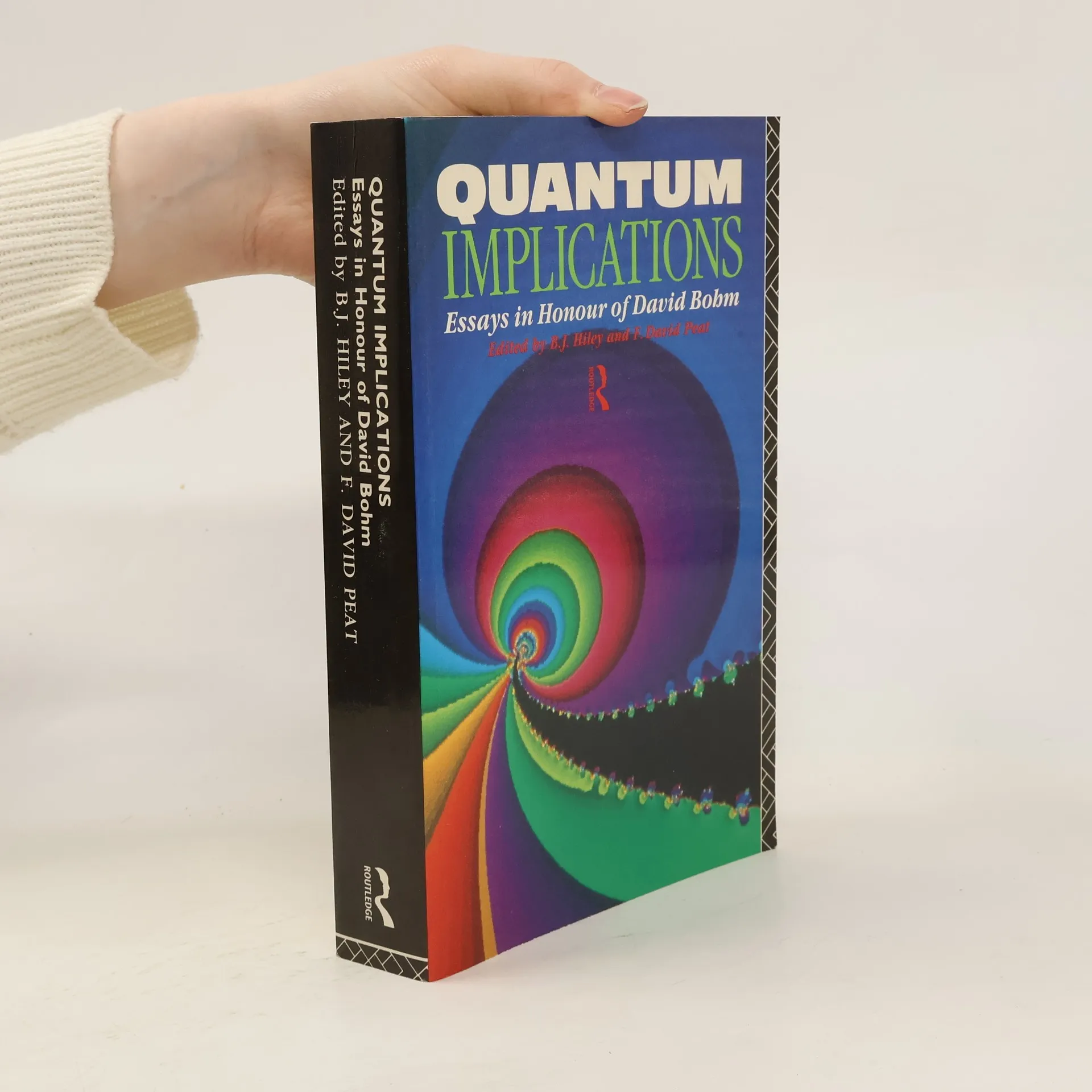
David Bohm is one of the foremost scientific thinkers of today and one of the most distinguished scientists of his generation. His challenge to the conventional understanding of quantum theory has led scientists to reexamine what it is they are going and his ideas have been an inspiration across a wide range of disciplines. Quantum Implications is a collection of original contributions by many of the world' s leading scholars and is dedicated to David Bohm, his work and the issues raised by his ideas. The contributors range across physics, philosophy, biology, art, psychology, and include some of the most distinguished scientists of the day. There is an excellent introduction by the editors, putting Bohm's work in context and setting right some of the misconceptions that have persisted about the work of David Bohm
A startling look at new theories of how the universe works.