

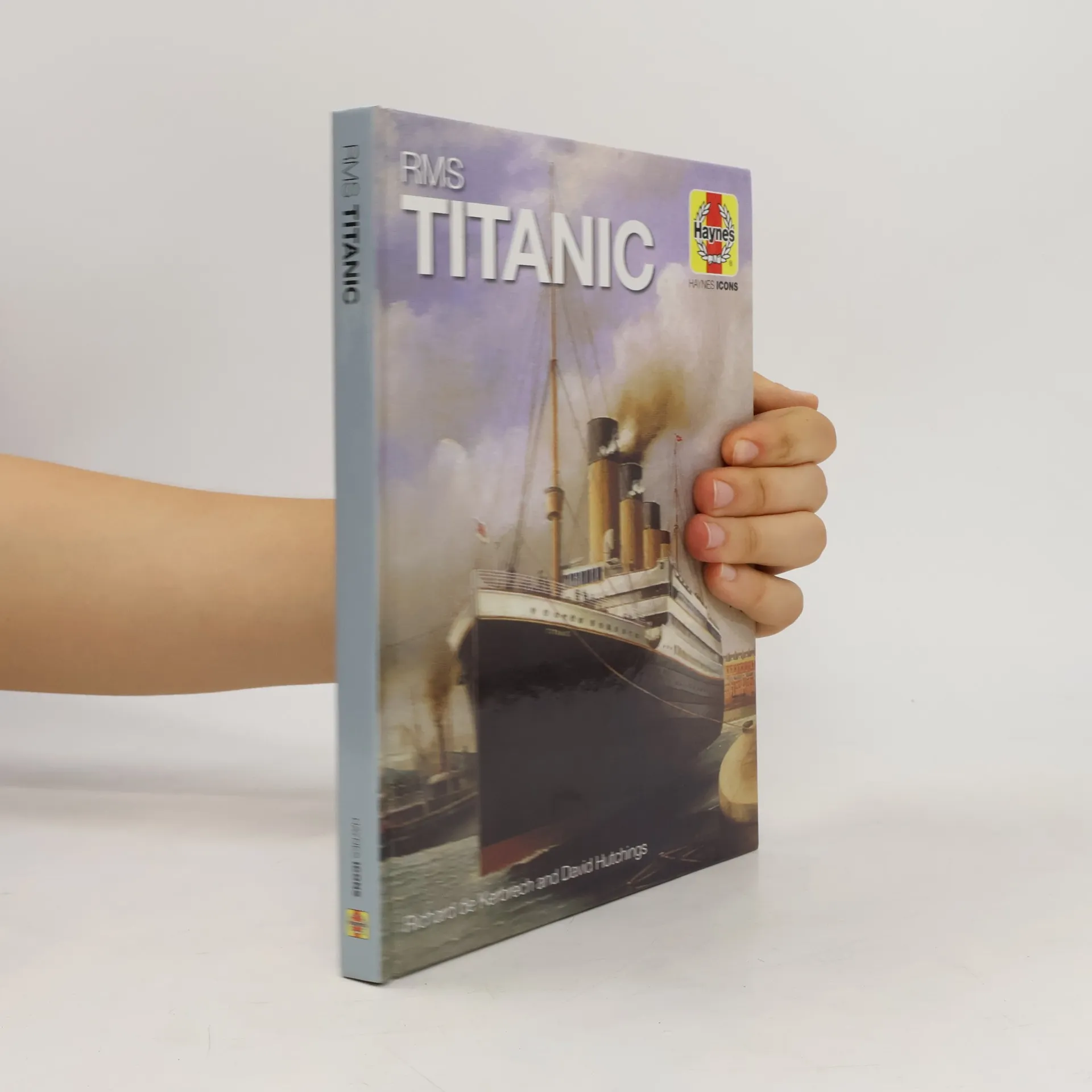
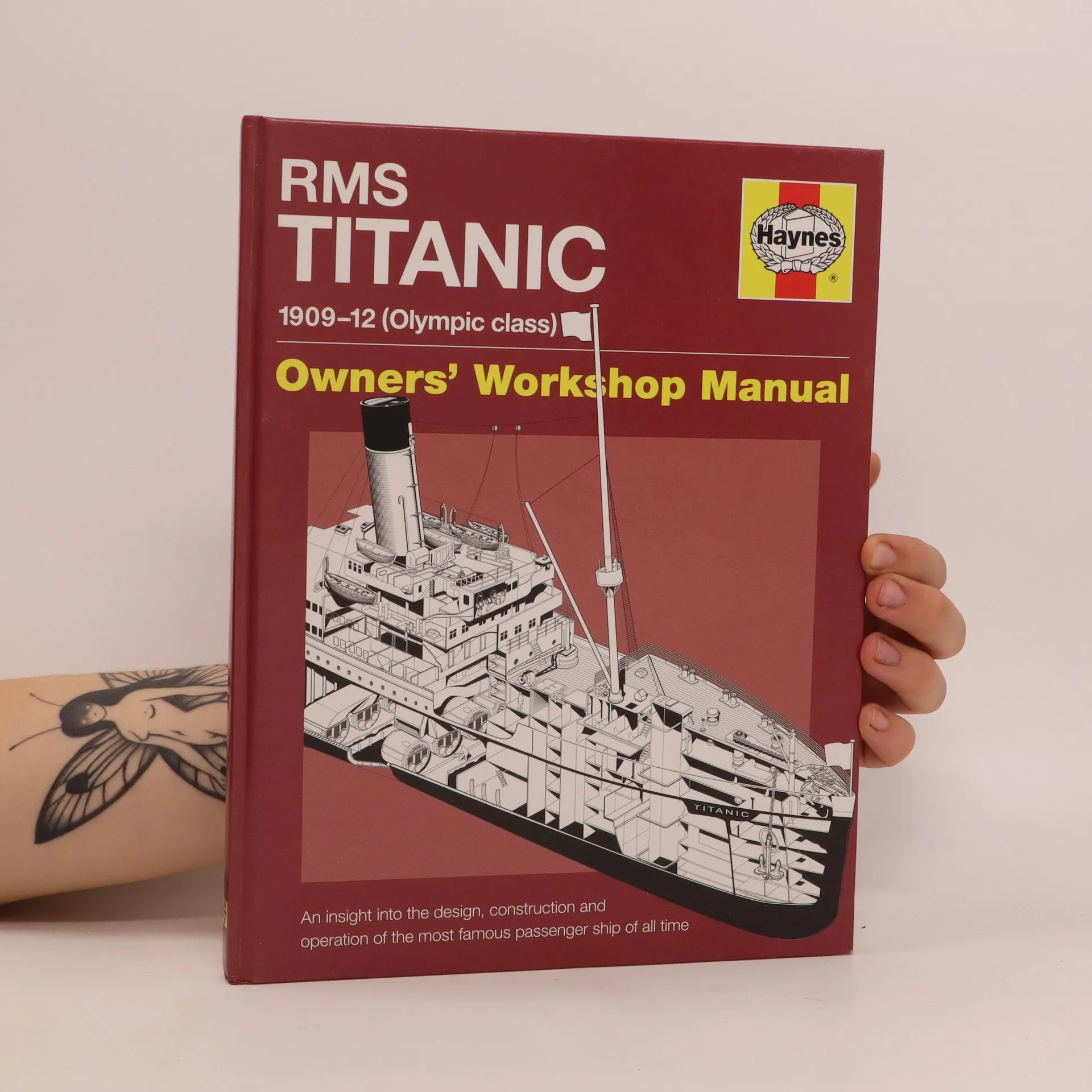
The world famous ocean liner Titanic, which sank on her maiden voyage in 1912, is the latest subject to receive the Haynes Manual treatment. This title contains hundreds of illustrations and helps to see how this leviathan was built, launched and fitted out.
Richard P. De Kerbrech Bücher
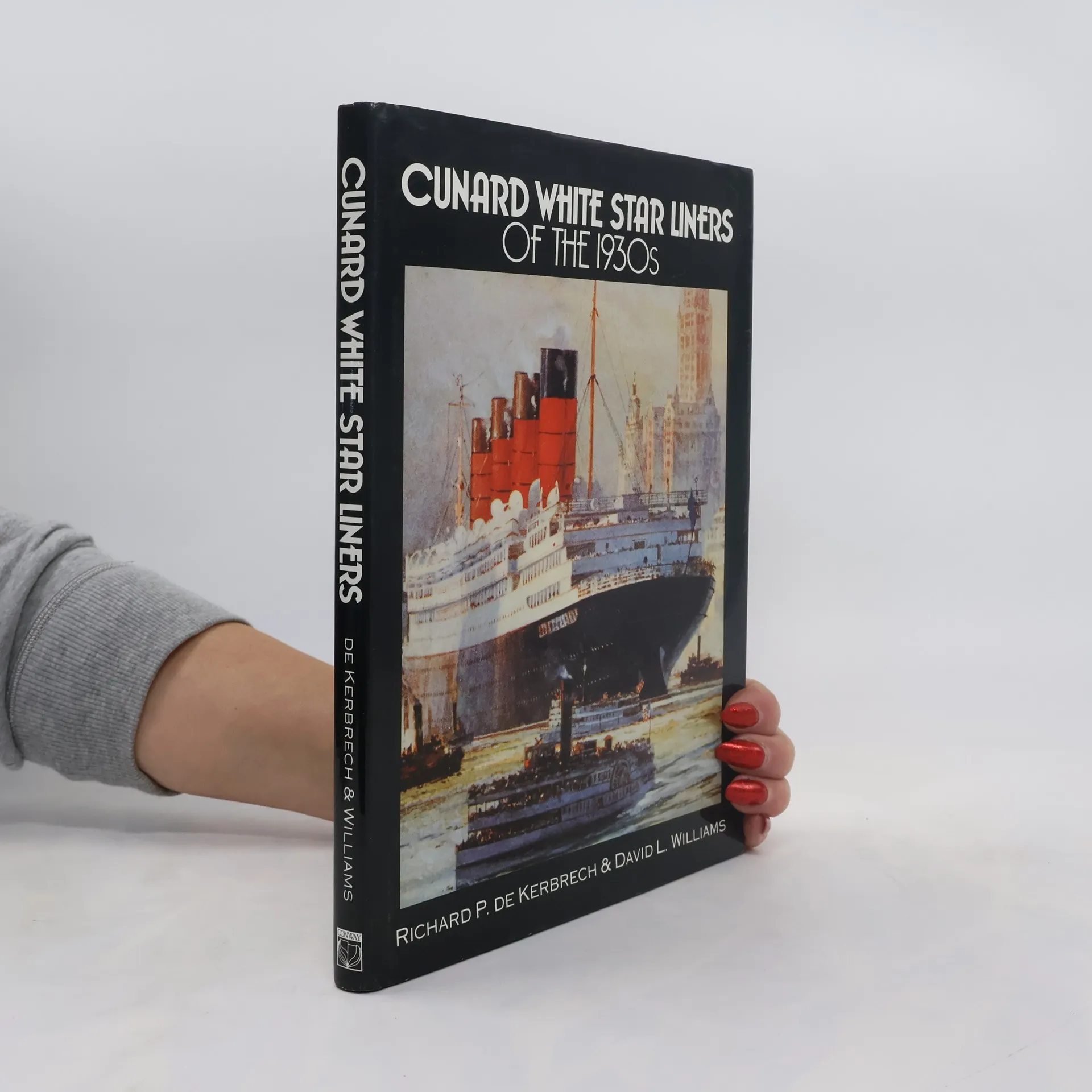
Cunard White Star Liners of the 1930s
- 127 Seiten
- 5 Lesestunden
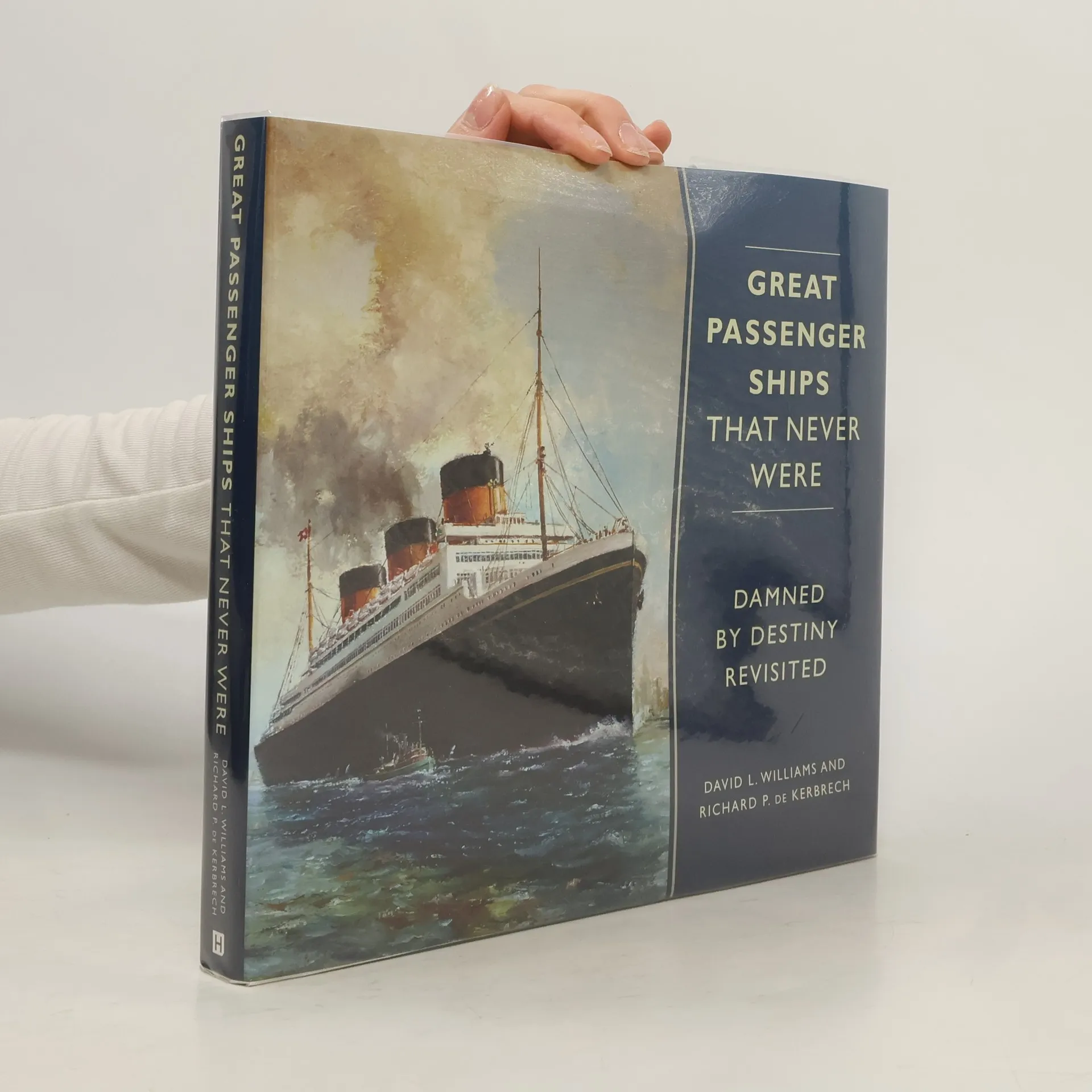
Great Passenger Ships That Never Were
- 264 Seiten
- 10 Lesestunden
A revised and enhanced new edition of this classic work, filling an important gap in maritime history
Haynes Icons: RMS Titanic
- 160 Seiten
- 6 Lesestunden
With an authoritative text and hundreds of illustrations, see how the RMS Titanic was built, launched and fitted out. Read about her lavish passenger accommodation. Learn about the captain’s responsibilities, including the operation of a transatlantic liner. Consider the chief engineer’s view – how did he manage the huge engines and other onboard systems? What was it like to operate a luxury ocean liner from the perspective of Titanic’s owner, the White Star Line?
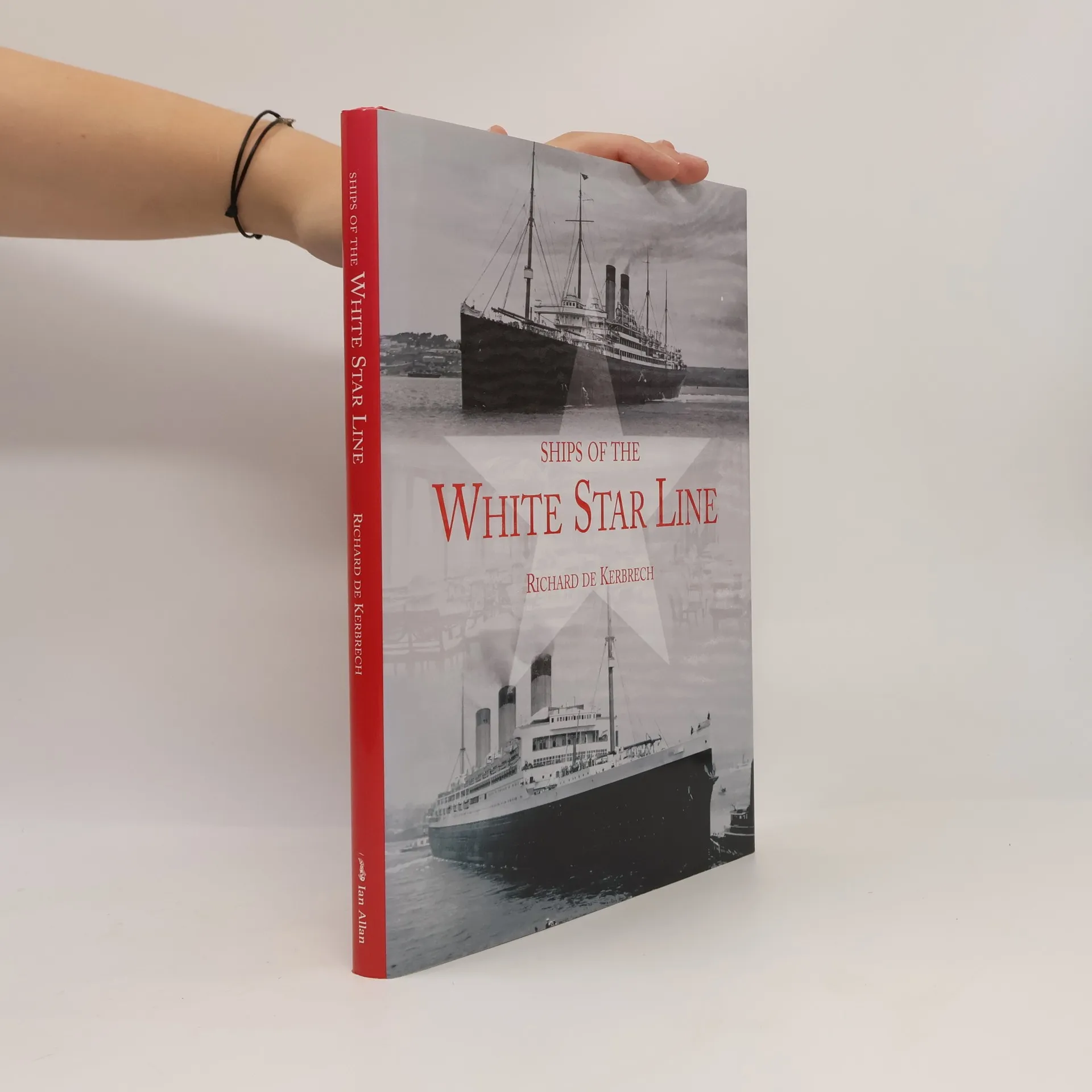
Ships of the White Star Line
- 240 Seiten
- 9 Lesestunden
The White Star Line was one of the most illustrious and controversial names in the history of passenger shipping. Its origins lay in Liverpool in the early 19th century, chartering sailing ships to Australia, but financial difficulties led to its takeover by Thomas Ismay in the 1860s. He was the founding father of the Oceanic Steam Navigation Company, the official name of the White Star Line. Despite a number of disasters with heavy loss of life, the company grew quickly to dominate the North Atlantic route, with famous ships such as Britannic and Germanic taking the Blue Riband for the fastest crossing several times in the late 19th century. At the turn of the century the company established an unrivaled standard of luxury in its new quartet of ships known as the Big Four, which led to the construction of the Olympic Class, which included Titanic. Despite the sinking of the Titanic in 1912, the Olympic had a long and successful career as the flagship of the White Star Line before the financial pressures of the Depression in the 1930s forced the merger of White Star with its rival Cunard. Ships of the White Star Line is the fruit of years of research by maritime historian Richard de Kerbrech. In it he tells the story of the company through all 89 ships that served the shipping line, each of which is illustrated with photographs, along with detailed technical information and vivid accounts of voyages and incidents.
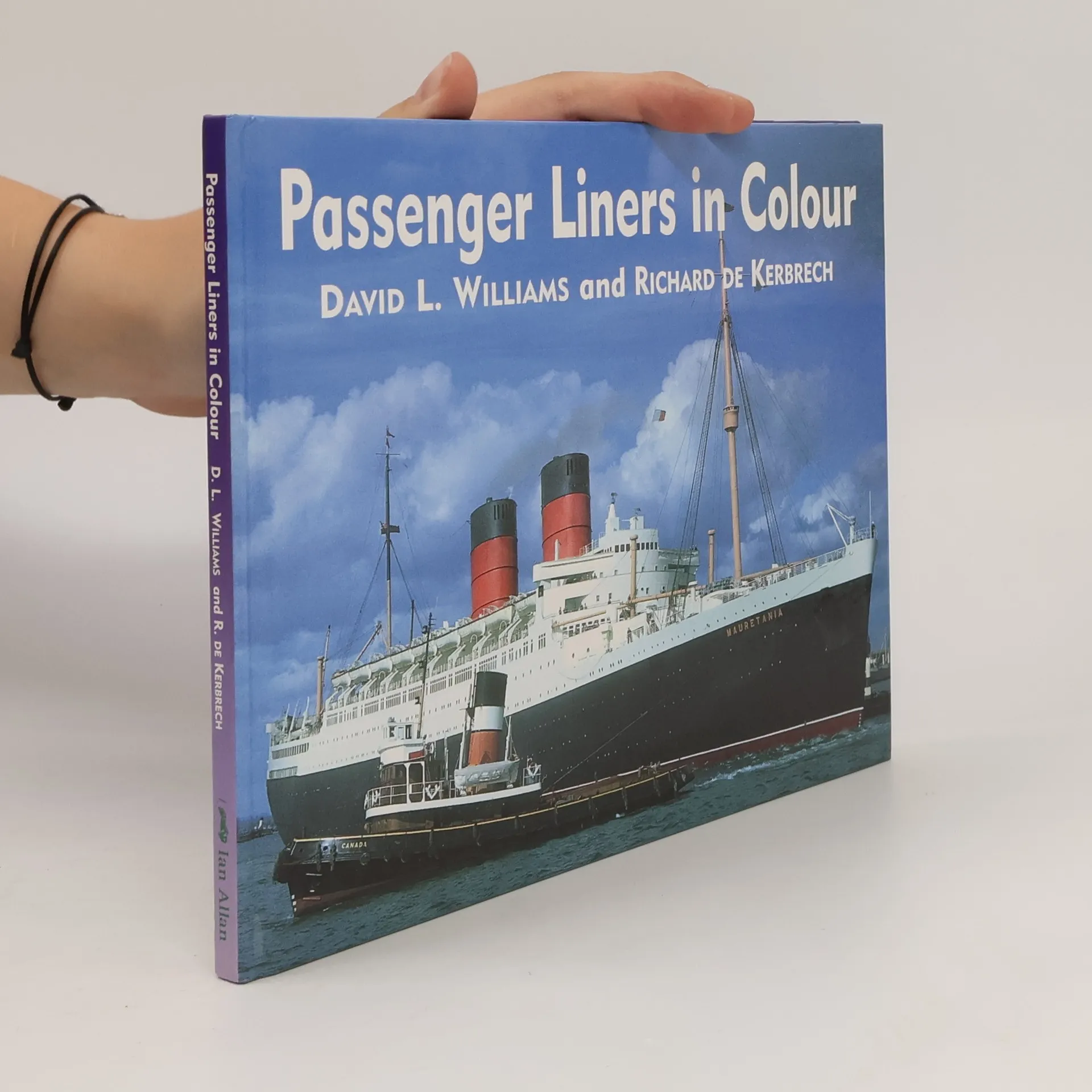
Passenger Liners in Colour
- 80 Seiten
- 3 Lesestunden
The final golden age of the ocean-going passenger liner was from the mid-1950s through to the late 1960s, when famous liners such as the Queen Mary, the Queen Elizabeth, The United States, and the France, traversed the Atlantic. They offered an unrivalled quality of service as they sought to become holders of the 'Blue Riband' for the fastest crossing. With nostalgia for the great days of luxury travel increasing, publication of this tribute to the last generation of ocean-going passenger liners is opportune. Some of the liners featured will be well-known others less so. The book will appeal to all those who remember travelling on the great liners during these years as well as all maritime enthusiasts.