Exploring the intricacies of translation, this work offers insights from a renowned expert in the field. It examines the challenges and nuances involved in conveying meaning across languages, highlighting the delicate balance between fidelity and creativity. Through personal anecdotes and critical analysis, the author sheds light on the art and craft of translation, making it a valuable resource for linguists, writers, and anyone interested in the power of language.
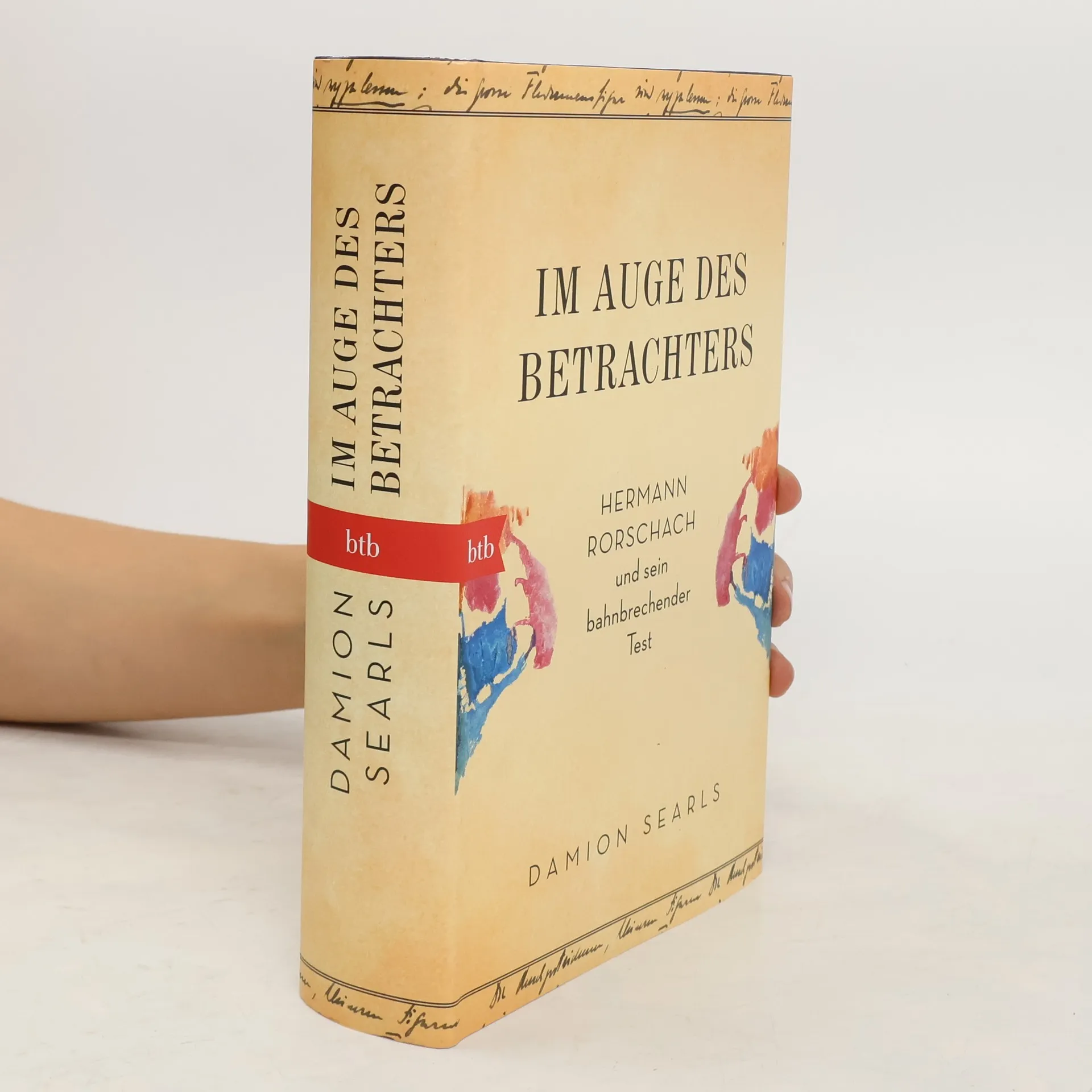
»Ein anregendes und vielseitiges Buch, in dem Wissenschafts- und Zeitgeschichte zusammenfließen.« ( Manuela Lenzen, FAZ ) Damion Searls faszinierende Mischung aus Biografie und Kulturgeschichte, basierend auf unveröffentlichten Briefen, Tagebuchaufzeichnungen und einen Fundus von bisher nicht bekannten Interviews mit Familie, Freunden und Kollegen, erzählt zum ersten Mal die Geschichte Hermann Rorschachs und seines emblematischen Tests. Rorschach, ein Schüler C. G. Jungs, arbeitet in einer abgelegenen Klinik in den Schweizer Bergen als Psychiater, ist aber auch interessiert an den aktuellen künstlerischen Bewegungen seiner Zeit. Er ist davon überzeugt, was uns ausmacht, ist weniger, was wir sagen, sondern was wir sehen. 1917 entwickelt er, basierend auf dieser Annahme einen Test: einen Satz von zehn sorgfältig gestalteten Tintenklecksbildern, um die Persönlichkeit des Betrachters auszuloten. Rorschach starb im Alter von nur 37 Jahren – den weltweiten Siegeszug seines Tests hat er nicht mehr erlebt. Nach Pearl Harbour wurde der Rorschach-Test als Eignungstest für die US-Army eingeführt, in den Nürnberger Prozessen ebenso angewandt wie im Dschungel von Vietnam. Nicht unumstritten wird er bis heute in vielen Ländern eingesetzt. Auch kulturell hat der Test seine Spuren hinterlassen: Ob Werbung, Hollywoodfilm oder Andy Warhol – an dem ikonenhaften Test kam niemand vorbei. Ausstattung: 16 Seiten farbiger Bildtteil
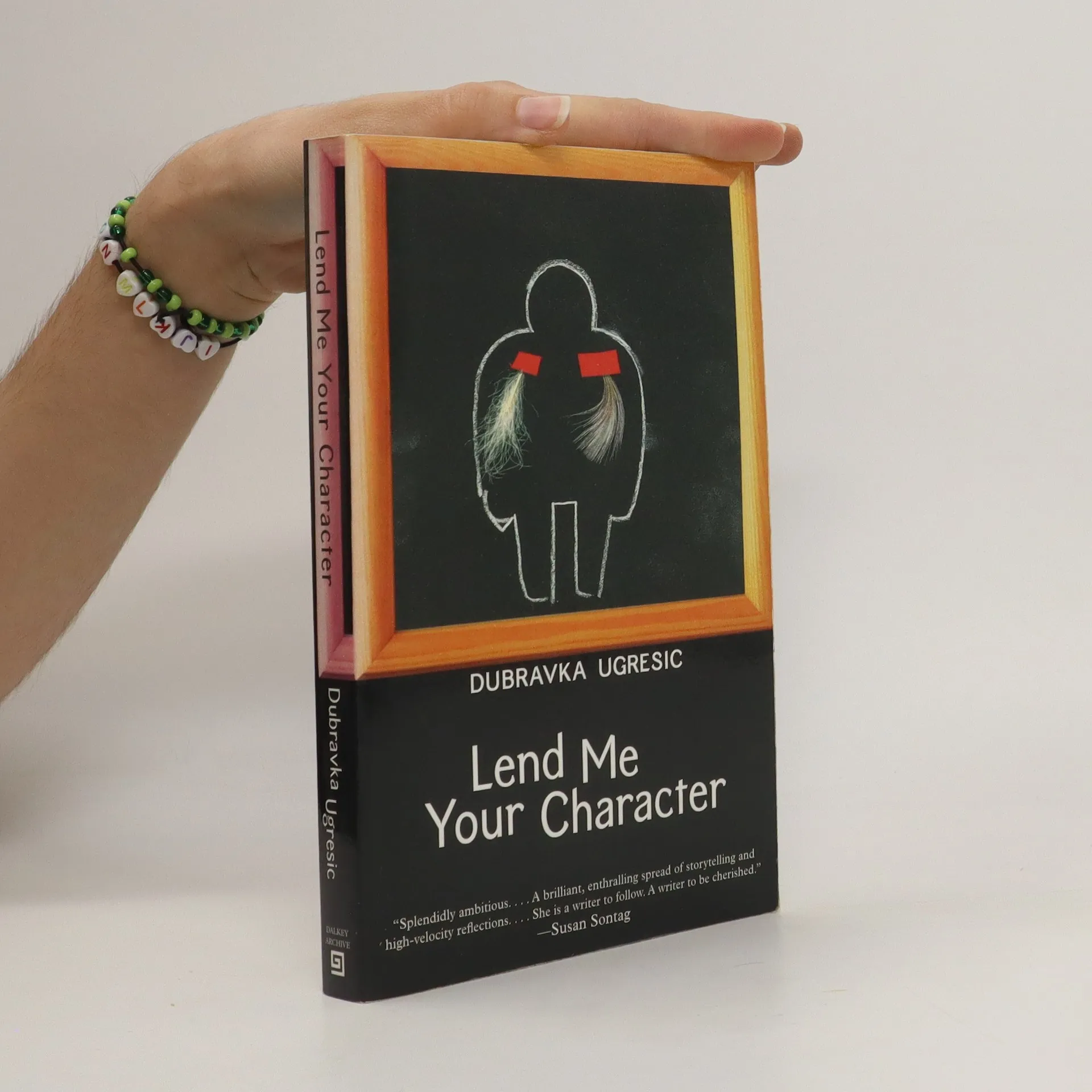
The pieces collected in Lend Me Your Character—the novella "Steffie Cvek in the Jaws of Life" and a collection of short stories entitled Life Is a Fairy Tale— solidify Dubravka Ugresic's reputation as one of Eastern Europe's most playful and inventive writers. From the story of Steffie Cvek, a harassed and vulnerable typist whose life is shaped entirely by clichés as she searches relentlessly for an elusive romantic love in a narrative punctuated by threadbare advice from women's magazines and constructed like a sewing pattern, to "The Kharms Case," one of Ugresic's funniest stories ever about the strained relationship between a persistent translator and an unresponsive publisher, the pieces in this collection are always smart and endlessly entertaining.