

Charles A. Kupchan widerlegt die gängige Meinung, dass das Ende des Kalten Krieges den Weg für eine Ära des Friedens und des Wohlstands geebnet hat, die ausschließlich von den Vereinigten Staaten angeführt wird. Er argumentiert, dass die nächste Herausforderung für die amerikanische Macht schnell aufkommt. Diese kommt nicht aus der islamischen Welt oder einem aufstrebenden China, sondern aus einem integrierenden Europa, das als Gegengewicht zu den Vereinigten Staaten aufsteigt. Jahrzehnte strategischer Partnerschaft über den Atlantik weichen einem erneuten geopolitischen Wettbewerb. Der Rückgang der amerikanischen Vorherrschaft wird durch die eigene Ambivalenz der USA, die Rolle des globalen Beschützers zu bleiben, und durch die Auswirkungen des digitalen Zeitalters auf die Politik des Landes und seine Rolle in der Welt beschleunigt. Durch die geschickte Auswertung der Lehren der Geschichte beleuchtet Kupchan, wie Amerika und die Welt sich auf den komplexeren und instabileren Weg vorbereiten sollten, der vor ihnen liegt.
Charles A. Kupchan Bücher

Isolationism
- 456 Seiten
- 16 Lesestunden
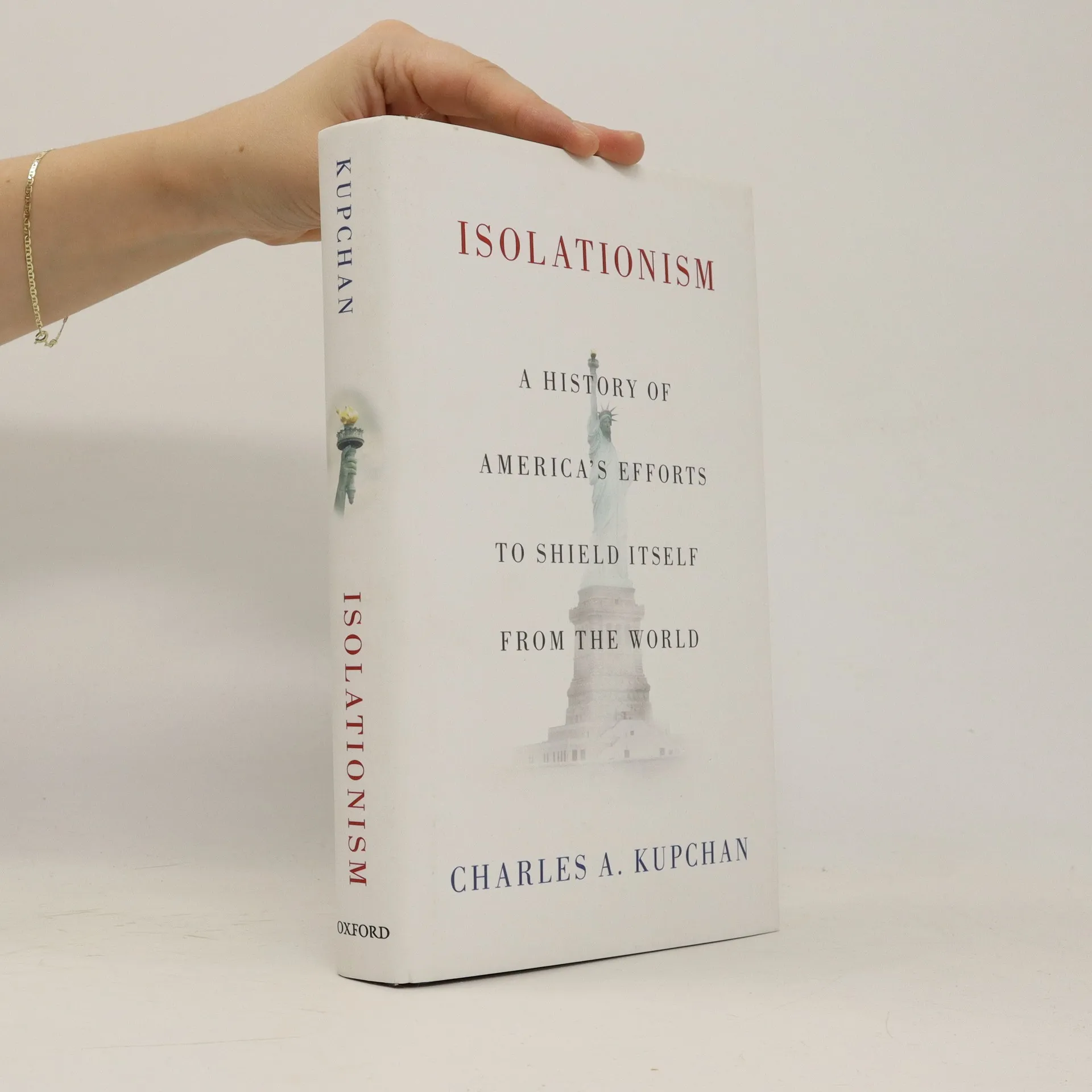
This is the first book to examine the full arc of American isolationism, from the founding era through the Trump presidency. Charles Kupchan tells the fascinating story of why isolationism dominated US statecraft for so long, uncovers isolationism's enduring connection to American exceptionalism, and explains why an aversion to foreign entanglement is making a comeback. This fresh account of American history sheds revealing light on not only the nation's past, but also where US grand strategy is headed and how the nation can find the middle ground between isolationism and strategic overreach.
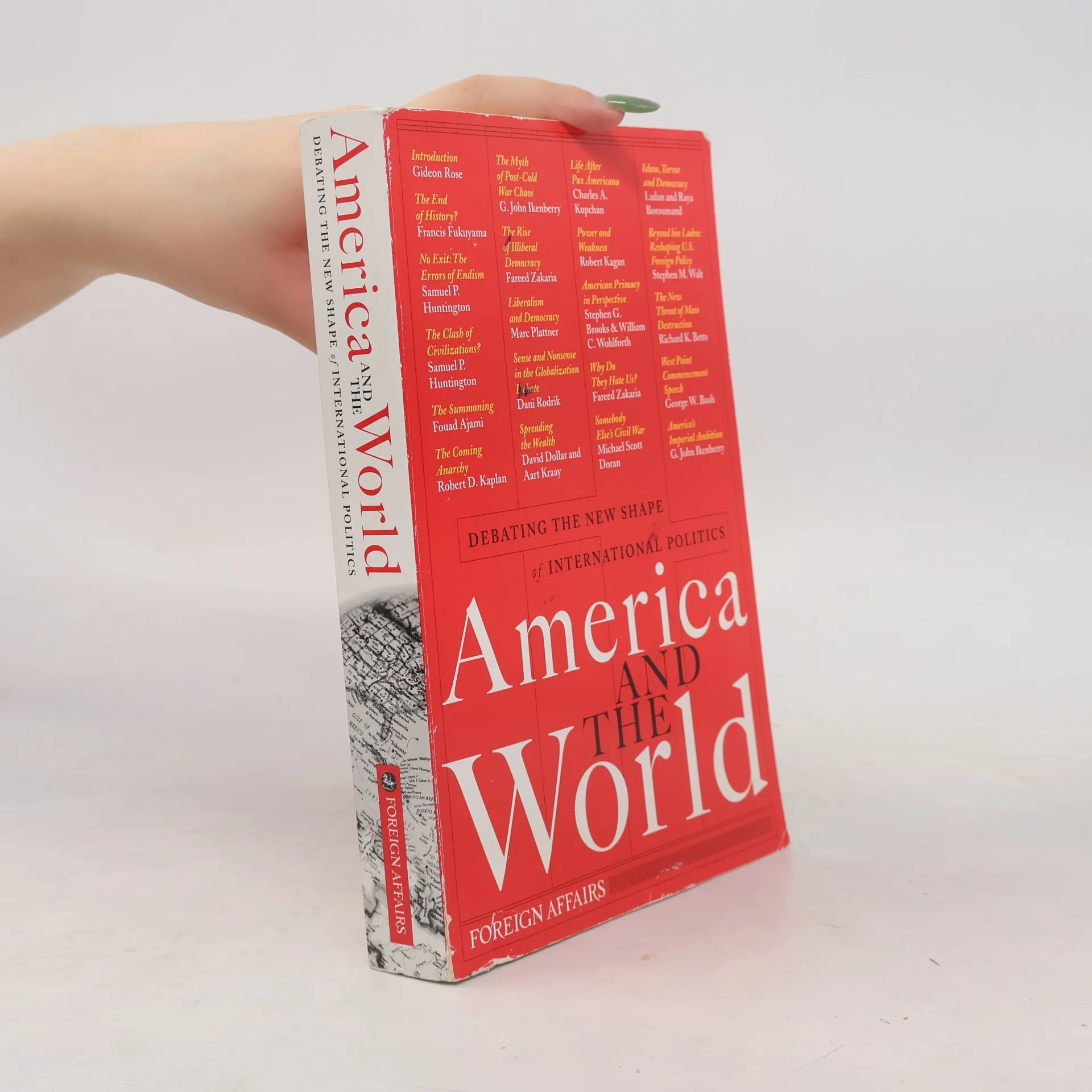
This comprehensive survey explores the key debates shaping U.S. foreign policy in the post-Cold War era. Following the Soviet Union's collapse, scholars have sought to understand the new international landscape. This collection showcases the insights of prominent thinkers, including Francis Fukuyama, Samuel P. Huntington, and Fareed Zakaria, who analyze the driving forces behind global events and America's response. Central questions addressed include the significance of ideology, culture, and power, as well as the future of global order versus chaos. The contributors examine the strength and vulnerabilities of the United States and discuss the appropriate use of its power for protection. Engaging with each other's arguments, these authors provide a rich dialogue that educates readers on contemporary international relations. Originally published in leading journals, these articles form an essential reading list for those interested in understanding current global dynamics. Notable contributors include Fouad Ajami, Richard K. Betts, Stephen G. Brooks, Robert D. Kaplan, and Stephen M. Walt, among others.