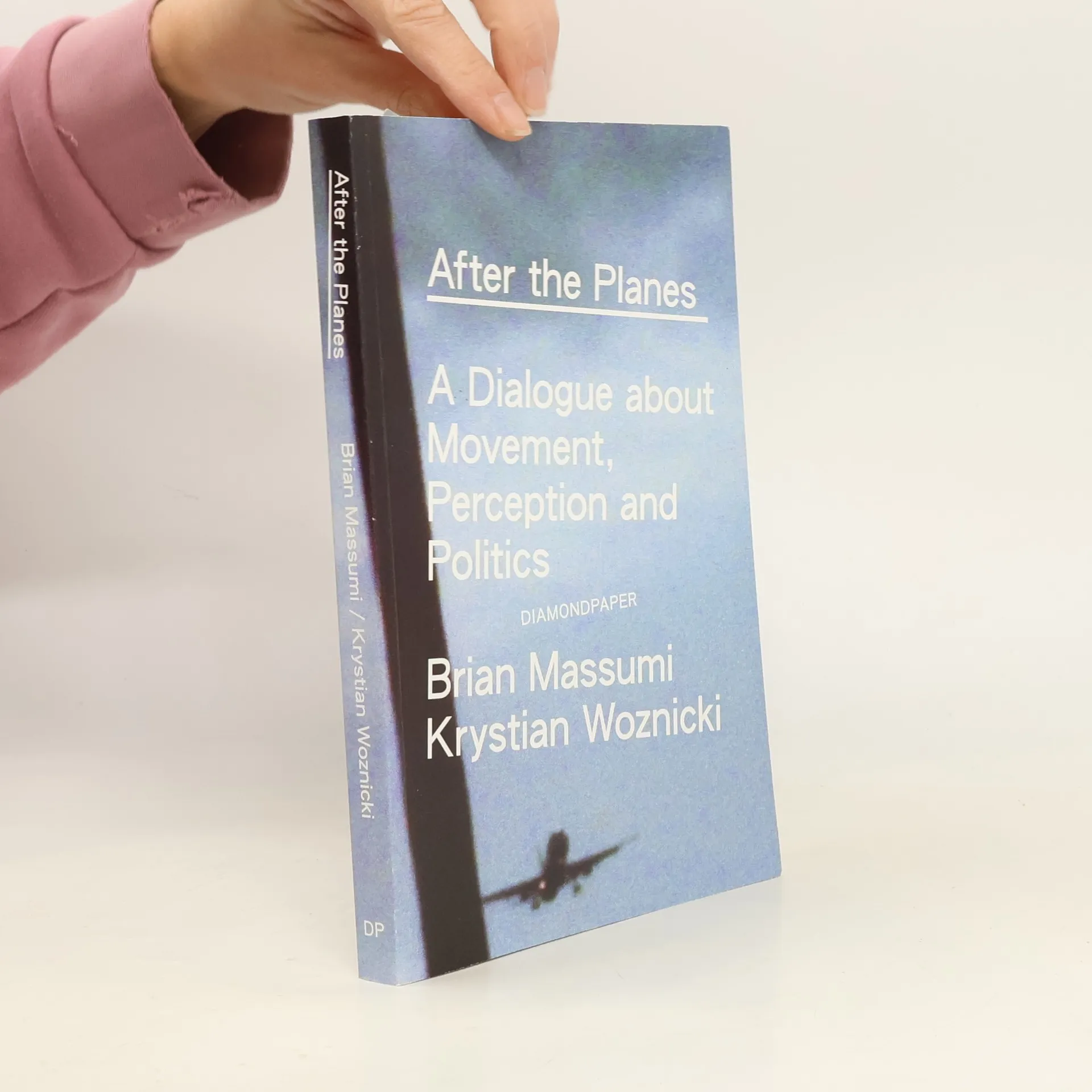

„Wer einfache Antworten sucht, wird sich auf den Hochebenen und in den schwarzen Löchern dieses Buches verirren, je komplexer aber die Gegenwart wird, desto überlegener könnte sich das multiple Denken dieser beiden wilden Philosophen noch erweisen.“ (Mathias Bröckers, Deutschlandfunk)
Brian Massumi Bücher
Brian Massumis Werk befasst sich mit der komplexen Beziehung zwischen Philosophie, Kunsttheorie und dem Gefüge unserer Sinneswahrnehmung. Er erforscht Konzepte von Bewegung, Affekt und Empfindung und untersucht, wie diese grundlegenden Elemente unsere Weltsicht prägen. Massumi beleuchtet die tiefgreifenden Wege, wie unsere verkörperten Erfahrungen politische und soziale Strukturen beeinflussen, und bietet eine einzigartige Perspektive auf das zeitgenössische Denken.


This collection of twenty-four essential essays written by Brian Massumi over the past thirty years is both a primer for those new to his work and a supplemental resource for those already engaged with his thought.
The Power at the End of the Economy
- 144 Seiten
- 6 Lesestunden
In his latest book, the influential critic Brian Massumi offers a new theory of political economy that demonstrates how emotional, affective and nonconscious decisions work together with rational self-interest in the shaping of neoliberalism. Massumi's analysis shows the potential for a new anti-capitalist politics.
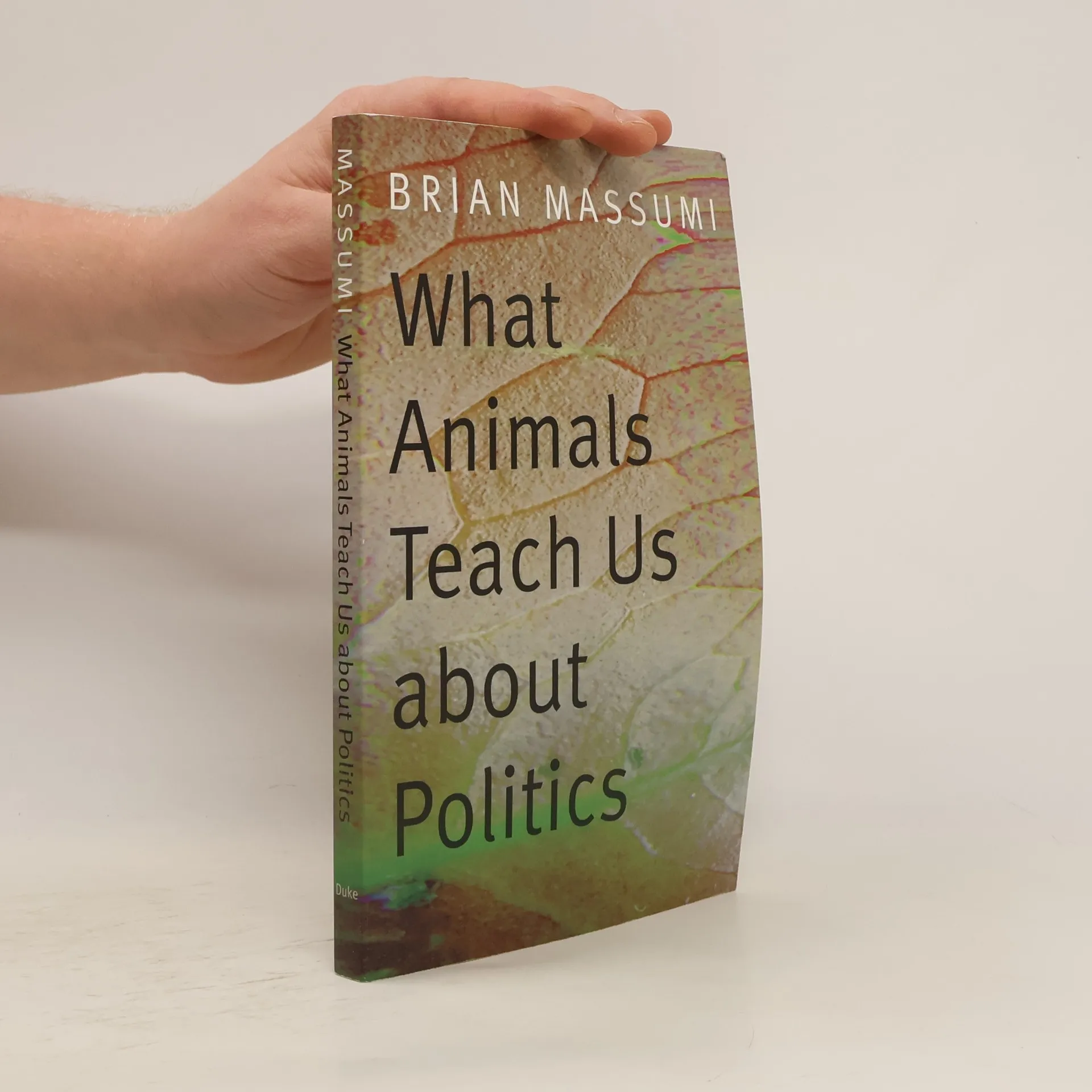
In this concise book, the noted theorist Brian Massumi takes up the question of the animal. Treating the human as animal, he develops a concept of an animal politics, which he uses as the basis of an expanded notion of the political.
Architectures of the Unforeseen
- 240 Seiten
- 9 Lesestunden
Bringing the creative processes of three contemporary artists into conversation, this work stages an encounter between philosophy, art, and design. Its exquisite prose invites readers to engage with Brian Massumi as he embodies the artists’ work, navigating the boundary between theory and art, and offering nourishment for both practicing artists and philosophers. Drawing from Massumi's long-standing relationships with digital architect Greg Lynn, interactive media artist Rafael Lozano-Hemmer, and mixed-media installation creator Simryn Gill, the book explores their artistic processes. It focuses on what motivates each artist’s practice—the generative knots that inspire creativity—and how their works produce unique effects. Rather than merely profiling the artists, Massumi’s essays are creative endeavors that develop new philosophical concepts and provide rigorous reflections on art and creativity. By posing fundamental questions about nature, culture, and the emergence of the new, this work constitutes significant original research on pioneering artists. It holds value for both everyday readers and scholars, positioning itself as an essential resource not only for the fields of digital architecture, interactive media, and installation art but also for a broader understanding of art and creativity.
This twentieth anniversary edition of Brian Massumi's pioneering and highly influential Parables for the Virtual includes a significant new preface that situates the book in relation to developments since its first publication and outlines the evolution of its main concepts.
The Politics of Affect
- 232 Seiten
- 9 Lesestunden
'The capacity to affect and to be affected'. This simple definition opens a world of questions - by indicating an openness to the world. To affect and to be affected is to be in encounter, and to be in encounter is to have already ventured forth.
In this original theory of power, Brian Massumi explains how the logic of preemption governs U.S. military policy in the War on Terror and how that logic spills over from the war front to the home front. Threats are now felt into reality and power refocuses on what may emerge. The mode of power embodying the logic of preemption is ontopower.
The exploration of an "activist" philosophy emphasizes movement as a fundamental aspect of existence, focusing on qualitative transformation rather than static definitions. Central to the discussion is the relationship between neoliberal capitalism and movement, particularly how it mobilizes emergent potentials. The concept of "ontopower" is introduced, highlighting the need to understand capitalist power to effectively resist it. Collective counter-powers and the transindividual nature of thought are examined, urging a reconsideration of political practices that embrace creativity and unrest at both individual and collective levels.
99 Theses on the Revaluation of Value
- 152 Seiten
- 6 Lesestunden
This work explores the necessity of redefining value to envision a postcapitalist economy. It argues that to transition to new social forms, we must first reclaim value from the constraints of capitalist markets and the neoliberal reduction of life to mere human capital. The author emphasizes the importance of occupying surplus-value to pave the way for a postcapitalist future. The text serves as both a theoretical and practical manifesto, reexamining concepts of money, exchange, and finance, particularly how qualitative experiences are economically quantified. New conceptual tools are proposed to understand value in qualitative terms, suggesting that this revaluation could underpin an alternative economy. The author highlights the potential of emerging blockchain technologies, advocating for their redesign to prioritize collective creativity over individual choice and collaborative speculation over self-interest. Recognizing the specificities of our contemporary neoliberal condition is crucial to resisting its destructive power and reclaiming the future. This work aims to inspire a radical redefinition of value, essential for creating a livable postcapitalist future.