
Focusing on the 1830s to the late 1870s, this work explores the evolution of classical perspective in aesthetic practices in England. Linda M. Shires highlights how artists and writers innovatively employed techniques of dissolution, combination, and multiple viewpoints, challenging the conventional timeline established by intellectual historians. Through a detailed examination of various texts and artistic expressions, the book reveals the early experimentation that shaped the visual and literary landscape of the period.
Linda M. Shires Reihenfolge der Bücher (Chronologisch)


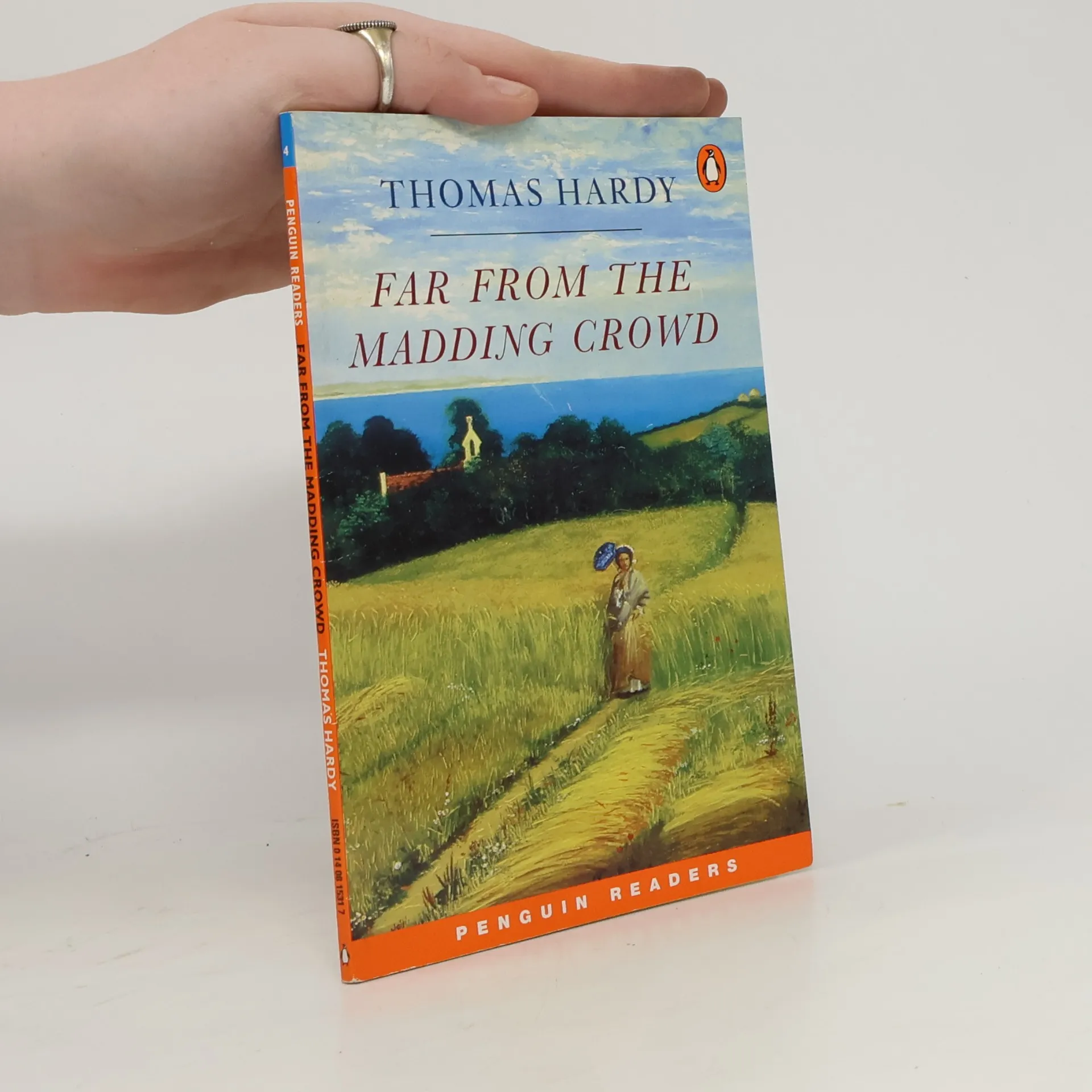
Independent and spirited Bathsheba Everdene has come to Weatherbury to take up her position as a farmer on the largest estate in the area. Her bold presence draws three very different suitors- the gentleman-farmer Boldwood, soldier-seducer Sergeant Troy and the devoted shepherd Gabriel Oak. Each, in contrasting ways, unsettles her decisions and complicates her life, and tragedy ensues, threatening the stability of the whole community. The first of his works set in Wessex, Hardy's novel of swiftpassion and slow courtship is imbued with his evocative descriptions of rural life and landscapes, and with unflinching honesty about sexual relationships.
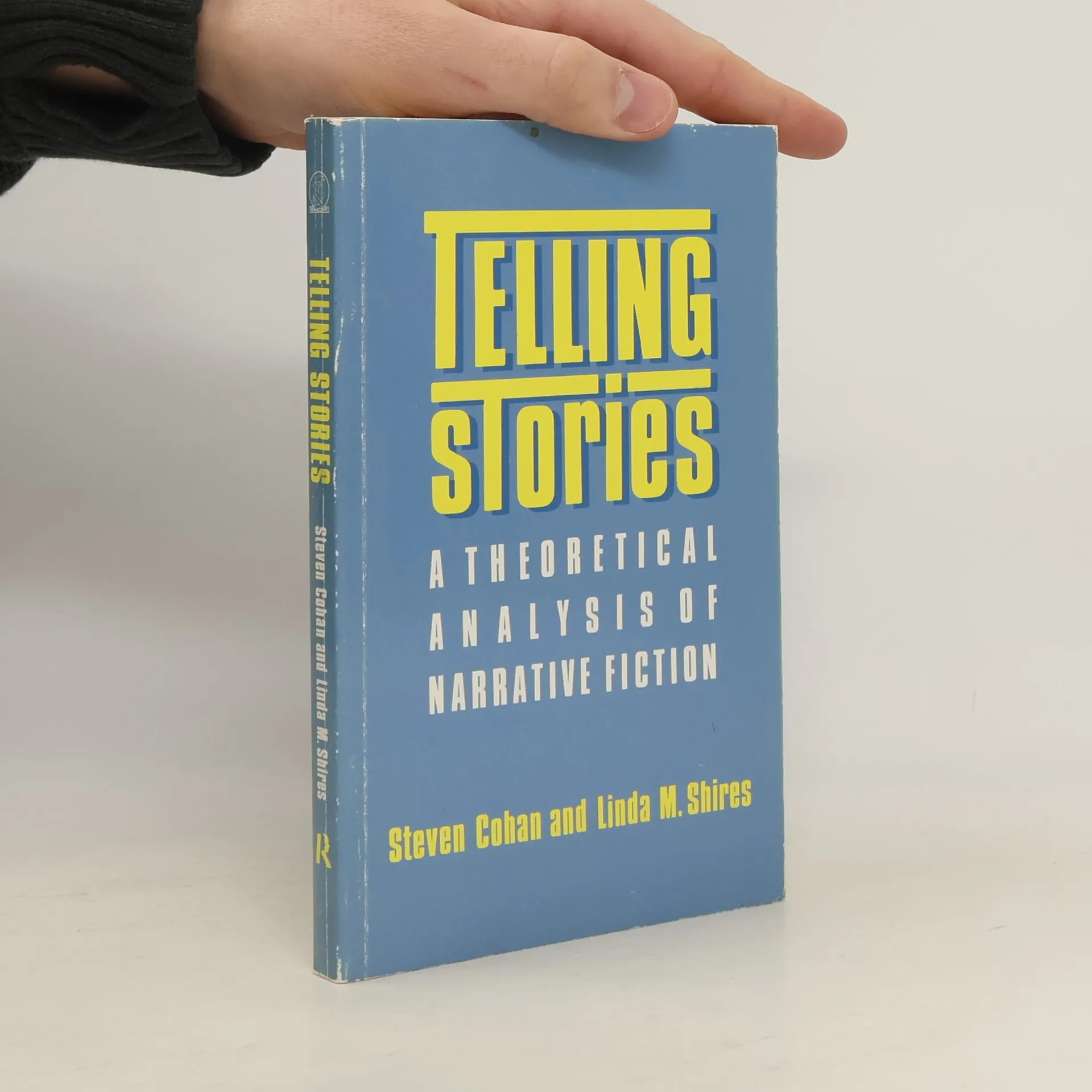
Telling Stories overturns traditional definitions of narrative by arguing that any story, whether a Bette Davis film, a jeans ad, a Jane Austen novel or a 'Cathy' comic, must be related to larger cultural networks. The authors show how meanings and subjectivity do not exist in isolation, but are manufactured by the narratives our culture reads and watches every day. They call for a critical practice that, through the fracturing of texts, can alter the grounds of knowledge and interpretation. This timely study will interest critics of narrative and culture, as well as students wanting to extend post-Saussurean theories to poopular and canonical cultures, and to the dynamics of story-telling itself.