Dinosaurier - Warum sie sterben mussten
- 48 Seiten
- 2 Lesestunden
Die Dinos beherrschten vor über 70 Millionen Jahren die Erde. Die Autorin verfolgt ihren Weg bis zu dem Zeitpunkt, an dem sie schließlich ausstarben





Die Dinos beherrschten vor über 70 Millionen Jahren die Erde. Die Autorin verfolgt ihren Weg bis zu dem Zeitpunkt, an dem sie schließlich ausstarben
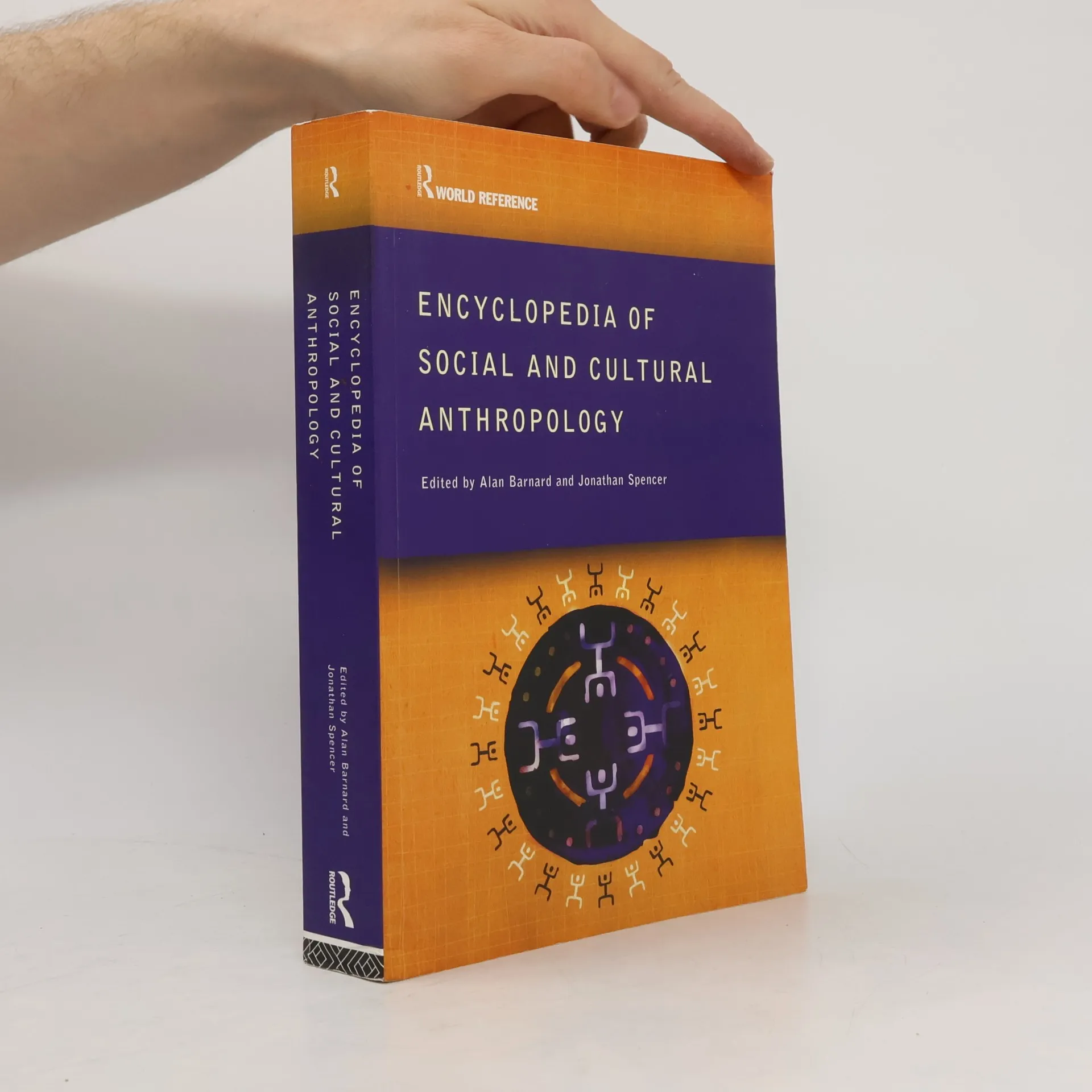
This is the only encyclopedia of social and cultural anthropology to cover fully the many important areas of overlap between anthropology and related disciplines. This work also covers key terms, ideas and people, thus eliminating the need to refer to other books for specific definitions or biographies.Special features * over 230 substantial entries on every major idea, individual and sub-discipline of social and cultural anthropology* over 100 international contributors* a glossary of more than 600 key terms and ideas.
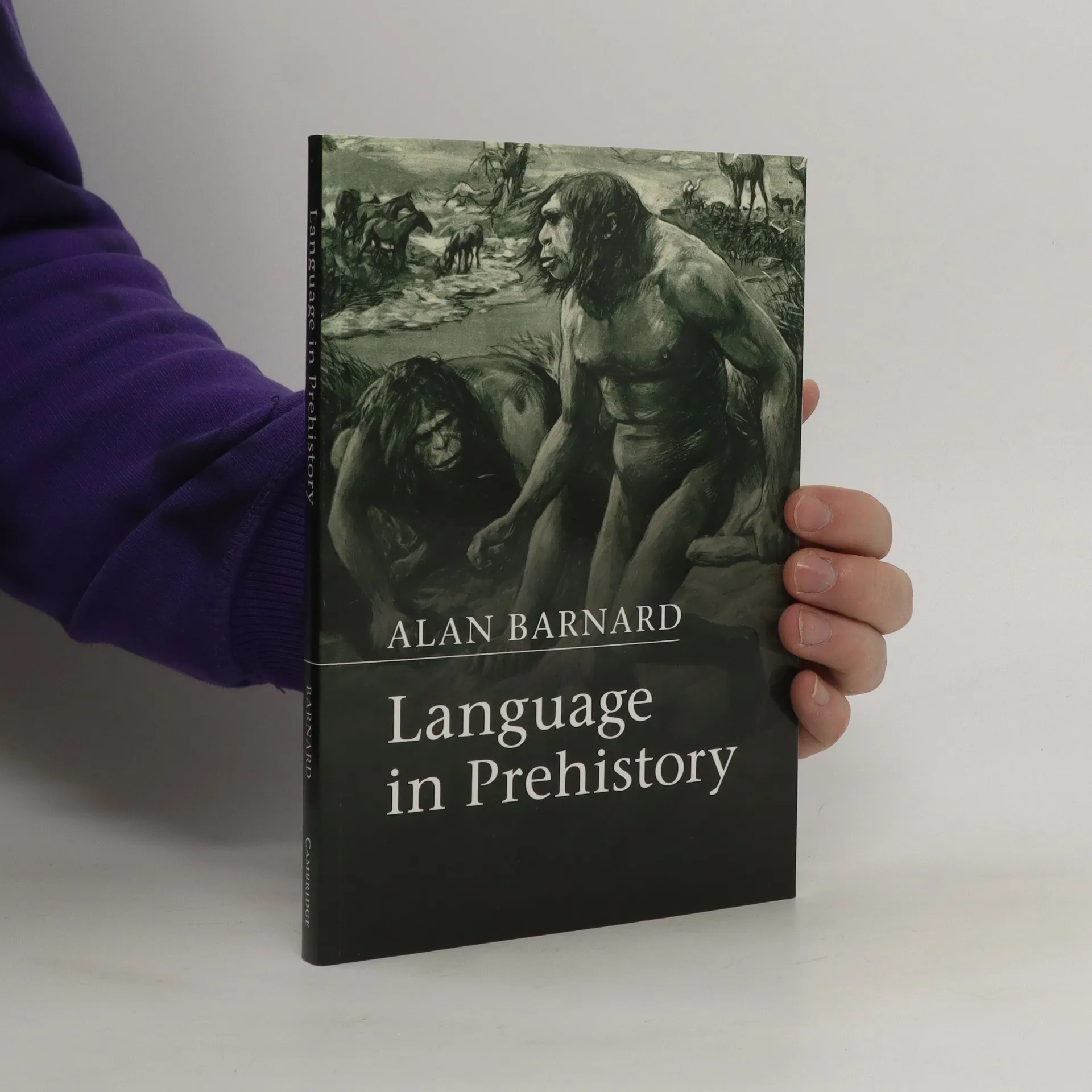
For ninety per cent of our history, humans have lived as 'hunters and gatherers', and for most of this time as talking individuals. No direct evidence for the origin and evolution of language exists; we do not even know if early humans had language, either spoken or signed. Taking an anthropological perspective, Alan Barnard acknowledges this difficulty and argues that we can nevertheless infer a great deal about our linguistic past from what is around us in the present. Hunter-gatherers still inhabit much of the world, and in sufficient number to enable us to study the ways in which they speak, the many languages they use, and what they use them for. Barnard investigates the lives of hunter-gatherers by understanding them in their own terms, to create a book which will be welcomed by all those interested in the evolution of language.
The book features a comprehensive table of contents that organizes its various chapters and sections, providing readers with a clear roadmap of the topics covered. Each entry is designed to guide readers through the material, making it easy to locate specific information and understand the structure of the content. This approach enhances the reader's experience by facilitating navigation and comprehension of the subject matter.
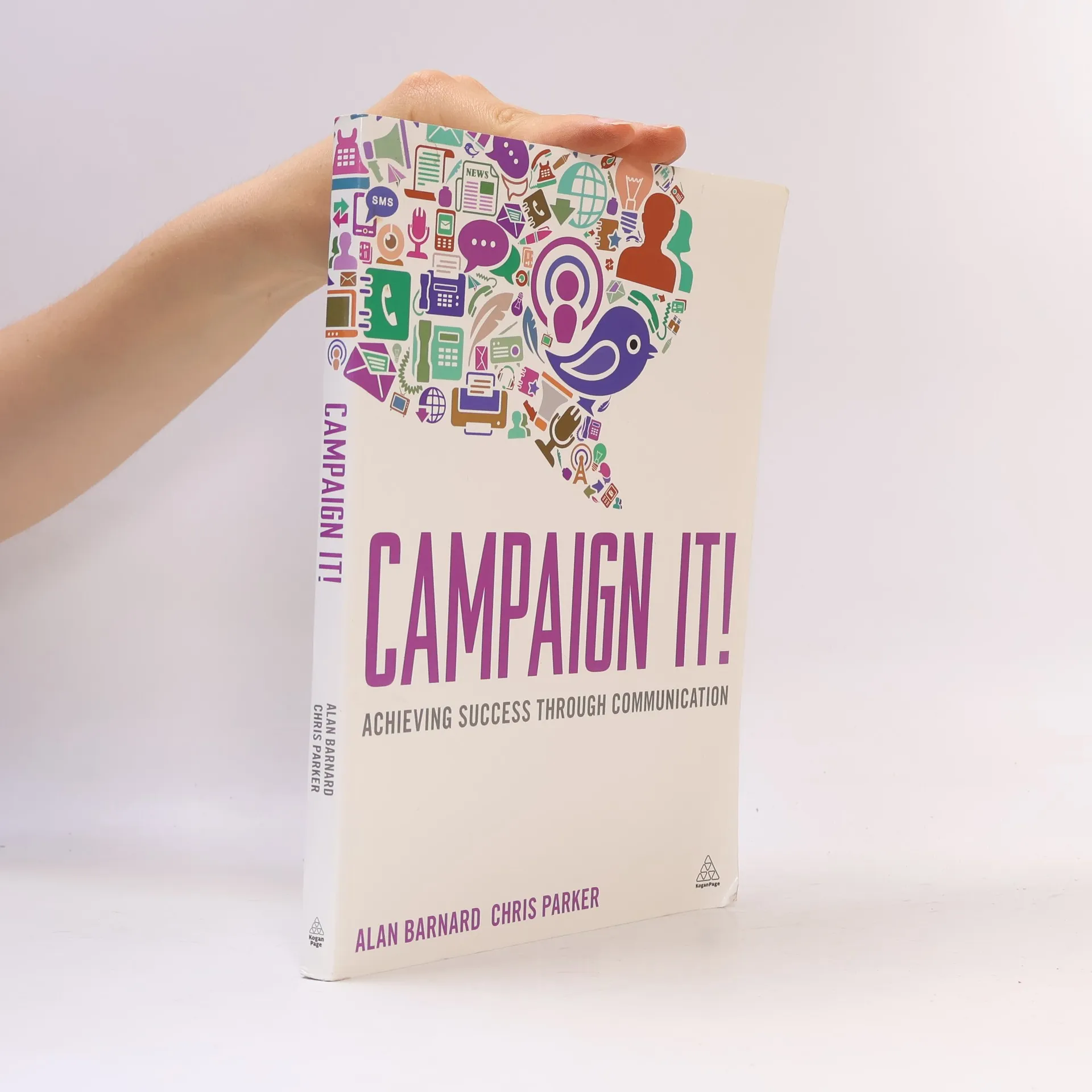
Campaign It! will improve the way you communicate and so enable you to achieve your desired outcomes more effectively and efficiently.