James HamiltonReihenfolge der Bücher (Chronologisch)
1. Jänner 1961
James Hamilton ist ein Kurator, Schriftsteller und Dozent, dessen intellektuelle Reise eine unerwartete Wendung von der Maschinenbauingenieurwesen zur Kunstgeschichte nahm. Dieser einzigartige akademische Weg prägt seine Perspektive und ermöglicht es ihm, Kunst und Kultur mit tiefem Einblick zu analysieren. Sein Schreiben zeichnet sich durch analytische Tiefe und durchdringende Beobachtungen aus. Er bietet einen unverwechselbaren Ansatz, um die Welt durch die Linse der künstlerischen und historischen Forschung zu verstehen.
The book is a reprint of a classic work first published in 1858, offering readers a chance to explore its historical significance and original context. This edition preserves the authenticity of the text, allowing a new generation to engage with its themes and insights. It serves as a valuable resource for both casual readers and scholars interested in the literary and cultural landscape of the time.
This reprint captures the essence of a classic work originally published in 1857, preserving its historical significance and literary value. The book offers readers a glimpse into the themes and narratives that shaped its time, inviting a deeper understanding of the context and ideas presented. With its faithful reproduction of the original text, this edition serves as a valuable resource for both new readers and those familiar with the work, ensuring that its legacy continues to resonate.
People hunting monkeys in the jungle once devised a simple yet effective trap: When the creature found a banana in a large jar with a narrow neck, it would plunge its paw in to retrieve it. But it couldn't let go. And unless the monkey released the banana, it was stuck.We are, of course, the stuck monkey, paralysed by our modern lifestyles and consumer habits: our constant stream of online shopping deliveries, our compulsive dependence on digital devices, our obsession with ourpets. These addictions, as small and harmless as they may seem, are quietly destroying the planet. And the eco-friendly alternatives that alleviate our guilt are often not much better.In Stuck Monkey, James Hamilton-Paterson uncovers the truth behind the everyday habits fuelling the climate crisis. Drawing on eye-opening research and shocking statistics, he mercilessly dissects a wide spectrum of modern life: pets, gardening, sports, vehicles, fashion, wellness, holidays, and more. Ferociously unflinching andintelligent, this book will make you think twice about the 'innocent' habits we often take for granted.
A fresh biography of the revolutionary British landscape painter John
Constable, from the author of Gainsborough, a BBC Radio 4 Book of the Week and
The Times, Sunday Times and Observer book of the year
The collection features a poignant exploration of themes such as addiction, relationships, and the complexities of loss through Hamilton's unique voice. Each poem delves into personal experiences, offering raw and honest reflections that resonate with readers. This internationally published work showcases Hamilton's talent and emotional depth, making it a significant addition to contemporary poetry.
Schlaue Vorrichtungen und nützliche kleine Maschinen aus Multiplex und T-Nut-Schienen bauen
Maschinen und komplexe Vorrichtungen selbst bauen! Warum macht man so etwas? Nun, man spart Geld, kann Funktionen einbauen, die es nicht zu kaufen gibt oder es reizt einen einfach die Herausforderung eines komplexen Projekts. Außerdem kann man andere Holzwerker und Holzwerkerinnen natürlich prima damit beeindrucken. Aber, das schreibt der Autor selbst, man muss „schon etwas verrückt sein, um zu machen, was ich mache.“ In diesem Buch finden sich folgende Bauprojekte: - Handoberfräsentisch mit Schiebetisch - Multifunktionslift für die Handoberfräse - Anschlag mit Feineinstellung für den Handoberfräsentisch - Stationäre Stichsäge - Multifunktionsschleiftisch - Fliehkraftabscheider für den Werkstattstaubsauger - Ablängschlitten - Trommelschleifmaschine mit doppelter Zuführung - Große Bandsäge
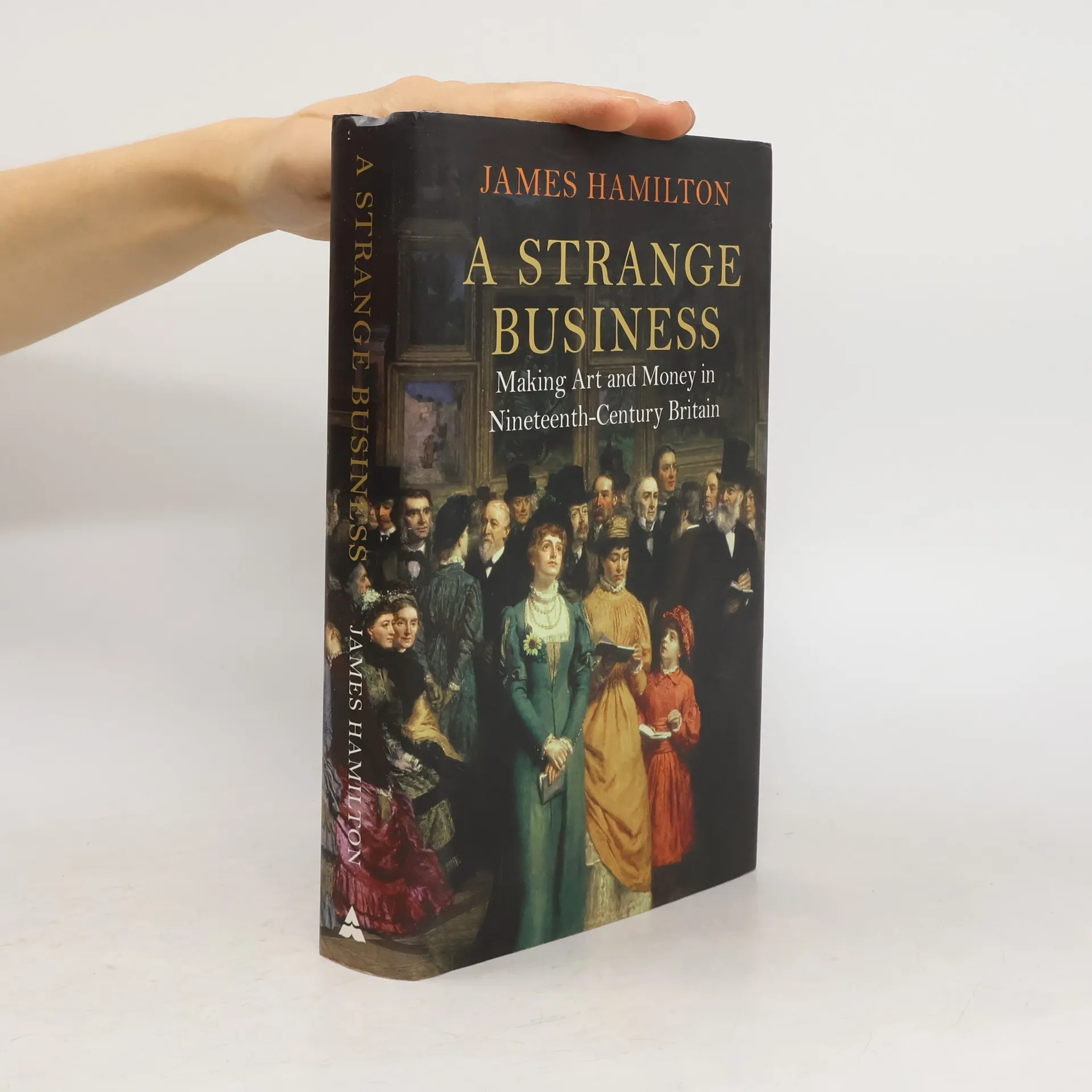
Britain in the nineteenth century saw a series of technological and social changes which continue to influence and direct us today. Its reactants were human genius, money and influence, its crucibles the streets and institutions, its catalyst time, its control the market. In this rich and fascinating book, James Hamilton investigates the vibrant exchange between culture and business in nineteenth-century Britain, which became a centre for world commerce following the industrial revolution. He explores how art was made and paid for, the turns of fashion, and the new demands.
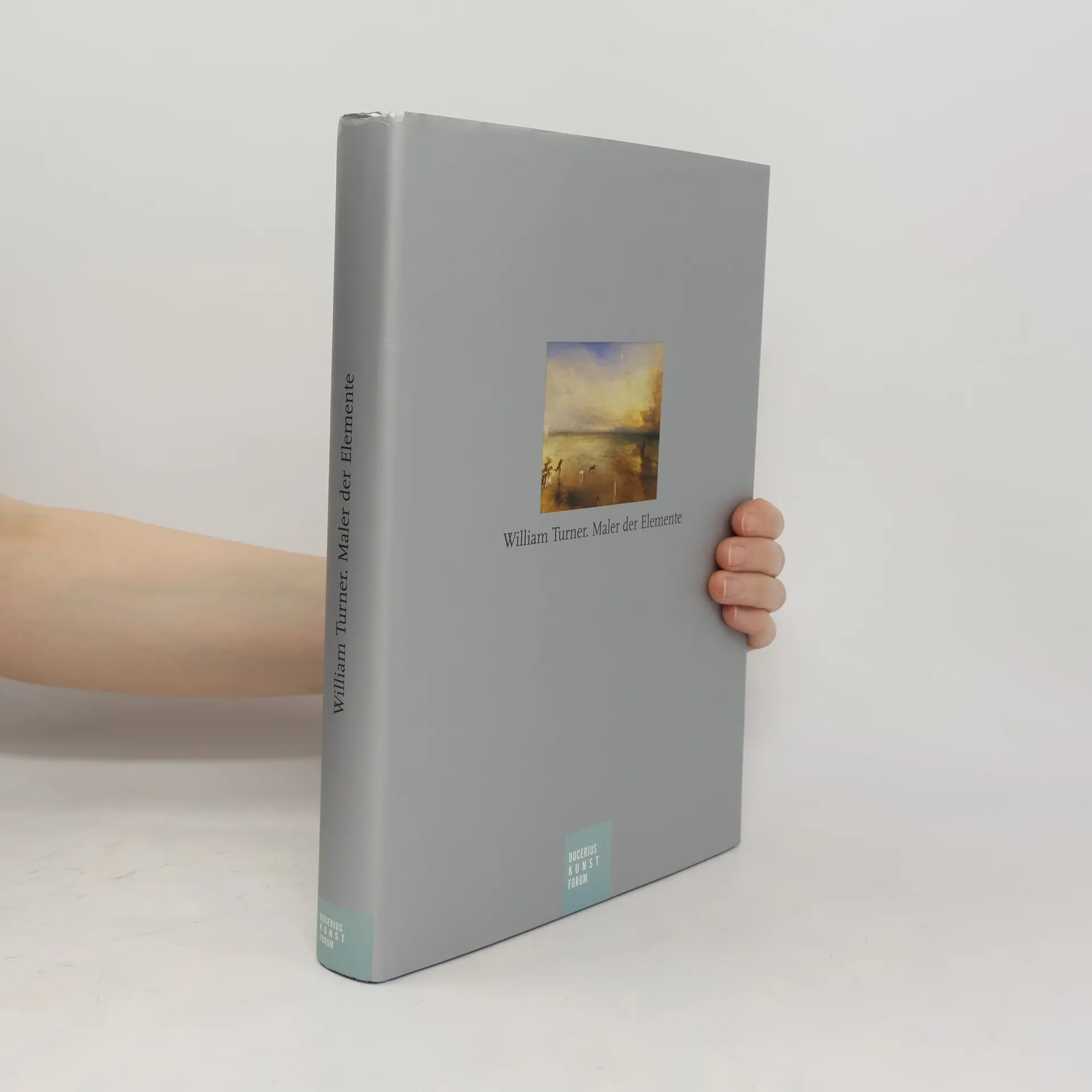
William Turner galt schon seinen Zeitgenossen als 'Maler der Elemente'. Er kombinierte in seinen Landschaftsbildern Feuer, Wasser, Luft und Erde auf neue Weise und erforschte intensiv ihre Beziehung zueinander. Die lebenslange Beobachtung der Natur verlieh ihm fundierte Kenntnisse über das Wirken ihrer Kräfte und profunde Einsicht in die immer währende Verschmelzung ihrer Substanzen. Turners Vision der Elemente, als Einheit von Kräften, die durch Energie miteinander fusionieren, war eng mit den zeitgenössischen Forschungen in den Naturwissenschaften verbunden. Die Ausstellung versammelt rund 85 Werke aus der Tate Gallery London und weiteren britischen sowie amerikanischen Sammlungen. Die fünf Themenbereiche Feuer, Wasser, Luft, Erde und Fusion veranschaulichen die Entwicklung von Turners Landschaftsmalerei über mehrere Jahrzehnte und zeigen, wie seine Maltechnik den neuen Erkenntnissen gerecht wird. Der Band zu der vom Bucerius Kunst Forum konzipierten Ausstellung beschäftigt sich mit der Lehre von den Elementen seit der Antike und ihrer Rezeption in der Malerei der Neuzeit sowie Turners Naturverständnis und der Bedeutung des Lichts für seine Malerei. Nach dem Auftakt in Hamburg wird die Ausstellung auch im Nationalmuseum Krakau und im neu eröffneten Ausstellungshaus 'Turner Contemporary' im englischen Margate gezeigt.
Measuring Second Language Vocabulary Acquisition describes the effect that
word frequency and lexical coverage have on learning and communication in a
foreign language. It examines the tools we have for assessing the various
facets of vocabulary knowledge, the scores these produce, and the way these
are tied to exam and communicative performance.
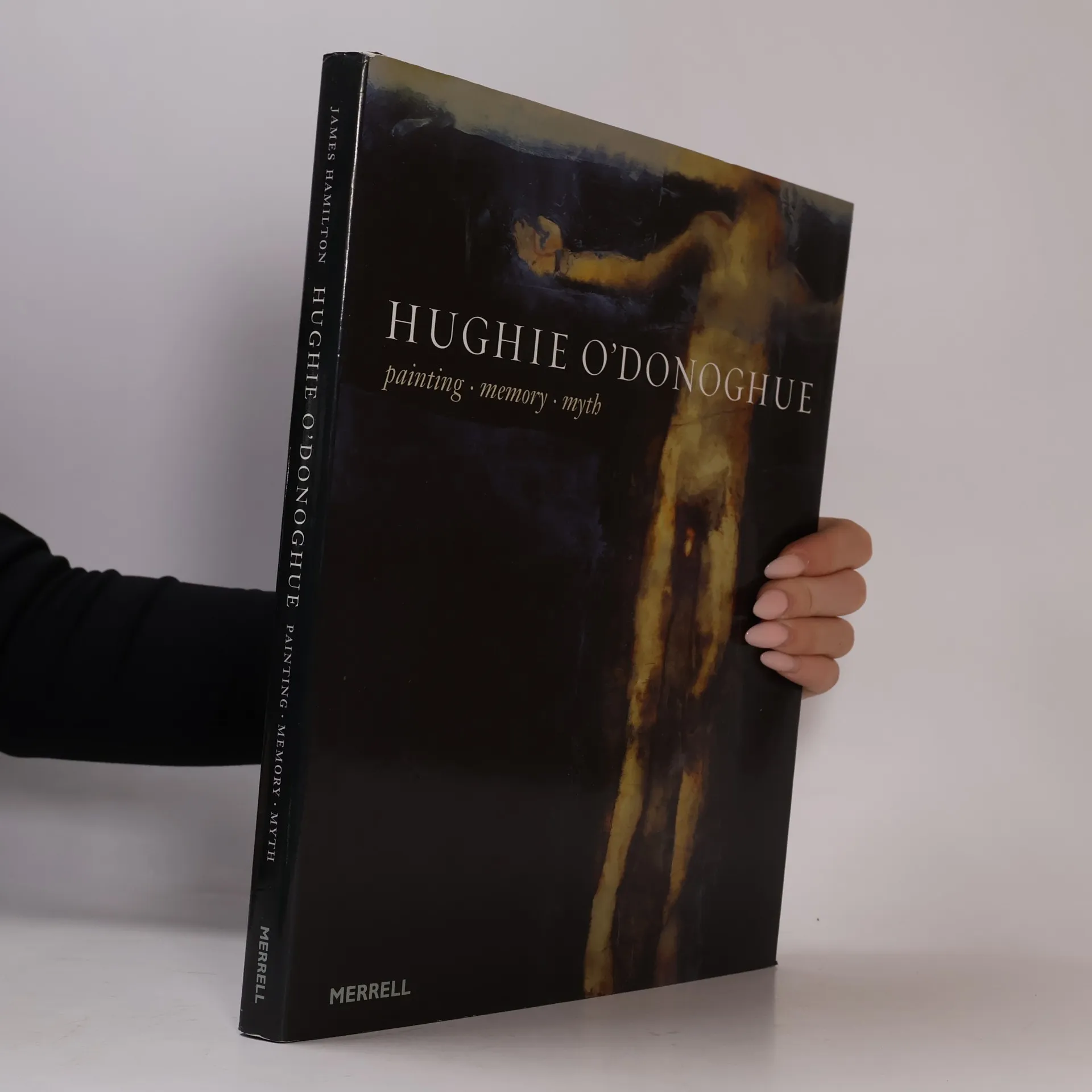
Contemporary artist Hughie O'Donoghue has long been preoccupied by the experience of war and its legacy - not the grand military moments that formed the subject-matter of traditional history painting, but the story of the individual.The starting-point for O'Donoghue has been an engagement with his father's experiences as an infantryman in the Second World War, in France, Britain, Italy and Greece. His work is centred on two main his father's retreat from France through the port of Cherbourg in June 1940, after the evacuation of Dunkirk; and the advance in Italy in 1944, including the Battle of Monte Cassino.O'Donoghue sees his body of work on the theme of war as "a visual equivalent of the Classical epic poem, with individual pictures functioning like chapters, verses, or lines". The analogy is carried through into the works themselves, many of which tell their often complicated story in a strikingly visual, semi-abstracted way through metaphor, symbolism and references that derive from ancient Greek mythology. The story of the individual, of the artist's father, thereby becomes the story of Everyman - a story at once intimate and anonymous. In this, the first major study of O'Donoghue's work, the themes of history, memory and identity are explored.
This book alerts board members and management to their personal duties and liabilities under the federal securities laws. From the vast body of federal laws, rules, administrative interpretations, and court decisions dealing with securities offerings and transactions, those of particular interest to corporate officers and directors as individuals are discussed here. The materials focus on the Securities Act of 1933 and the Securities Exchange Act of 1934, pertinent provisions of the Investment Company Act of 1940, and the Sarbanes-Oxley Act of 2002. The 2006-2007 Edition features extensive discussion of the SEC's executive compensation reforms, including: the narrative disclosure piece, "compensation discussion and analysis"; the tabular disclosure requirements of Regulation S-K Item 402; new mandates for reporting executive perks; and expanded disclosure of transactions with related persons. Also new is discussion of changed requirements for the compensation committee report, plurality and majority voting standards, case law developments involving fraud liability, no-action letter guidance on insider short sales, and SEC statements on cooperation during an investigation.
If you're from Larkhall, then there's probably a picture of one of your relatives in our new book. There's the local Boys Brigade and Girls Guildry, photos of more than half a dozen local sporting groups, including Royal Albert football team and Birkenshaw Quoiting Club, and all sorts of other school and work groups. James Hamilton has gone to great pains to identify the people in the photographs, and the vast majority of individuals are named. Local myths such as the story of the ghost that haunts the ruins of Broomhill House, and personalities such as Harry Dawson make this a really interesting read, with lots of in-depth text accompanying the wide range of pictures. The neighbouring villages of Netherburn, Ferniegair, Allanton, Millheugh, Summerlee and Swinhill have been included too.
Rich in Dickensian flavor and packed with fascinating historical details, this compelling alternate-history novel takes readers into the plot to assassinate President Lincoln.