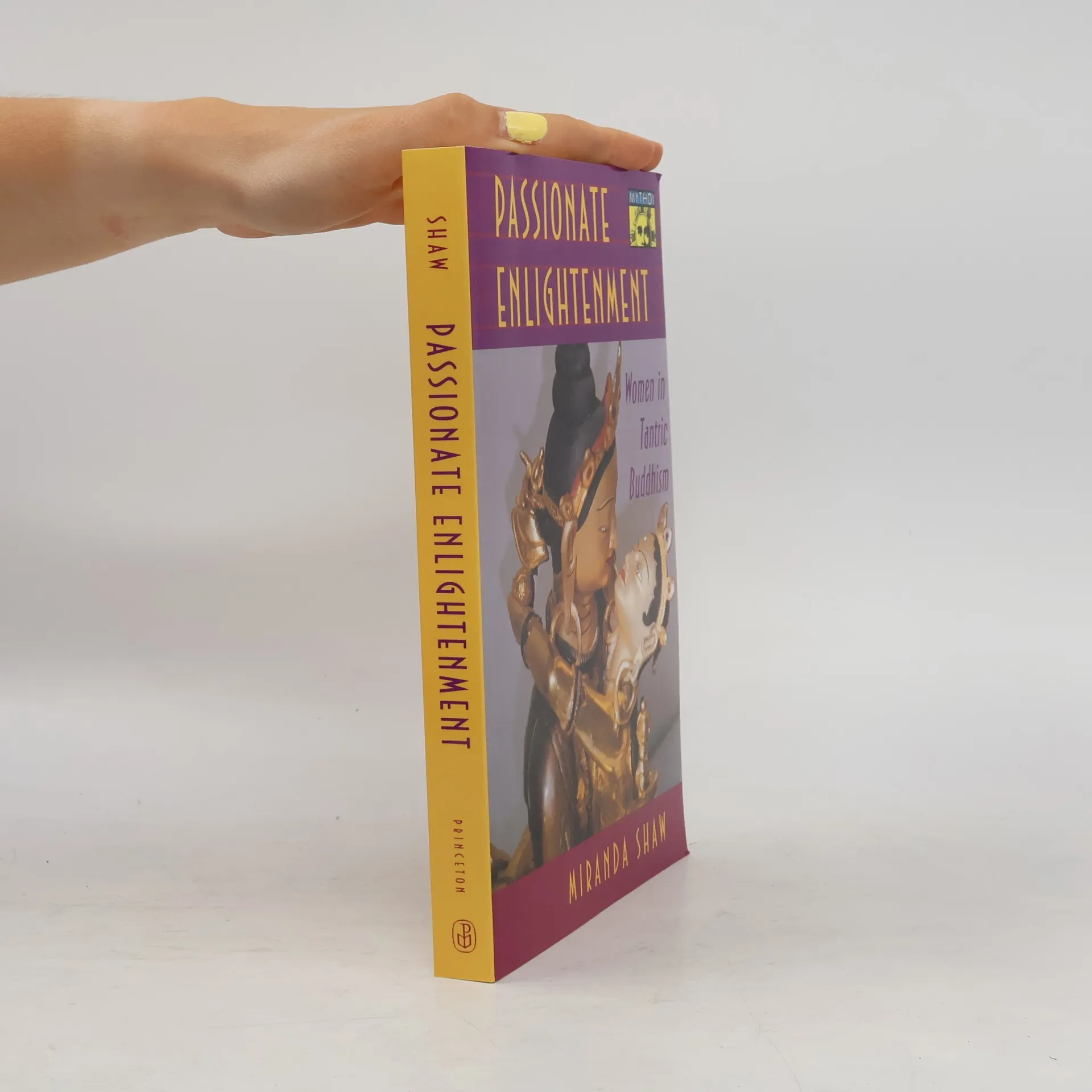
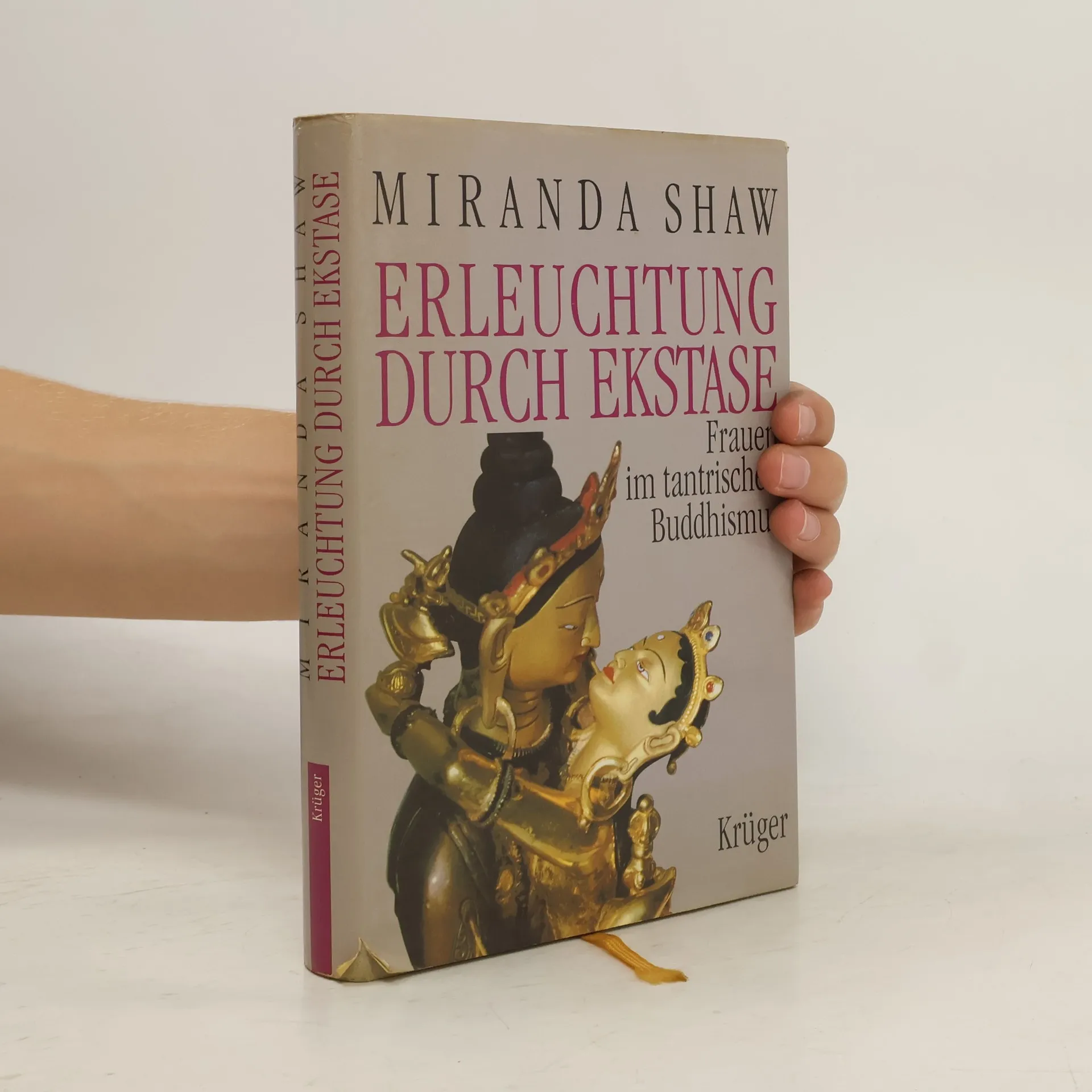
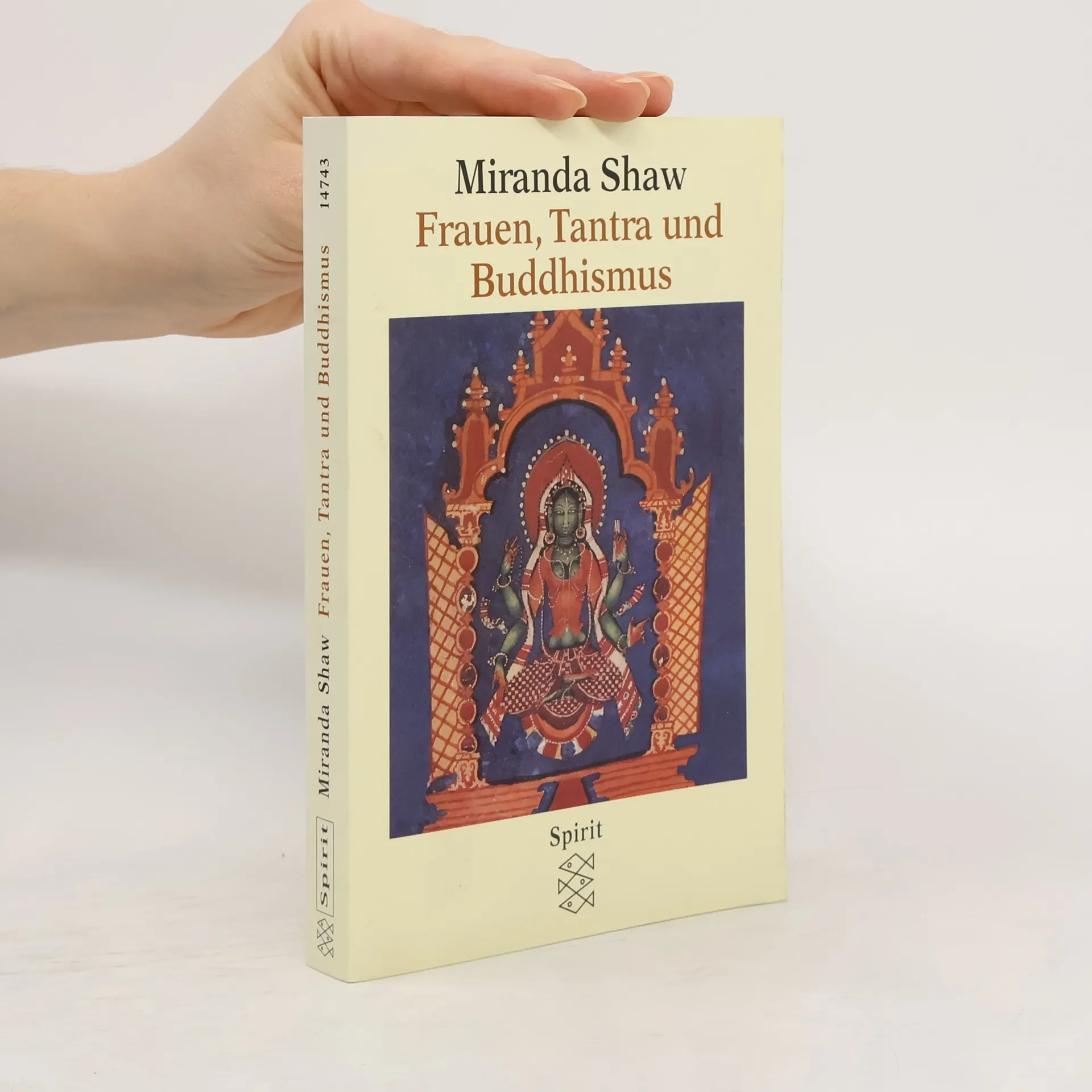
Der tantrische Buddhismus betrachtet Frauen als "Dakinis", die Weisheit verkörpern und für die Erleuchtung der Männer unerlässlich sind. Sie nehmen eine gleichberechtigte und oft übergeordnete Rolle ein. Miranda Shaws Buch leistet einen bedeutenden Beitrag zur Emanzipation der Frau.
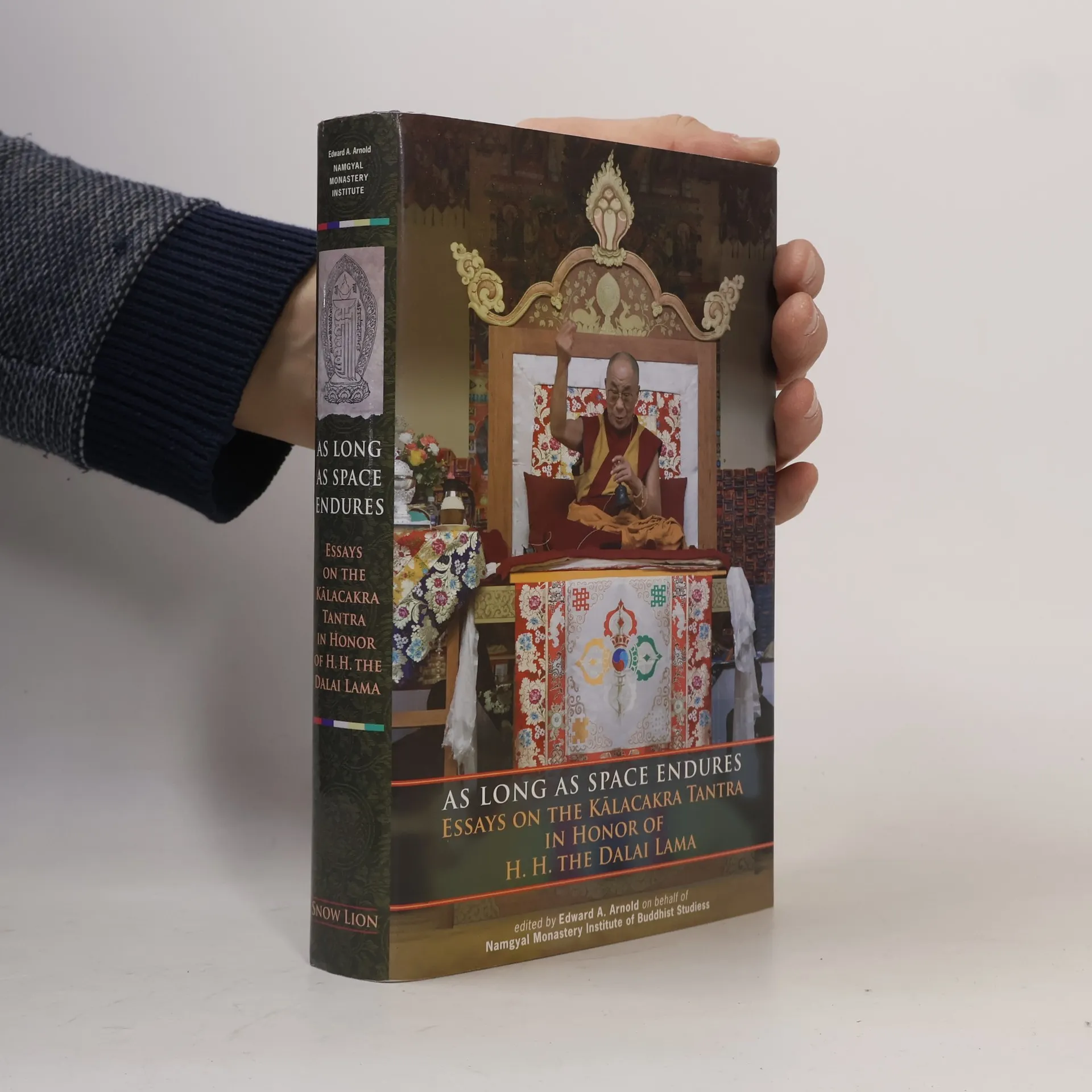
Essays on the Kalacakra Tantra in Honor of H. H. the Dalai Lama
479 Seiten
17 Lesestunden
The Kalacakra Tantra ( Kalacakra means "wheel of time") is a tradition of Buddhist theory and practice whose root text treats a fantastic expanse of knowledge ranging from observations of the cosmos to investigations of meditative states and vital bodily energies. In the Tibetan-speaking world, a public Kalacakra initiation remains the most sought-after event in the life of a devout Buddhist.The Fourteenth Dalai Lama has long had a strong connection with the Kalacakra Tantra; he brought the initiation to the West in 1981, performing it in the United States, Switzerland, Spain, and Australia. This volume has been created to celebrate his long involvement with the Kalacakra teachings. The twenty-five contributors, scholars who have made tantric studies their specialty, have contributed translations of works by great Indian and Tibetan Kalacakra masters, analyses of historical figures, methods of practice, essays on medicine ritual expertise, and ethical discipline. The collection also includes practical advice for Western students and practitioners from contemporary Tibetan Kalacakra masters.
Anyone who reads a Tantric text or enters a Tantric temple immediately encounters a pantheon of female Buddhas and a host of female enlighteners known as "dakinis," who dance and leap in joyous poses that communicate a sense of mastery and spiritual power. This striking female imagery is fully compatible with Shaw's findings. Drawing on interviews and archival research conducted during two years of fieldwork in India and Nepal, including more than forty previously unnoticed works by women of the Pala period (eighth through twelfth centuries C.E.), she substantially reinterprets the history of Tantric Buddhism during its first four centuries. In her view, the Tantric theory of this period promotes an ideal of cooperative, mutually liberative relationships between women and men while encouraging a sense of reliance on women as a source of spiritual insight and power.