

Per DPD Bestellungen bis Weihnachten lieferbar
Bookbot

Stanley Corngold

    11. Juni 1934

    Stanley Corngold ist emeritierter Professor für deutsche und vergleichende Literatur. Seine gefeierten Übersetzungen tauchen tief in die Originalwerke ein und bieten den Lesern nuancierte Interpretationen. Corngolds wissenschaftlicher Ansatz betont die kritische Analyse und beleuchtet klassische literarische Texte neu, wodurch das Verständnis deutscher Literaturtraditionen bereichert wird. Seine Arbeit dient als wichtige Brücke, um die Komplexität dieser beständigen Erzählungen zu erfassen.

    Walter Kaufmann
    Die Erzählungen
    The Mind in Exile
    • 2022

      The Mind in Exile

      • 280 Seiten
      • 10 Lesestunden
      3,6(7)Abgeben

      Between 1938 and 1941, Princeton became a hub for a remarkable group of émigré intellectuals, notably including Thomas Mann, Hermann Broch, Albert Einstein, and Eric Kahler, a lesser-known yet influential professor at the Institute for Advanced Study. This narrative explores their collaborative artistic, political, and intellectual endeavors during Mann's tenure as a Professor of Humanities. Frequently gathering at Kahler's or Mann's home, this collective was dubbed the "Kahler-Circle" by young poet Charles Greenleaf Bell. During this period, Mann completed his "Goethe-novel" Lotte in Weimar, crafted the surrealistic novella The Transposed Heads, and continued his epic tetralogy Joseph and His Brothers, sharing drafts with Kahler and Broch. Kahler provided critical feedback on Mann's fiction while discussing his own political essays. Although Einstein shared political views with Mann, he preferred the company of Kahler and Broch, whom he supported financially. Kahler was writing his notable work, Man the Measure, for which Einstein contributed a foreword. Corngold aims to illuminate the intertwined lives and thoughts of these four thinkers during a politically and culturally tumultuous time, utilizing rich sources like Mann's diaries and correspondence among the group, filling a gap in the understanding of their vibrant intellectual life.

      The Mind in Exile
    • 2020

      Walter Kaufmann

      • 760 Seiten
      • 27 Lesestunden

      "The first complete account of the ideas and writings of a major figure in twentieth-century intellectual life. Walter Kaufmann (1921-1980) was a charismatic philosopher, critic, translator, and poet who fled Nazi Germany at the age of eighteen, emigrating alone to the United States. He was astonishingly prolific until his untimely death at age fifty-nine, writing some dozen major books, all marked by breathtaking erudition and a provocative essayistic style. He single-handedly rehabilitated Nietzsche's reputation after World War II and was enormously influential in introducing postwar American readers to existentialism. Until now, no book has examined his intellectual legacy. Stanley Corngold provides the first in-depth study of Kaufmann's thought, covering all his major works. He shows how Kaufmann speaks to many issues that concern us today, such as the good of philosophy, the effects of religion, the persistence of tragedy, and the crisis of the humanities in an age of technology. Few scholars in modern times can match Kaufmann's range of interests, from philosophy and literature to intellectual history and comparative religion, from psychology and photography to art and architecture. Corngold provides a heartfelt portrait of a man who, to an extraordinary extent, transfigured his personal experience in the pages of his books. This original study, both appreciative and critical, is the definitive intellectual life of one of the twentieth century's most engaging yet neglected thinkers. It will introduce Kaufmann to a new generation of readers and serves as a fitting tribute to a scholar's incomparable libido sciendi, or lust for knowledge."-- Provided by publisher

      Walter Kaufmann
    • 1986

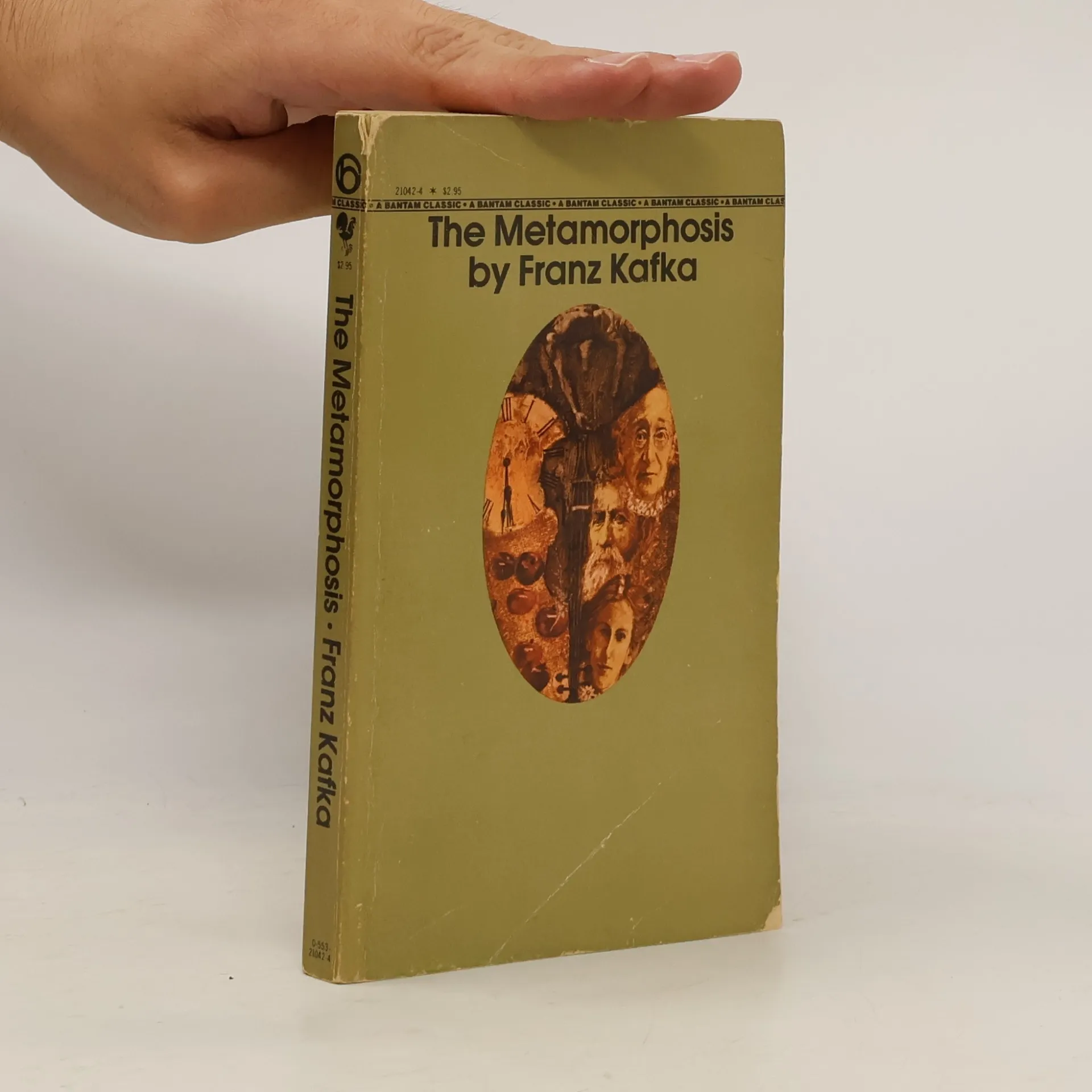
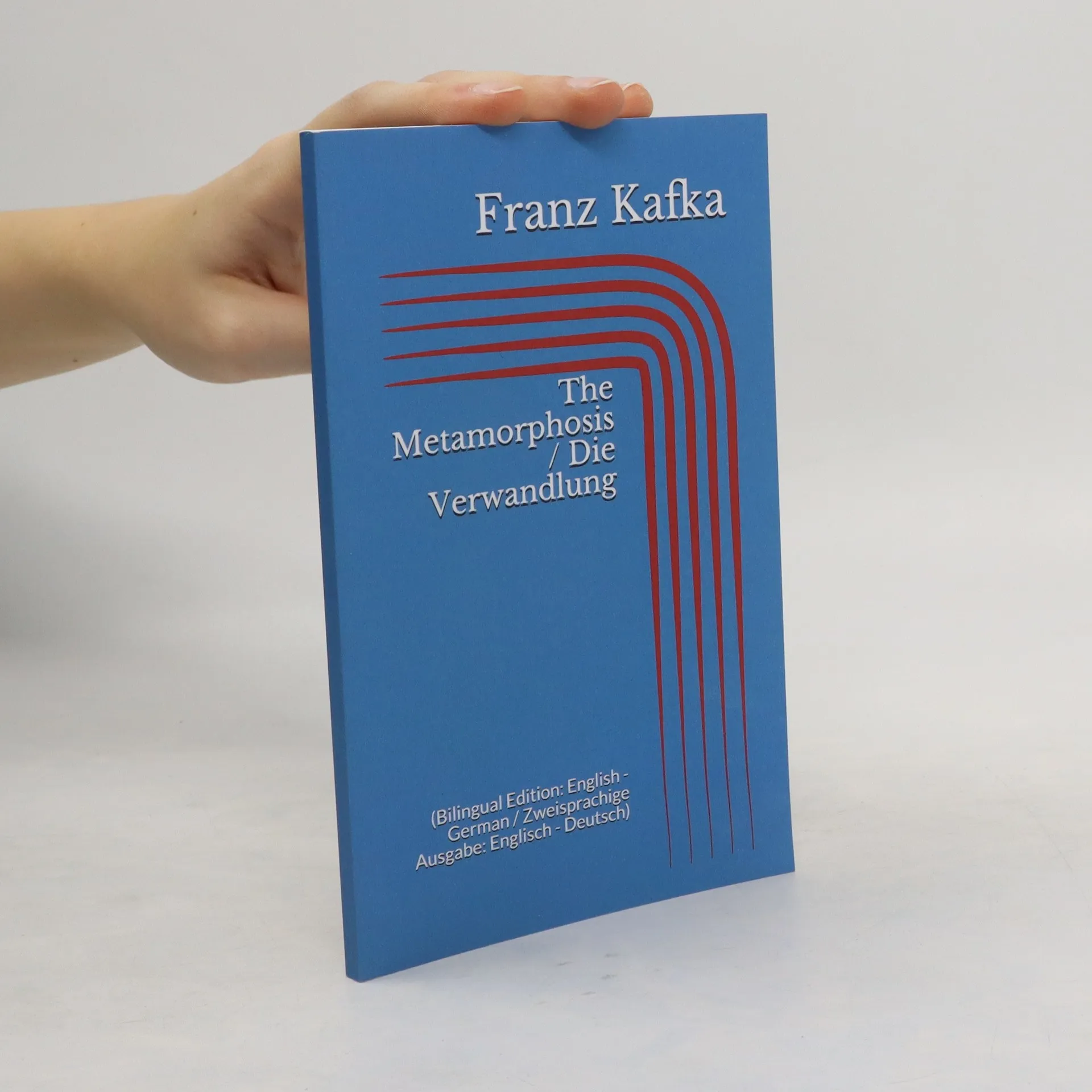
      Die berühmteste Erzählung Franz Kafkas berichtet von Gregor Samsa, der eines Morgens nicht mehr als Mensch, sondern als hässliches »Ungeziefer« erwacht. Kafkas »Verwandlung« ist die groteske Parabel einer stillen Revolte gegen die Unmenschlichkeit. In Tiergestalt hält Gregor Samsa der Welt den Spiegel vor. Ein schweigender Protestschrei, der am Ende ohnmächtig bleibt, aber bis heute eines der aufregendsten Werke der Weltliteratur. Franz Kafkas berühmteste Erzählung Gebundene Ausgabe Der käfergewordene Gregor Samsa ist Inbegriff der geheimnisvollen, fantastischen Welt Franz Kafkas

      Die Erzählungen